Politics
Crews Have Replaced Less Than 4% of Lead Service Lines Shown to Contaminate Tap Water in Chicago Homes in 5 Years
 (WTTW News)
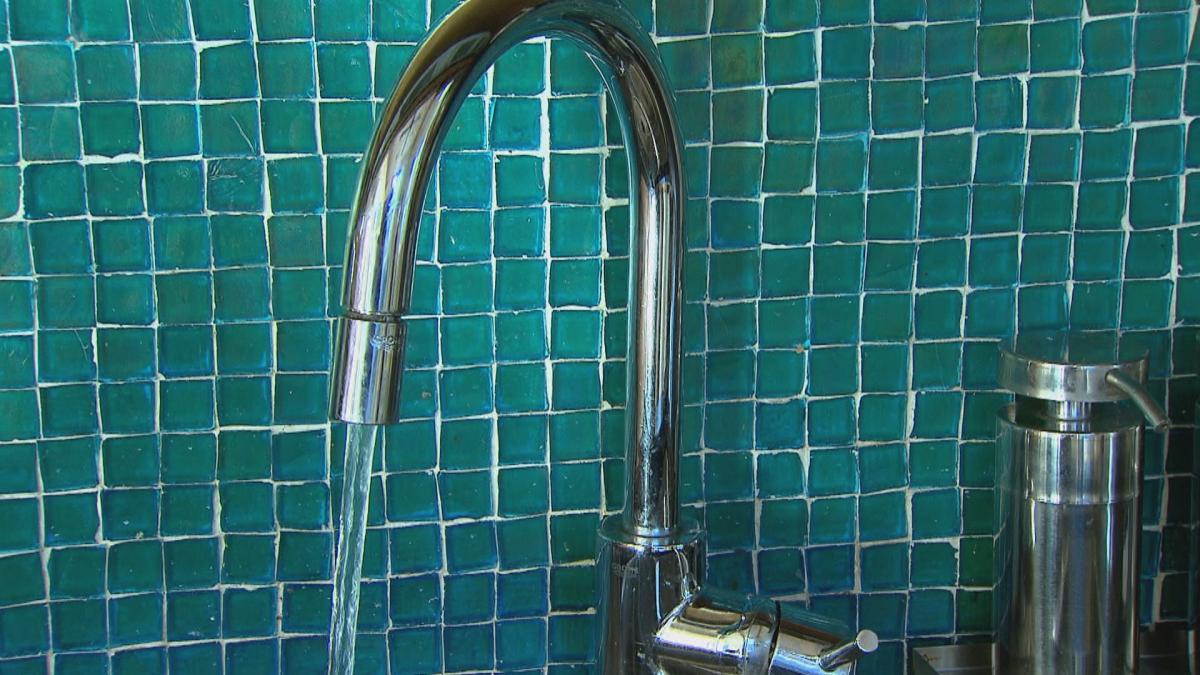
City crews have replaced less than 4% of the more than 400,000 lead service lines responsible for contaminating Chicagoans’ tap water since the effort began five years ago, the commissioner of the Chicago Department of Water Management told members of the Chicago City Council Thursday.
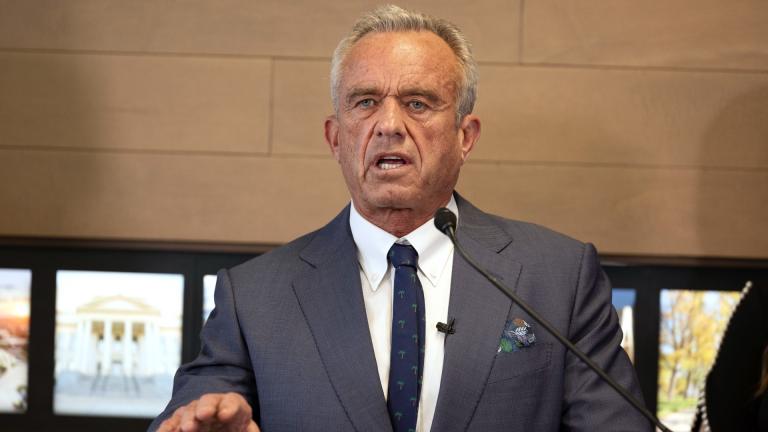
City crews are going to have to sharply increase efforts to remove the lines from homes and two- and four-flats to comply with state and federal requirements to remove the lines that can pollute drinking and bathing water, Department of Water Management Commissioner Randy Conner said during his department’s annual budget hearing before the City Council’s Budget and Government Operations Committee.
“We need to ramp up ‘til we get to a place where we can get to be able to complete the federal mandate for us to replace them,” Conner said.
Approximately 7,000 of those lines have been replaced this year and plans call for another 10,000 to be replaced next year, Conner said. It will cost $300 million to replace 10,000 lines in 2026, Conner said.
In 2027, crews must replace 15,000 lead-service lines, with another 19,000 lead-service lines replaced in 2028 to meet federal mandates, Conner said.
“We’re in the process of trying to figure out how to get the funding and how to ramp up with contracts, just to be able to hit that number,” Conner said. “We really don’t have the funds necessary to complete this across the city (or) the manpower to do this.”
City crews have been required by state law to remove all of the lead service lines connected to water mains that are being repaired or replaced since 2023.
The City Council should change city law to make it “mandatory” for homeowners to replace the portion of the lead service lines on their property when city crews replace the lead service lines on public property, Conner said.
A spokesperson for the Department of Water Management said she could give WTTW News no specifics about the ordinance described by Conner, who said he was hopeful it could be approved as soon as next month.
“We’re cobbling, you know, all the money together that we possibly can, trying to couple with creative ways of being able to get this done, working with our partners at the state and, whenever they open back up, our partners at the federal level,” Conner said.
Trump administration officials have attempted to yank billions in federal aid from Chicago because a city ordinance prohibits city officials from assisting federal agents conducting immigration enforcement operations.
A year ago, federal officials ordered cities to remove all lead service lines by 2034. Chicago was granted a waiver from that deadline, an acknowledgment of the city’s slow progress and the size of the challenge facing the city.
Chicago has until 2077 to remove all of its lead service lines, under state law.
Lead service lines connect more Chicago homes to water mains than in any other American city, in large part because officials required that lead pipes be used to funnel water to single-family homes and small apartment buildings for nearly a century.
Federal law banned the use of lead pipes in 1986.
There is no safe level of lead in drinking water, according to federal officials. Lead is a neurotoxin and can be especially damaging to children and pregnant women.
The average cost of removing a lead service line in Chicago is $35,000, making the total cost of removing all of the pipes that can leach toxins into Chicagoans’ water $14 billion, an astronomical sum that the city has no ability to afford without help from the state or federal government, officials said.
In 2023, Chicago borrowed $325 million from the federal government as part of a low-interest loan program set up by the federal government during the Biden administration. No more than $90 million has been spent as of last month, officials said.
Conner told alderpeople that all of that money will be spent before the end of 2026, the deadline imposed by federal officials.
Alderpeople did not ask Conner about why the water department has failed to send out notifications — as required by both state and federal law — to the vast majority of Chicagoans who are served by lead lines.
Those notices — informing approximately 900,000 homeowners, landlords and tenants that their drinking water could be unsafe — were due to be sent by last November. But as of early July, the city had only notified 7% of its list, according to an investigation by WBEZ, Inside Climate News and Grist.
Contact Heather Cherone: @HeatherCherone | (773) 569-1863 | [email protected]