

University of Chicago
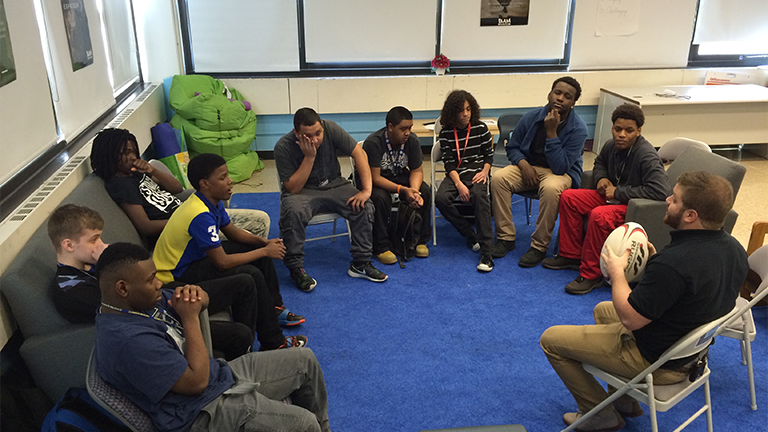

A new study finds a program that works with at-risk young men in Chicago reduced overall arrests in the group by 35 percent, violent crime arrests by 50 percent and boosted on-time high school graduation for participants by 19 percent.
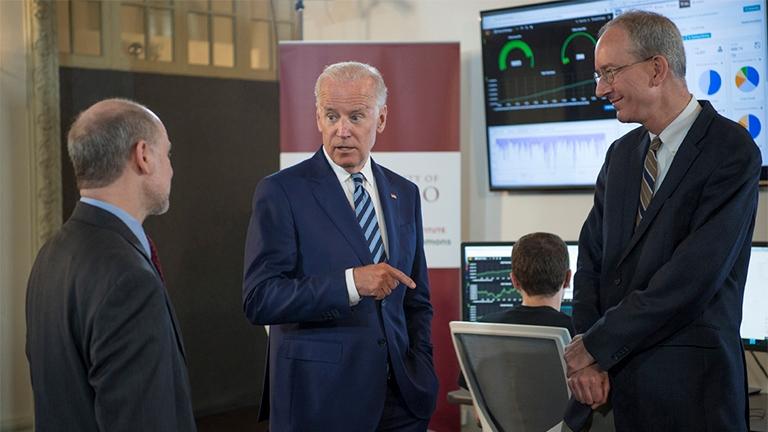
Cancer researchers will have an easier time accessing, sharing and analyzing information with the launch Monday of a new platform funded by the National Cancer Institute.

Impact of obesity on health contingent on physical, mental health
By most medical standards, being healthy means you’re not battling a major disease like cancer, diabetes or cardiovascular disease. But a new study from the University of Chicago questions this traditional method of measuring health.
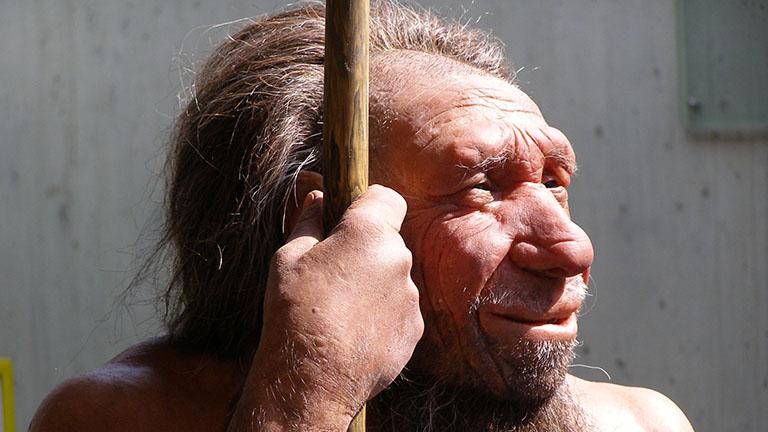
A new study shows why Neanderthal DNA can be bad for you. Astronomers capture visual evidence of an exploding star. And sometimes, it’s a bad idea to go to the Internet for help. Rabiah Mayas from the Museum of Science and Industry joins “Chicago Tonight” to examine these stories and more.
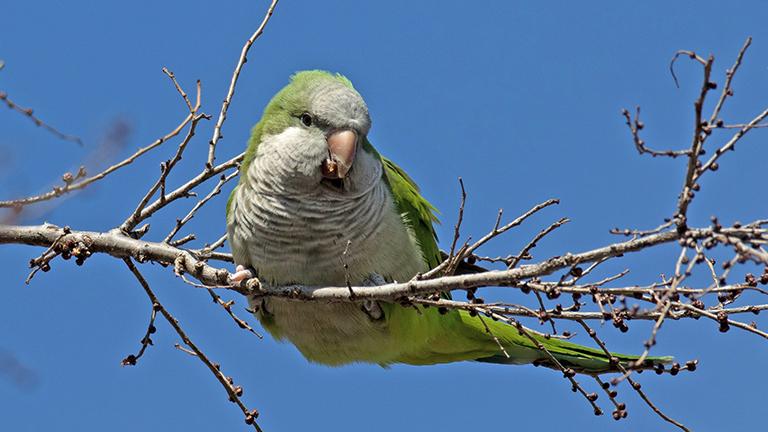
Chicago's Hyde Park neighborhood has long been a haven for the bright green monk parakeet, but its presence – and recent decline – is shrouded in mystery.
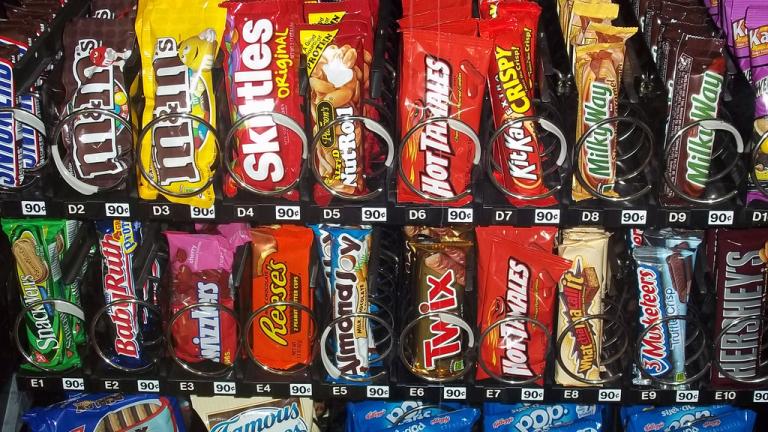
“People need to think of adequate sleep as an important aspect of maintaining good health," said Erin Hanlon, Ph.D., lead author of a new University of Chicago study linking insufficient sleep with increased consumption of snacks and high-energy, high-fat foods.

It sounds simple: slow down and make better choices. Most of us don't do that as well as we could, but researchers are studying how the simple act of slowing down can reduce crime. Brandis Friedman has the story.
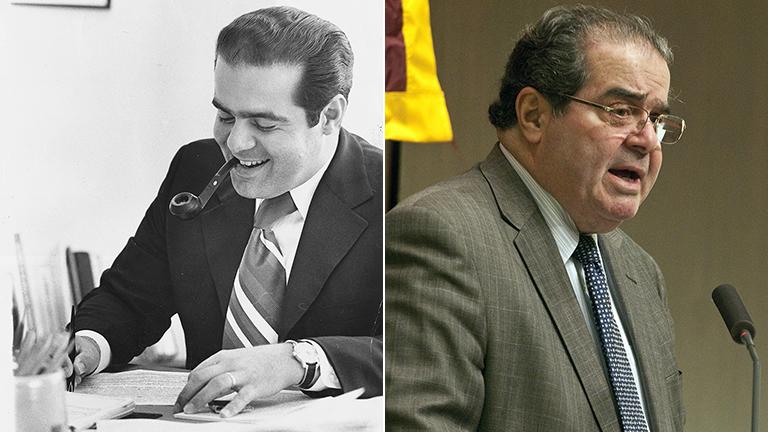
A close former associate of Justice Antonin Scalia from the University of Chicago reflects on their deep ideological divide and unlikely friendship. Paris Schutz has the story.
It's the weekend for love, but Valentine's Day can leave some feeling awfully lonely. A University of Chicago neuroscientist joins “Chicago Tonight” to discuss the science of loneliness and its potential health hazards.
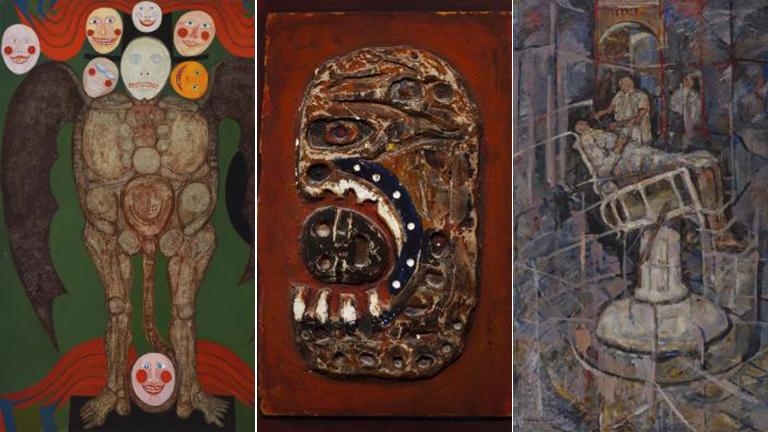
In the 1950s, a loose affiliation of Chicago artists haunted by World War II tried to capture emotional intensity in their creations. Dubbed "The Monster Roster," a collection of their work is on display at the Smart Museum of Art on the campus of the University of Chicago. We take a tour.

Scientists at the University of Chicago are hoping a new, highly sensitive camera they're developing for the South Pole Telescope will reveal new information about the early universe. The camera measures something that's nearly 14 billion years old: radiation left over from the Big Bang.
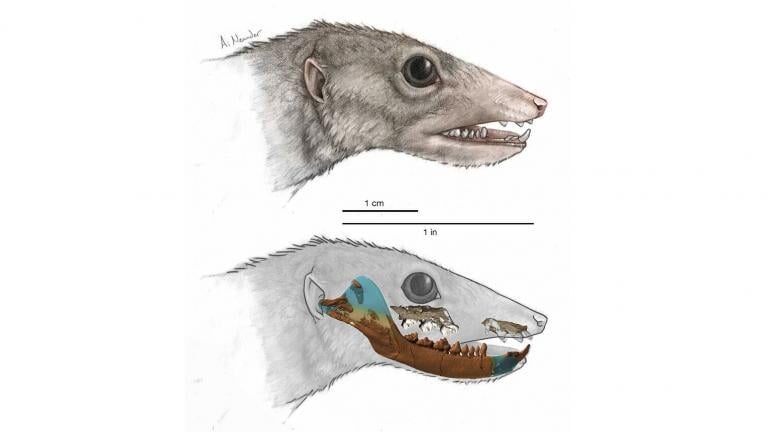
A new high-tech analysis of the fossilized jaw bone of Haramiyavia clemmenseni, one of our earliest ancestors, is shedding new light on the mammalian family tree. University of Chicago paleontologist Neil Shubin was one of the lead authors of the study and he joins us in studio to talk us through the findings.

While the new Will Smith movie has received mixed reviews from critics, Peggy Mason, a professor of neurobiology at the University of Chicago, is more concerned with the science behind the story than whether it's an Oscar contender. She joins us to discuss her thoughts on the film and to shed light on the dangers associated with concussions.
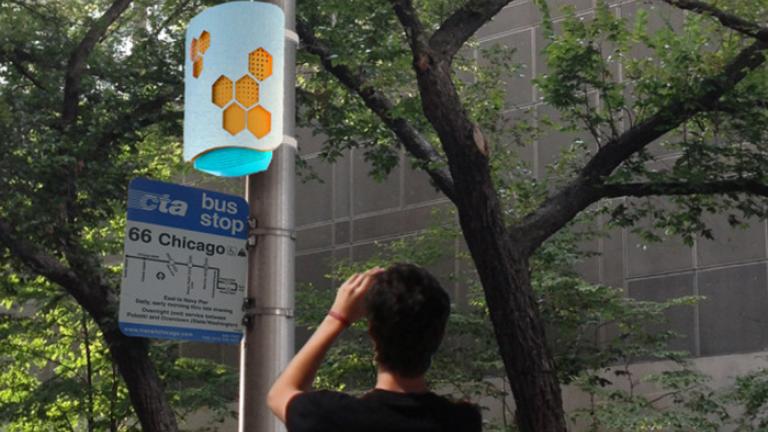
After a year of delays, the Array of Things urban data sensor project is back on track and prepping to collect all sorts of information on Chicago's streets by early next year. Joining us to discuss the initiative are the project’s lead scientist Charlie Catlett and author Lori Andrews.
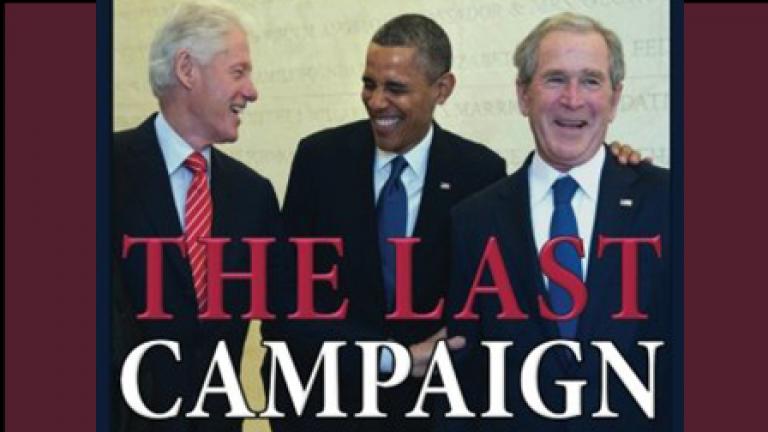
Chicago is fighting for the winning bid of President Barack Obama's presidential library and museum. These institutions were originally created to provide access to presidential records, but author Anthony Clark argues they've become platforms for a president to promote his legacy, not accurately exhibit history.

The Chicago Plan Commission has OK’d an Obama Library on public parkland.
Trending
Interim NITA Director Earning $350K Salary While Also Collecting $213K Annual City Pension, Records Show

Early Voting for November General Election Kicks Off in Downtown Chicago
Uptown Theatre Added to Open House Chicago, Catch a Rare Glimpse Inside Gilded Jewel
City Lawyers Propose Spending $260.8M to Settle 16 Cases Tied to Disgraced Ex-CPD Detective Guevara
Chicago Woman Accused of Social Security Fraud After Hiding Mother’s Body in Freezer for 2 Years
Sign up for the WTTW News newsletter