

social services
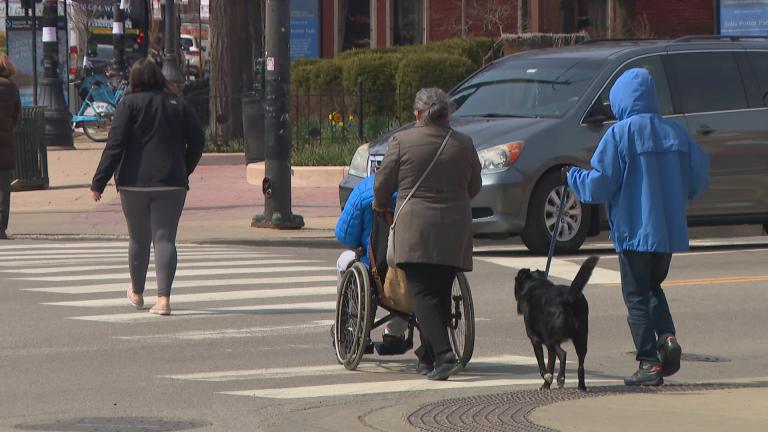

The impact of the COVID-19 pandemic is being felt by just about every segment of American society, but for those already facing difficult circumstances, the pain can be even sharper.
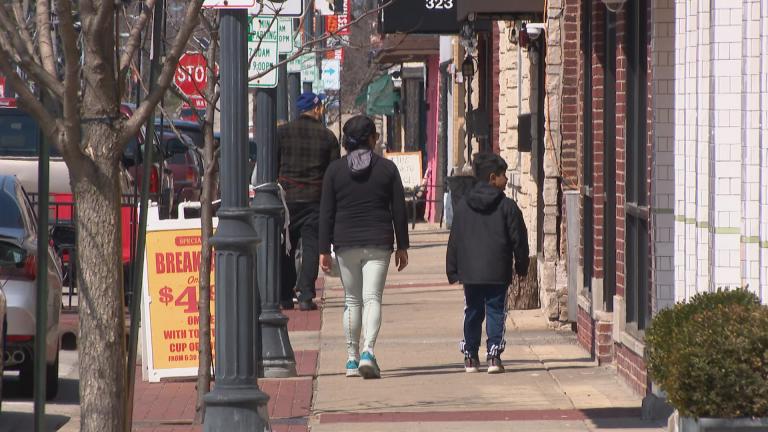
The North Shore community is home to dozens of restaurants and bars, but since the COVID-19 outbreak and ensuing stay-at-home order in Illinois, the city’s businesses have had to make some major changes.
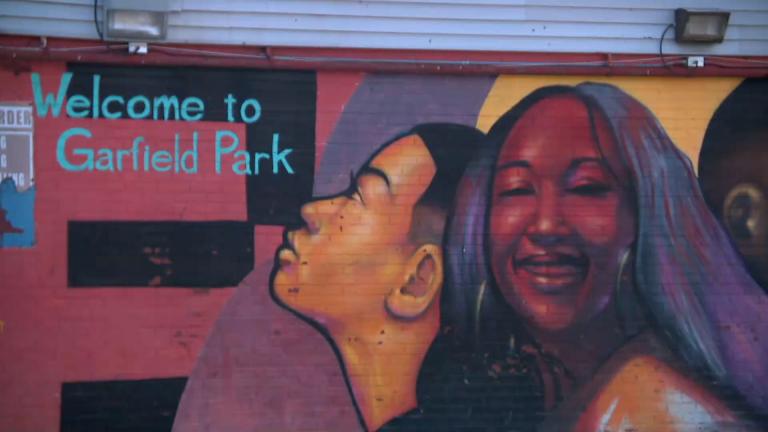
All Chicago neighborhoods have been hit hard by shutdowns related to the coronavirus, but lower-income communities that rely on social service organizations are facing a unique set of challenges.
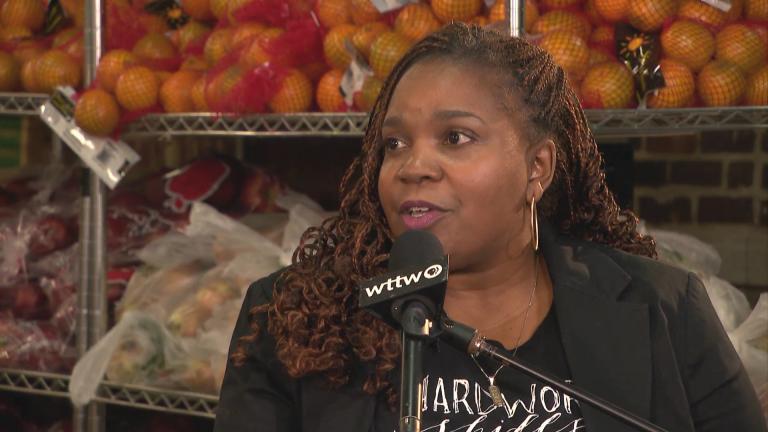
Breakthrough Fresh Market food pantry in Chicago’s East Garfield Park neighborhood usually provides groceries to about 70 people a day, three times a week. But in recent weeks, the pantry has seen its numbers spike at least 25%.
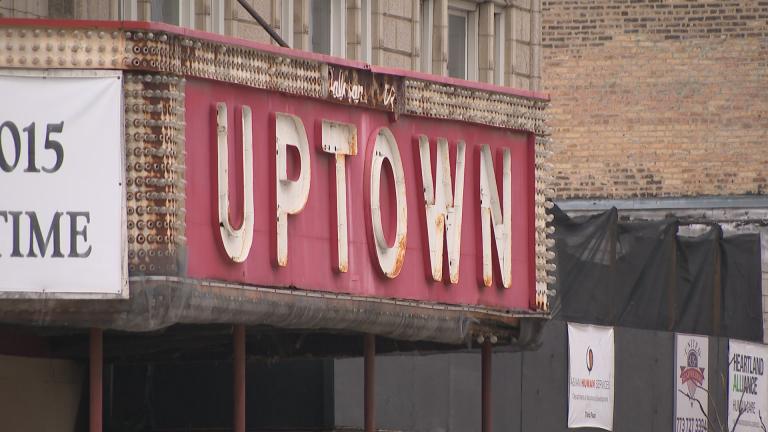
With the announcement of an extended stay-at-home order, an already difficult situation becomes more challenging. We report from Uptown, one of the city’s most diverse neighborhoods, both by income and ethnicity.

The Chicago Youth Centers network serves around 1,400 children, but the coronavirus pandemic has halted its in-person services – and that will have lasting repercussions on families in need, the group says.
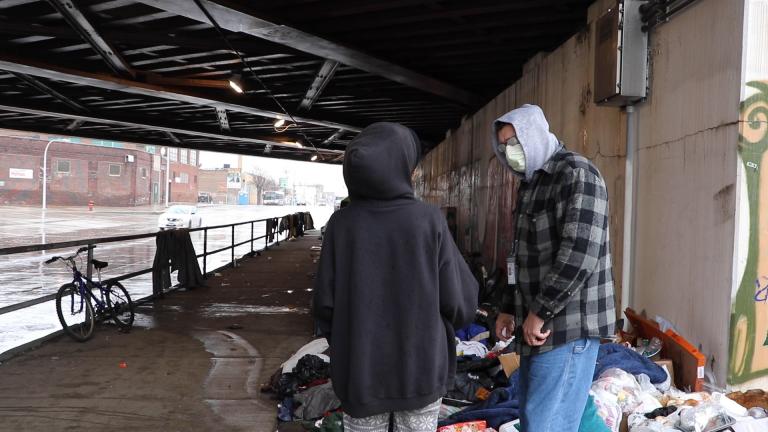
For many homeless people in Chicago, staying safely sheltered and isolated during the coronavirus outbreak simply isn’t an option. How one nonprofit is helping people in need.
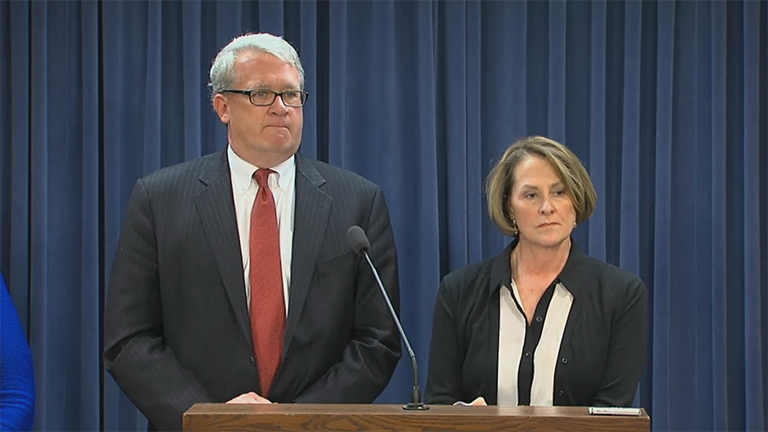
Measure Called a 'Lifeline' for Social Services
State Republican leaders unveiled a $1.3 billion spending plan Thursday that they say will be a “lifeline” for social services and other programs that have struggled financially in the ongoing budget impasse.
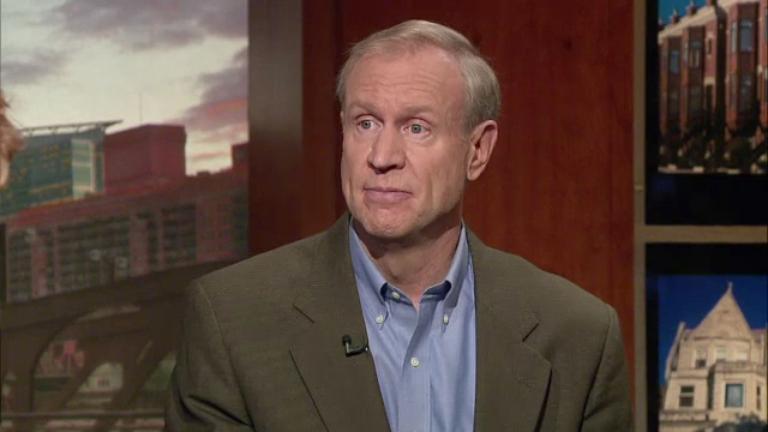
For nearly half of Gov. Bruce Rauner’s term, Illinois has been without a budget. Rauner argues the budget impasse constitutes a state of emergency, which is his rationale for using an obscure rule-making procedure to cut spending and set up stricter eligibility requirements for social services. Amanda Vinicky joins us to discuss the governor’s plans.
Trending
Early Voting for November General Election Kicks Off in Downtown Chicago

Uptown Theatre Added to Open House Chicago, Catch a Rare Glimpse Inside Gilded Jewel

City Lawyers Propose Spending $260.8M to Settle 16 Cases Tied to Disgraced Ex-CPD Detective Guevara

Chicago Must Pay $10.5M to Family of Man Killed by Driver Being Chased by Police: Supreme Court Ruling

Chicago Announces Dedicated Bus Lane on Northbound Michigan Avenue

Sign up for the WTTW News newsletter