

Jobs
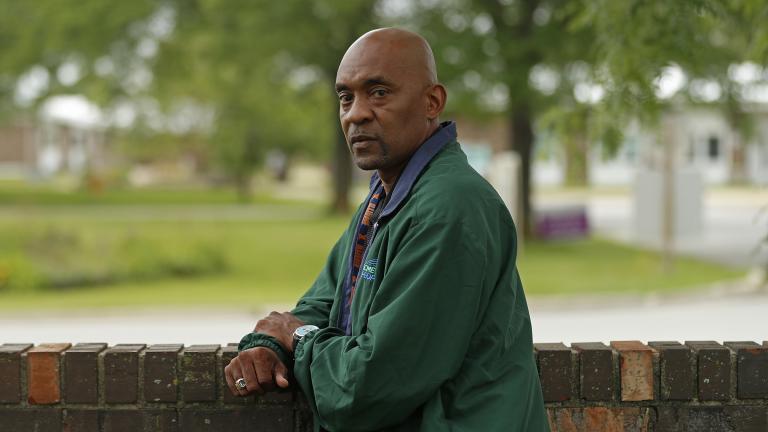
Over the past year, about one-third of U.S. states have used federal COVID-19 relief aid to reward workers considered essential who dutifully reported to jobs during the pandemic. But who qualified for those bonuses — and how much they received — varied widely.
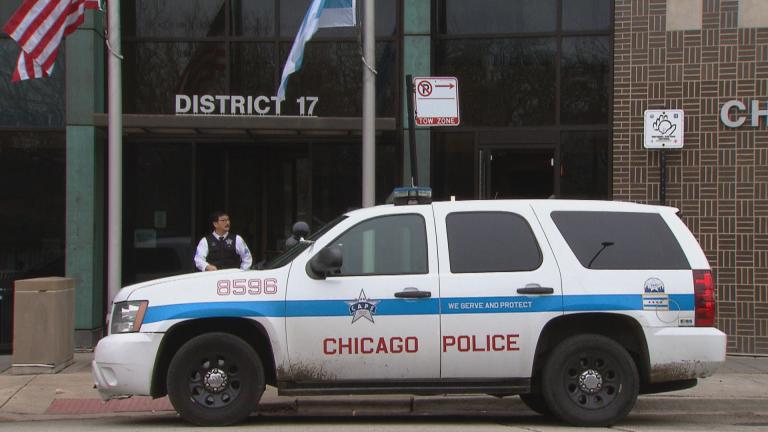

Chicago’s Office of Inspector General found that while Black candidates make up 37% of the initial officer applicant pool, they comprised just 18% of the candidates who were ultimately invited to the CPD’s Police Academy.
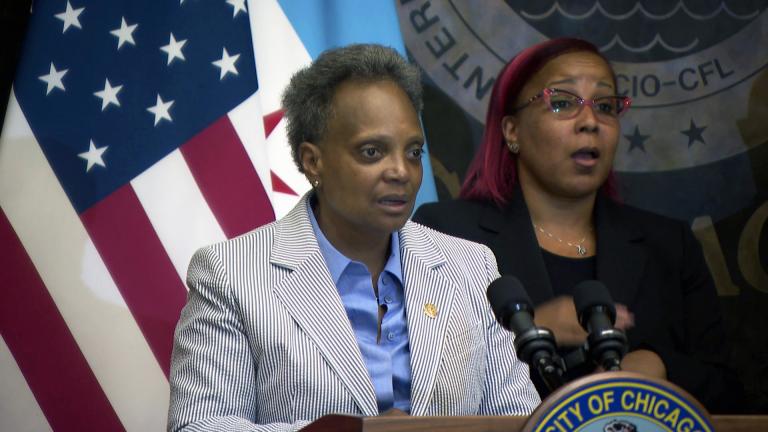
Determined to convince tech companies to trade in views of the Golden Gate Bridge for the City of Big Shoulders, Mayor Lori Lightfoot spent Wednesday and Thursday wooing Silicon Valley entrepreneurs, even as the city reeled from the most violent weekend of 2021.
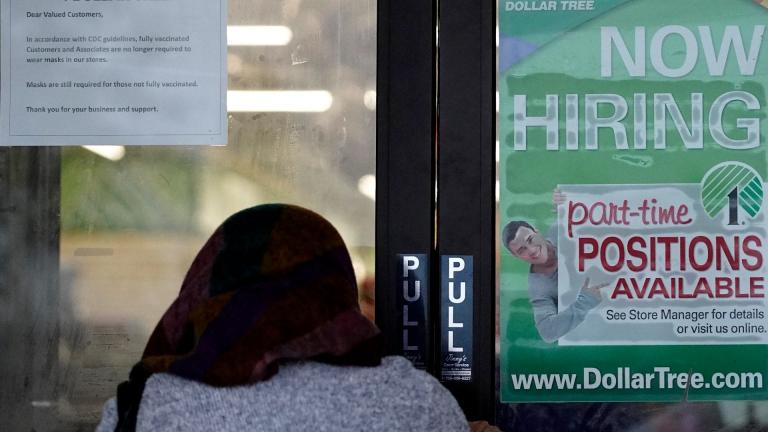
Friday’s report from the Labor Department was the latest evidence that the reopening of the economy is propelling a powerful rebound from the pandemic recession. Restaurant traffic across the country is nearly back to pre-pandemic levels, and more people are shopping, traveling and attending sports and entertainment events.
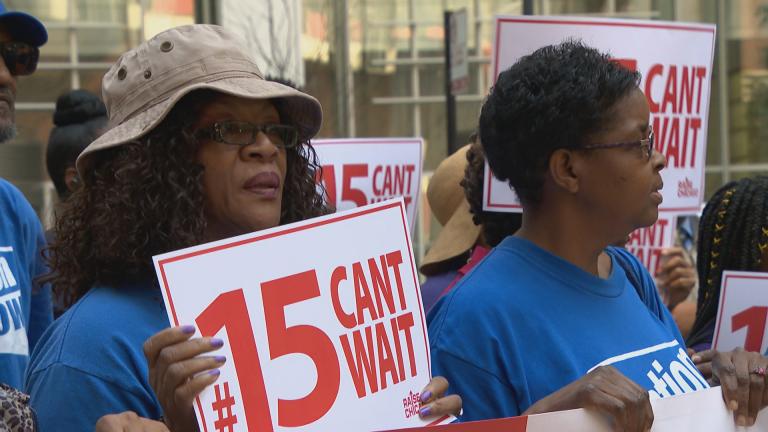
The nationwide Fight For $15 movement pushed the challenges facing Chicago’s lowest-paid workers — who are primarily Black and Latino — to the top of the agenda for city officials.
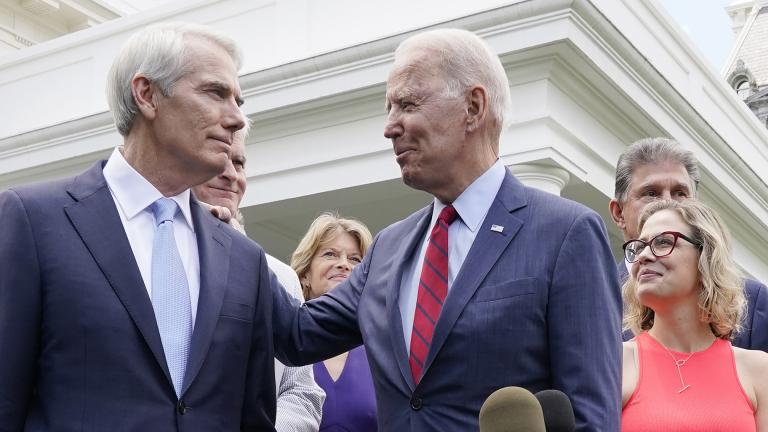
President Joe Biden is hoping to get the bipartisan infrastructure deal on track by highlighting its expected economic benefits, stressing its $973 billion would include the largest investment in transportation in nearly a century and millions of jobs would be created.

Community organizations and state lawmakers are working to make menstrual products more accessible to Illinoisans who need them. We take a look at the issue in our Firsthand: Living in Poverty series.
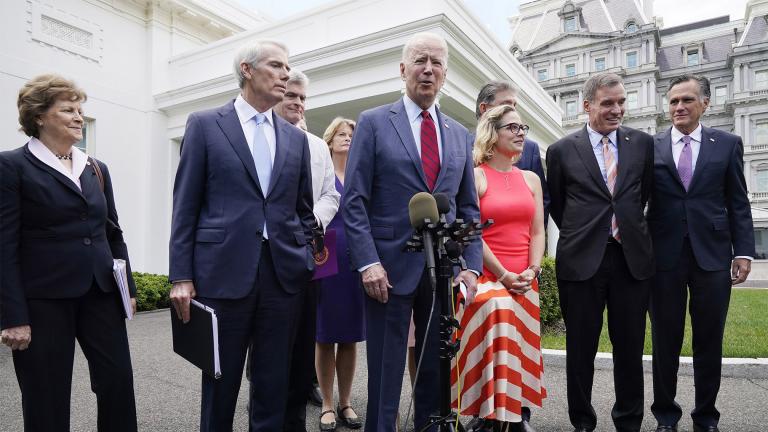
President Joe Biden announced on Thursday a hard-earned bipartisan agreement on a pared-down infrastructure plan that would make a start on his top legislative priority and validate his efforts to reach across the political aisle.
Dozens of talented journalists are leaving the Chicago Tribune after its new owner, Alden Global Capital, offered employees voluntary buyouts. Among those who have announced their departure are some of the newspaper’s most notable columnists.

The COVID-19 pandemic brought Chicago’s nightlife scene to a halt. How businesses are faring — and hoping to rebound — now that the city is fully reopened.
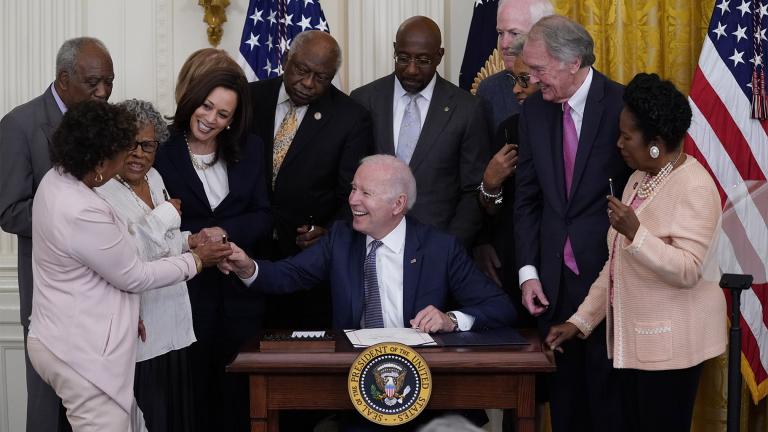
Hundreds of top companies had already pledged last year to observe Juneteenth in the wake of the police killing of George Floyd and the national reckoning on racism that followed.
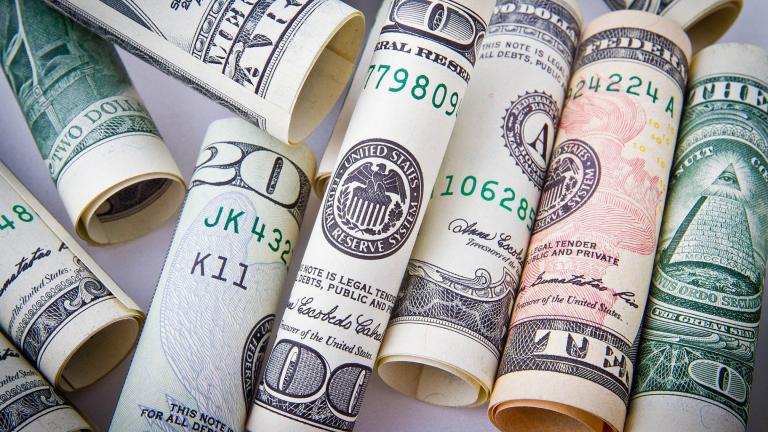
The Federal Reserve has revised its forecast for inflation this year, predicting that core inflation — which doesn’t include the cost of food or gas — could rise to 3.4% by the year’s end. Fed Chair Jerome Powell said that while the economy is growing strongly, the U.S. is still down 7 million jobs.
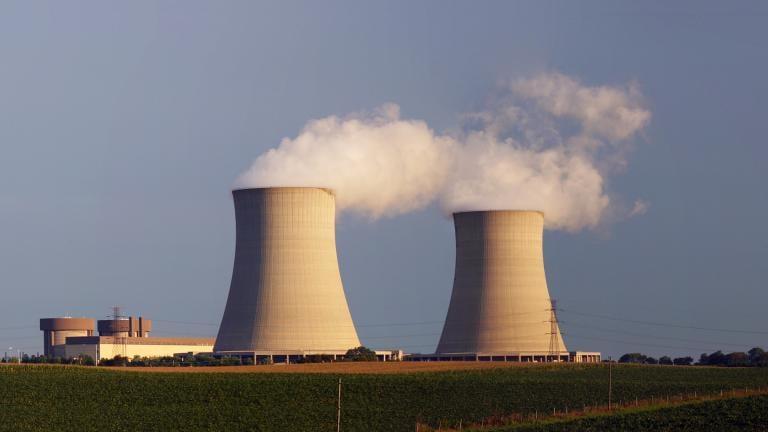
Lawmakers couldn’t clinch a deal on a comprehensive energy package before their regular session ended in May, but were called back to Springfield on Tuesday to try again. Instead, the Senate adjourned once again without taking action.
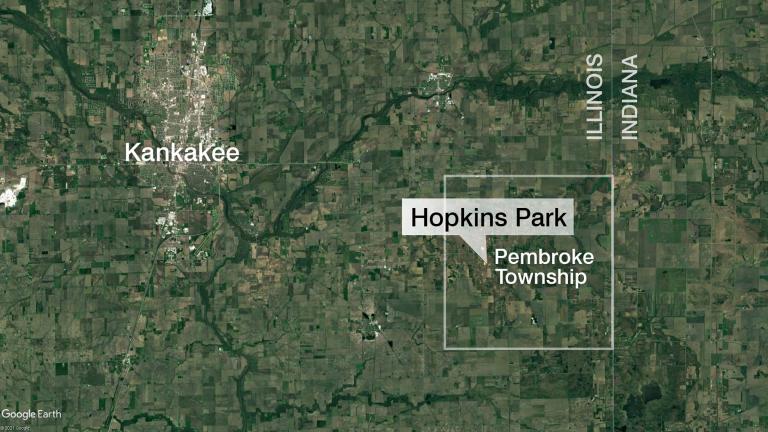
A bill heading to Gov. J.B. Pritzker’s desk would provide funding for a proposed natural gas pipeline in a village outside Kankakee. Supporters say the pipeline could provide economic growth for the area, but others are concerned about the plan’s environmental impact.
Wage theft costs Chicago workers $400 million a year, according to the mayor’s office.
Good news for employees as air travel rebounds. Crain’s Chicago Business editor Ann Dwyer takes us behind the headline of that story and more.
Trending
Republican Ohio Gov. Mike DeWine Denounces Ramaswamy Ad Featuring Democrat Amy Acton’s Estranged Mother

Suspend 4 CPD Officers Who Stopped, Shot Dexter Reed for Violating Rights of 4th Driver: Former Top Cop

Chicago DJ Sam Chatman, Known as the Godfather of Steppin’, Dies at 85

CPD Opens Misconduct Probe Into Members’ Use of License Plate Readers

Whitfield Harrington Jr. on His US Senate Run, Polarizing Politics and Free Community College

Sign up for the WTTW News newsletter