

Jobs


The city and state’s full reopening is a double-edged sword for many in the hospitality and entertainment industry. They wonder: the crowds may be coming back, but will the labor force return?
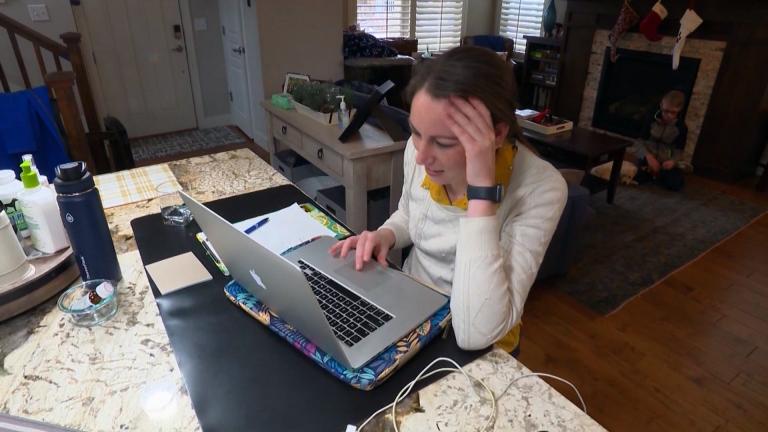
Starting Friday, Chicago and the state of Illinois will fully reopen. It’s a day that many people have longed for, but if you’re experiencing anxiety about a return to something like normal, you’re not alone.
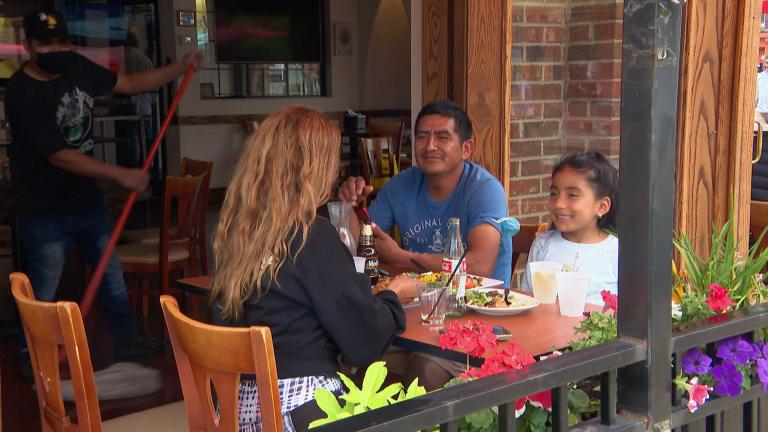
People who are not vaccinated against COVID-19 should continue to wear face coverings in crowded settings and maintain 6 feet of social distance when inside businesses and venues, even after Illinois moves into phase 5 of its reopening plan, according to new guidance.
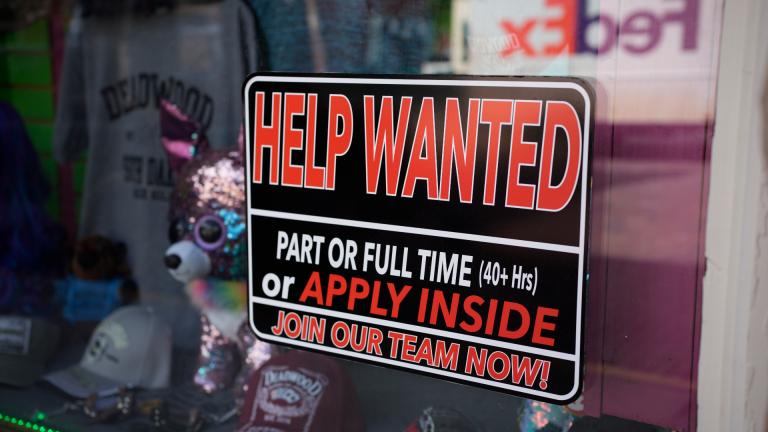
Hiring in the United States picked up in May yet was slowed again by the struggles of many companies to find enough workers to keep up with the economy’s swift recovery from the pandemic recession.
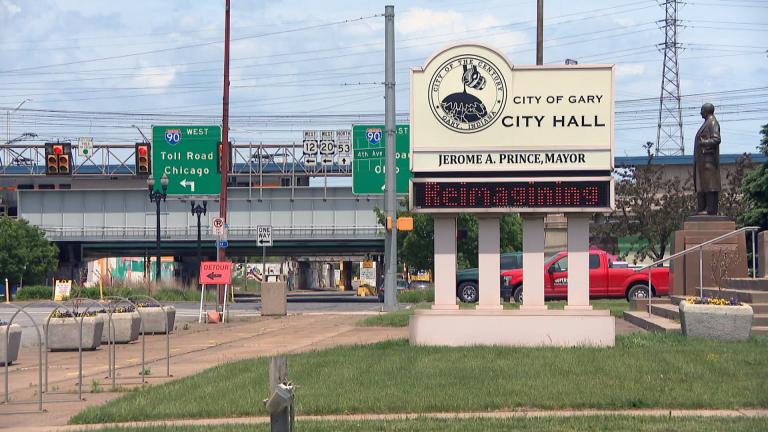
It’s an idea that’s grown increasingly popular in recent years: guaranteed or universal basic income payments. Now, a pilot program is launching just outside Chicago, where more than 100 residents have started to receive monthly payments of $500.
Amazon, the second-largest private employer in the U.S. behind Walmart, is making the change as states legalize cannabis or introduce laws banning employers from testing for it.
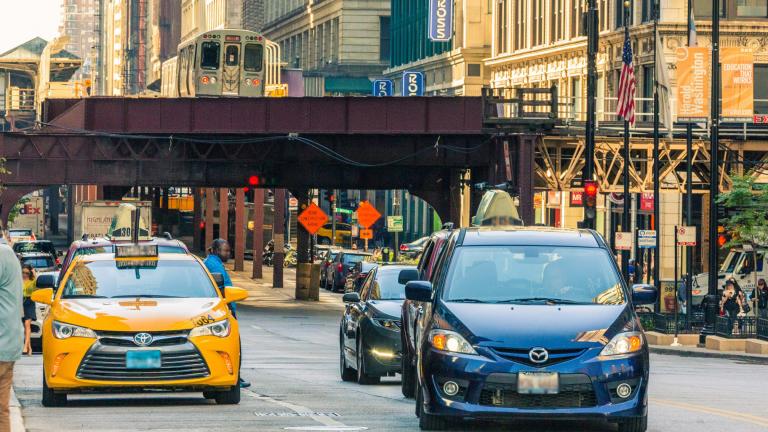
A Chicago alderman wants ride-share companies to cap surge pricing amid a driver shortage, and drivers want Uber and Lyft to do more to keep them safe.
Map outrage, amending the constitution, and an elected school board
With just days left before the General Assembly’s scheduled adjournment on May 31, a lot of legislation is moving in Springfield. But only one constitutional amendment has gained traction.
The last 14 months have been incredibly difficult for Chicago’s usually booming hospitality industry. Though many hotels are still grappling with lower occupancy rates and many employees are still laid off, a recent uptick in travel means things are starting to look up.
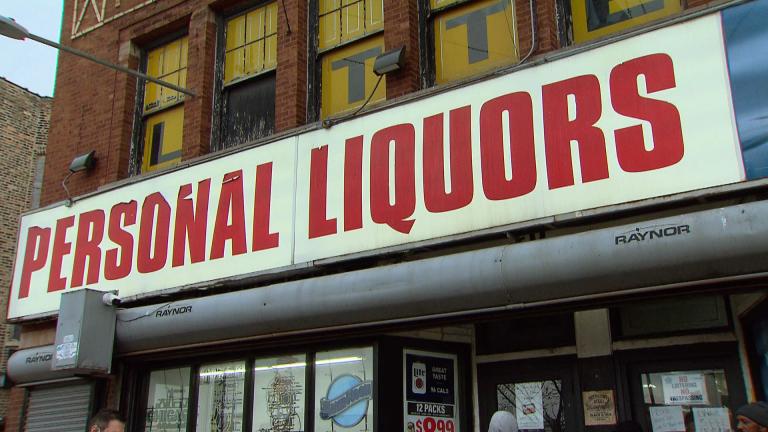
The proposal brought an immediate backlash not just from those who enjoy an impromptu late-night tipple, but business owners who said the rules would push sales outside the city — and give bars and restaurants an unfair advantage over stores.
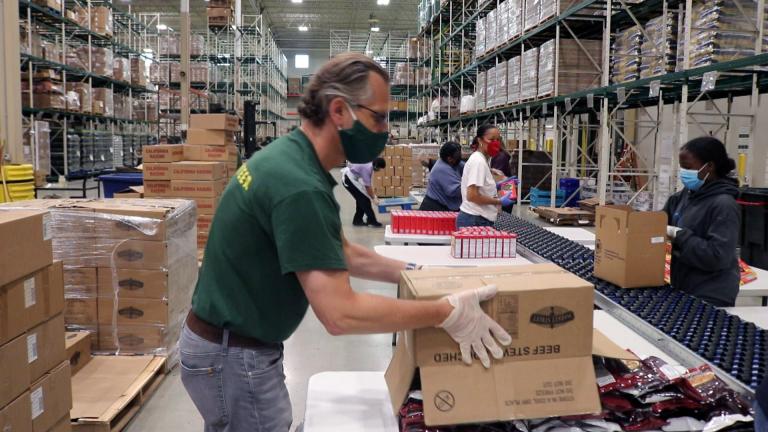
The Greater Chicago Food Depository, which supplies food pantries across the area, says in its more than 40-year history it has never seen a hunger crisis like the one caused by the COVID-19 pandemic. We discuss the issue as part of WTTW’s Firsthand initiative exploring poverty.
The long-awaited reopening of Chicago’s culinary hot spots should come as welcome news. But for the owners of those restaurants, finding the line cooks and servers they need has proven to be a tall order.
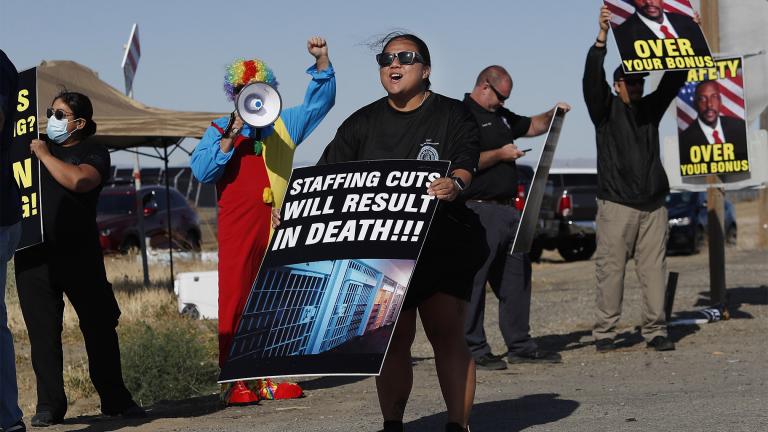
Nearly one-third of federal correctional officer jobs in the United States are vacant, forcing prisons to use cooks, teachers, nurses and other workers to guard inmates.
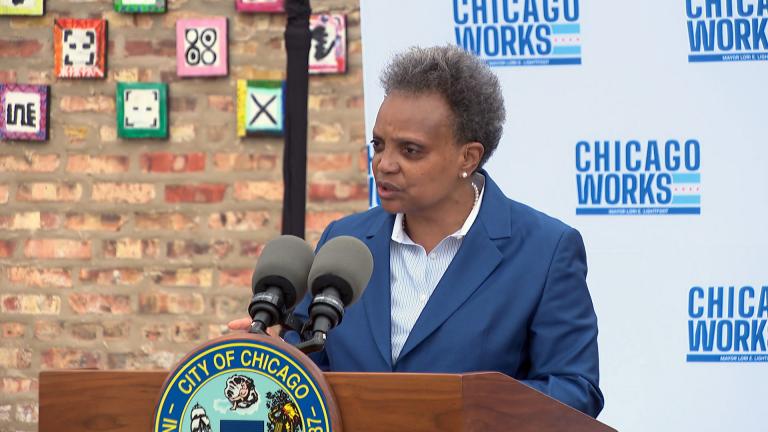
Mayor Lori Lightfoot on Thursday renewed her campaign promise to breathe new life into neighborhoods that have faced decades of disinvestment. And she acknowledged that she felt “despair” at times during the past two years while she confronted the COVID-19 pandemic, civil unrest and an economic meltdown.
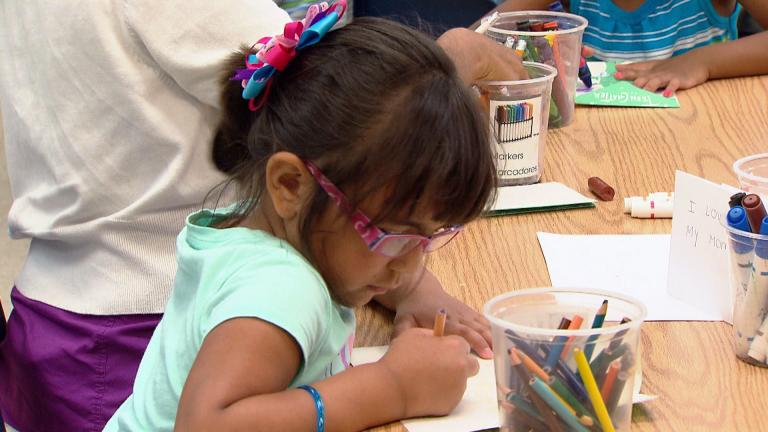
As child care centers and schools closed at the height of the pandemic, parents were left balancing work and caretaking responsibilities while also navigating economic uncertainty. But as child care centers reopen, some families appear slow to enroll their children.
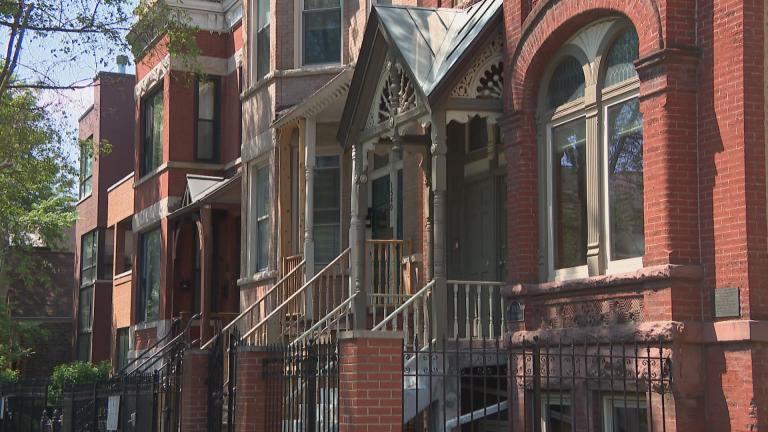
Gov. J.B. Pritzker announced Monday that the state’s ban on evictions caused by the COVID-19 pandemic will be phased out during the next three months before expiring in August.
Trending
Suspend 4 CPD Officers Who Stopped, Shot Dexter Reed for Violating Rights of 4th Driver: Former Top Cop

Chicago DJ Sam Chatman, Known as the Godfather of Steppin’, Dies at 85

CPD Opens Misconduct Probe Into Members’ Use of License Plate Readers

Whitfield Harrington Jr. on His US Senate Run, Polarizing Politics and Free Community College

Johnson Makes Bid for Chicago Mayor Official By Filing Thousands of Signatures

Sign up for the WTTW News newsletter