

invasive species

Scientists in Washington state have discovered the first nest of so-called murder hornets in the United States and plan to wipe it out Saturday to protect native honeybees, officials said.
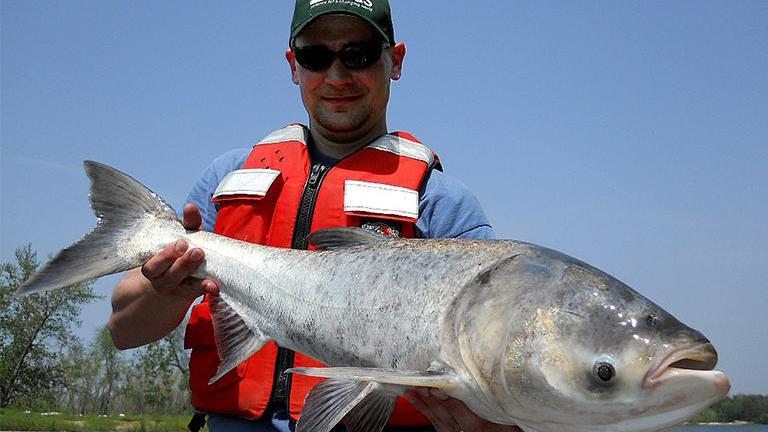
Efforts to increase demand for Asian carp as a food are aimed at buying time for development of a long-term solution to the threat posed by the invasive fish.


More than 200 species of birds have been identified at this small forest preserve, along with hundreds of other living things. We meet up with Jeff Skrentny and several dozen volunteers for a morning of pre-pandemic restoration work.
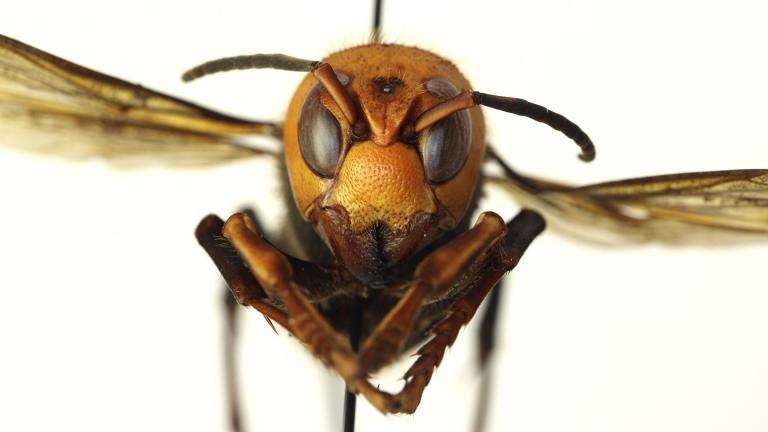
The world’s largest hornet, a 2-inch killer dubbed the “Murder Hornet” with an appetite for honey bees, has been found in Washington state, where entomologists were making plans to wipe it out.
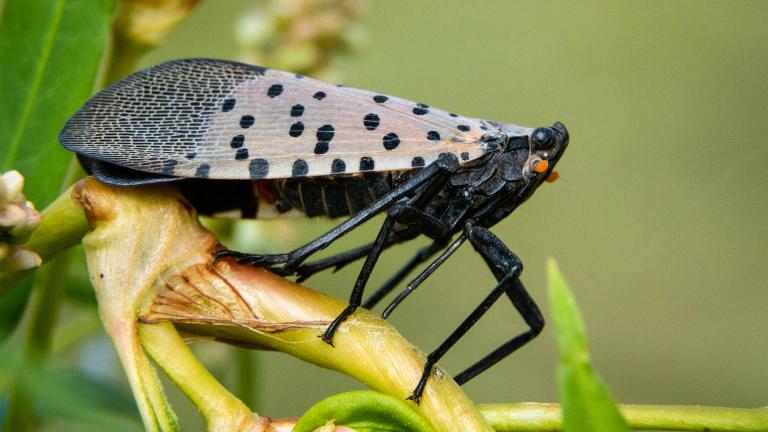
The spotted lanternfly, oak wilt, gypsy moth and boxwood blight are among the latest threats in the plant world. And citizen scientists have a role to play when it comes to stopping the next plague.
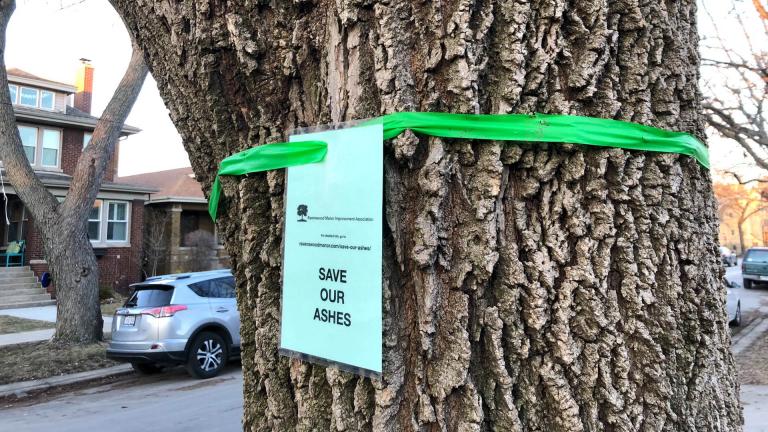
The city has given up on its ash trees, but some Chicagoans refuse to let theirs die.
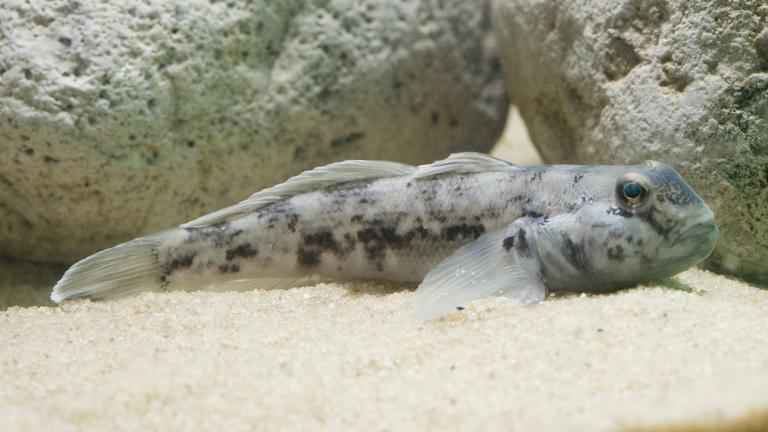
The Great Lakes are home to an estimated 180 invasive species. Freshwater biologist Scott Colburn, who recently joined a research team at the Shedd Aquarium, tells us about the latest efforts to protect Lake Michigan from invasive fish, mussels and more.
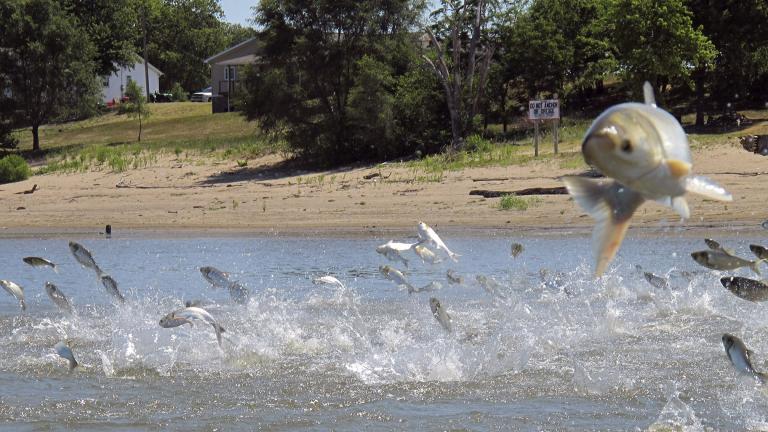
Sport fish have declined significantly in portions of the Upper Mississippi River infested with Asian carp, adding evidence to fears about the invader’s threat to native species, according to a new study.
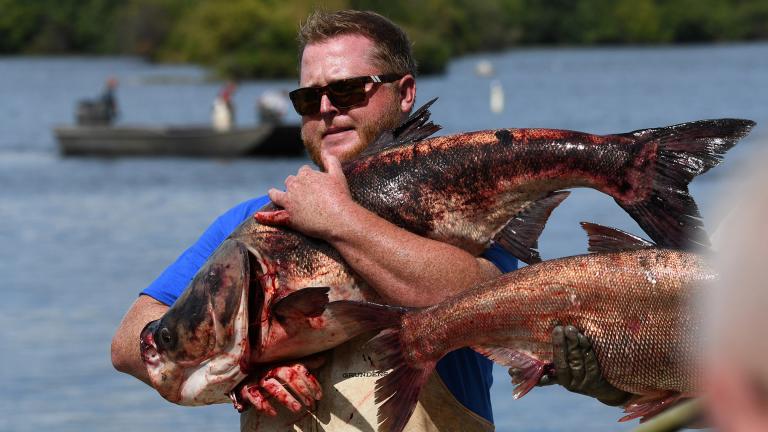
If Asian carp invade the Great Lakes, experts say the fish would have a devastating effect on the marine food chain and the region’s $7 billion fishing industry. We get a look at efforts to keep them out of Illinois waterways.
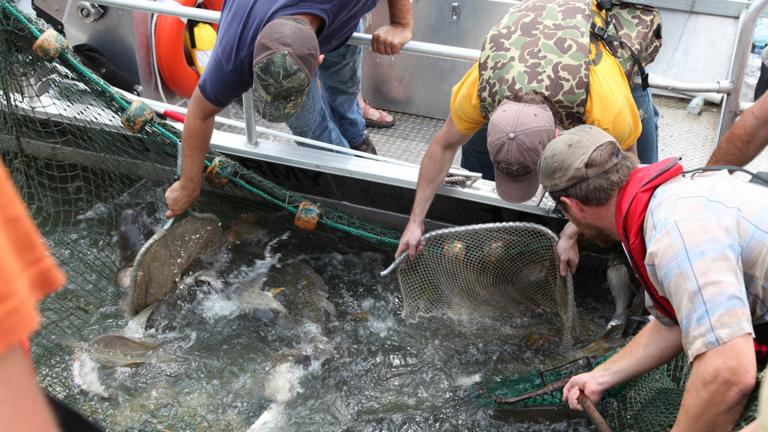
Asian carp will certainly survive and most likely thrive if they are able to make their way into Lake Michigan, according to a study released Monday by the University of Michigan.
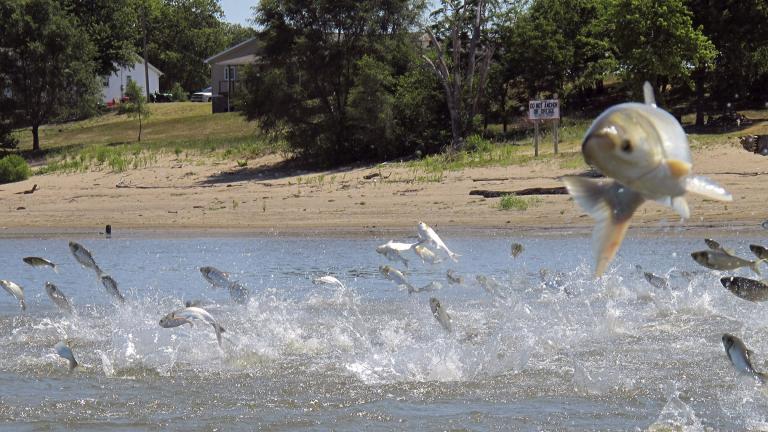
“Our study indicates that the carp can survive and grow in much larger areas of the lake than previous studies suggested,” said Peter Alsip, lead author of the paper.
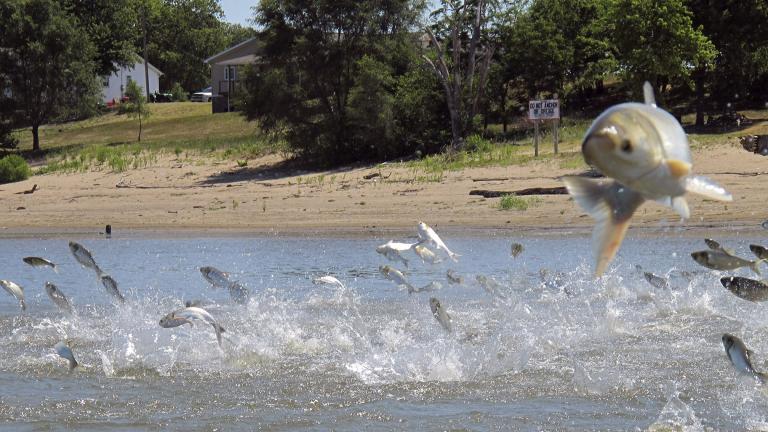
Regional leaders are scheduled to meet in Chicago next month to discuss a plan devised by the U.S. Army Corps of Engineers for preventing invasive Asian carp from reaching Lake Michigan.
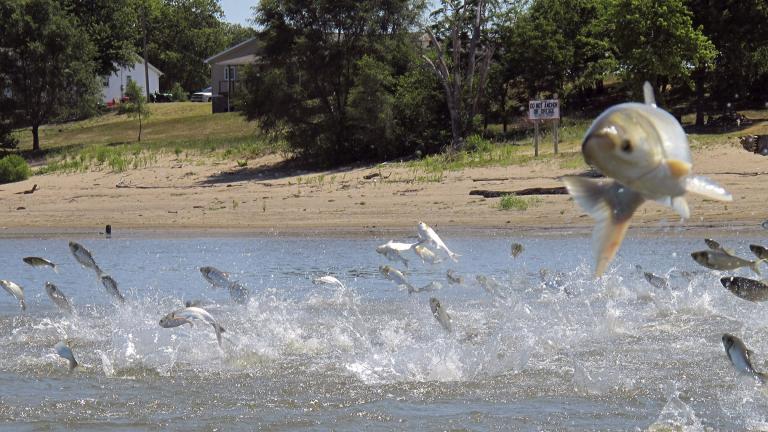
The head of the Army Corps of Engineers has sent Congress a $778 million plan to fortify an Illinois waterway with noisemakers, electric cables and other devices in the hope that they will prevent Asian carp from reaching the Great Lakes.
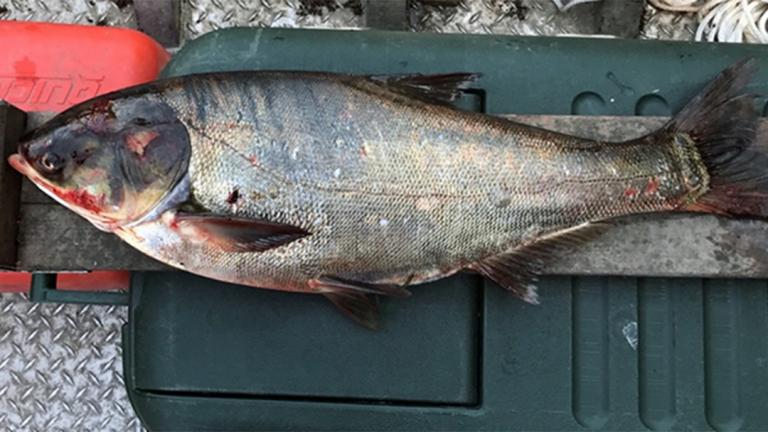
Officials say genetic material from Asian carp has been detected near Lake Michigan, but a follow-up search turned up none of the invasive fish.
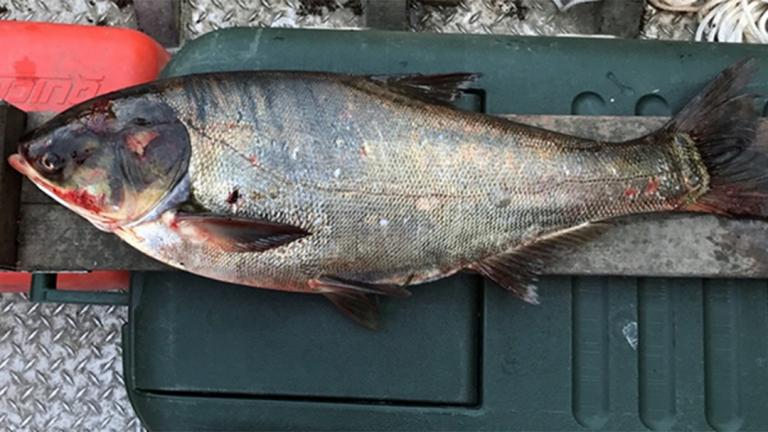
If you can’t beat ‘em, eat ‘em. That’s the apparent strategy behind a new state grant program that will provide funding to companies that harvest and sell Asian carp.

Michigan offered to give Illinois $8 million to keep Asian carp out of the Great Lakes. But Illinois Gov. Bruce Rauner has a different idea about how to spend the money.
Trending
Early Voting for November General Election Kicks Off in Downtown Chicago

Uptown Theatre Added to Open House Chicago, Catch a Rare Glimpse Inside Gilded Jewel

City Lawyers Propose Spending $260.8M to Settle 16 Cases Tied to Disgraced Ex-CPD Detective Guevara

Chicago Must Pay $10.5M to Family of Man Killed by Driver Being Chased by Police: Supreme Court Ruling

Chicago Announces Dedicated Bus Lane on Northbound Michigan Avenue

Sign up for the WTTW News newsletter