

Housing
The City Council’s Zoning Committee voted 13-7 to send the proposal to the full City Council for a final vote, where Alds. Marty Quinn (13th Ward) and Greg Mitchell (7th Ward) used a parliamentary procedure to block a vote until the City Council’s next meeting.

The City Council is set to take a final vote Wednesday on Sterling Bay’s $350 million plan to build two towers of more than 15 stories near the Chicago River.
If approved by the City Council on Wednesday, the measure would weaken the decades-old tradition known as aldermanic prerogative that gives a City Council member the final authority over housing developments in their own wards.
It is unclear whether Mayor Brandon Johnson has enough political muscle to convince at least 25 alderpeople to buck the tradition that calls on them to mind their own business and vote along with the alderperson whose ward includes the project.
With the endorsement of the City Council’s License and Consumer Protection Committee, the measure is set for a final vote by the full City Council on June 18.

Amid rising costs and threats to federal housing grants, Chicago is facing a shortfall of nearly 120,000 affordable housing units. Mayor Brandon Johnson’s new Green Social Housing initiative aims to address that shortage by creating a city-owned nonprofit housing developer.
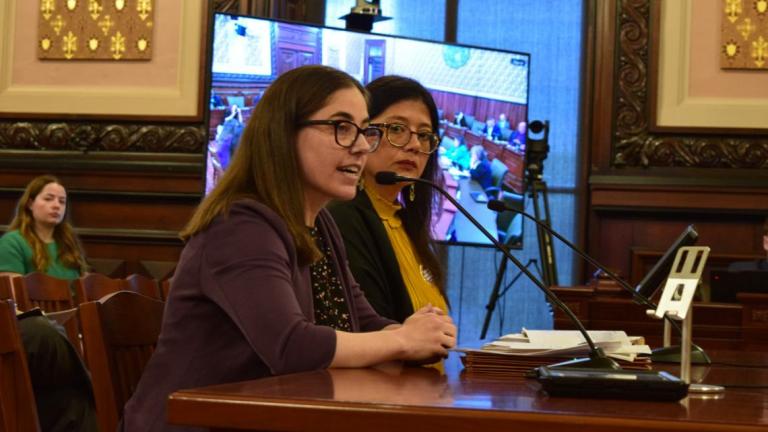
A Senate committee on Wednesday advanced a measure aiming to limit the circumstances under which tenants can be evicted due to local “crime-free housing” ordinances.
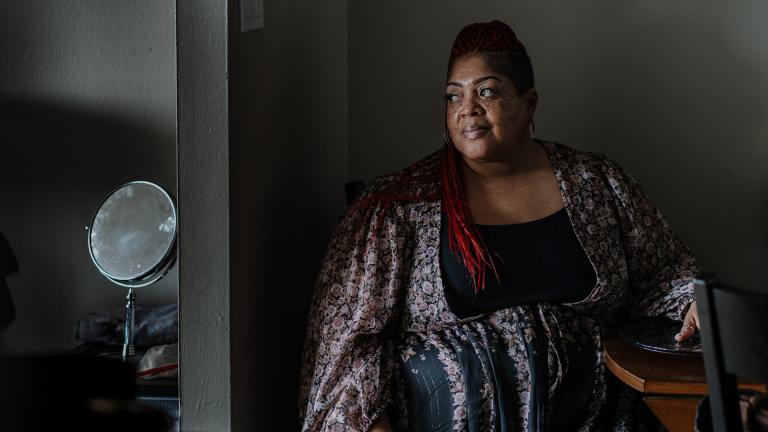
An investigation by The New York Times and the Illinois Answers Project shows that many cities in Illinois have turned crime-free housing programs into a blunt instrument to oust families for virtually any alleged infraction, no matter how minor.
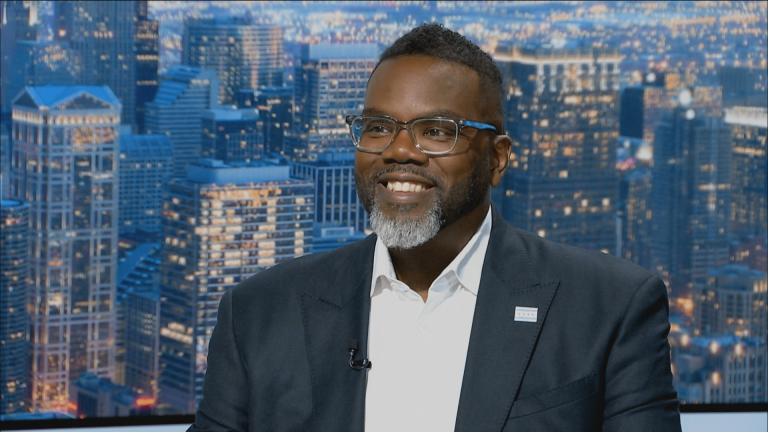
Despite Chicago Mayor Brandon Johnson’s trademark optimism, the unrelenting turmoil of the past two years, and his missteps in handling problems both new and old, has weakened his political standing, ensuring that if he runs for and wins a second term in office in 2027, he will have to do it the same way he won the first time: as an underdog.
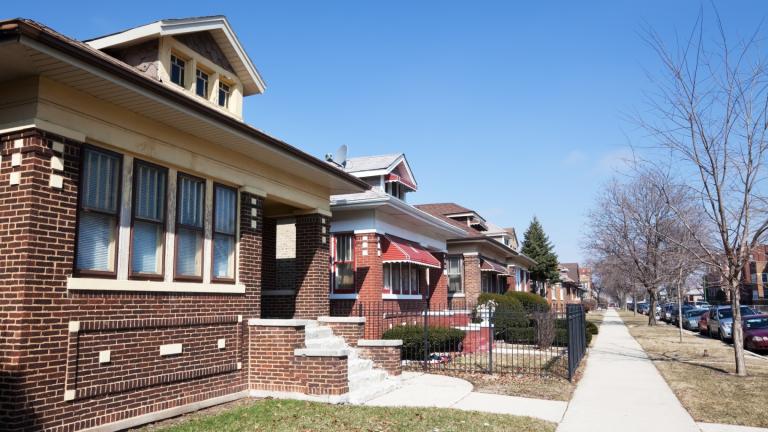
Chicago faces an affordable housing shortfall of more than 119,000 units, and more than half of Chicagoans spend more than 30% of their income on rent and utilities, making them burdened by housing costs.
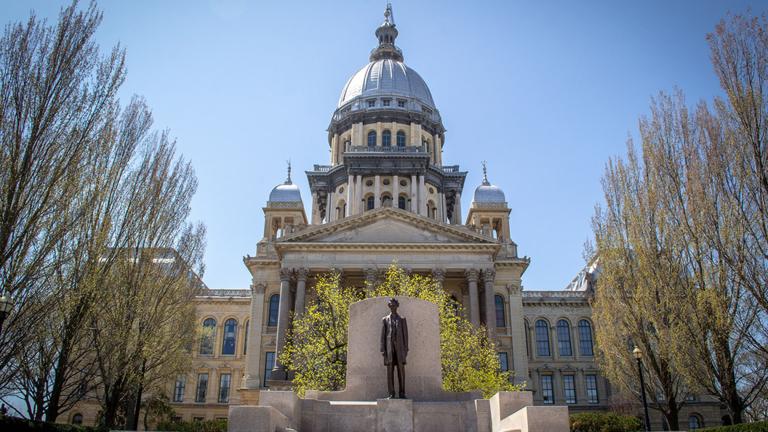
“Housing is obviously unaffordable for everyone, but it is especially the case for people who have records,” said Ahmadou Dramé, director of the Illinois Justice Project. “Without a stable place to live, you can’t begin to triage all the other challenges that a person has to be navigating.”
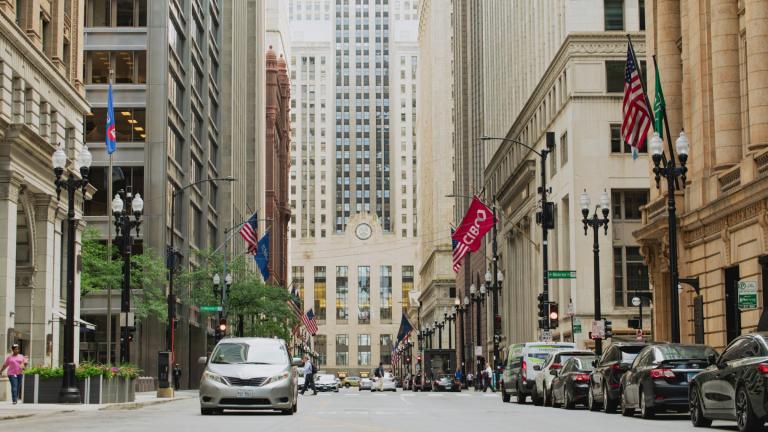
A final vote on both proposals, which would create 104 units of affordable housing, by the full City Council is set for Wednesday.
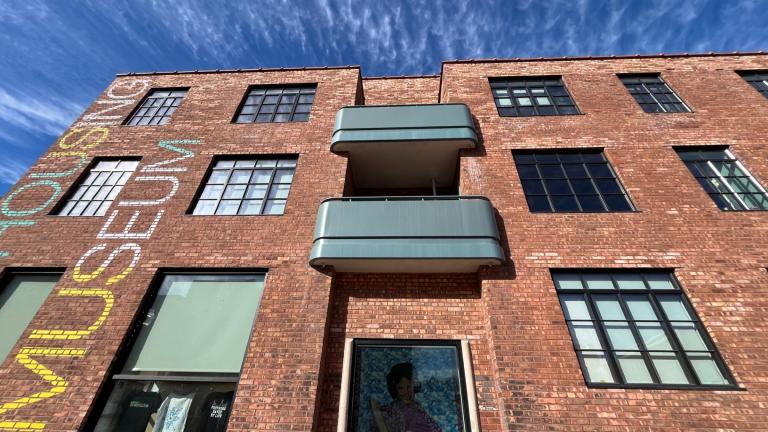
Chicago is now home to the National Public Housing Museum, a first of its kind institution created alongside people who’ve lived in public housing.
Even after a four-hour hearing, several alderpeople said they were not prepared to vote on the proposal designed to leverage the city’s financial power to build what the city calls “green social housing,” permanently affordable, mixed-income and environmentally sustainable housing.
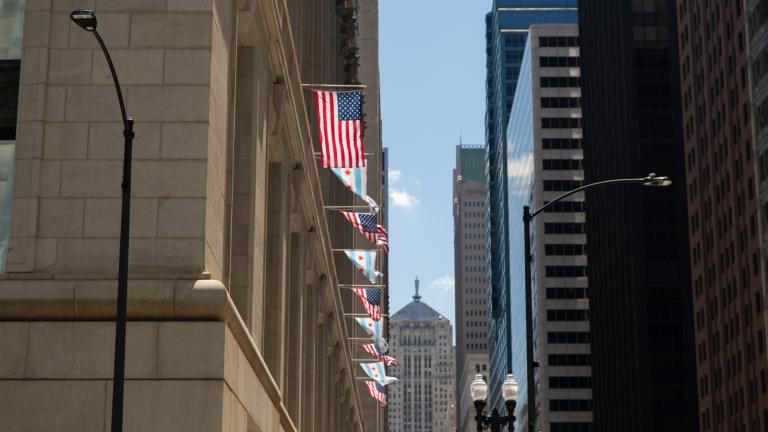
A joint session of the Housing and Finance committees on Wednesday will consider the proposal to leverage the city’s financial power to build permanently affordable, mixed-income and environmentally sustainable housing.
As part of the program, the city provides repairs, and homeowners are not required to pay back any repair costs. Registration for a chance to apply begins at 9 a.m. Monday, March 10, and runs through 5 p.m. Friday, March 21.
Trending
Who Is Running, or Thinking About Running, to Become Chicago’s Next Mayor

Suspend CPD Officers, Sergeant Repeatedly Accused of Making Improper Traffic Stops for a Combined 330 Days: Police Brass

Johnson’s Debt Refinancing Plan Results in Just Half of What He Promised, Forcing Officials to Scramble to Fill Budget Gap

Addiction Recovery Clinic Sees Increase of 7-OH Patients as Feds Seek to Crack Down on the Opioid-Like Drug

No Tax Hikes or Layoffs Needed to Close Cook County’s $550M Gap Thanks to ‘Budget Magic’: Preckwinkle

Sign up for the WTTW News newsletter