

Economy
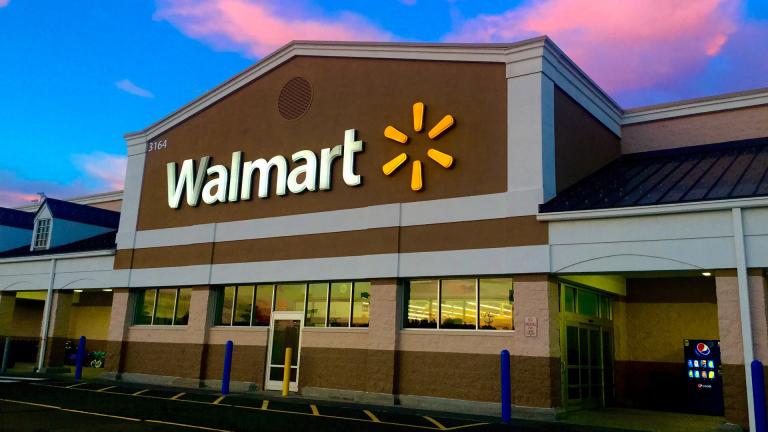
"We believe in the future of Chicago," Walmart CEO Doug McMillon said.
Chicago’s annual summer jobs program will include a new youth service corps charged with helping the city respond to the coronavirus pandemic, Mayor Lori Lightfoot announced Friday.

Gov. J.B. Pritzker is again facing legal action for allegedly exceeding his executive authority in reaction to the coronavirus crisis.
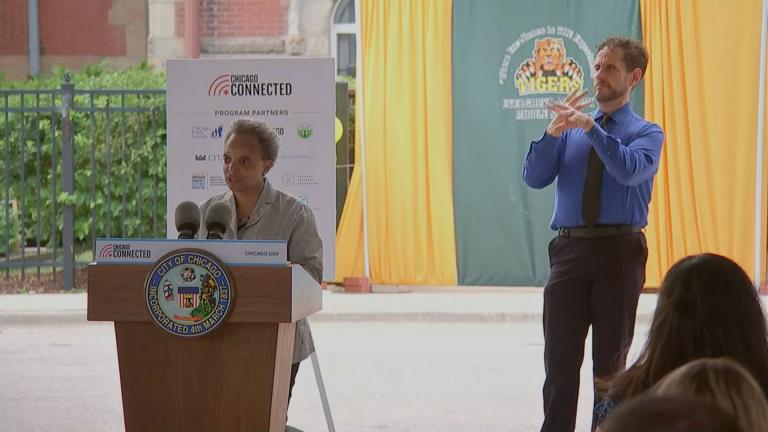
With the possibility of remote learning returning this fall, Mayor Lori Lightfoot on Thursday announced the launch of a $50 million program that will provide free high-speed internet to students over the next four years.
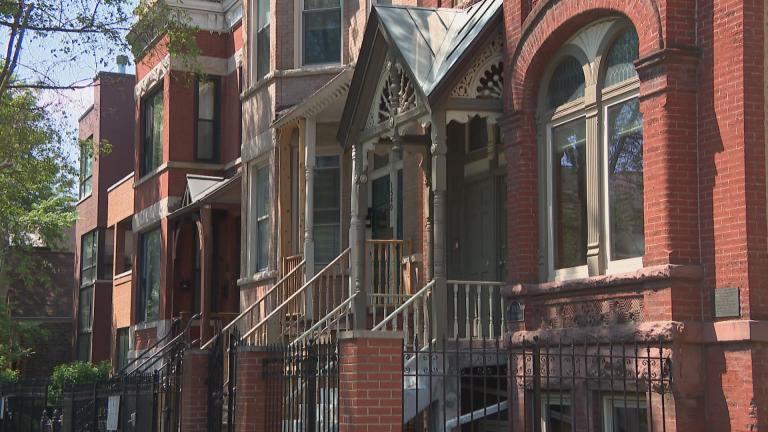
We discuss the alarming findings of a recent report by City Bureau and WBEZ that analyzed home lending data in Chicago from 2012 to 2018.
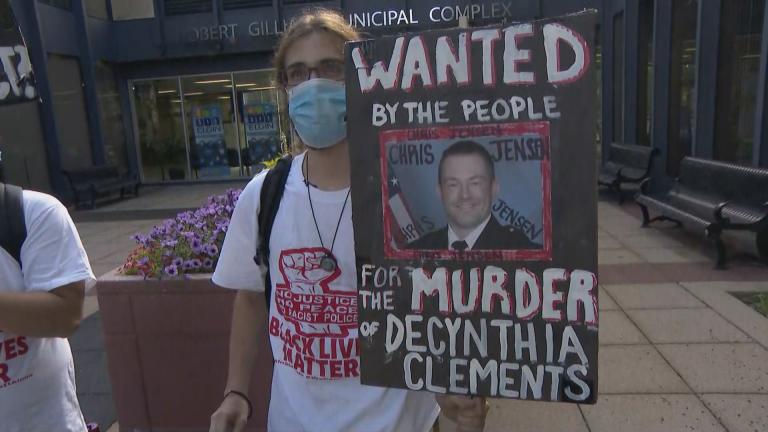
The west suburban city is preparing to ramp up its reopening as the state moves into phase four on Friday. At the same time, Elgin is facing unrest of its own over a police-involved shooting in 2018.
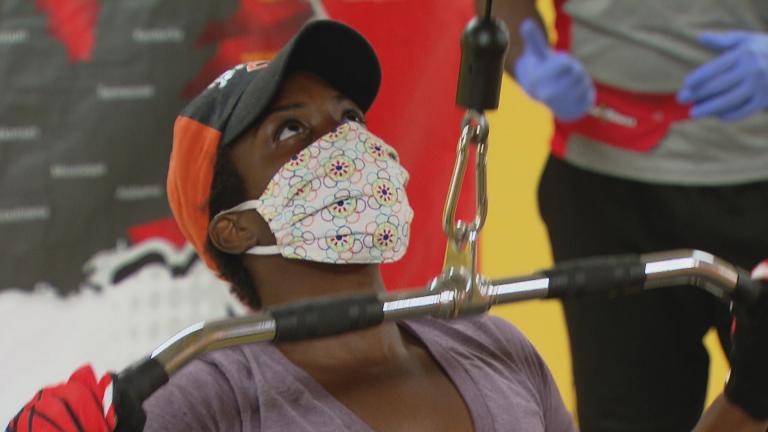
It’s been 95 long days since the treadmills and weight benches of Chicago’s fitness centers fell silent thanks to the COVID-19 pandemic. But this Friday, gyms in Illinois will be allowed to reopen.
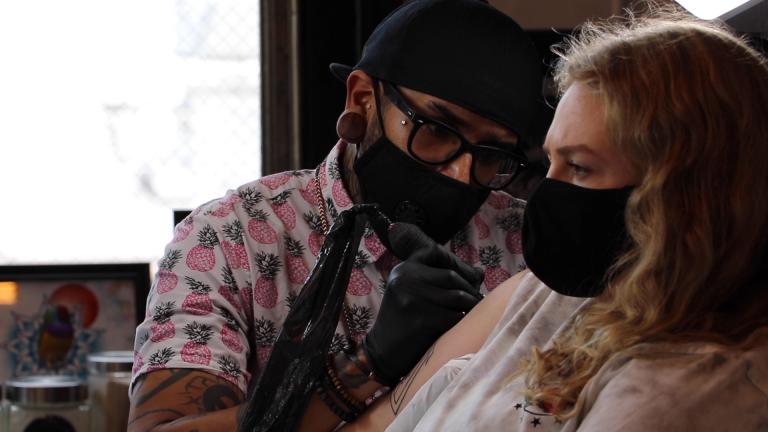
When Chicago tattoo parlors shut down in mid-March, the artists at Speakeasy Custom Tattoos were already booked up through June. How they — and their customers — are staying safe during the pandemic.
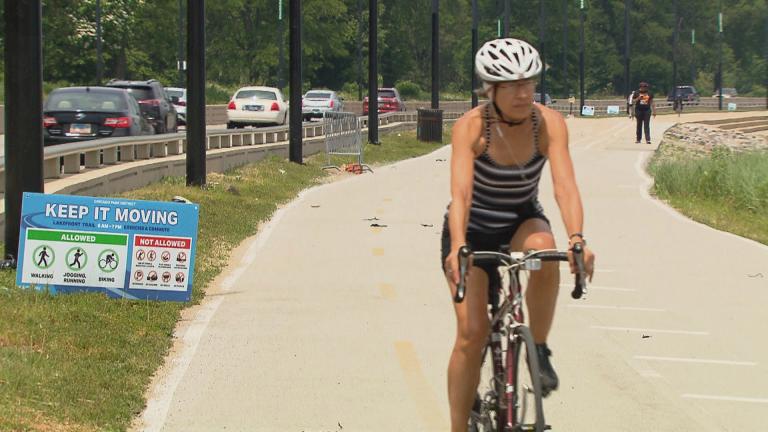
Chicago’s lakefront trail officially reopened Monday after the city closed it down in March in an effort to reduce the spread of COVID-19. We visit the lakefront and see how the Edgewater community is gearing up for phase four.
Illinois is on track to move into phase four of Gov. J.B. Pritzker’s reopening plan on Friday, but the state faces a huge challenge in reviving its pandemic-stricken economy and putting people back to work.
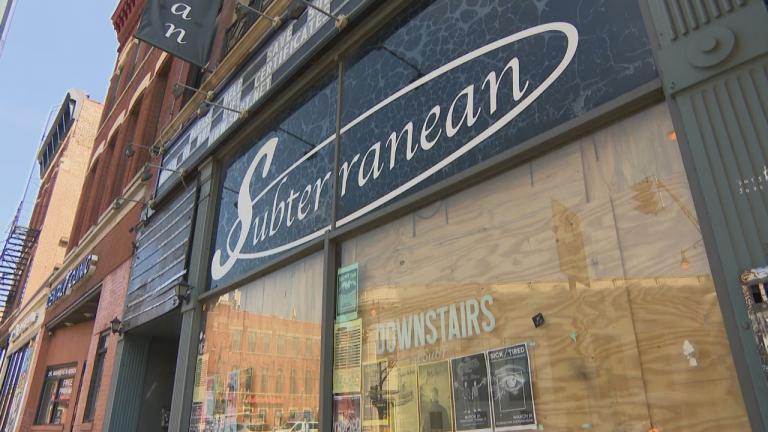
As Chicago prepares to move into phase four of its reopening plan, playgrounds and pools remain closed, and small music venues are still shuttered, with no end in sight.
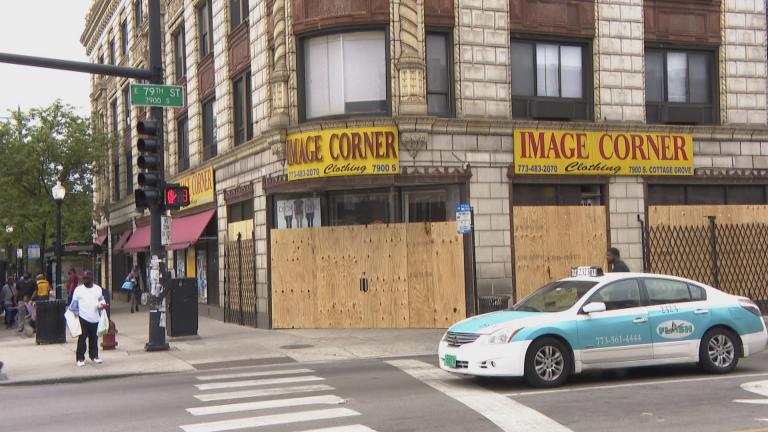
Small businesses struggling to stay afloat during the coronavirus pandemic and recover from unrest touched off by police brutality protests can apply for grants starting Saturday, city officials announced.
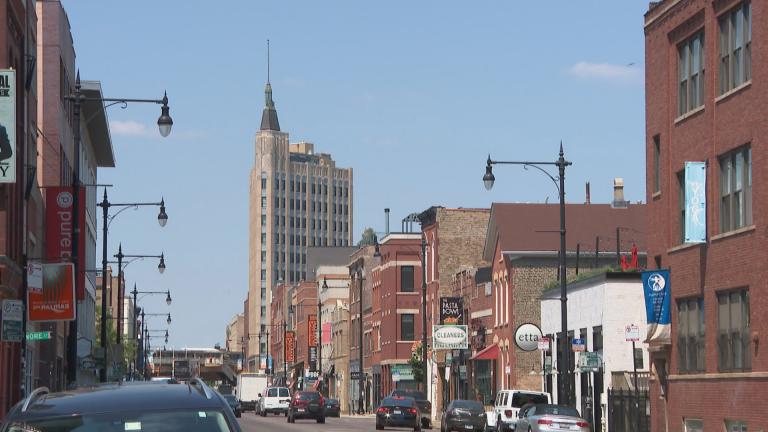
Like many other commercial corridors across the city, Milwaukee Avenue suffered extensive damage just as businesses were about to start welcoming shoppers inside once again.

Bars, lounges, taverns and brewery taprooms — basically any establishment that serves alcohol on-site, but not food — will be allowed to reopen Wednesday, with a whole slew of caveats.
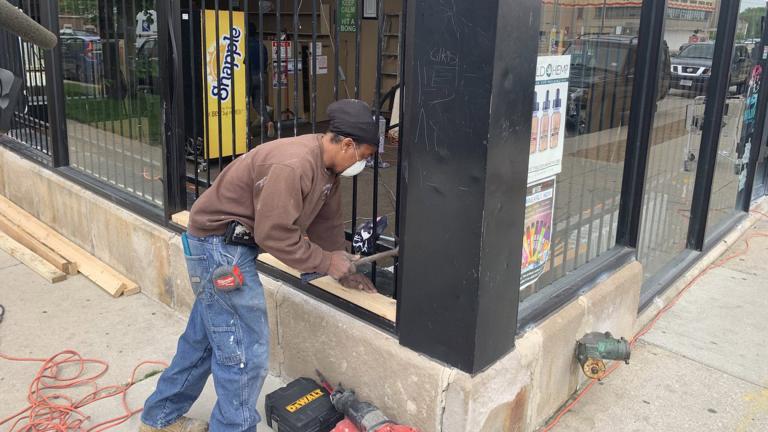
Funding will be used to support communities and businesses disproportionately impacted by the coronavirus and the unrest following the death of George Floyd while in Minneapolis police custody, Gov. J.B. Pritzker said.
Aldermen signed off on Mayor Lori Lightfoot’s plan to spend $1.13 billion in federal funds designed to help the city cover the cost of responding to the coronavirus pandemic.
Trending
Who Is Running, or Thinking About Running, to Become Chicago’s Next Mayor

Suspend CPD Officers, Sergeant Repeatedly Accused of Making Improper Traffic Stops for a Combined 330 Days: Police Brass

No Tax Hikes or Layoffs Needed to Close Cook County’s $550M Gap Thanks to ‘Budget Magic’: Preckwinkle

Hilario Dominguez, Candidate for CPS Board President, Defends Conduct as Watchdog Reopens Probe Into Inappropriate Behavior Allegations

Johnson’s Debt Refinancing Plan Results in Just Half of What He Promised, Forcing Officials to Scramble to Fill Budget Gap

Sign up for the WTTW News newsletter