

Economy


Tuesday marks the beginning of a payroll tax holiday — but don’t get too attached to the extra cash. It’s due back in April. Here’s what you need to know.

City officials Tuesday defended their efforts to help Chicago’s small businesses struggling to stay afloat during the coronavirus pandemic and recover from unrest touched off by police brutality protests, even though only 20% of a $100 million loan fund has been spent.

Restaurants, bakeries and other food- and beverage-related businesses have banded together to encourage customers to support enterprises run by women, starting Tuesday.

Chicago’s second-largest hotel is hit with a $338 million foreclosure lawsuit, proving it's not immune from the pandemic’s effects on the hospitality industry.

Illinois’ minimum wage increased from $9.25 to $10 in July, despite a request from business owners to delay the hike during a pandemic. But for employers whose take-home pay is largely dependent on tips, the minimum wage is $6.
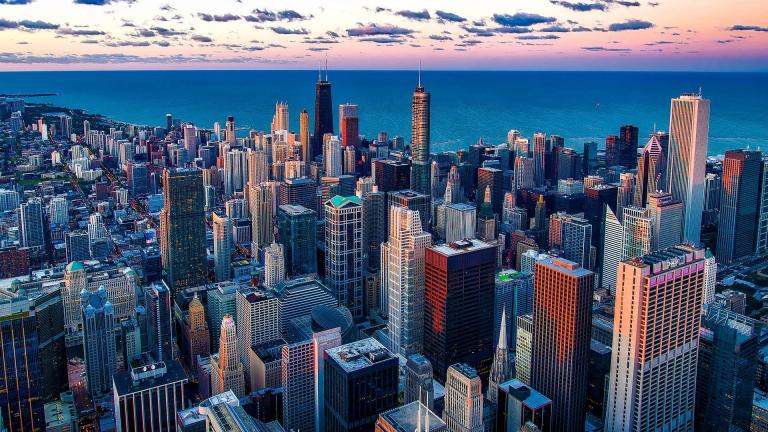
On top of that colossal shortfall, the city’s financial picture worsened significantly during the past three months because of an “economic catastrophe caused by the coronavirus pandemic,” according to Mayor Lori Lightfoot.
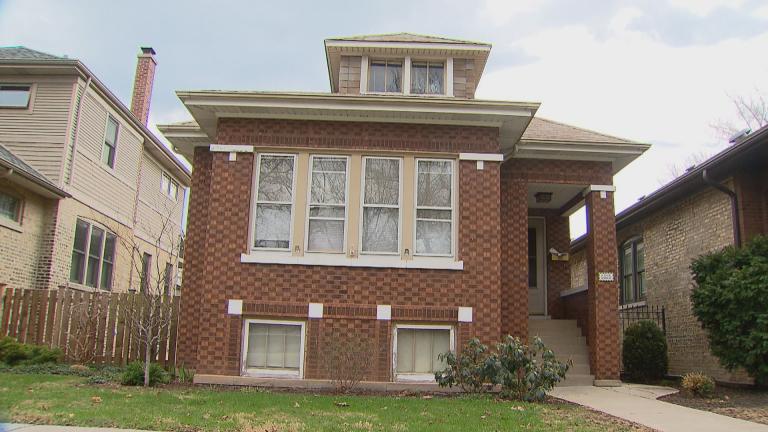
Thousands of Chicagoans who lost their jobs or found their paychecks scaled back because of the coronavirus pandemic asked the city for help paying their rent or mortgages, officials said.
In June, Mayor Lori Lightfoot announced the pandemic had blown a $700 million hole in the city’s budget, the last time she gave a detailed update on the city’s finances.
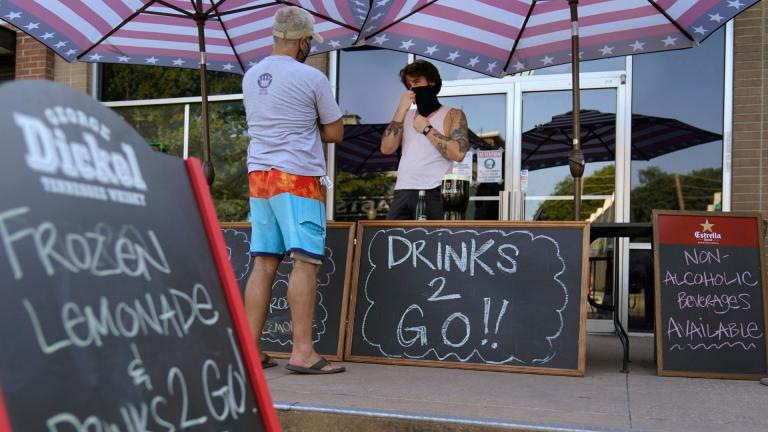
The coronavirus is shaking up America’s liquor laws. At least 33 states and the District of Columbia are temporarily allowing cocktails to go during the pandemic.
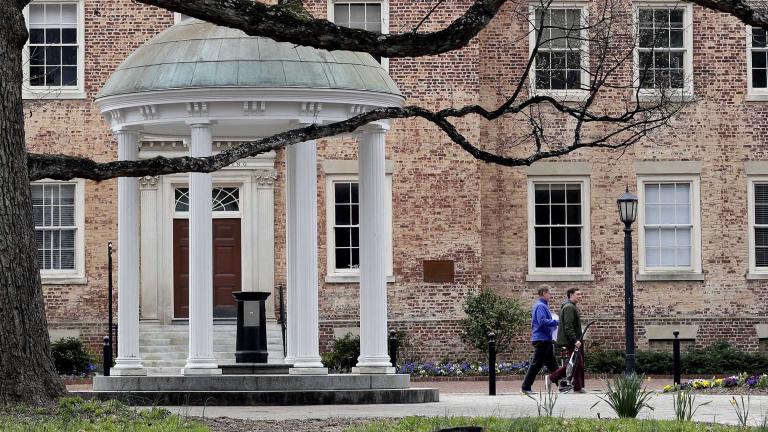
As more universities decide to keep classes online this fall, it’s leading to conflict between students who say they deserve tuition discounts and college leaders who insist remote learning is worth the full cost.

Businesses that saw their revenue drop by at least 25% during the pandemic can apply for grants of up to $4,000 to cover operating costs, city officials said.
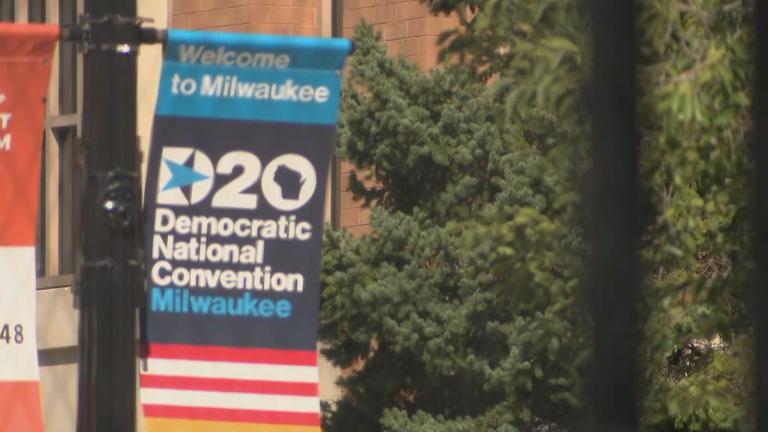
Thursday marks the final night of the 2020 Democratic National Convention – and nominee Joe Biden is in Delaware instead of Milwaukee, which had been chosen as the party’s host city.
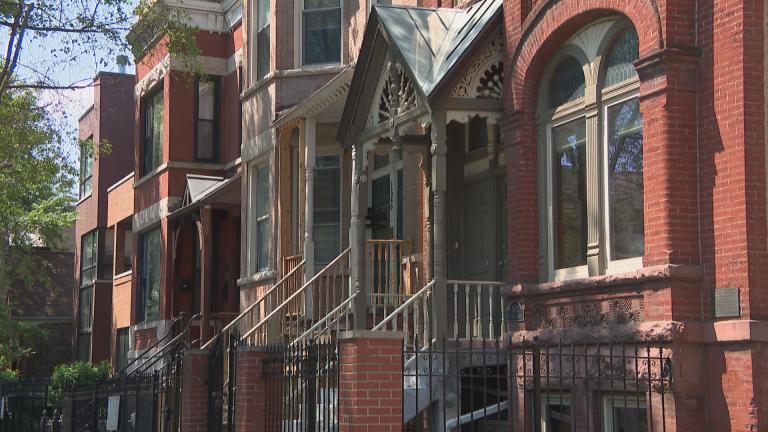
Gov. J.B. Pritzker will extend Illinois’ ban on evictions for another month, as warnings of a tsunami of looming evictions grow louder. The ban is now set to expire Sept. 22, according to Pritzker spokesperson.
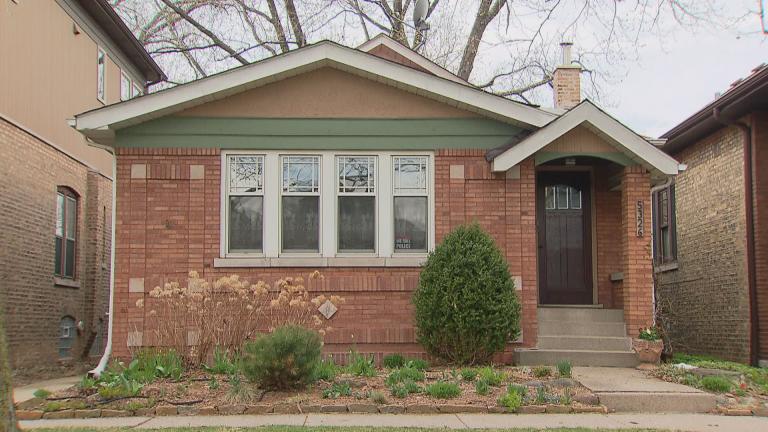
Cook County Treasurer Maria Pappas talks about the disparities in delinquent houses and how she’s working to reduce the problem.

A new survey shows how consumer attitudes about using ride-hailing and delivery services have changed. It also highlights a wealth divide, where Americans with higher incomes are able to utilize the services to help reduce their risk of infection.
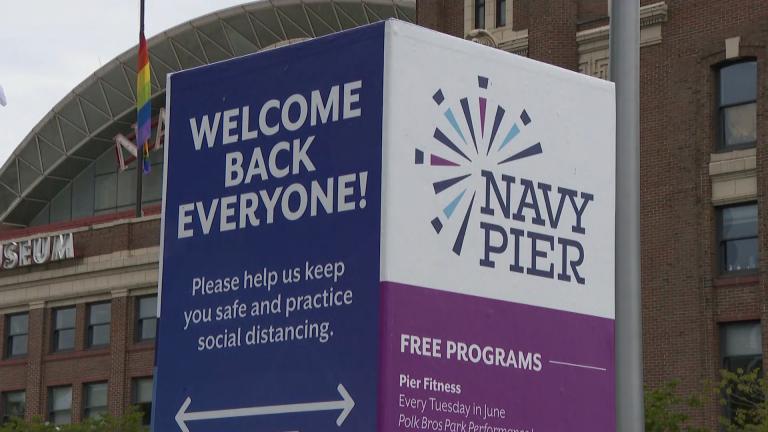
Unlike the pier’s shutdown for several months in the spring due to government orders driven by the coronavirus pandemic, directors of Navy Pier are this time choosing to close the cultural attraction for economic reasons.
Trending
Who Is Running, or Thinking About Running, to Become Chicago’s Next Mayor

Suspend CPD Officers, Sergeant Repeatedly Accused of Making Improper Traffic Stops for a Combined 330 Days: Police Brass

No Tax Hikes or Layoffs Needed to Close Cook County’s $550M Gap Thanks to ‘Budget Magic’: Preckwinkle

Hilario Dominguez, Candidate for CPS Board President, Defends Conduct as Watchdog Reopens Probe Into Inappropriate Behavior Allegations

Johnson’s Debt Refinancing Plan Results in Just Half of What He Promised, Forcing Officials to Scramble to Fill Budget Gap

Sign up for the WTTW News newsletter