

Economy
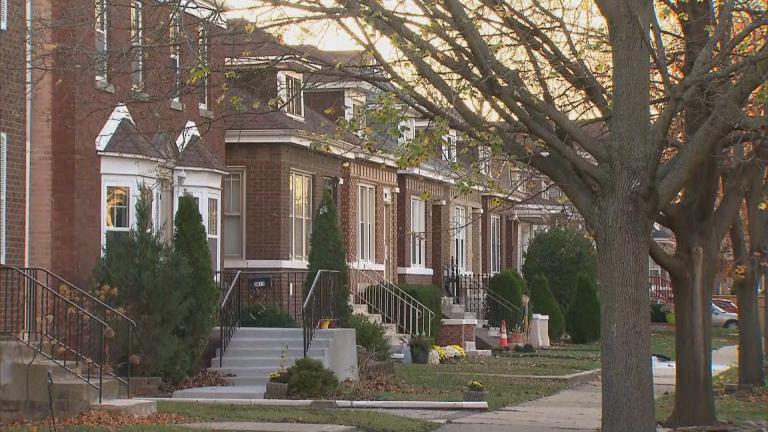

A 25-minute drive southwest of the Loop, the West Lawn community is home to many essential workers and has one of the highest rates of COVID-19 in the city.
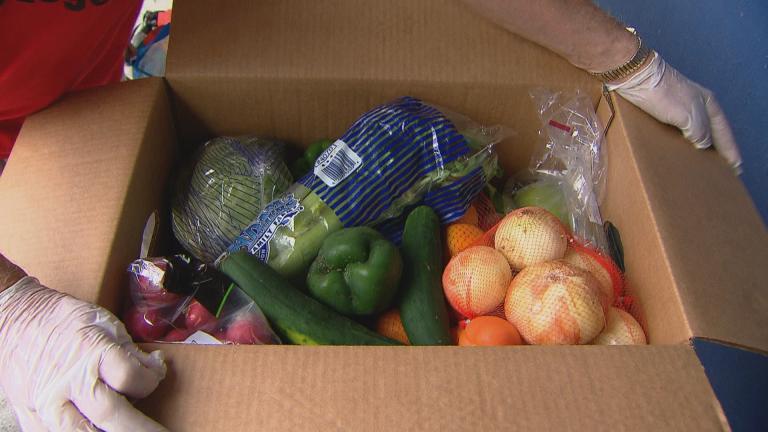
One of the many devastating effects of the COVID-19 pandemic over the past several months has been a dramatic increase in food insecurity.
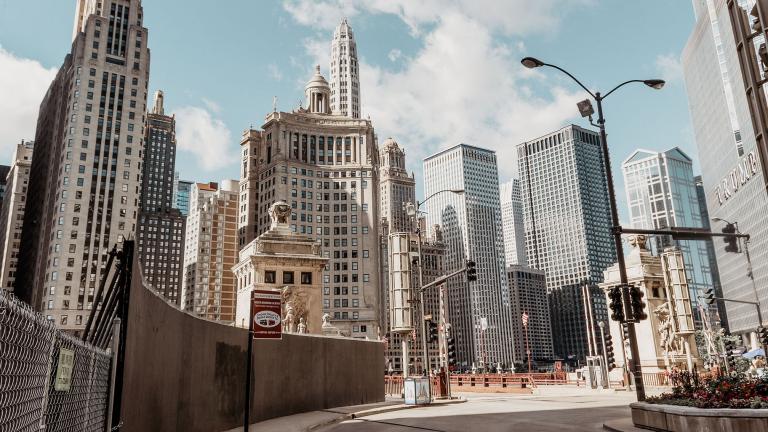
A proposal from the Chicago Federation of Labor that union officials contend could save the city of Chicago between $195 million and $272 million will not avert a property tax hike and layoffs in 2021, Mayor Lori Lightfoot’s office said Tuesday.

West suburban Geneva has been under tightened coronavirus mitigations for nearly two weeks, with some business complying with the rules and others defying them, including serving diners indoors.

Struggling restaurants and bars would be able to apply for $10,000 grants from the city under the plan Mayor Lightfoot unveiled at a Thursday afternoon news conference.
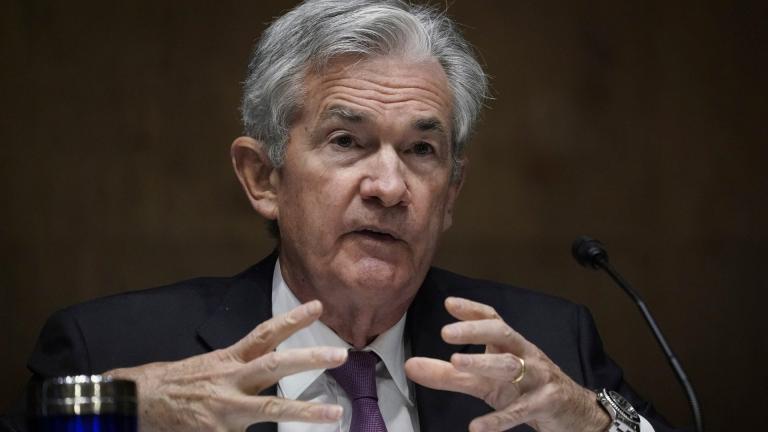
The Fed announced no new actions after its latest policy meeting but left the door open to provide further assistance in the coming months.
Aldermen urged city transportation officials on Friday to help them repave more Chicago streets, spotlighting a perennial gripe about potholes and rough rides during a budget season like no other.
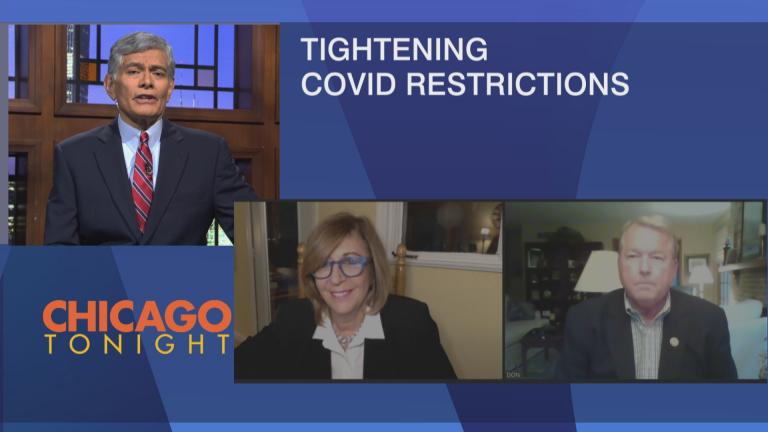
Illinois Sens. Sara Feigenholtz and Don DeWitte talk about the governor’s decision to halt indoor dining and bar service in regions where coronavirus rates are surging.

Kenosha, Wisconsin, just over the Illinois border, became the epicenter of violent unrest this summer after the police shooting of Jacob Blake. A few months later, Kenosha is in the midst of early voting – and it’s a hotly contested county.
Mayor Lori Lightfoot’s $12.76 billion spending plan for 2021 fails to craft a “compassionate, bold” solution to the long-standing inequities that plague Chicago, according to the City Council’s Progressive Caucus.
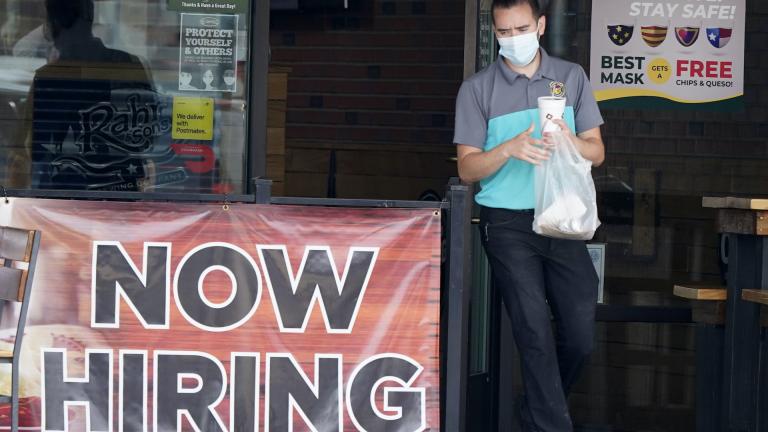
Applications for unemployment aid fell 40,000 from the previous week, the Labor Department said. They fell in 30 states, including big drops in California, Florida and Texas. But claims rose significantly in Arizona, Illinois and Michigan.

Surging COVID-19 infection rates triggered new restrictions that will take effect Friday in Chicago. What that means for the small business owners who can no longer serve diners and drinkers indoors.

A second Wall Street ratings agency sounded the alarm over Chicago’s budget on Wednesday as aldermen continued weighing Mayor Lori Lightfoot’s $12.76 billion spending plan for 2021.
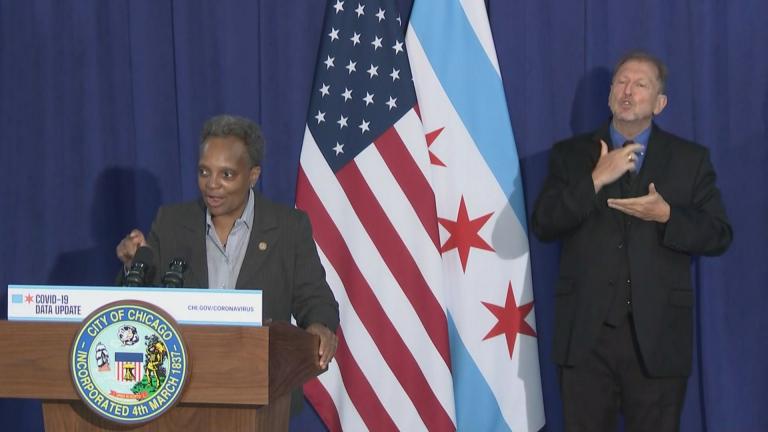
Mayor Lori Lightfoot pushed back late Tuesday on Gov. J.B. Pritzker’s order to suspend indoor dining and drinking in Chicago, the latest sign of a serious split between the officials leading the effort to stem the pandemic.
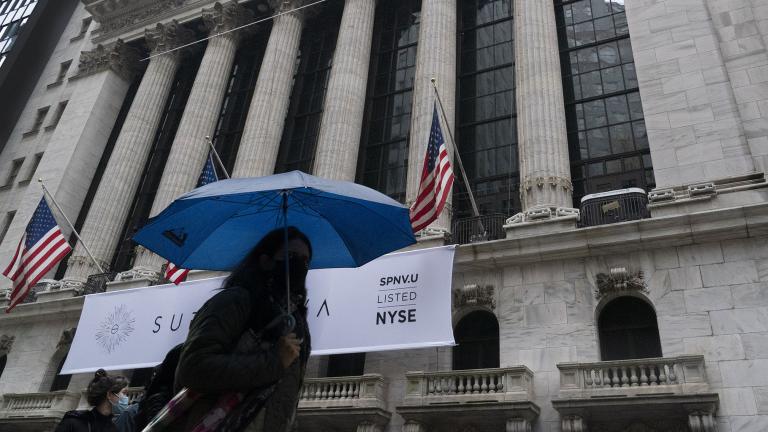
Wall Street’s losses mounted for the second straight day Tuesday as momentum slows on worries about rising virus counts and Washington’s inability to deliver more aid to the economy.
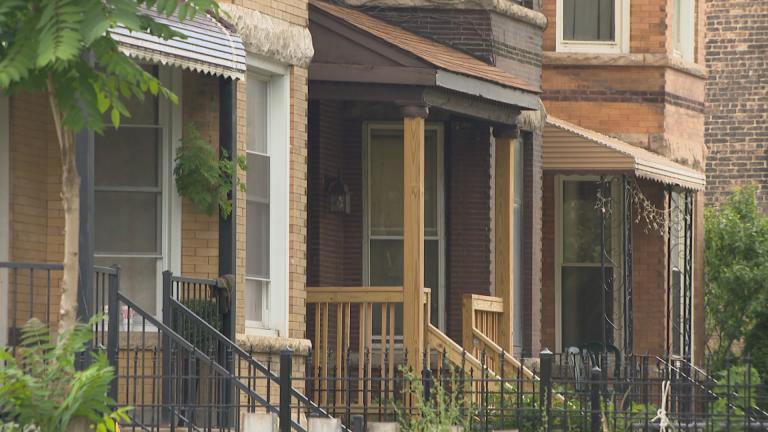
Mayor Lori Lightfoot’s plan to close a projected $1.2 billion budget gap by hiking property taxes and laying off employees got a cool reception Monday from aldermen, who pleaded for other options amid a raging pandemic.
Trending
Who Is Running, or Thinking About Running, to Become Chicago’s Next Mayor

Suspend CPD Officers, Sergeant Repeatedly Accused of Making Improper Traffic Stops for a Combined 330 Days: Police Brass

No Tax Hikes or Layoffs Needed to Close Cook County’s $550M Gap Thanks to ‘Budget Magic’: Preckwinkle
Hilario Dominguez, Candidate for CPS Board President, Defends Conduct as Watchdog Reopens Probe Into Inappropriate Behavior Allegations

CPD Brass Inconsistently Disciplined Officers for Using Racial Slurs: Watchdog

Sign up for the WTTW News newsletter