

Chicago History
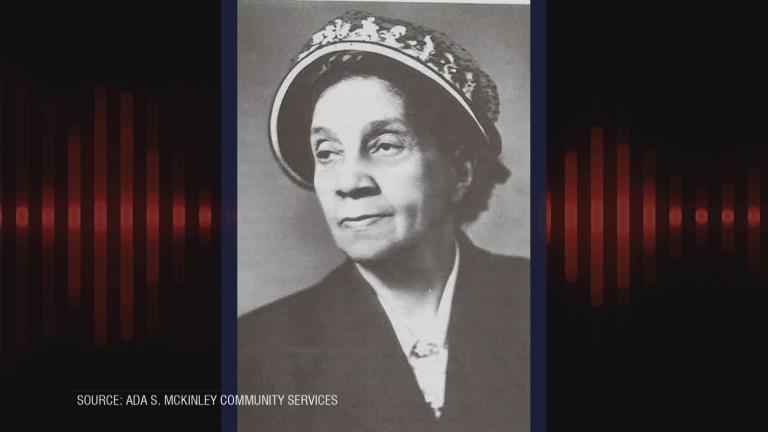

A Chicago-based community organization established more than 100 years ago serves more than 7,000 people annually, but the story of its founder has largely been erased.
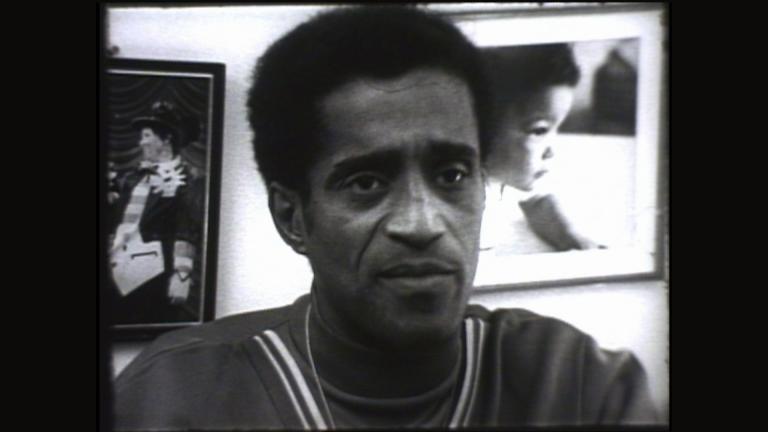
In this recently rediscovered interview, the Grammy Award-winning actor talks with “Our People” host Jim Tilmon about how media representations affect popular perceptions.
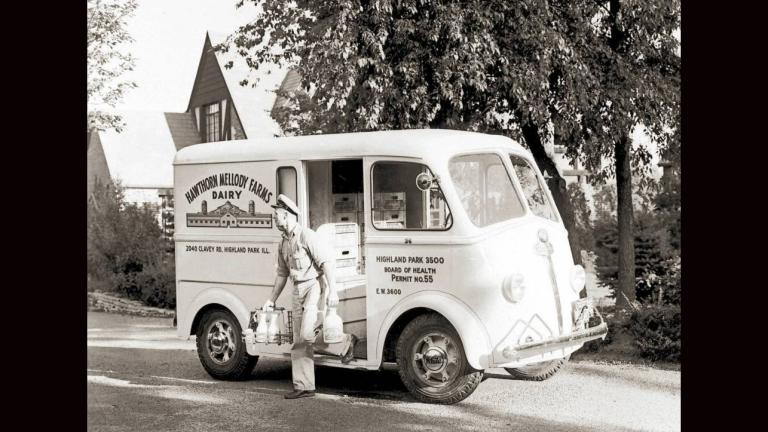
What does a 20th century electricity baron have to do with a spitting llama at a suburban petting zoo? Geoffrey Baer is here with the story of the Hawthorn Mellody dairy farm in this week’s Ask Geoffrey.
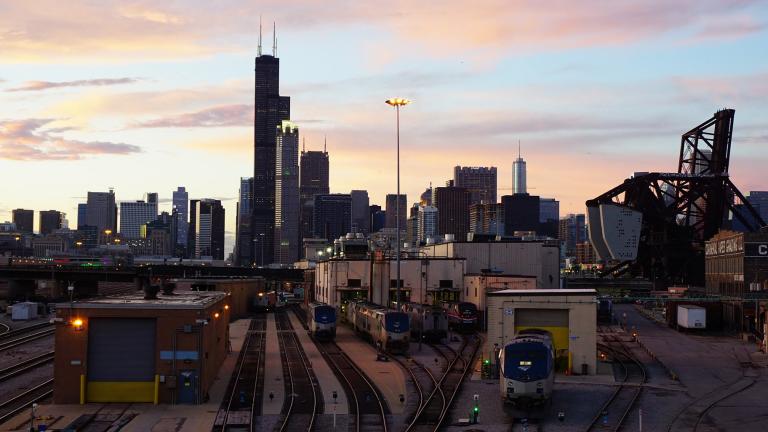
Illinois comes in at No. 3, according to the UIC ranking
The rankings from the University of Illinois at Chicago are unchanged from 2018 — but big corruption trials are on the horizon.
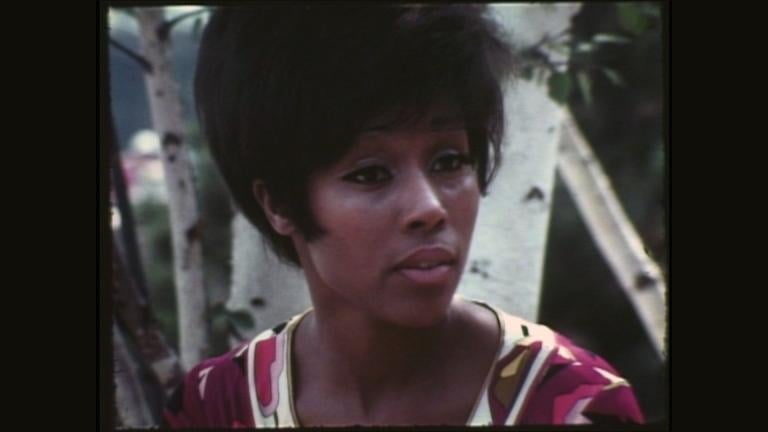
Black women’s hair, particularly in the workplace, has been the subject of endless discussion in recent years. In this rediscovered 1968 interview from the WTTW show “Our People,” actor Diahann Carroll tells a story that demonstrates it’s not exactly a new issue.
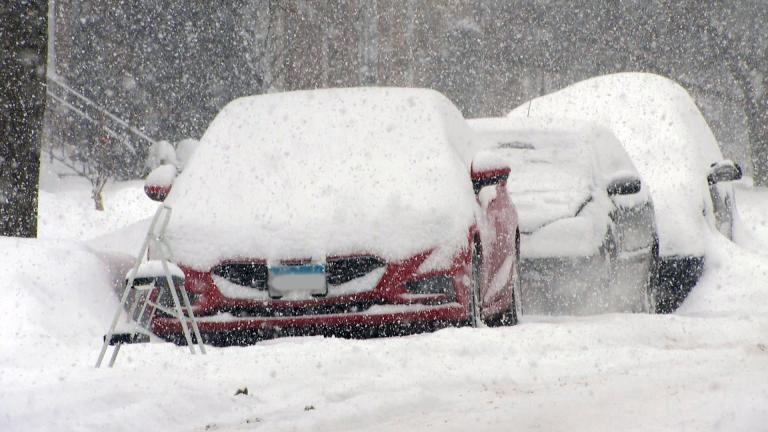
A collective groan may or may not have been heard around Chicago when the city awoke to find it was snowing — again. Geoffrey Baer explains how this recent blast of snowy weather stacks up against Chicago’s most infamous winter storms.
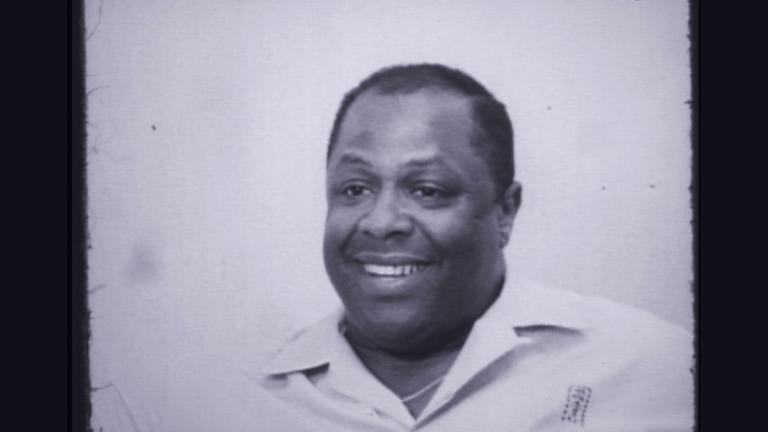
In this rediscovered interview from the WTTW series “Our People,” host Jim Tilmon gets the Chicago comedian to tell one of his signature stories.
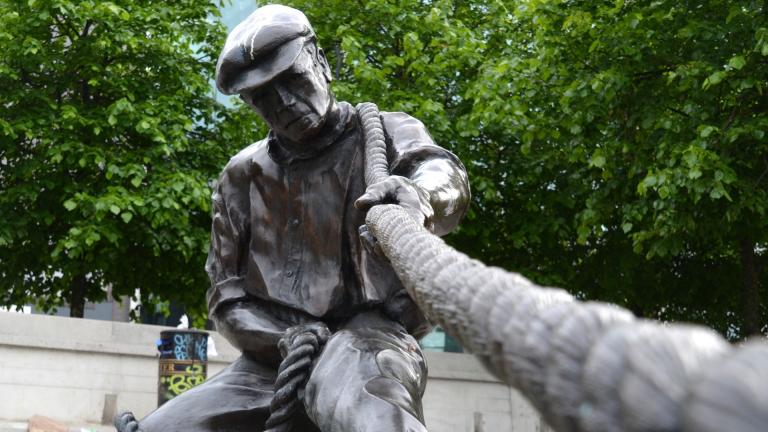
Sea shanties are suddenly all the rage thanks to TikTok but Chicago’s long been a hub for shanty singing. We explore the city’s connection to the musical tradition — and its undeniable staying power.
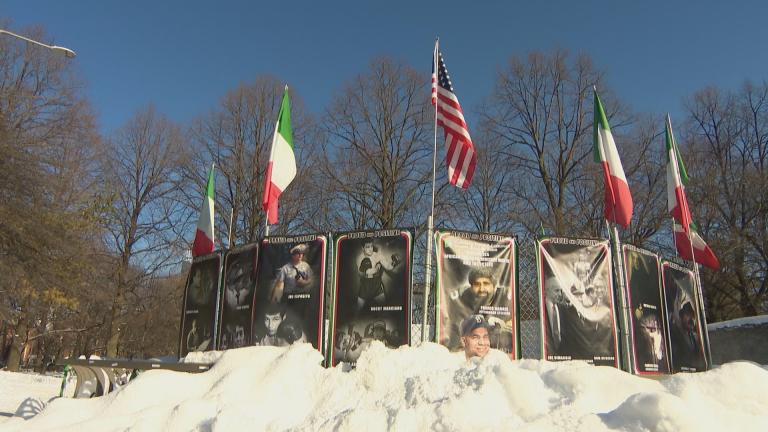
Last summer, three Christopher Columbus statues were removed after violent altercations between police and protesters. For months, the sites sat empty. But last fall, a display of Italian American pride banners appeared in place of the former statue in Chicago’s Little Italy neighborhood.
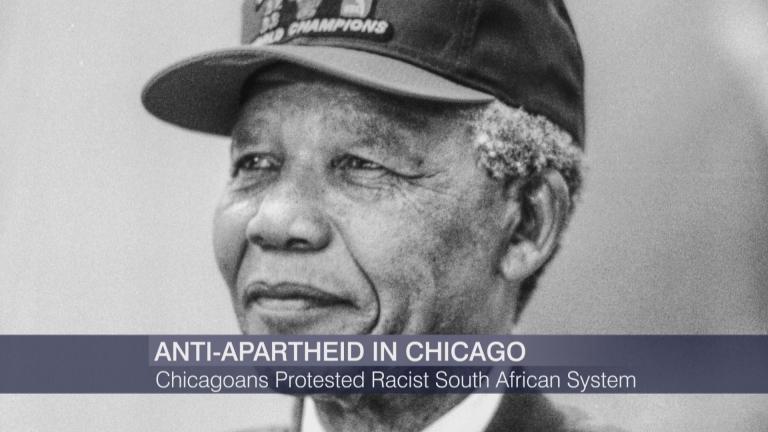
A new film airing this weekend on WTTW draws parallels between the fight against apartheid in South Africa and injustice in Chicago.
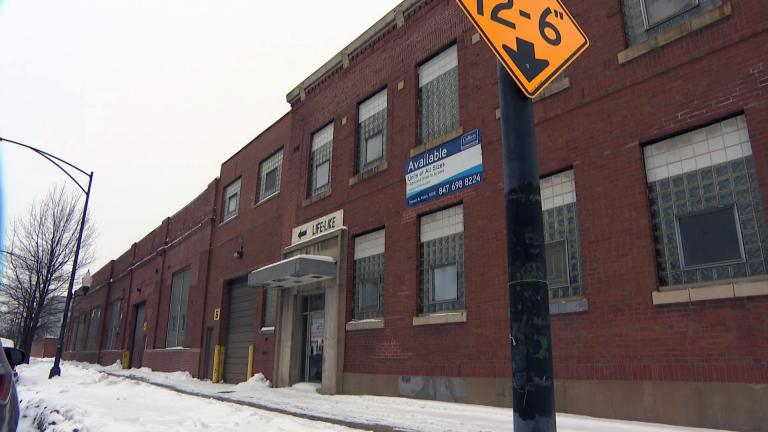
Bicycle sales in Chicago have surged over the past year as the pandemic has forced more and more people outside for exercise and recreation. But it’s hardly the city’s first “bike boom.” Geoffrey Baer takes us back to when Chicago was called “the Detroit of bicycles.”
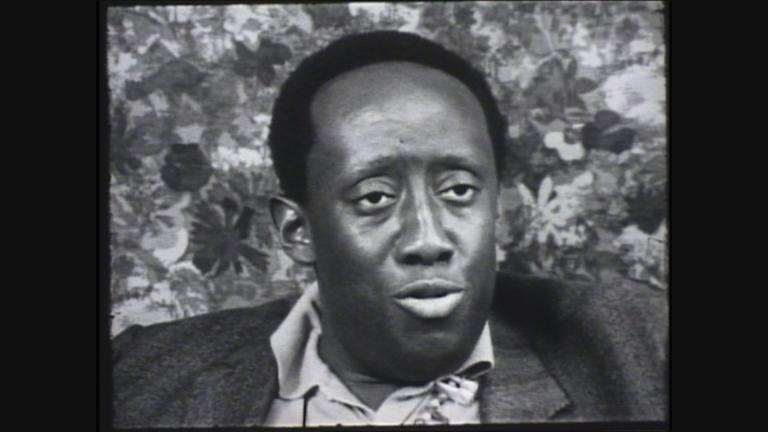
The comedian and actor known for his sardonic take on culture and society shares his thoughts on policing and crime in Chicago in this interview with Jim Tilmon from the WTTW show “Our People.”
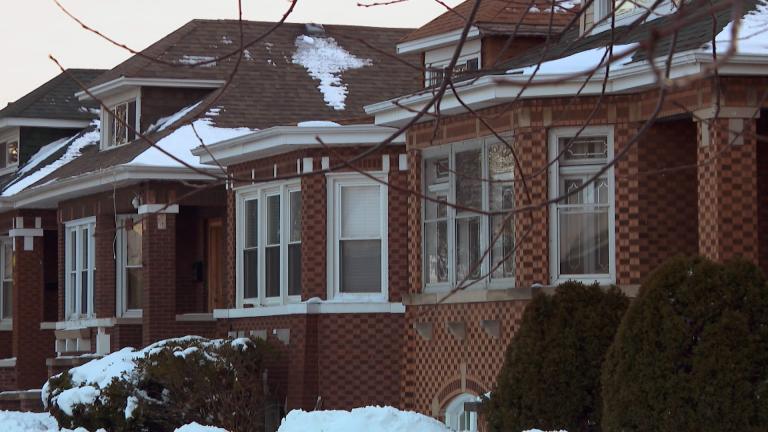
Located roughly 7 miles southwest of the Loop, many of Gage Park’s bungalows were built between 1924 and 1927.
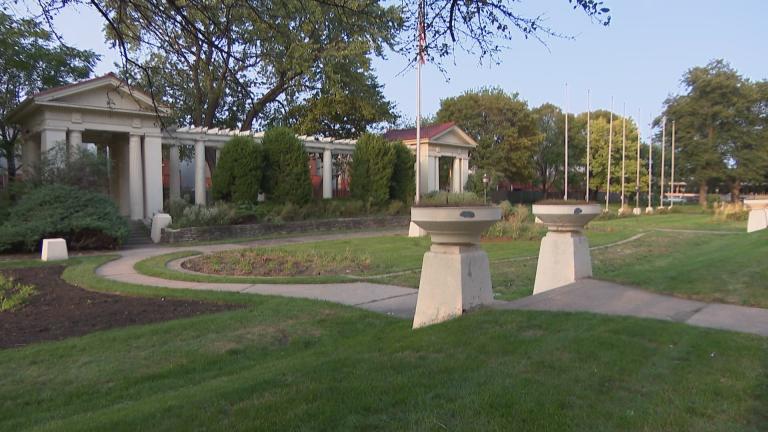
Geoffrey Baer explores the past, present and future of a historic West Side garden in North Lawndale.
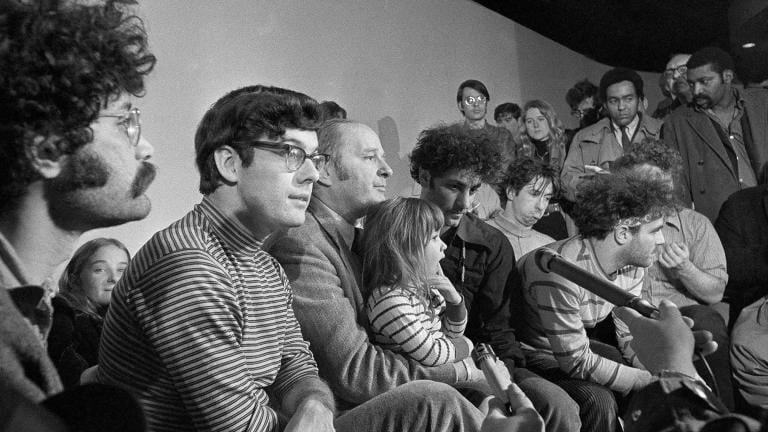
Rennie Davis, one of the “Chicago Seven” activists who was tried for organizing an anti-Vietnam War protest outside the 1968 Democratic National Convention in Chicago in which thousands clashed with police in a bloody confrontation that horrified a nation watching live on television, has died.
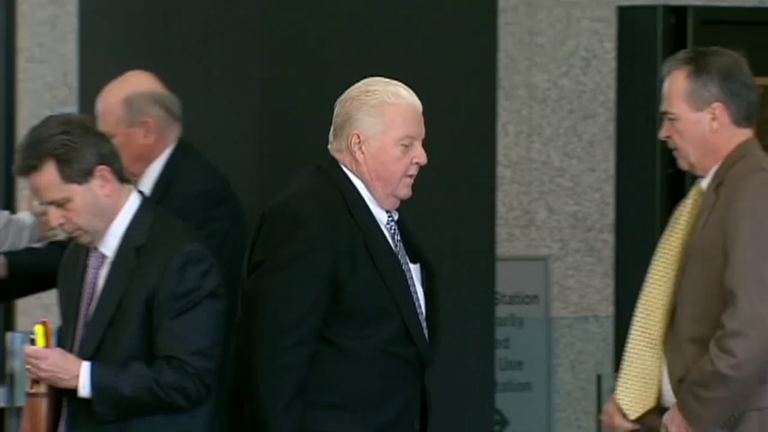
The Invisible Institute, a journalism nonprofit based on the city’s South Side, has published an online archive documenting former Chicago police Cmdr. Jon Burge’s "violence against more than 100 Black men, from the 1970s to the 1990s.”
Trending
2026 Chicago Festival Guide

CPD Sergeant Who Led Botched Raid at Home of Anjanette Young Now Working as a Suburban Police Detective

Woman Charged With Fatally Stabbing 7-Year-Old Girl Walking in Chicago Saturday
Key City Panel Unanimously Agrees to Pay $260.8M to Resolve 16 Lawsuits Tied to Disgraced Ex-CPD Detective Reynaldo Guevara

Marimar Martinez Hopes New Lawsuit Could Spur Criminal Charges 1 Year After Border Patrol Agent Shot Her

Sign up for the WTTW News newsletter