

Chicago Finances
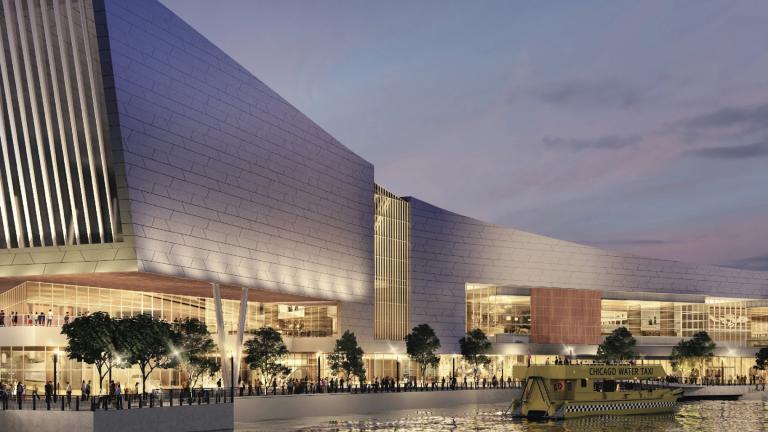

The $1.73 billion proposal now heads to the Illinois Gaming Board, which must license Bally’s to operate the Chicago casino set to be built along the Chicago River near Chicago Avenue and Halsted Street.
The Chicago City Council is expected to give its final stamp of approval to the Bally’s plan on Wednesday, sending the proposal to the Illinois Gaming Board, which must license Bally’s to operate the Chicago casino set to be built near Chicago Avenue and Halsted Street.
Even though Lightfoot stacked a special City Council committee with her allies to consider the casino proposal, Ald. Tom Tunney (44th Ward) acknowledged Friday that the mayor did not have enough support to advance the plan to build a casino and resort.
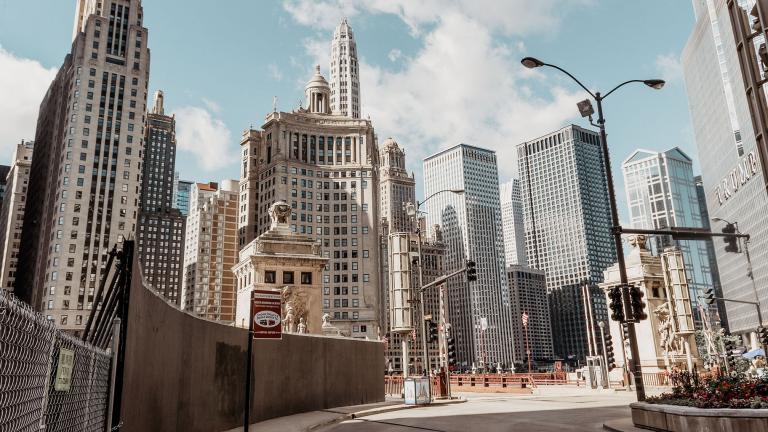
Budget Director Susie Park unveiled the updated budget forecast during Wednesday’s meeting of the City Council’s Budget and Government Operations Committee, which holds a hearing to examine the city’s financial condition every quarter.
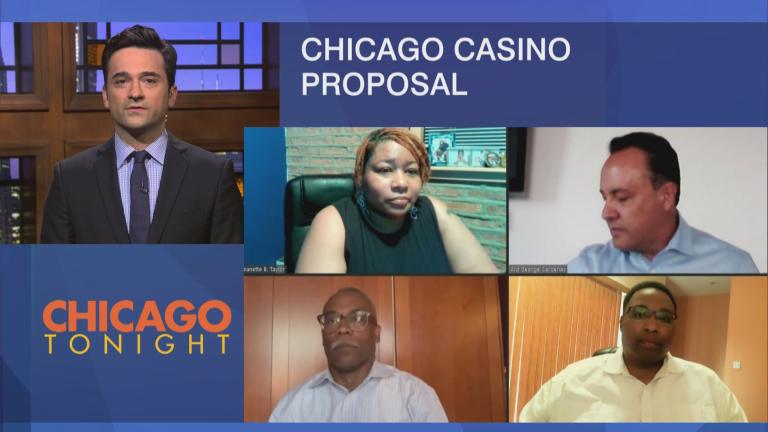
While Mayor Lori Lightfoot and her administration have touted the proposal from Bally’s as the most lucrative proposal the city received and said the casino would be an “iconic” addition to Chicago’s riverfront, members of the City Council continue to greet those claims with skepticism.
While members of the Lightfoot administration touted the proposal from Bally’s as the most lucrative proposal the city recieved and said the casino would be an “iconic” addition to Chicago's riverfront, nearly all members of a special City Council committee formed to consider the plan greeted those claims with skepticism.
Lightfoot’s support for a casino on what is now the Chicago Tribune printing plant and newsroom near Chicago Avenue and Halsted Street will bounce the roulette ball to the Chicago City Council to consider Bally’s plan.
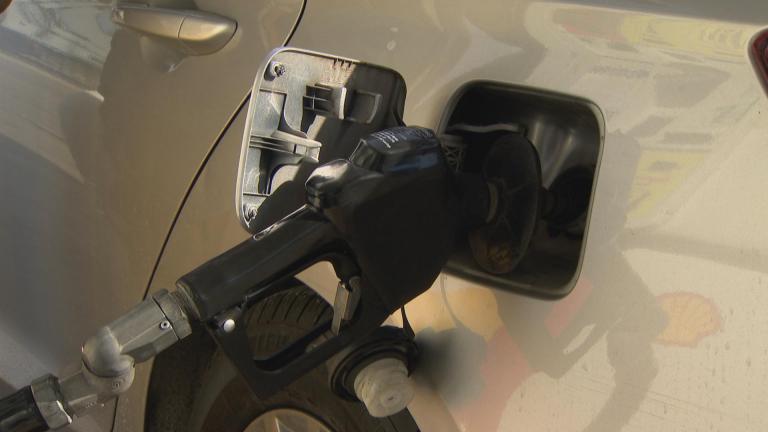
The program was narrowly approved after several members blasted Lightfoot’s plan as an election-year stunt that would benefit oil companies without offering Chicagoans real relief from the pain at the pump.

A casino does not belong so close to Chinatown, where it will have “human costs,” state Rep. Theresa Mah told WTTW News on Thursday.
The narrow margin of the committee’s vote sets up what could be a nailbiter at the City Council meeting set for April 27.
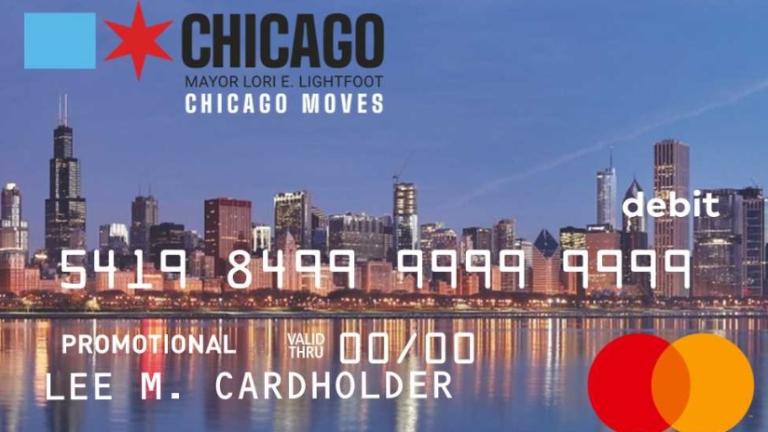
The CTA passes and gas cards with Mayor Lori Lightfoot's name would be sent to voters approximately 10 months before the next mayoral election.

With three community meetings complete, the roulette ball bounces back to Mayor Lori Lightfoot, who is expected to make her decision within the next two months and pick one of three proposed Chicago casino locations.
Skeptical members of the Chicago City Council blasted the proposal as an election-year stunt that would benefit oil companies without offering Chicagoans real relief from the pain at the pump.
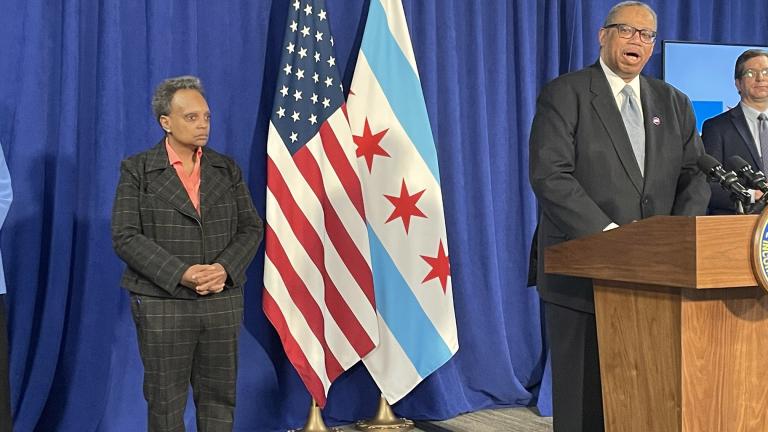
The plan calls for offering residents 50,000 prepaid cards that will cover $150 worth of gas as well as 100,000 passes that will cover $50 worth of CTA fares.
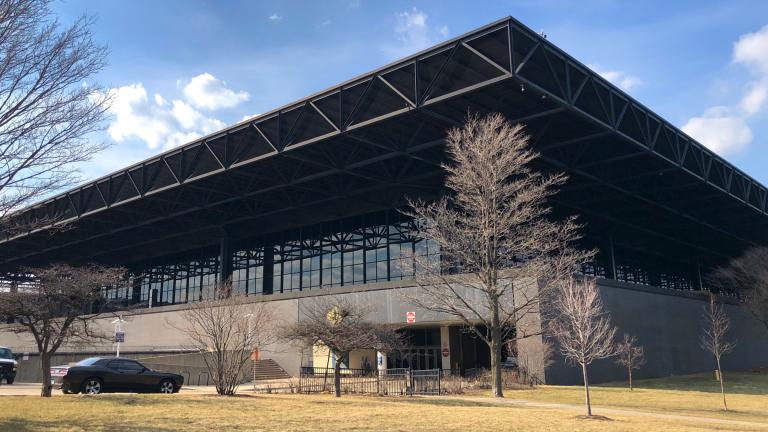
Mayor Lori Lightfoot does not expect to pick one of the three finalists and ask the Chicago City Council to ratify her decision until early summer, a significant delay since the fall, officials said.

The measure ratifies decisions made by Treasurer Melissa Conyears Ervin after her 2019 election to stop new investments in oil and gas firms while moving $70 million in investments from 225 fossil fuel companies.
Trending
Who Is Running, or Thinking About Running, to Become Chicago’s Next Mayor

Suspend CPD Officers, Sergeant Repeatedly Accused of Making Improper Traffic Stops for a Combined 330 Days: Police Brass

No Tax Hikes or Layoffs Needed to Close Cook County’s $550M Gap Thanks to ‘Budget Magic’: Preckwinkle

Hilario Dominguez, Candidate for CPS Board President, Defends Conduct as Watchdog Reopens Probe Into Inappropriate Behavior Allegations

Johnson’s Debt Refinancing Plan Results in Just Half of What He Promised, Forcing Officials to Scramble to Fill Budget Gap

Sign up for the WTTW News newsletter