Science & Nature

Much of the focus has been on the mayoral candidates’ public safety plans, but whoever emerges victorious on April 4 will also inherit environmental and climate-related challenges.


The Chicago Park District is offering teenagers a chance to work where they play this summer in seasonal positions like recreation leaders, lifeguards and junior laborers.

Scientists calculated the biomass of various groups of mammals, and humans’ impact weighs heavily on the planet.
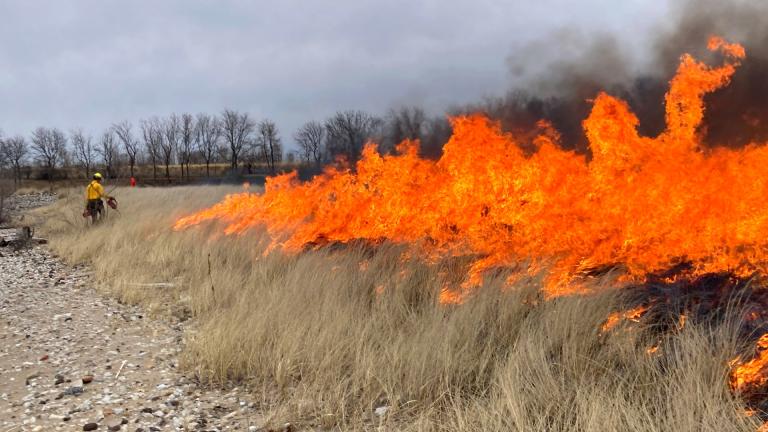
The Chicago Park District has been setting its land ablaze on purpose, these fiery scenes leading to healthier natural areas.
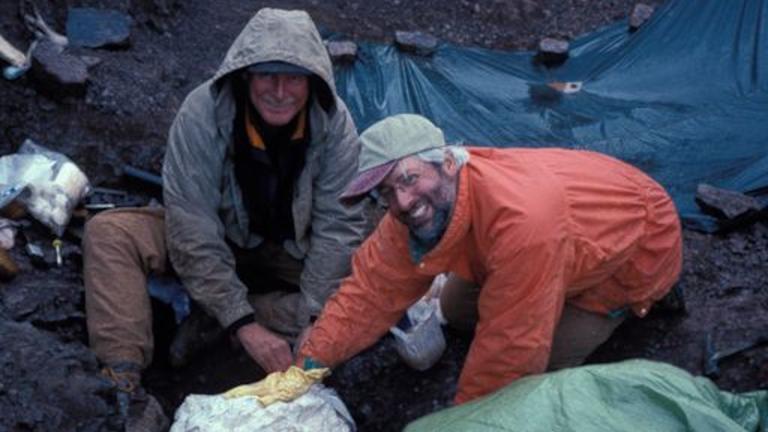
The long-delayed trip is a return to the Canadian Arctic and an area where University of Chicago paleontologist Neil Shubin made a career-defining discovery back in 2004.

The Illinois House of Representatives passed legislation that would phase out single-use polystyrene foam foodware beginning in January 2024.

It will be up to the next mayor to decide how to respond to Chicagoans’ growing frustration with these mega-events.
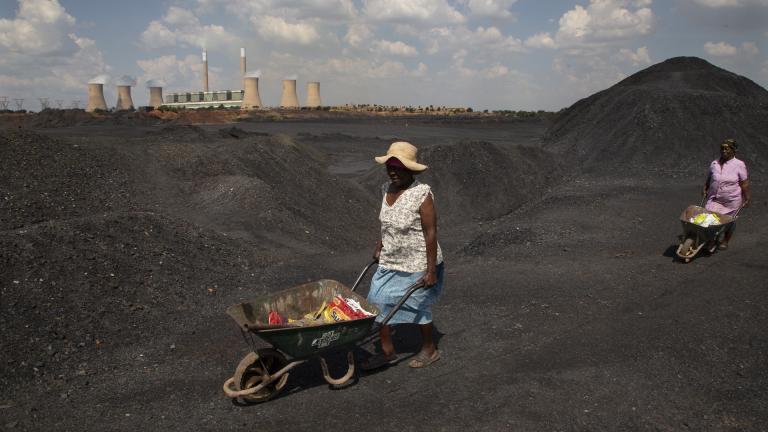
Humanity still has a chance, close to the last, to prevent the worst of climate change’s future harms, a top United Nations panel of scientists said Monday.
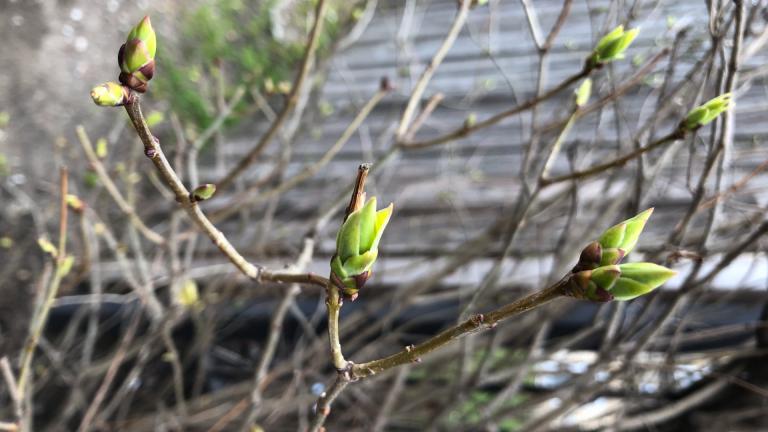
Spring is always an iffy proposition in Chicago, but it officially begins Monday.

The Illinois Department of Transportation is beginning a yearslong construction project on the Kennedy Expressway. It's expected to impact the Edens and Dan Ryan expressways and cost $150 million.

There’s one place spring has most definitely sprung: the Chicago Botanic Garden, where the annual orchid show is now underway. WTTW News also toured the garden’s orchid greenhouse, which isn’t open to the public.

The cubs were named in partnership with Maasai lion guardians in Tanzania.
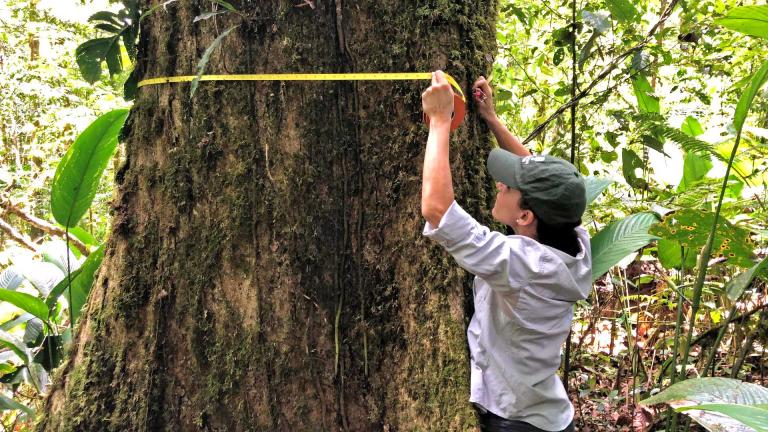
“This is providing the means for us to collaborate not only within the Chicagoland area but to really make a difference in biodiversity hot spots across the globe,” said Chuck Knapp, vice president of conservation research at Shedd Aquarium.

Coal ash, the byproduct created when plants burn coal for power, contains potentially dangerous materials like arsenic, mercury and cadmium that can endanger nearby water supplies. Since coal-fired power plants use a lot of water to keep their equipment cool, they’re often near bodies of water like Lake Michigan.

The plan would limit toxic PFAS chemicals to the lowest level that tests can detect. PFAS, or per- and polyfluorinated substances, are a group of compounds that are widespread, dangerous and expensive to remove from water.

Opponents of a toxic sludge landfill on Lake Michigan have filed a lawsuit to stop a plan by the U.S Army Corps of Engineers to expand the dump by 25 vertical feet.
Trending
Police Brass Agrees to Suspend Officers for Violating Rights of Black Driver During Downtown Traffic Stop

Roseland Hospital Failed to Monitor a Patient During a Mental Health Crisis, Regulators Say. Now He’s Charged With Killing His Wife

‘This is Only the Beginning’: Illinois Accountability Commission Hears First Testimony on Federal Agents’ Use of Force in Chicago

Evanston Mayor Daniel Biss Confronts Border Patrol Chief Greg Bovino as Immigration Enforcement Continues

Chicago Bears’ Threat to Move to Indiana a ‘Slap in the Face,’ Gov. Pritzker’s Office Says

Sign up for the WTTW News newsletter