

Health

Since it was first identified in November, BA.2 has been spreading around the globe, driving new surges in parts of Asia and Europe. It’s now the dominant coronavirus version in the U.S. and more than five dozen other countries.

The Illinois Department of Public Health reported just over 1,463 new COVID-19 cases Monday, up from 756 cases a week ago. That’s in comparison to a high of more than 42,903 cases reported on Jan. 7 at the height of omicron.
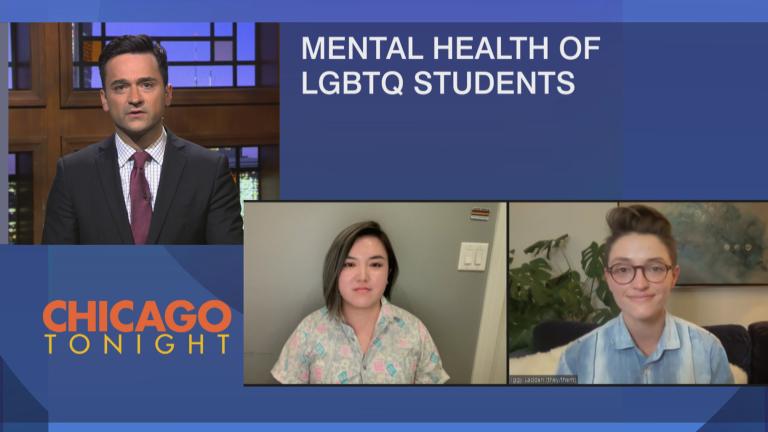
According to the newly released data, 26.3% of gay, lesbian or bisexual students attempted suicide between Jan. and June 2021. For heterosexual students, the number was 5.2% and other or questioning students at 16.5%.

Crews have restored power to some 650,000 customers out of nearly 1.5 million, but people in several neighborhoods have complained that the electricity went out once again as the island struggles to emerge from the blackout that also left more than 160,000 clients without water.
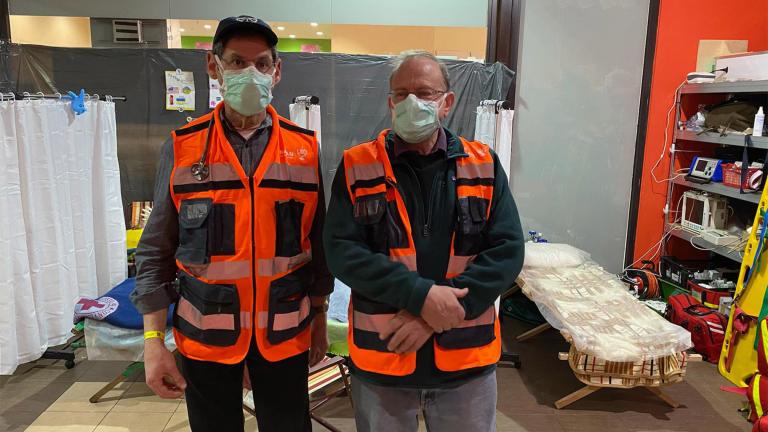
Two retired Skokie doctors have recently returned from volunteering in Eastern Europe, helping refugees escaping the Russian invasion of Ukraine.
Why do some people experience long-term effects after having COVID-19? And what can be done to speed recovery and prevent it? Researchers at the University of Illinois Chicago are part of a national effort to answer those questions and more.
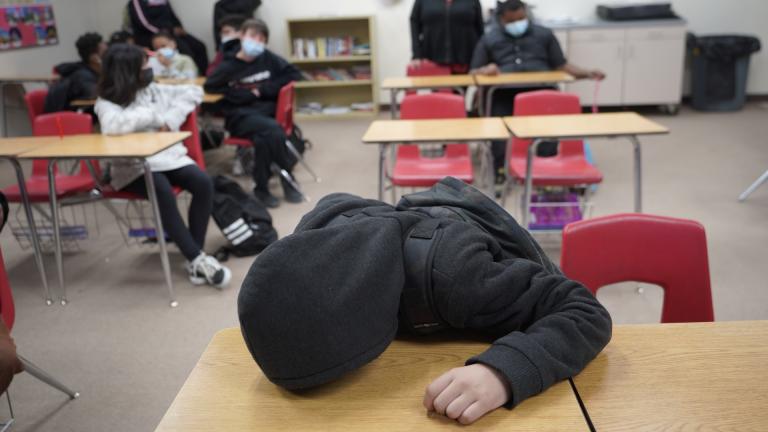
Since the pandemic started, experts have warned of a mental health crisis facing American children. That is now playing out at schools in the form of increased childhood depression, anxiety, panic attacks, eating disorders, fights and thoughts of suicide at alarming levels.
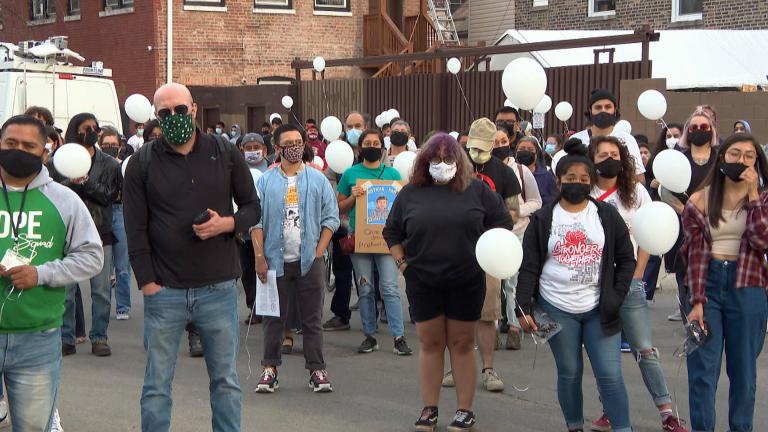
In March 2021, the city was sent reeling when Chicago police officers shot and killed Adam Toledo and Anthony Alvarez just a few days apart. We look at where the relationship between law enforcement and Latino communities stands.
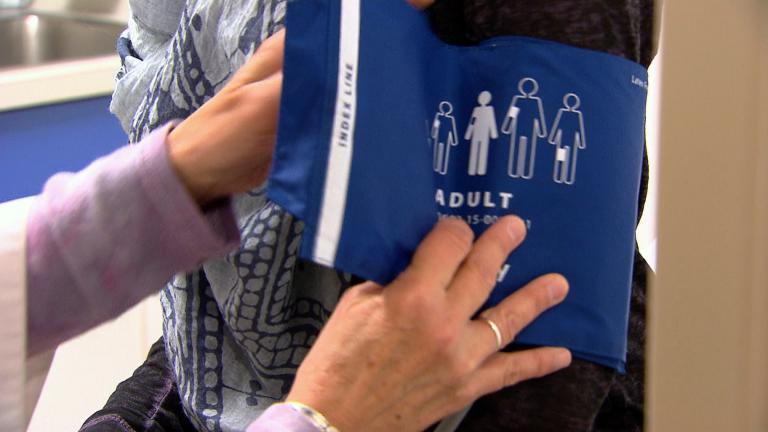
In December 2020, Illinois expanded Medicaid to provide health coverage to immigrant adults ages 65 and older. Now, another expansion offers health care benefits to low-income immigrants ages 55 to 64 starting May 1.
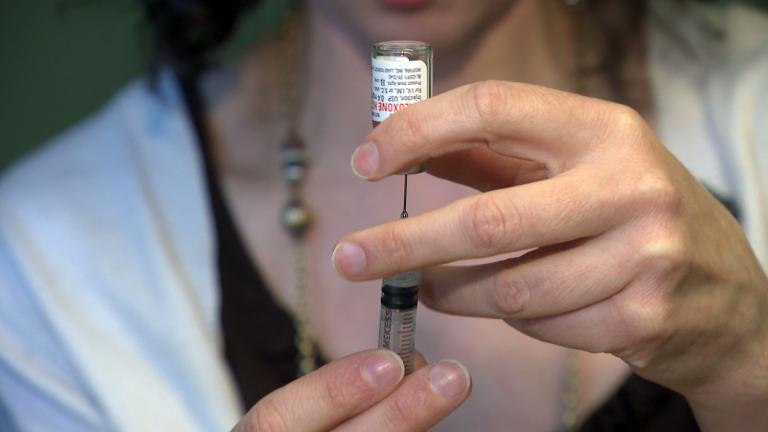
The Illinois Overdose Action Plan offers new and expanded resources to help treat substance abuse and addiction.

The city’s street sweeping program kicks off April 1, which also means the return of “no parking” restrictions.
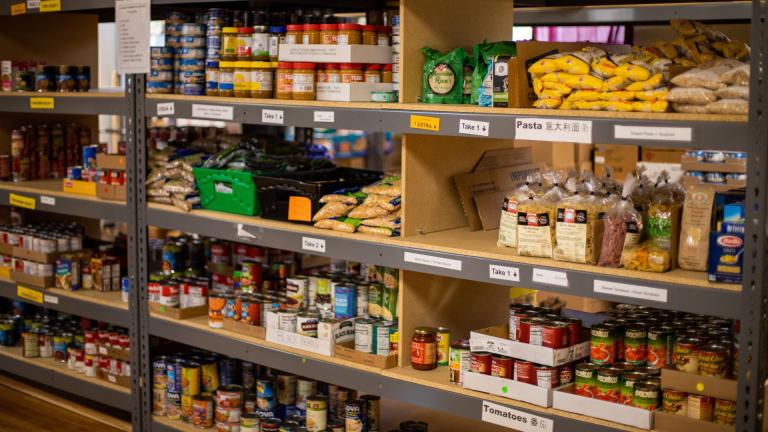
Looking for food pantries on the West Side got a little easier, thanks to an online platform that allows pantries to detail their hours of operation, types of food they provide, languages spoken and other resources they provide like immigration services in a searchable map.
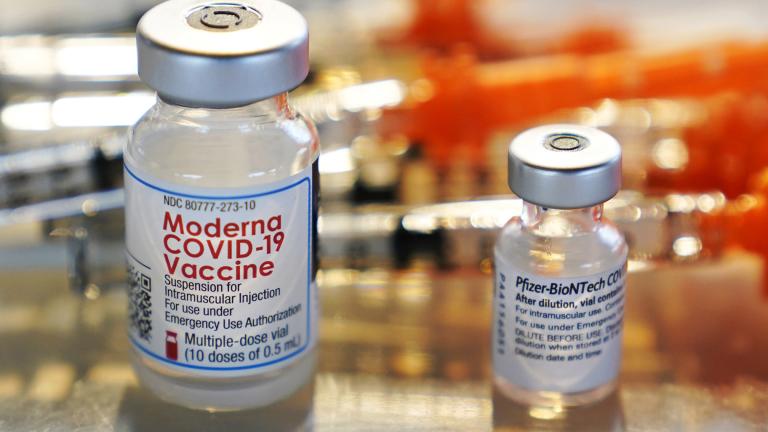
The Food and Drug Administration’s decision opens a fourth dose of the Pfizer or Moderna vaccines to those age 50 or over at least four months after their previous booster.

Top Chicago public health officials say that the BA.2 omicron subvariant will be making up most of Chicago cases by the end of the month.
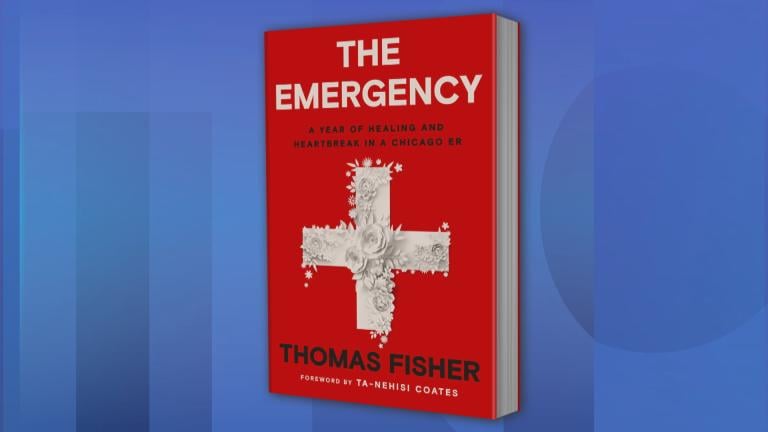
Pandemic inequities and how health care systems contribute to them are the focus of the latest selection in our “Black Voices Book Club” series, “The Emergency: A year of Healing and Heartbreak in a Chicago ER.”

Through extensive personal interviews conducted over three years, a new book takes a deep dive into what keeps Latinos feeling locked out of health care access. It’s called “Uninsured in Chicago: How the Social Safety Net Leaves Latinos Behind.”
Trending
Hear From the Architects Behind the Obama Presidential Center

From a Replica Oval Office to Michelle Obama’s Dresses, What’s Inside the Obama Presidential Center

Valerie Jarrett Says Obama Presidential Center Will ‘Put a Spotlight on the South Side’

Chicago’s Sidewalks Aren’t Accessible for People With Mobility Challenges, Lawsuit Argues. The City Wants the Case Dismissed

Chicago Advocates Call for New Gun Violence Prevention Efforts After Mass Shooting, Trump Response

Sign up for the WTTW News newsletter