Business
Changes Are Coming to CTA, Metra and Pace. Hear From the Leaders of Their New Oversight Agency
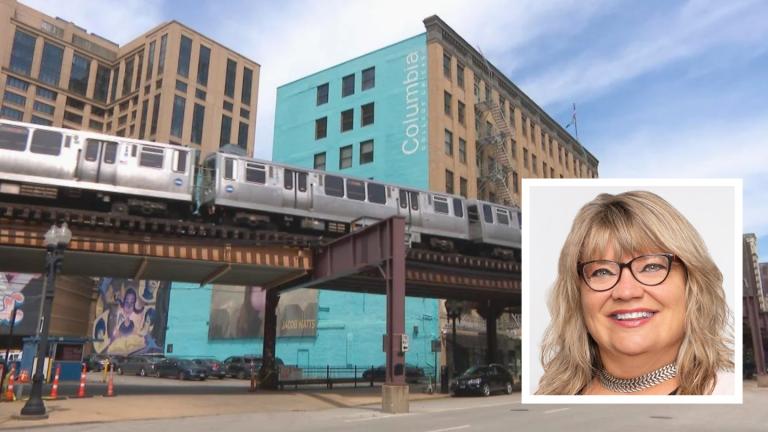
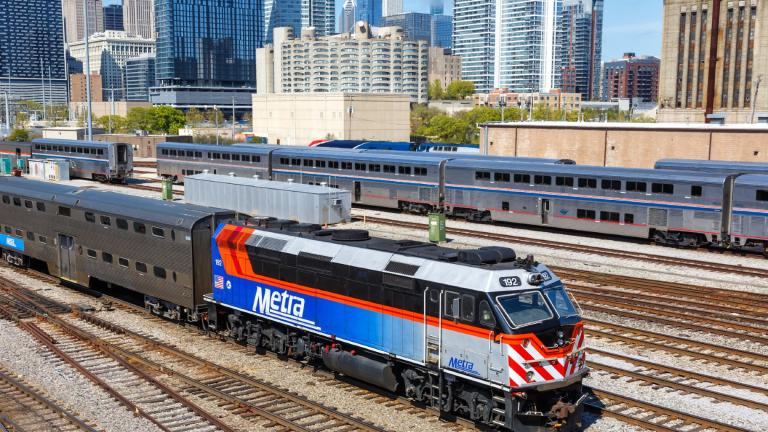
It’s a new era for CTA, Metra and Pace as the Northern Illinois Transit Authority becomes the new oversight agency for all three systems.
NITA officially replaced the Regional Transportation Authority last month after being created by the Illinois General Assembly as part of a $1.5 billion transit bill in October 2025. The change aims to establish a more efficient way to run and fund Chicago-area public transit after years of debate exacerbated by the loss in revenue from the COVID-19 pandemic.
While CTA, Metra and Pace will continue managing day-to-day operations, NITA is in charge of overseeing things like schedules, fares and special initiatives.
NITA is already starting to make changes, and passengers will continue to notice the real effects for years, said Tom Kotarac, chair of NITA’s board of directors.
One of the changes the board has implemented is for students, who can now utilize the student-fare prices on weekends, over the summer and during non-school hours.
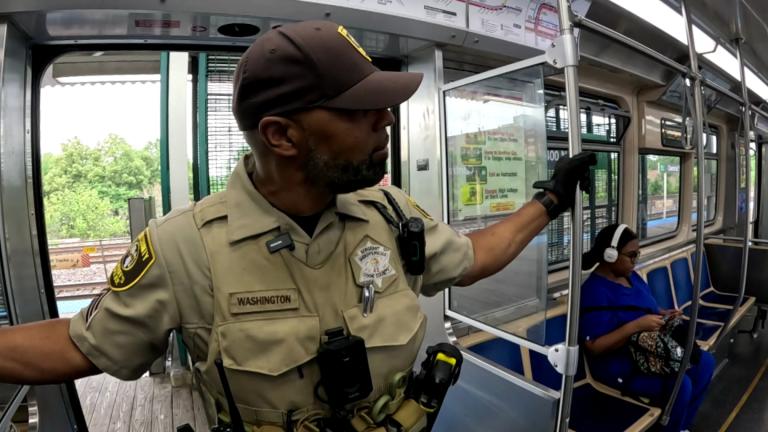
On the top of the list of priorities for the agency’s leaders: public safety. NITA is building a public safety task force that will eventually introduce an anti-crime program by June 2029. In the meantime, Kotarac is looking to ensure that NITA’s budget can sustain the operations needed to keep riders and workers safe.
“I think that budgets really reflect the principles and priorities of an organization, and the public safety of our workforce and our riders is gonna be top of the list for our budget,” Kotarac said.
NITA will also introduce a transit ambassador program in July 2027. These ambassadors will be non-law enforcement officials tasked with improving riders’ overall experiences on public transit.
“We think that the more visibility there is, and the more folks that are out there, the safer the people feel,” said Jamie Rhee, interim executive director of NITA and former Chicago Department of Aviation commissioner. “We are being judged by how people feel when they ride the transit system, and so each and every day, every decision we make has gotta be focused on our riders and our frontline workers.”
Another major task of NITA is to help coordinate regional service by establishing an improved schedule for CTA, Metra and Pace. NITA will prepare updated service plans by April 2028, with the new schedule set to take effect in 2029.
Additionally, NITA will look to introduce a universal fare system with procurement set for July 2027 and implementation by 2030.
Maulik Vaishnav, NITA’s chief transition officer, said riders can expect a rolling series of changes that model transit systems in cities like Paris, London and New York.
NITA has already expanded its income-based reduced fare program. The program formerly included SNAP recipients who purchase tickets on Metra trains, but now includes FRESH recipients and CTA and Pace fares.
Several members of NITA’s board of directors also serve on the boards of CTA, Metra or Pace. Kotarac said these dual appointments will help integrate the systems so that these initiatives can be realized.
“The essence of the NITA Act is making the system seamless and integrated,” Kotarac said. “The line that’s in the legislation is ‘one timetable, one network, one fare’ and that comes from the German model. … And so having the board members serve dual duty on NITA and CTA, Metra or Pace and having the executive leadership team also aligned all the way up to NITA was the governance innovation that the General Assembly and the governor put in place for us. And I think when you’re the same person, it’s essentially one team, one dream.”
NITA’s leadership will soon change as the worldwide search for a permanent executive director is underway. Rhee retired from the city in April 2025, but stepped into the role temporarily to help get NITA up and running. She is only expected to hold the position for six months, but said she would consider filling the position permanently if asked to do so by the board.
“I agreed, really, to come in and set up the foundation,” Rhee said. “I wanted to make sure that I brought in the transparency and all the reforms that I’ve been part of having served under four mayors. I’ve had the opportunity to really get a peek inside of government and how it should operate and how it operates when it really serves the people and is removing barriers. And this was the perfect opportunity for me to bring some of those skill sets.”
NITA has faced scrutiny regarding its 20-member board of directors. The governor, the mayor of Chicago and the Cook County Board president each get five appointees, while each of the chief executives in Kane, Lake, McHenry, DuPage and Will counties get one. This had led several suburban riders to question the agency’s dedication to meeting the needs of those who use the systems outside of city limits.
“The system itself is one system, that is at the core and the essence of the NITA Act,” Kotarac said. “And so having collar county representatives bring their experience to the same decisions we’re making collectively is really at the heart of what the NITA is about. And making sure that that participation is full and well-coordinated amongst all of us is absolutely the essence of what we’re about and what we’re doing.”
NITA will hold a public engagement event at Union Station from 3-6 p.m. Wednesday. Vaishnav said he is looking forward to hearing more about what community members want from the agency.
“It’s really about prioritizing,” Vaishnav said. “We already know what people care about — service, on time, safe, clean — but when we have a fixed amount of resources, how should we allocate them? That’s really our priority to get from all the engagement activities that we’ll be doing.”