

Pace
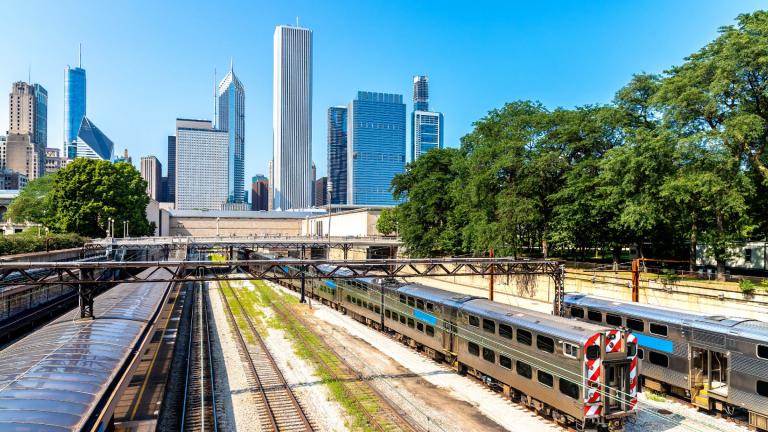

It’s a new era for CTA, Metra and Pace as the Northern Illinois Transit Authority becomes the new oversight agency for all three systems. NITA was created by the Illinois General Assembly as part of a $1.5 billion transit bill.
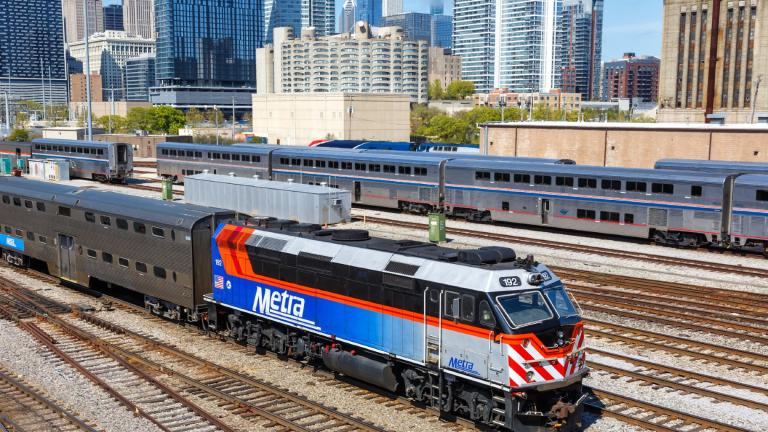
The Northern Illinois Transit Authority is a new regional body overseeing CTA, Metra and Pace. It was created after years of debate over the future of Chicago-area transit.
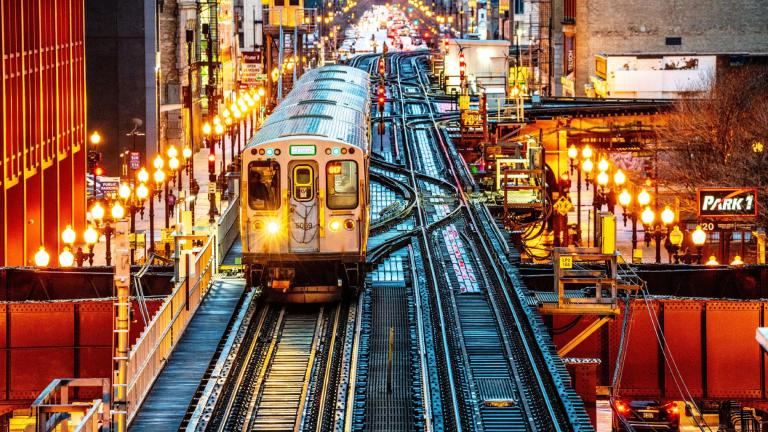
The Chicago Transit Authority, Metra and Pace are encouraging residents to celebrate responsibly and take advantage of the free late-night transit services to get around on New Year’s Eve.

Advocates said the measure and a new Chicago-area leadership board created by it will reimagine the role public transportation plays in the state’s economy and people’s lives.

While Senate Bill 2111 was widely covered for the $1.5 billion it drives to transit throughout Illinois and its governance reforms in the Chicago region, the more than 1,000-page bill outlines a new approach to public transportation.
Illinois lawmakers last week signed off on a sweeping $1.5 billion transit funding package that reshapes how the CTA, Metra and Pace are run and funded. The plan also creates what’s called the Northern Illinois Transit Authority to oversee the transit agencies.
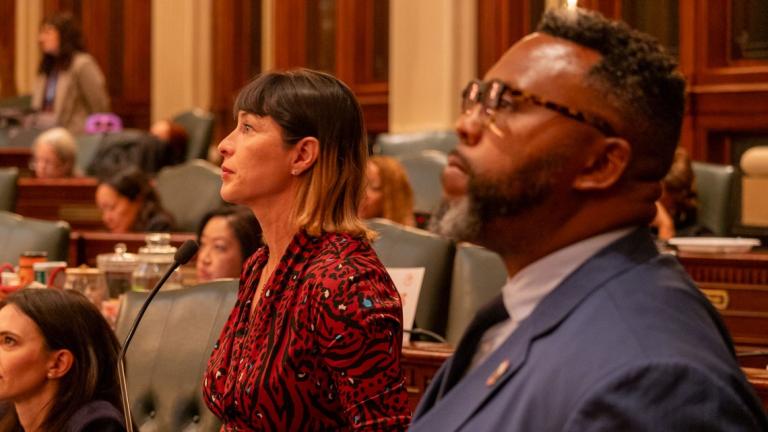
State lawmakers approved new funding for public transportation agencies without large statewide tax increases previously proposed.
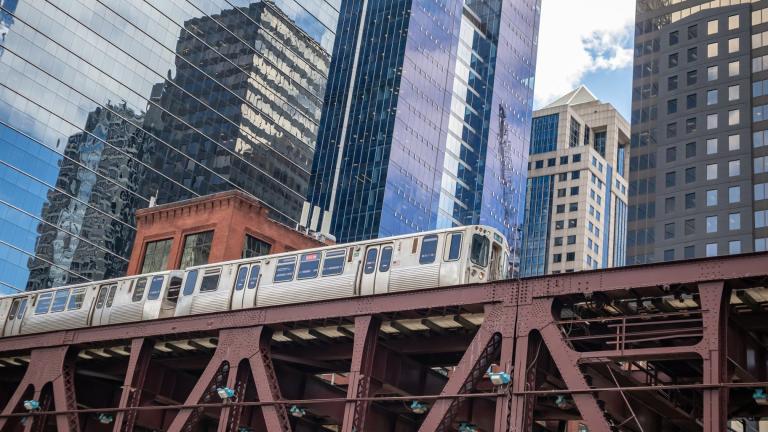
Riders would see their base fare for both bus and rail to increase by $0.25 — bringing the fare up to $2.50 for buses and $2.75 for rail — starting on Feb. 1, 2026, according to a CTA budget proposal released Monday.
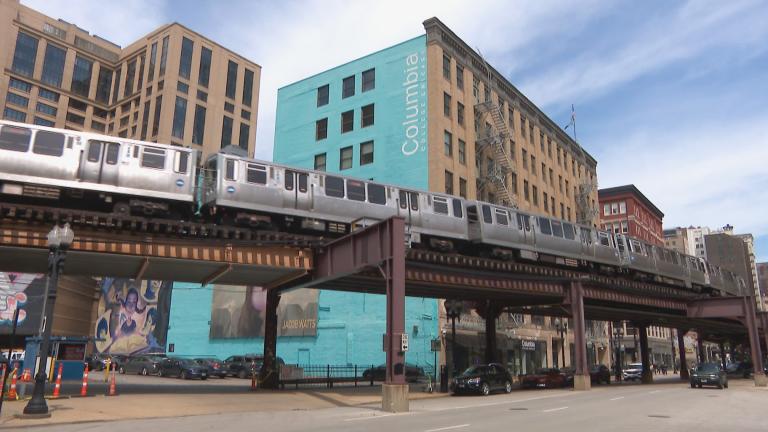
Chicago-area public transit agencies are facing a fiscal cliff. The budget gap for CTA, Metra and Pace is at $200 million, according to the Regional Transportation Authority.
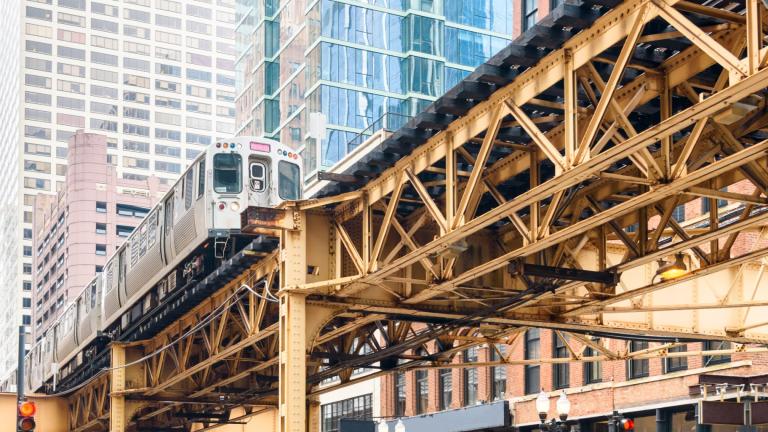
The announcement comes just a week and a half before lawmakers are set to return to Springfield for the fall veto session, during which numerous legislators say transit will be a main priority.
Chicago Transit Authority Acting President Nora Leerhsen said the agency has entered a “new phase” after the Illinois General Assembly failed last month to pass a measure tackling a $770 million budget gap for Chicago-area transit.
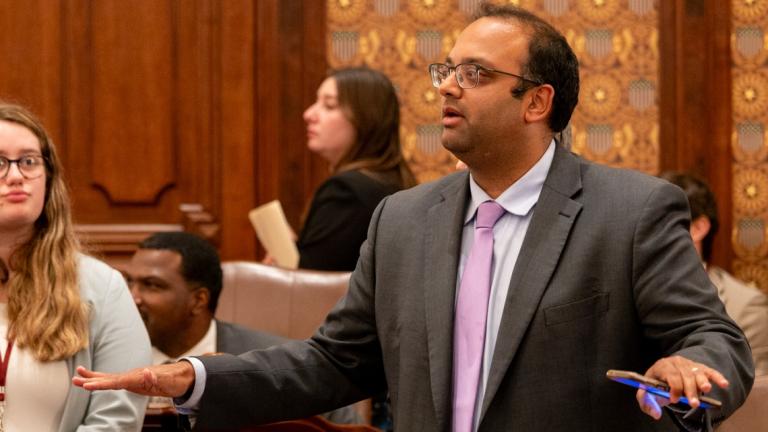
A version of the bill passed in the Senate, sponsored by Sen. Ram Villivalam, D-Chicago. But the House adjourned early Sunday morning without concurring as some of its tax hikes became too controversial. Now, the future of Chicagoland transit is in limbo as the bill awaits further action.
The measure, filed late Wednesday night, features a new menu of revenue sources to help keep Chicago-area buses and trains running. Lawmakers believe the measure will be enough to address the anticipated $770 million fiscal cliff next year.
The bill would replace the Regional Transportation Authority, which oversees CTA, Metra, and Pace, with a new entity called the Northern Illinois Transit Authority. It would be charged with creating a universal fare system and ensuring coordination of service and capital projects.
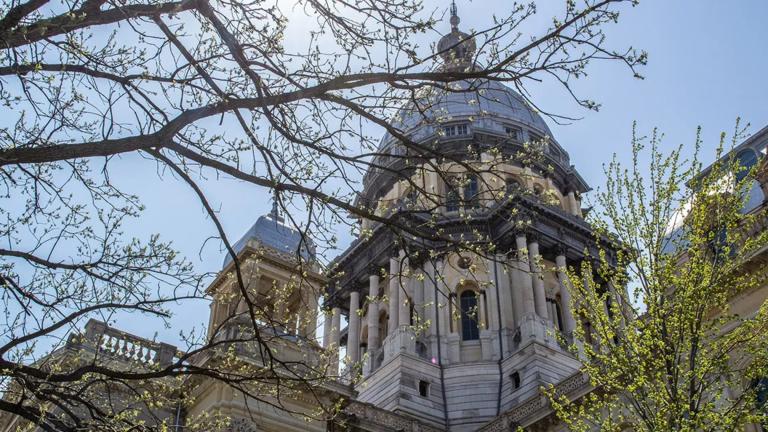
The Illinois General Assembly returned from the long weekend break for its final week of the spring session. Lawmakers have until May 31 to pass a revenue and spending plan with a simple majority of votes.
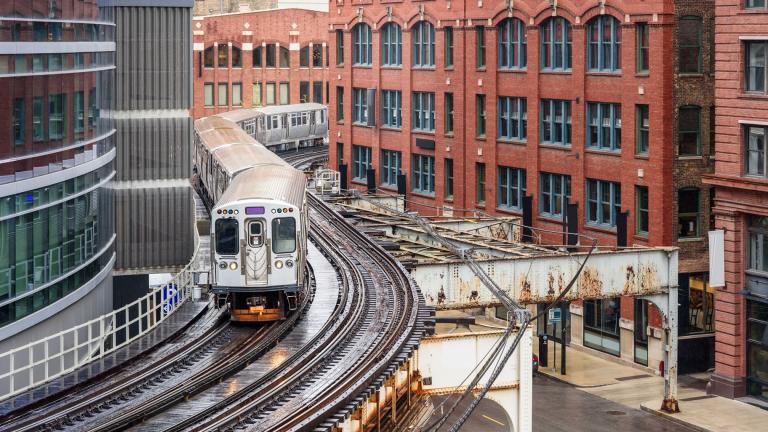
CTA, Metra and Pace are facing a $770 million hole in their budget next year and are urging the Illinois General Assembly to pass a public transportation funding and reform bill to avoid service cuts and major layoffs at each agency.
Trending
Pair of Chicago Elementary Schools Named Top in Illinois in New U.S. News Rankings

Mother-Son Reunions Among Latest Milestones for Shedd’s Rescued Belugas

Migration Mass Casualty With At Least 1,000 Birds Injured or Killed This Weekend in Chicago and on Northwestern’s Campus

Giannoulias, Quigley, Wilson — But Not Johnson — Among First to File Signatures Ahead of Chicago’s February Mayoral Election

Early Voting for November General Election Expands in Chicago, Suburban Cook County

Sign up for the WTTW News newsletter