Health
Chicago Launches Street Psychiatry Pilot Program to Bring Care to Unhoused Patients
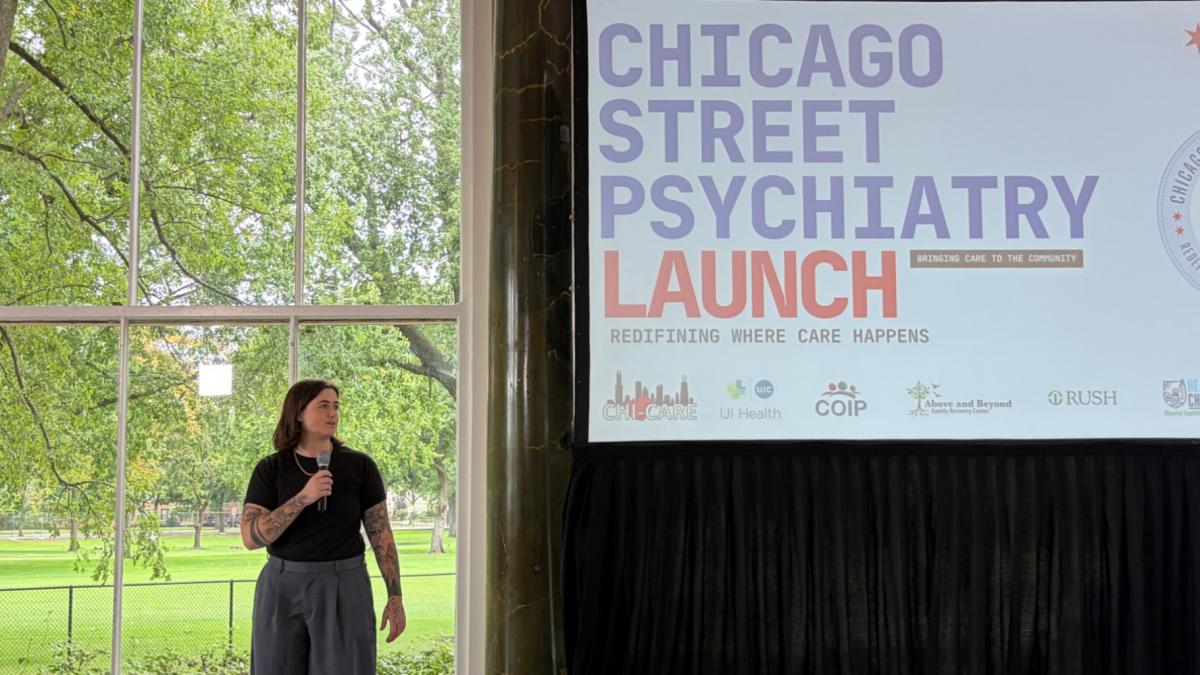 Ryann Billitteri, project manager for the office of substance use and recovery services at the Chicago Department of Public Health, speaks during a formal launch event for the city’s street psychiatry pilot program on Sept. 23, 2026, at the South Shore Cultural Center. (Eunice Alpasan / WTTW News)
Healthcare providers and community health workers gathered Wednesday at the South Shore Cultural Center to celebrate the formal launch of a citywide street psychiatry pilot program that aims to directly reach unhoused Chicagoans living with complex mental health needs.
“As a provider, there’s no feeling more defeating than knowing someone needs help and not having the tools, resources or flexibility to meet them where they are,” said Ryann Billitteri, project manager for the office of substance use and recovery services at the Chicago Department of Public Health. “Programs like these are changing that.”
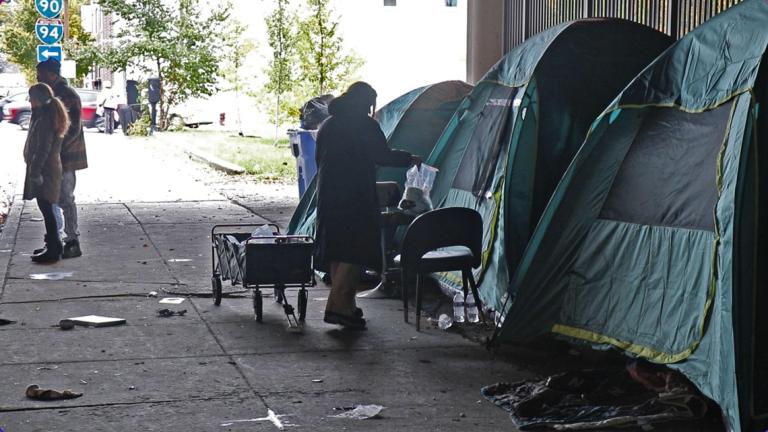
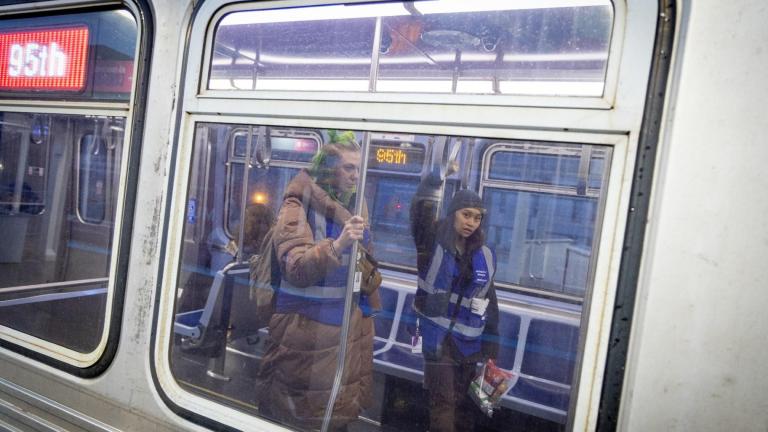
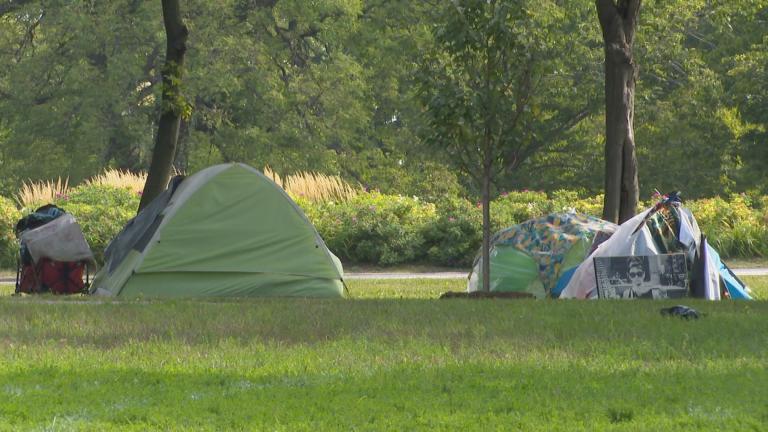
The program, which began its work about a month ago, is administered by teams of specialized healthcare workers who engage with people at shelters, parks, encampments, CTA transit areas and other community locations. The program specifically aims to engage with people who may cycle between hospitals, jails and shelters, according to program administrators.
Services are provided by two teams: the UIC Mile Square Health Center, in partnership with UIC’s Community Outreach Intervention Project, and Rush, in partnership with Above and Beyond Family Recovery Center. The city’s crisis assistance response and engagement team, or CARE, is also involved in the implementation of the program.
CDPH has allocated approximately $1.05 million for the pilot program, with about $700,000 to Above and Beyond, and $350,000 to UIC, according to a spokesperson.
To date, each of the two teams has enrolled six patients in the pilot program, with the goal of having 15 patients per team by the end of the year, according to Dr. Sam Jackson, street psychiatrist and assistant professor of psychiatry at Rush, Loyola and UIC. The ultimate goal is for each team — which includes a social worker, psychiatrist, nurse practitioner, medical doctor, peer specialist and certified alcohol and drug counselor — to have a caseload of 25 people at a time.
Defining success in the field of street medicine can often depend on the specific needs and goals of each individual, according to officials, but measures of success can include housing placements, adherence to medication or treatment plans, reduction in ER visits and improvements in psychiatric stability and symptoms.
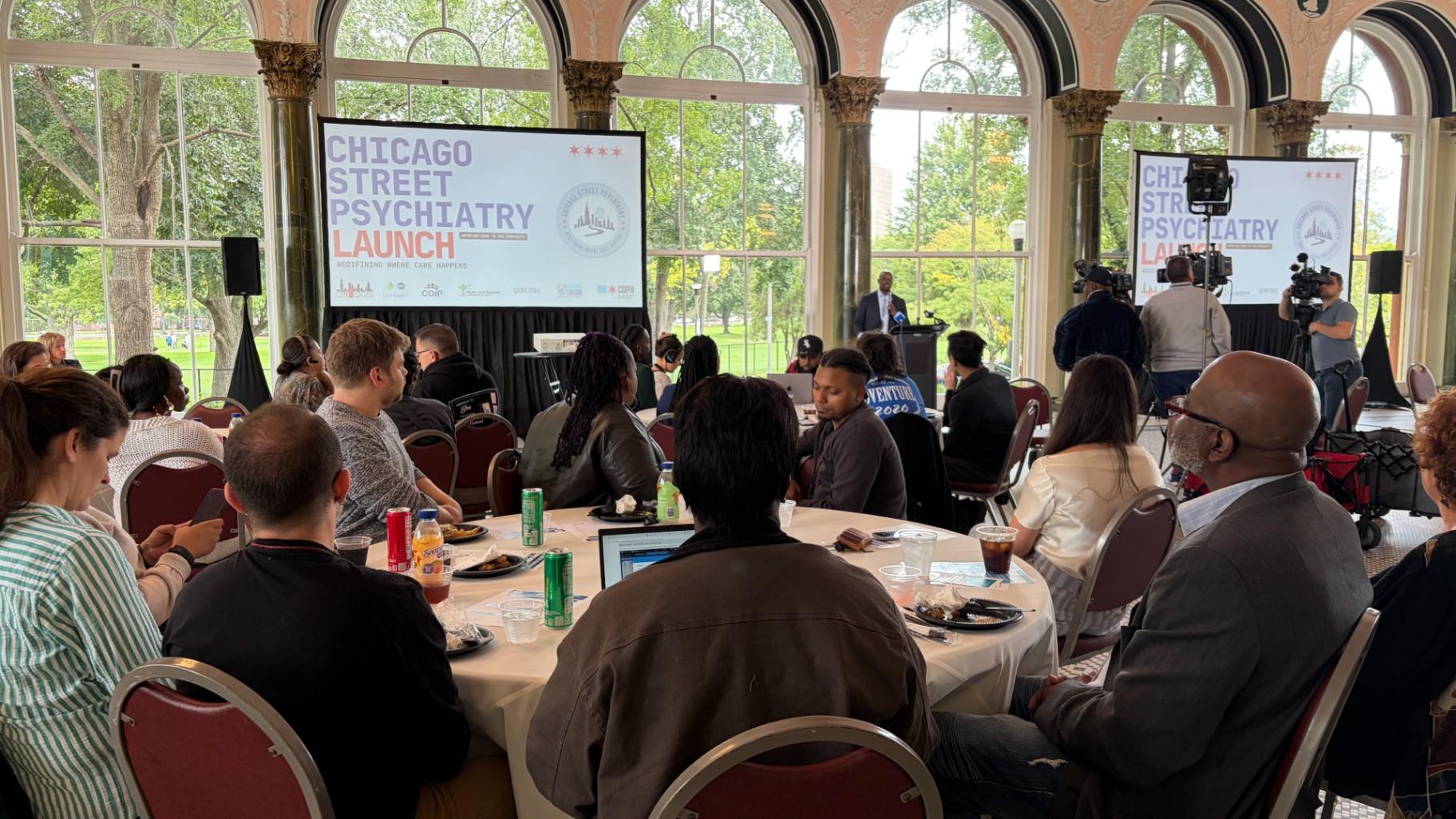 The city’s street psychiatry pilot program is administered by teams of specialized healthcare workers who engage with people at shelters, parks, encampments, CTA transit areas and other community locations. CDPH has allocated approximately $1.05 million for the pilot program. (Eunice Alpasan / WTTW News)
Goldie Rodriguez, a peer recovery support specialist at UIC’s Community Outreach Intervention Project, was unhoused for eight years and previously used drugs for 17 years. Rodriguez said her experiences make it easier for her to understand and connect with people she serves who are going through similar struggles.
“They’re human beings,” Rodriguez said. “They need more understanding. … They feel lost, so being there, seeing them, offering them a plate of food, offering them services, being there just to listen to them. That’s what they need. That’s what I needed.”
In April, CDPH announced a $16.2 million expansion of services aimed at reaching underserved residents with a range of medical, mental health, substance use and social needs, and extending care beyond traditional clinical settings. The initiative, Healthy Chicago Mental Health Collective, involves services provided through the street psychiatry pilot program, the city’s seven mental health clinics and more than 50 community providers.
One potential obstacle Jackson said he foresees in the implementation of the city’s street psychiatry program, and for any city doing similar work, is finding appropriate housing for patients.
“The folks that we work with should have, ideally, unique, specialized supportive housing, not just be given keys to any old apartment, but to locations where we can continue to go in and provide care in their apartment,” Jackson said. “So housing, especially specific types of supportive housing is going to be a bottleneck.”
The street psychiatry approach remains relatively uncommon nationwide, according to the health department, with Pittsburgh and Los Angeles among the few cities that have established similar models. The model involves building trust with patients, empowering them to set their own goals, providing care and following them over time.
Dr. Jim Withers, a pioneer in street medicine who serves as founder of the Street Medicine Institute in Pittsburgh, said an effective street psychiatry program is one that is grounded in the value and nuance of each individual.
“When each individual’s reality is honored, then the understanding flows from that,” Withers said. “I think you have to be a fierce advocate, but not take power from people.”
Contact Eunice Alpasan: [email protected]