Politics
Chicago Officials Issue 1st Video Gambling Licenses, Nearly a Year After City Council’s Green Light
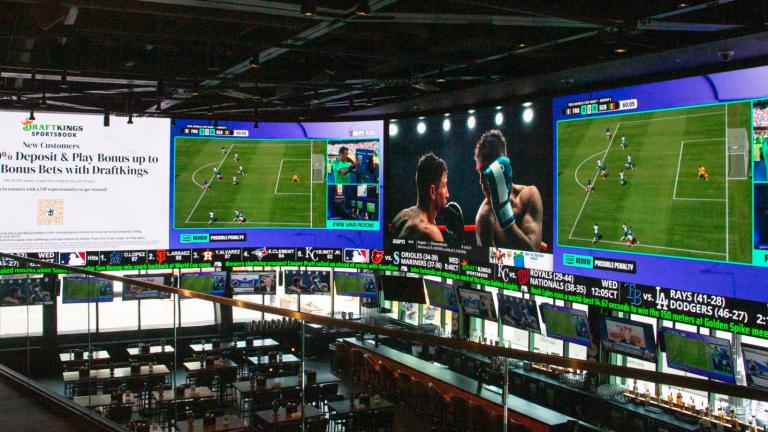
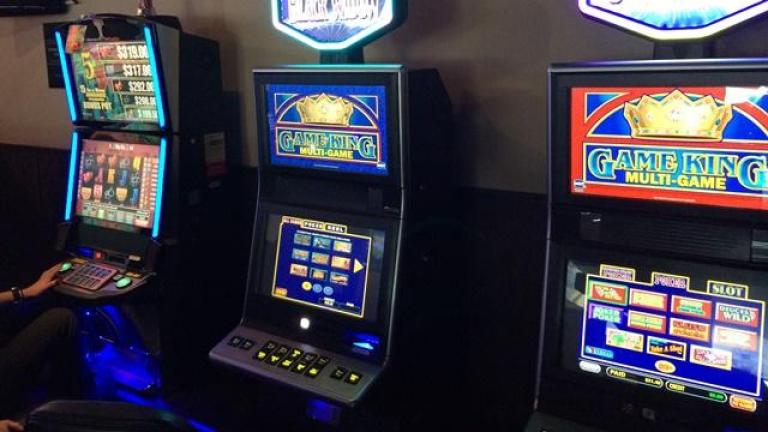
Seventeen Chicago bars and restaurants can now offer their customers a chance to try their luck on video card games and slot machines, nearly a year after the City Council agreed to allow video gambling in every neighborhood.
This new chapter in the history of gambling in Chicago begins over the objections of Mayor Brandon Johnson, who tried and failed to convince a majority of the City Council to reverse its approval of video gambling, which was included in 2026 spending plan that took effect over the mayor’s objections.
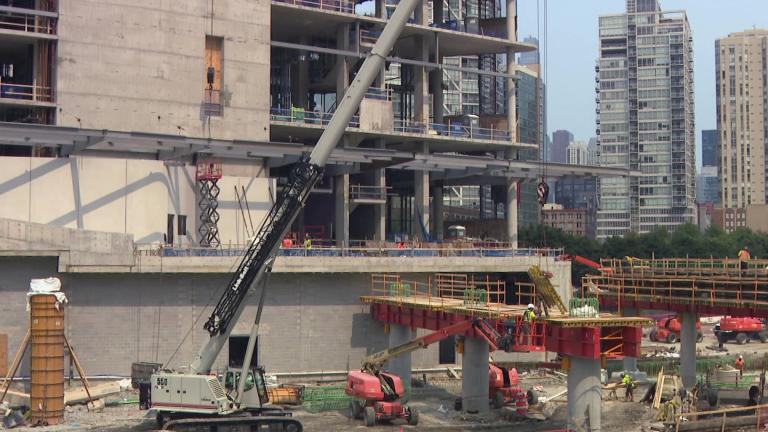
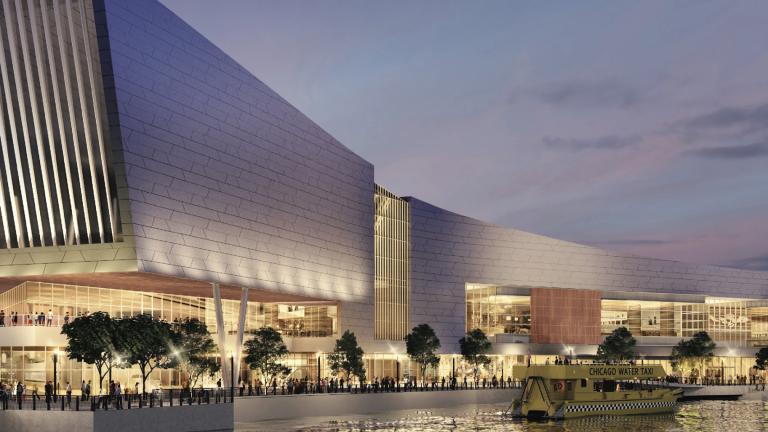
Representatives of Bally’s, which is building a new $1.7 billion casino in River West, warned again Thursday that allowing the nearly 3,300 bars and restaurants in Chicago that have liquor licenses to also offer video gambling will handicap the casino even before it opens.
“As we have repeatedly said, legalizing (video gaming terminals) within the city violates the terms negotiated between the City of Chicago and Bally’s,” spokesperson Lauren Westerfield said in a statement Thursday. “Authorization of (video gaming terminals) within at the scale projected amounts to a permanent transformation of the city’s gaming landscape. We remain open to further dialogue with the city.”
Bars and restaurants must obtain licenses from both the Illinois Gaming Board and the city’s Business Affairs and Consumer Protection department to offer video gambling.
One of the two D’Agostino Pizza and Pub restaurants that now have video gaming licenses is just a half-mile from where the new casino is set to open its doors in River West, records show. The other D’Agostino restaurant that will offer video gambling is near Wrigleyville, records show.
Four of the licenses went to bars and restaurants in the West Loop and the South Loop, while another two went to establishments near Midway Airport, records show. The rest of the licenses went to bars and restaurants concentrated on the Far Northwest and Far Southwest sides, records show.
Supporters of allowing Chicago bars and restaurants to offer video gambling contend it will boost the city’s sagging tax revenues and toss a lifeline to businesses struggling in a tough economic climate.
Gerry Belpedio, who owns Babe’s on Milwaukee in Portage Park with his son, said he hoped the gambling machines will bring in extra revenue.
“Bars by themselves are having a hard time making it,” Belpedio said.
Ald. Anthony Beale (9th Ward), who championed the legalization of video gambling, said it was long overdue for the Johnson administration to issue the first licenses.
“Nothing in this city should take this damn long,” Beale said Thursday, accusing Johnson of deliberately slow-walking the issuance of video gambling licenses as he worked to convince the City Council to reverse course.
City officials began accepting video gambling license applications in June, and issued the first license on Oct. 23, records show.
State officials issued the first video gambling license in Chicago in June. Since then, 78 state licenses have been issued by the Illinois Gaming Board, with an additional 298 pending, records show.
Beale said he expects those numbers to grow exponentially now that the city has begun to allow bars and restaurants to plug in machines from one of six firms allowed to provide the casino-style games in Chicago.
The city will get just 5% of the revenue from bets at Chicago bars and restaurants, while the state will get 30%, according to state law. By comparison, the city gets 20% of all bets placed at the casino, officials said.
Johnson’s 2027 budget proposal relies on $3.3 million in video gambling revenue, less than half of the revenue this year’s budget counted on but did not materialize, records show.
Bally’s has been operating a temporary casino at Medinah Temple in River North.
The city anticipates $40.5 million in revenue from the casino in 2027, money that is earmarked for the city’s police and fire pension funds, records show. The city’s 2026 spending plan counted on $44.6 million from the casino, records show.
Johnson and his allies on the City Council have said they believe allowing video gambling across the city will also strain city resources, by turning corner bars and taverns into inviting targets for criminals. Suburban bars that offer video gambling have been frequently targeted by thieves, records show.
Officials with the Johnson administration established “a police review process to identify and address potential safety concerns in the immediate vicinity of proposed (video gambling terminal) locations, similar to the police review conducted as part of the liquor licensing process,” in an effort to balance “the need to maintain community safety and ensure appropriate oversight,” according to the mayor’s spokesperson.
A spokesperson for Johnson declined to answer questions from WTTW News about what steps officials took to ensure the licensed video gambling operations are secure and do not become public nuisances.
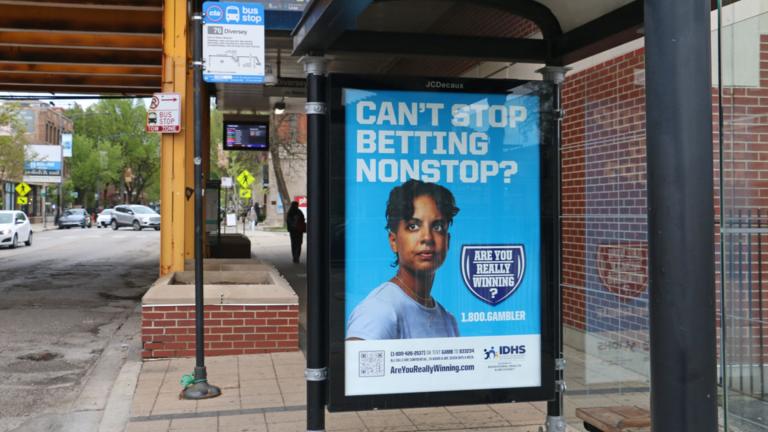
Opponents are also concerned that expanding access to video poker, blackjack and slots is also likely to increase the number of Chicagoans who suffer from gambling addictions.
Bally’s halted construction on the 34-story, 500-room hotel, concert venue and restaurants designed to make the city’s only casino a destination for residents and visitors in September, saying officials needed time to assess what the legalization of video gambling across Chicago would mean for its bottom line after it became clear that the City Council would not change course.
Several alderpeople have charged Bally’s with violating its agreement with the city by stopping construction on the entire complex, a charge that firm officials denied, noting that the casino is scheduled to open as planned in September 2027.
Bally’s laid off 12% of the 1,500 workers building the hotel, concert venue and restaurant, company officials told members of the City Council.
Bally’s temporary casino rang up just $15.28 million in new gaming tax revenue for the city in 2025, down slightly from 2024, records show.
Bally’s was fourth in the Chicago area for casino revenue in 2025 with nearly $125 million in adjusted gross revenue, the amount of money received by the casino operator, minus the winnings paid to those who tried their luck and won.
That is much less than the more than $253 million city officials had originally projected the temporary casino would generate, records show.
All but three members of the City Council and the mayor face reelection in February, and many will rely on the financial support of labor organizations whose members are building the casino and would work there once it opens.
A study by a city consultant warned alderpeople that the decision to legalize video gambling could cost nearly 400 jobs at the casino.
In addition, members of Johnson’s administration warned the City Council before it voted to approve video gambling across the city that the move would prompt Bally’s to stop paying the city $4 million annually, as called for in the agreement it reached with Chicago officials in 2022 for the city’s first, and only, casino license.
Bally’s made that payment in September, just weeks before the city issued the first license for video gambling in Chicago outside the temporary casino.
Andrew Montequin contributed reporting.
Contact Heather Cherone: @HeatherCherone | (773) 569-1863 | [email protected]