Arts & Entertainment
Art Institute to Return Painting Forcibly Sold During World War II to Heirs of Jewish Collector
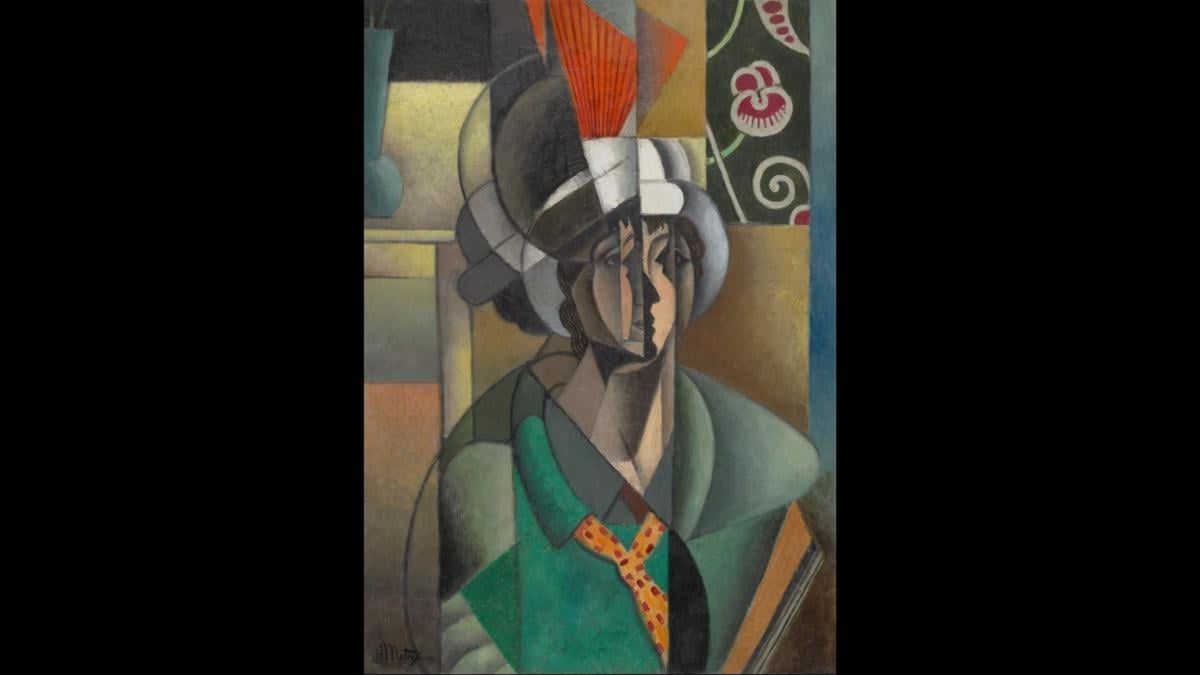 Jean Metzinger. Woman with a Fan, 1913. Gift of Mr. and Mrs. Sigmund Kunstadter. © 2026 Artists Rights Society (ARS), New York / ADAGP, Paris.
The Art Institute of Chicago is returning a painting to the family of a Jewish art collector following new information about the work’s history, the museum announced Tuesday.
The 1913 piece “Woman with a Fan” by cubist painter Jean Metzinger is returning to the family of Emanuel Lewenstein after the museum discovered it was part of his collection when it was involved in a forced sale in Amsterdam following the German invasion of the Netherlands during World War II.
The museum stated it researched the painting’s provenance since it acquired the piece in 1959, but gaps remained in its history. The new understanding of the painting’s history came through a collaborative research exchange between the museum and the Mondex Corporation, a Toronto-based company that helps families recover art seized during the Holocaust.
“This return reflects our commitment to take decisive action when new research clarifies the provenance of a work,” Jacques Schuhmacher, executive director of provenance research at the Art Institute, said in a statement. “Our collaboration and shared research with Mondex was crucial to returning this painting to the Lewenstein heirs.”
The Art Institute’s department of provenance research is one of the largest departments of its kind in the country, according to the museum. The department works with curators, researchers and museum leaders to conduct research and inform decision making, according to the museum.
Over 650,000 works of art were seized or forcibly sold by the Nazis across Europe between 1933 and 1945, and only a small fraction have been returned to their rightful owners, according to the nonprofit Center for Art Law.
The announcement comes after a New York appellate court ruled last week that a 1916 drawing, “Russian War Prisoner,” by Egon Schiele, can remain at the Art Institute for the time being amid a dispute in which investigators allege the drawing was seized during the Holocaust, according to a New York Times report.
Several other museums and private collectors have returned works by Schiele after investigators presented evidence that they were stolen by Nazis, the New York Times reported, but the Art Institute has disputed the evidence in the case of its Schiele drawing.
“We are confident in our extensive research, which indicates very different facts for each of the two works,” according to a statement from the Art Institute. “Evidence indicates the Metzinger painting was seized from the family and forcibly sold, while evidence related to the Schiele drawing indicates it was never seized, stayed within the family, and was ultimately sold by the family more than ten years after the war.”
WTTW News arts coverage is supported by the JCS Arts, Health & Education Fund of the DuPage Foundation.
Contact Eunice Alpasan: [email protected]