

World War II
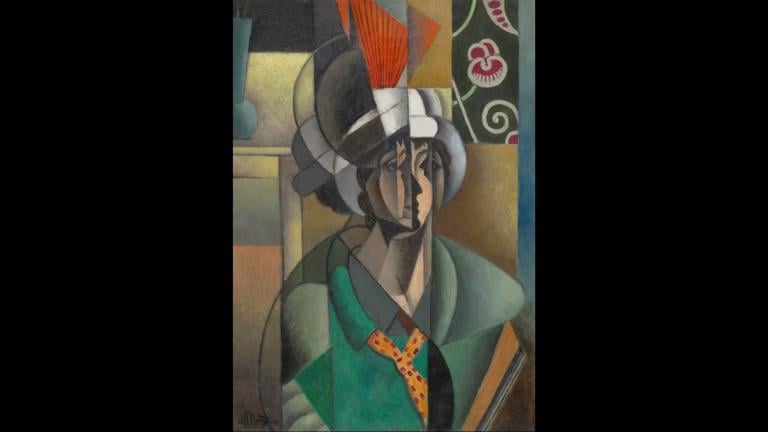
The 1913 artwork “Woman with a Fan” by cubist painter Jean Metzinger is returning to the family of Jewish art collector after the museum discovered it was part of a forced sale during World War II.


Inside the Department of Behavioral Sciences at the University of Illinois Chicago, a dedicated team of researchers is working to solve decades-old mysteries by locating and identifying the remains of missing American service members who never made it home from war.
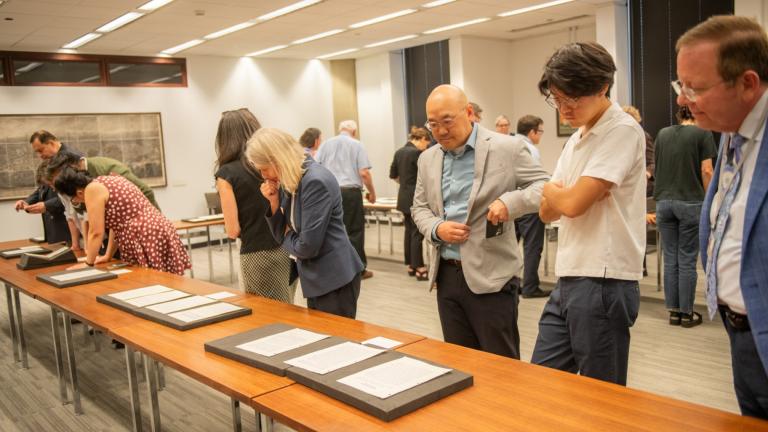
Amid growing global tensions, major gaps in diplomatic relations and fitful efforts to reduce the weapons stockpile, some experts are warning it’s time for world leaders to renew their focus on preventing nuclear war.
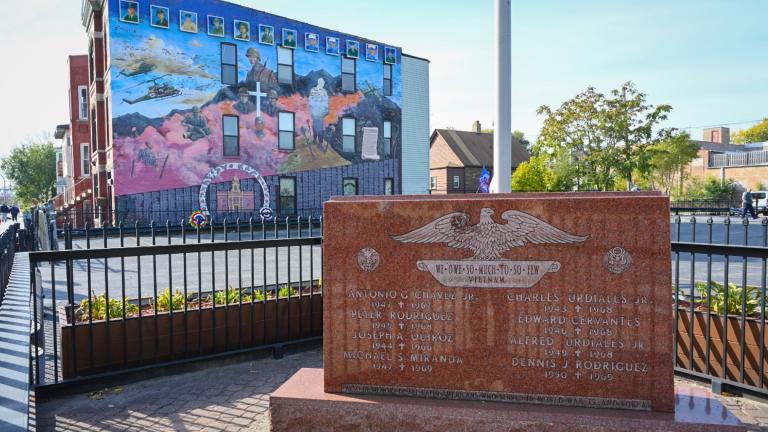
Whether laying wreaths, flying American flags or donning red poppies, Chicagoans unite over Memorial Day weekend to honor veterans who served in the U.S. military.
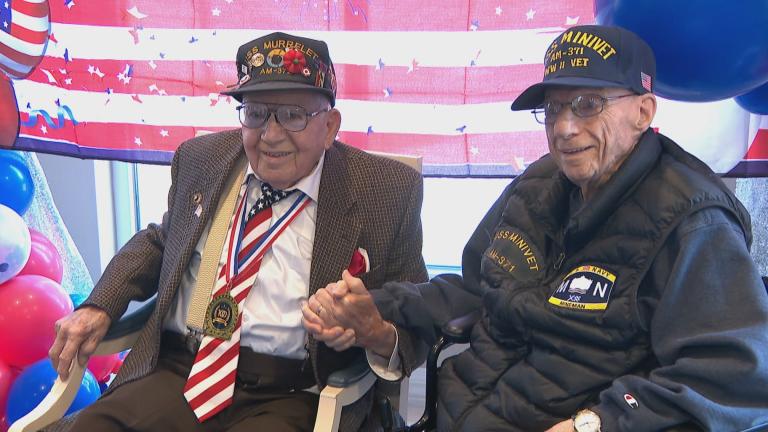
Two local WWII veterans associated with a deadly ship explosion off the coast of Japan met in person for the very first time last week in Evanston. Myron Petrakis is just shy of his 102nd birthday; Marvin Elfman is 97.
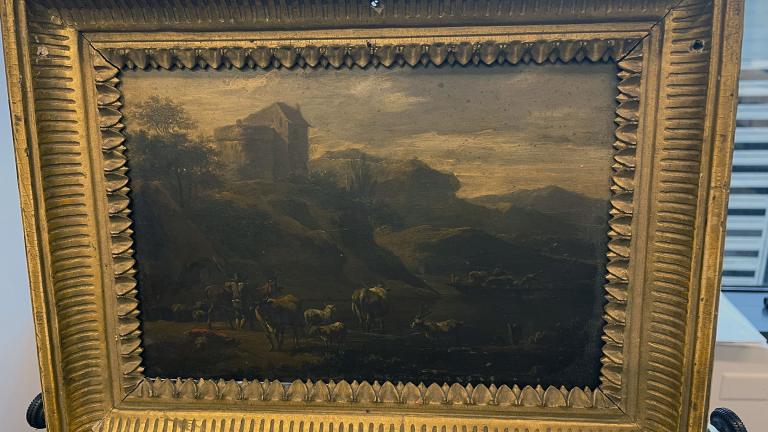
Art Recovery International, a company focused on locating and recovering stolen and looted art, tracked down the painting after a person in Chicago reached out claiming to possess a “stolen or looted painting” that their uncle brought back to the U.S. after serving in World War II.
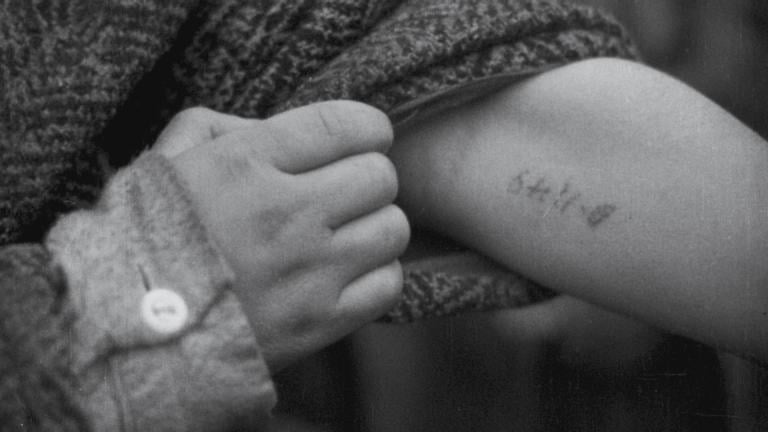
History lessons may recall that the U.S. helped liberate Nazi concentration camps after defeating Germany in World War II, but the entire story is far more complicated.
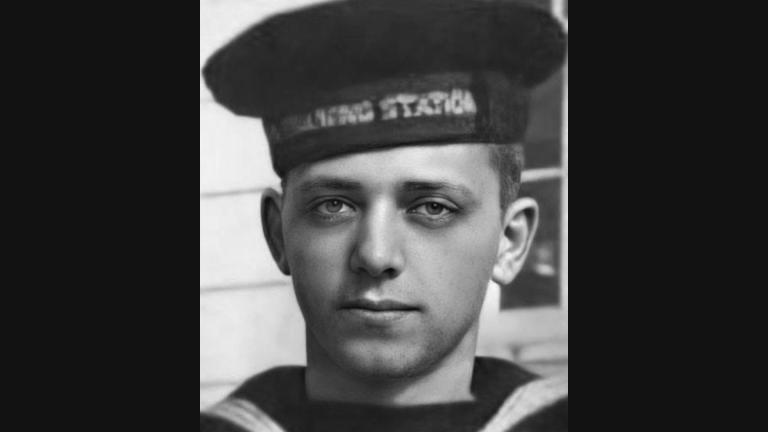
Members of Herbert “Bert” Jacobson’s family have waited all their lives to attend a memorial for the young man they knew about but never met. Jacobson was among the more than 400 sailors and Marines killed on the USS Oklahoma during the Dec. 7, 1941, Japanese attack on Pearl Harbor.
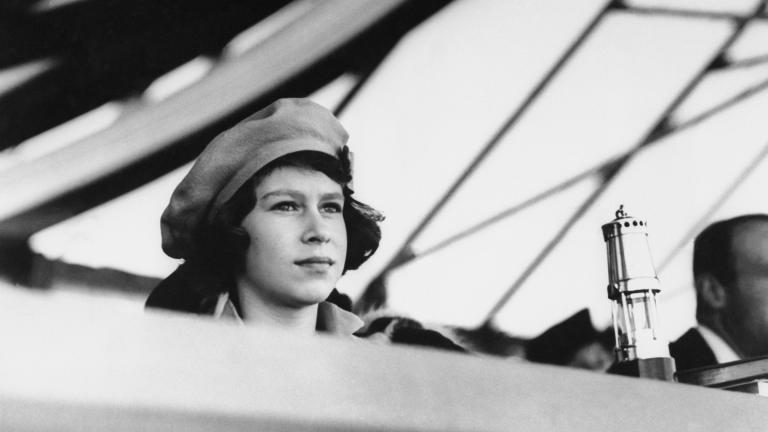
Elizabeth often gave the impression of a serious demeanor, and many have noted her “poker face,” but those who knew her described her as having a mischievous sense of humor and a talent for mimicry in private company.
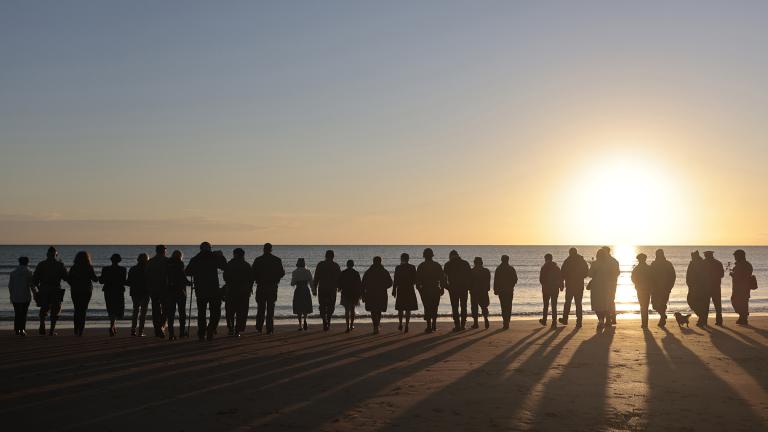
As several dozen D-Day veterans — now all in their 90s — set foot on the sands that claimed so many colleagues, they are thankful for the gratitude and friendliness of the French toward those who landed here on June 6, 1944.

The Holocaust, World War II and Nazism have been important tools for Putin in his bid to legitimize Russia’s moves in Ukraine, but historians see their use as disinformation and a cynical ploy to further the Russian leader’s aims.
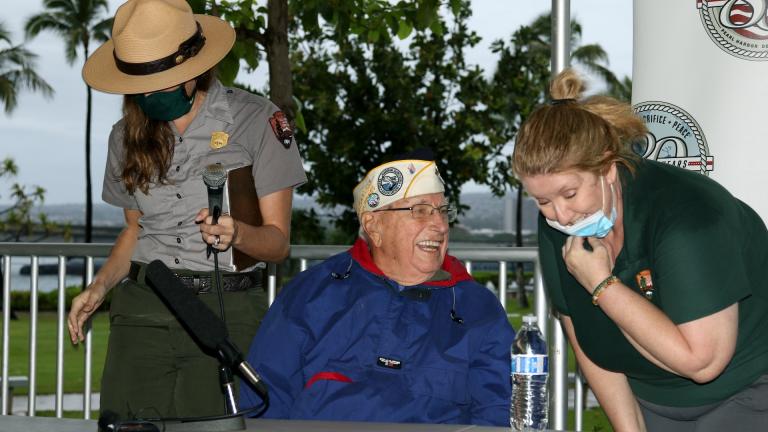
A few dozen survivors of Pearl Harbor are expected to gather Tuesday at the site of the Japanese bombing to remember those killed in the attack that launched the U.S. into World War II. They will observe a moment of silence at 7:55 a.m., the same minute the attack began decades ago.
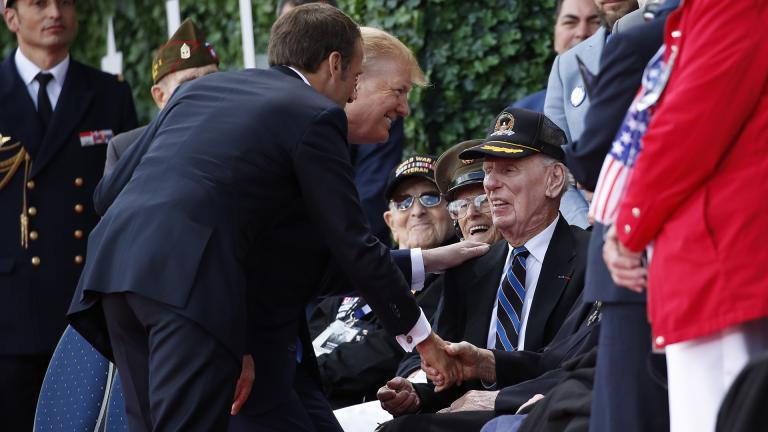
“You are the pride of our nation, you are the glory of our republic and we thank you from the bottom of our heart,” President Trump said, of the “warriors” of an “epic battle” engaged in the ultimate fight of good against evil.
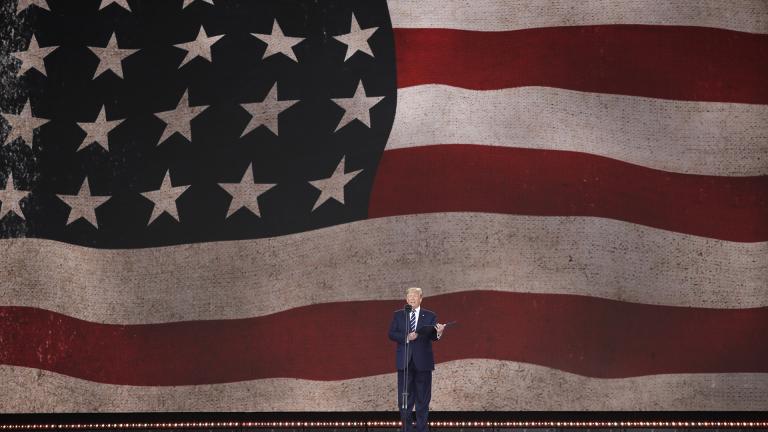
President Donald Trump read from a prayer delivered by President Franklin D. Roosevelt as he joined other world leaders and veterans Wednesday in marking the 75th anniversary of D-Day.

The actor and activist hosts a screening and discussion of the film “Star Trek II: The Wrath of Khan” this weekend. We caught up with him to talk “Trek,” Trump and more.
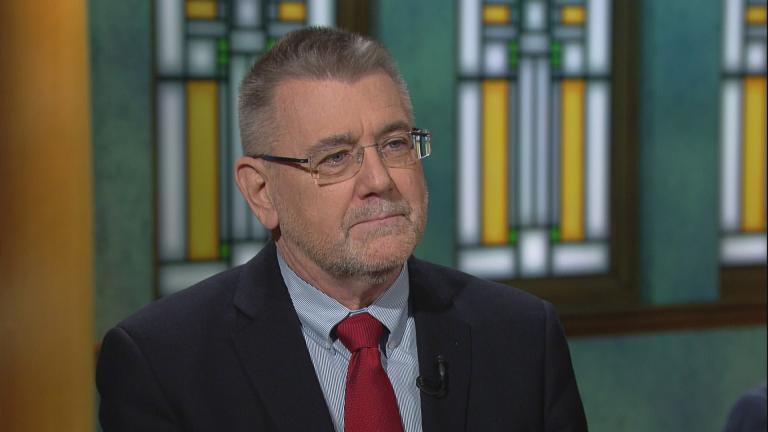
For 36 years, professor Peter Hayes sought to understand and explain the Holocaust to students at Northwestern University. He joins us to discuss his new book.
Trending
Republican Ohio Gov. Mike DeWine Denounces Ramaswamy Ad Featuring Democrat Amy Acton’s Estranged Mother
CTA to Suspend Loop Elevated Train Service This Weekend for Track Maintenance

Mayor Johnson Again Proposes Corporate Tax Hikes to Bridge Budget Gap; Says City Must Borrow $481M to Resolve Police Misconduct Lawsuits
Suspend 4 CPD Officers Who Stopped, Shot Dexter Reed for Violating Rights of 4th Driver: Former Top Cop

Chicago DJ Sam Chatman, Known as the Godfather of Steppin’, Dies at 85
Sign up for the WTTW News newsletter