

Venezuela
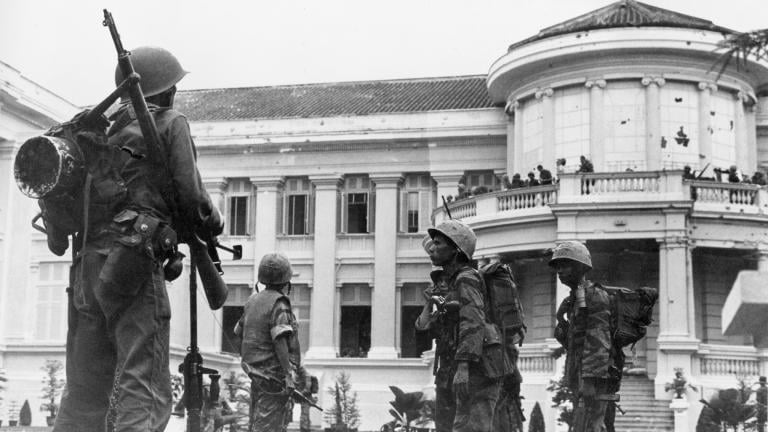
Washington has a long, complicated past when it comes to regime change. There was Vietnam in the 1960s and 70s, and Panama in 1989. There was Nicaragua in the 1980s, Iraq and Afghanistan in the years after 9/11, and Venezuela just weeks ago.
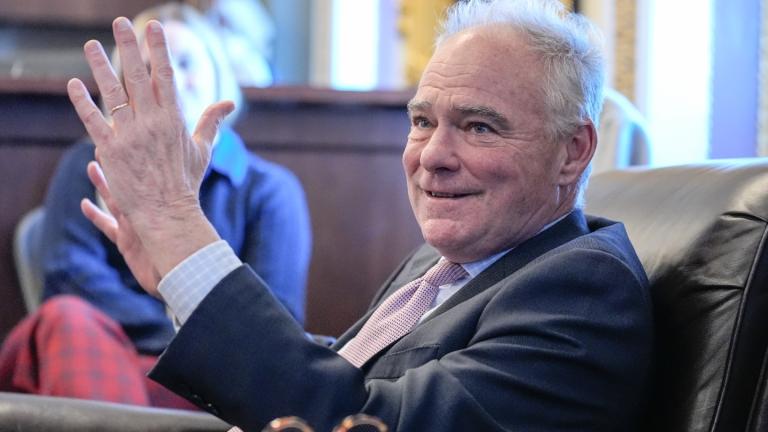
The Trump administration is now seeking to control Venezuela’s oil resources and its government, but the war powers resolution would require congressional approval for any further attacks on the South American country.
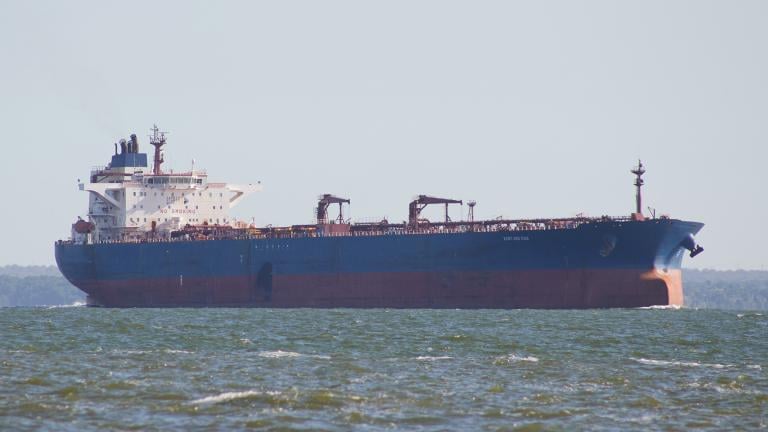
Venezuela’s oil industry has been in the spotlight since President Donald Trump used military force to capture the country’s leader, President Nicolas Maduro.
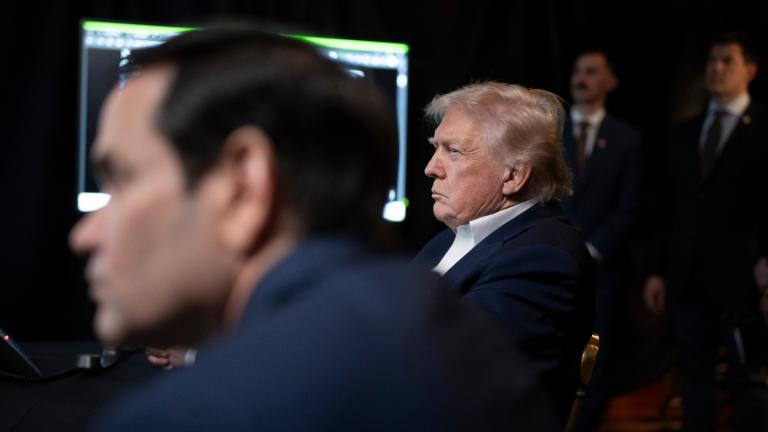

Seemingly contradictory statements from Trump and Secretary of State Marco Rubio have suggested at once that the U.S. now controls the levers of Venezuelan power or that the U.S. has no intention of assuming day-to-day governance and will allow Maduro’s subordinates to remain in leadership positions for now.
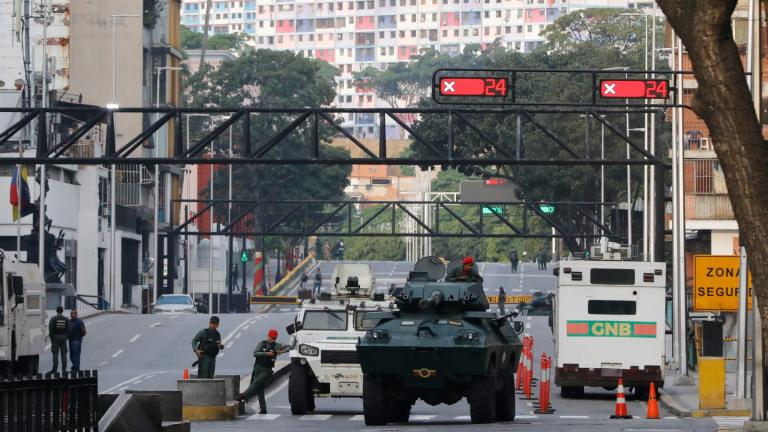
The United States captured Venezuelan President Nicolás Maduro and flew him out of the country in an extraordinary nighttime operation that was accompanied by a flurry of strikes.
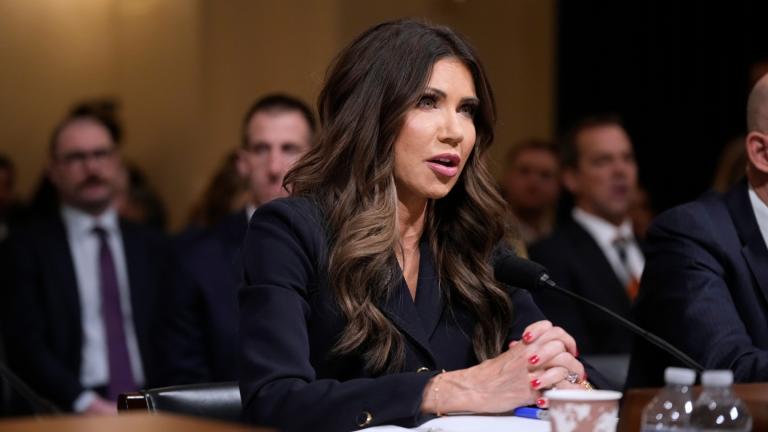
Incredibly unusual, the use of U.S. forces to seize a merchant ship was a sharp escalation in the Trump administration’s pressure campaign on President Nicolás Maduro, who has been charged with narcoterrorism in the United States.
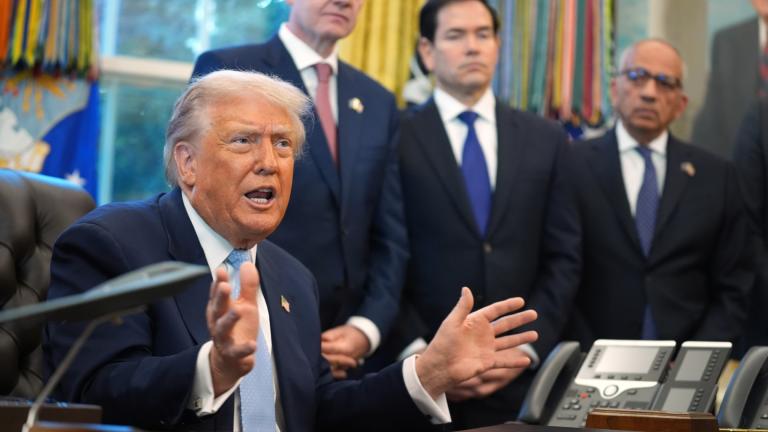
The comments deepened the uncertainty about the Trump administration’s next steps toward Venezuelan leader Nicolás Maduro’s government.
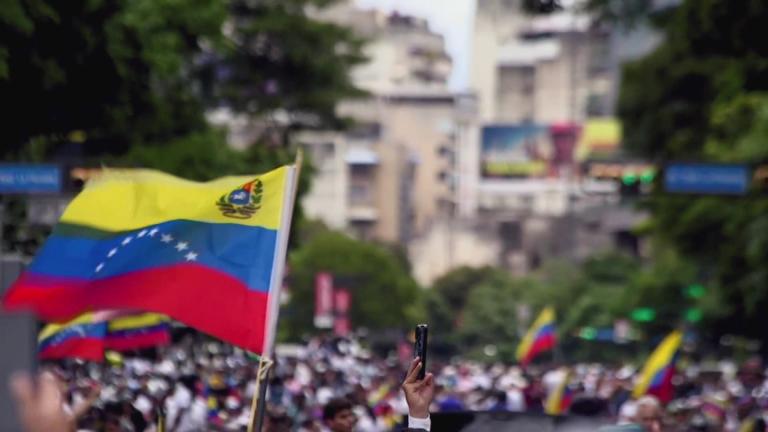
Tens of thousands of Chicago-area Venezuelans are in legal limbo as the Trump administration attempts to end temporary protected status. These deportation protections were granted to Venezuelans in 2021 and 2023, and were originally set to expire in October 2026.
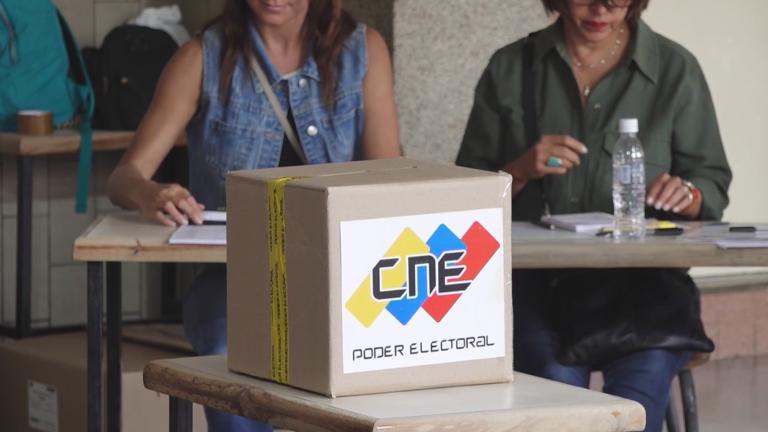
Latin America is in the midst of a crucial election year in countries including Venezuela, whose ruling party claimed another win last month amid opposition boycotts. Advocates say last month’s results could further roil the country’s political landscape.
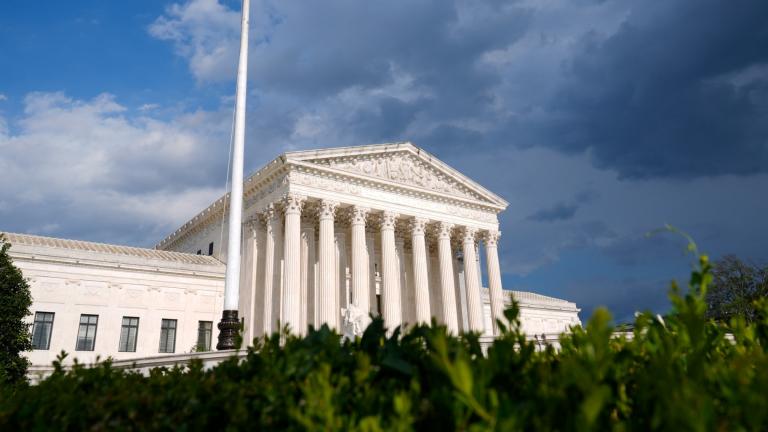
The emergency appeal to the high court follows a rejection of the Republican administration’s plea to the federal appeals court in Washington. By a 2-1 vote, a panel of appellate judges left in place an order temporarily prohibiting deportations of the migrants under the rarely used Alien Enemies Act
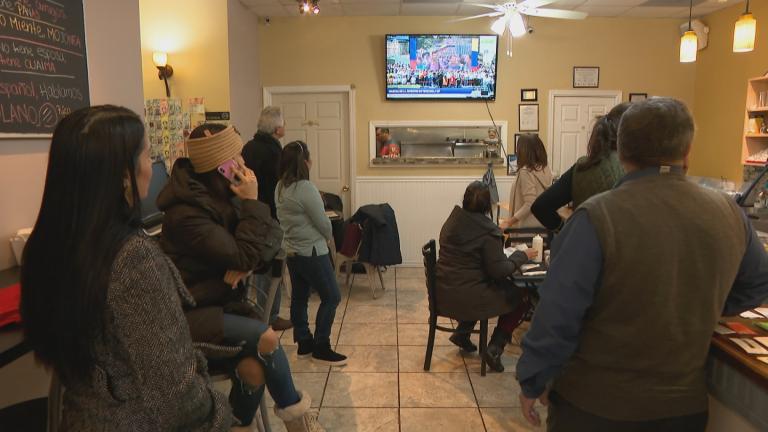
Temporary protected status (TPS) is a designation the U.S. government gives for countries it deems too dangerous to humanely send its citizens back to. Eligible migrants from designated countries can apply for protections from deportation if they arrived in the U.S. by a certain date.
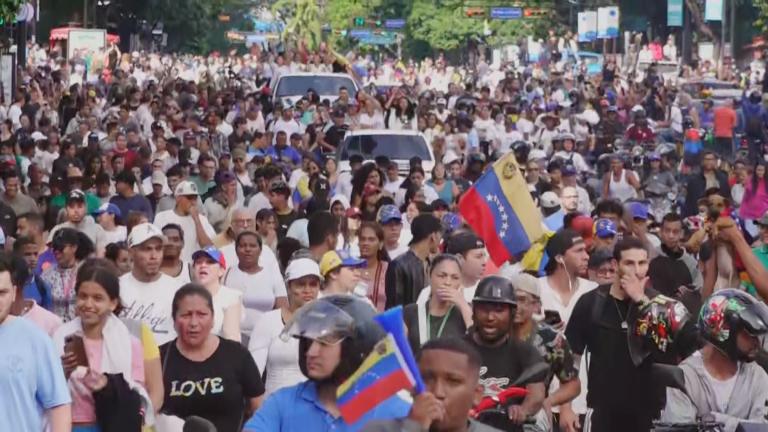
Protests erupted in Venezuela over the results of the country’s latest presidential election. Current president Nicolas Maduro declared victory — but his opposition is raising concerns over the accuracy of those results.
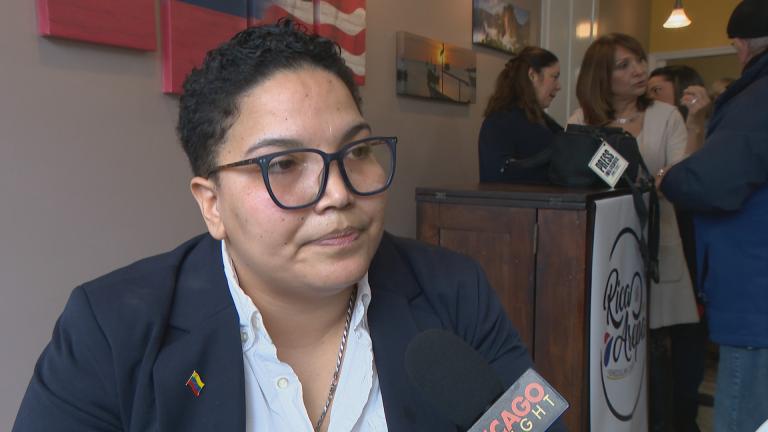
A growing number of Venezuelans fleeing the turmoil in their country are finding a new life in Chicago. But they’re keeping a close eye on their homeland, with the hopes that change is about to take place.

A remarkable, free music program in a Chicago Public School is changing lives. We revisit Jay Shefsky's story.

A remarkable, free music program in a Chicago Public School is changing lives. Jay Shefsky has the story.
Trending
Pair of Chicago Elementary Schools Named Top in Illinois in New U.S. News Rankings

Migration Mass Casualty With At Least 1,000 Birds Injured or Killed This Weekend in Chicago and on Northwestern’s Campus

Giannoulias, Quigley, Wilson — But Not Johnson — Among First to File Signatures Ahead of Chicago’s February Mayoral Election
Early Voting for November General Election Expands in Chicago, Suburban Cook County
Chicago Hotel Workers Expand Strike as They Negotiate Wages, Working Conditions
Sign up for the WTTW News newsletter