

Illinois Department of Corrections
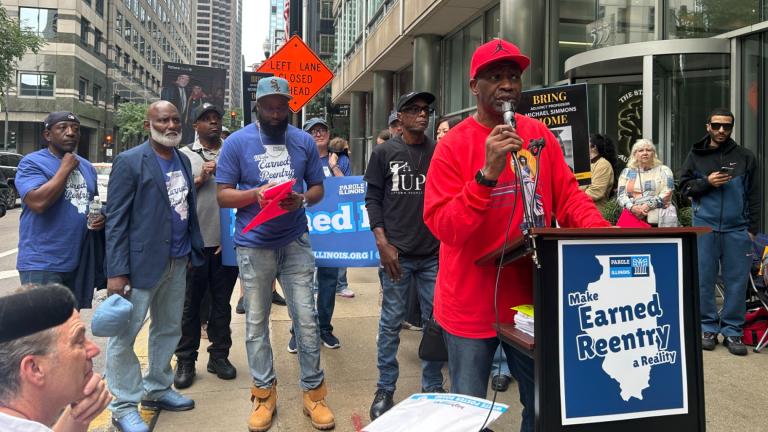
Advocates said it’s time to recognize the value of second chances, and for parole, or “earned reentry,” to be reinstated. That would allow people to be released before the completion of their sentence.
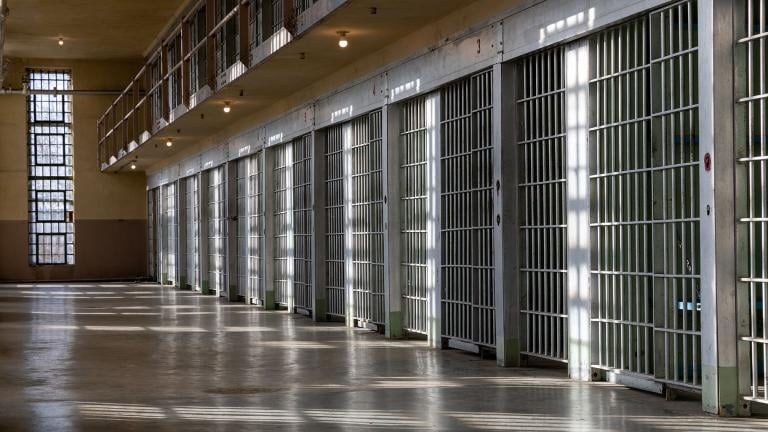
A new lawsuit filed against the Illinois Department of Corrections alleges incarcerated deaf people do not have equal access to phone calls.
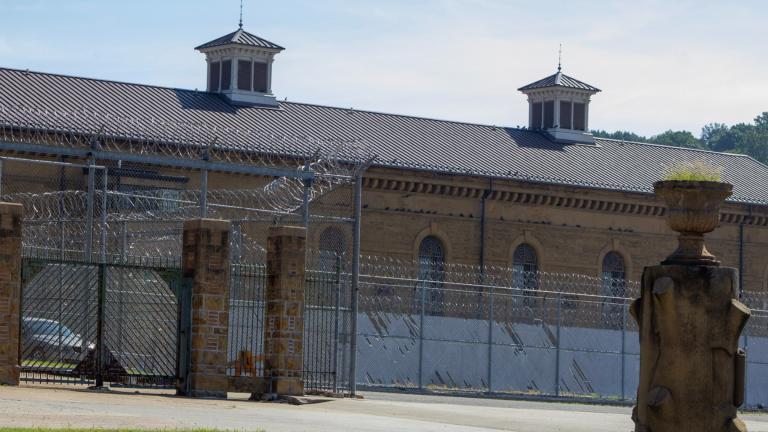
Incarcerated Illinoisans admitted to solitary confinement appear to no longer have access to outside communication, legal materials and educational programming through tablets, according to advocates.
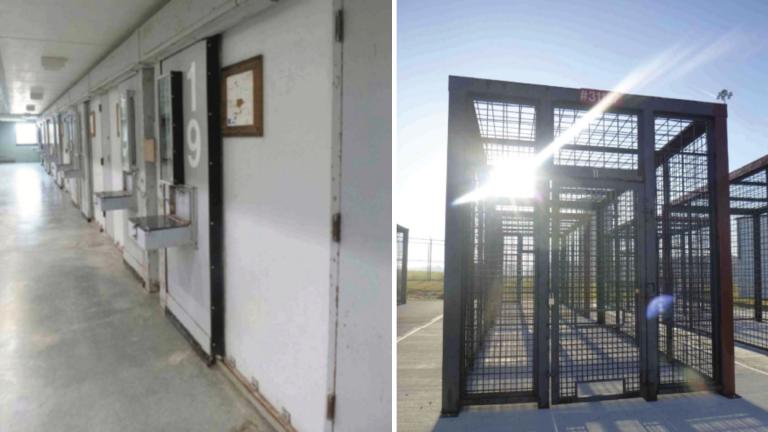
The men declared the strike from their restrictive housing, or solitary confinement, cells on Monday, alleging a lack of mental health treatment and out-of-cell time at the prison in the southeast region of the state.


Designed to help people with serious mental illness, Joliet Treatment Center repeatedly failed to prevent or respond to fires, despite two deaths.
Designed to help people with serious mental illness, Joliet Treatment Center repeatedly failed to prevent or respond to fires, despite two deaths.
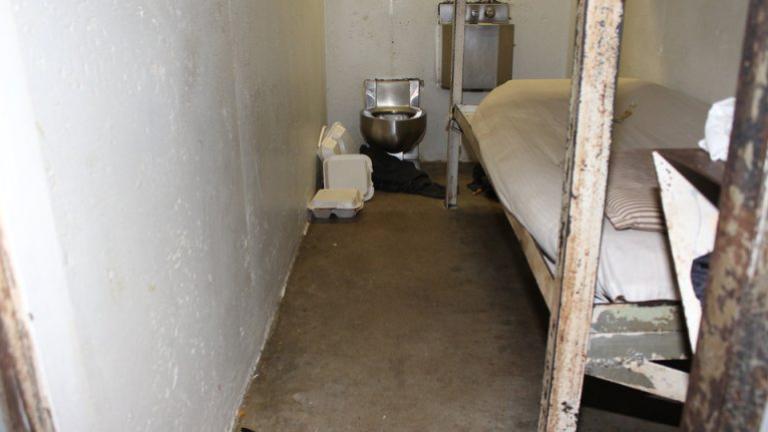
Three men filed a lawsuit Monday against administrators at the Illinois Department of Corrections and Menard Correctional Center, alleging that they inflicted cruel and unusual punishment on the plaintiffs.
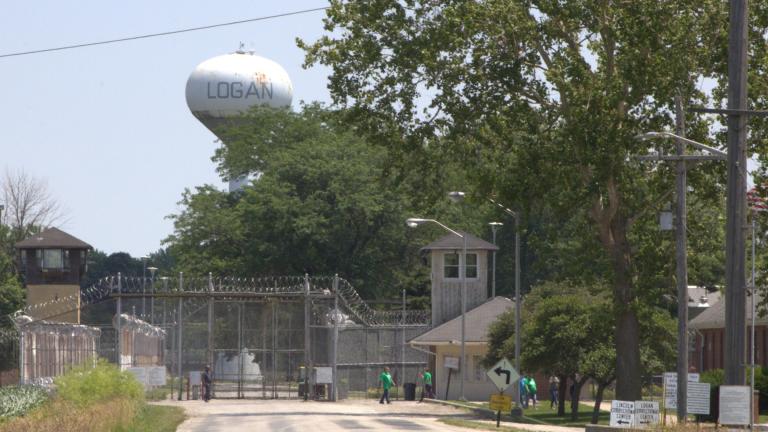
Logan Correctional Center, the largest women’s prison in Illinois, will be rebuilt with an 800-bed capacity about 140 miles north of its current location. As of this spring, Logan housed around 1,200 women and employed more than 400 people.
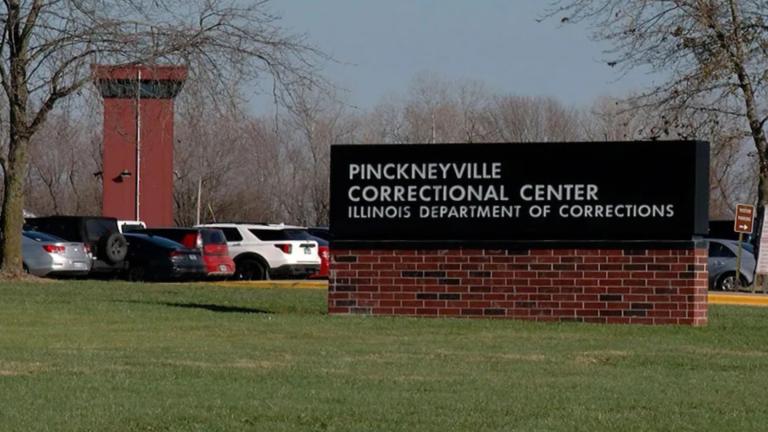
Maggi Tudor faces 10 to 16 months in prison and a fine of $5,500 to $55,000.
July 1 marks a second New Year’s Day in Illinois as a new budget takes effect along with more than a dozen new state laws.
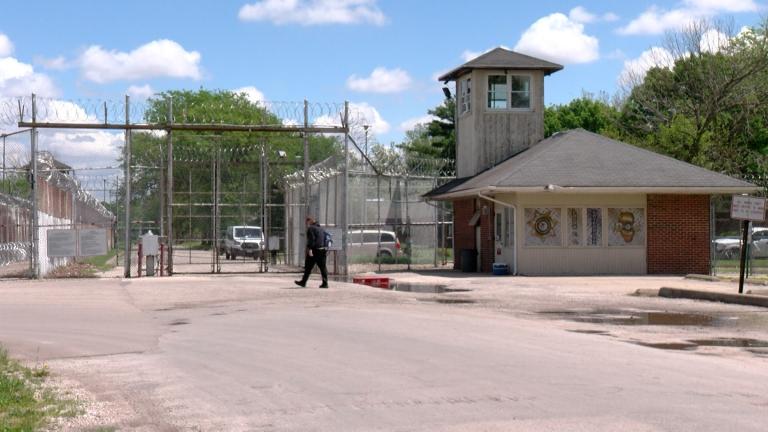
Illinois Seeks Two Crest Hill Prisons, Leaving Lincoln Out of Logan Correctional Center Rebuild Plan
Local and state Republican leaders criticized the plan for potential harm to Lincoln and Logan County after the area has seen economic hardship in recent years.

The switch to digitized mail for incarcerated people has had little impact on the drug exposures the policy sought to stop, according to new data from the Illinois Department of Corrections.
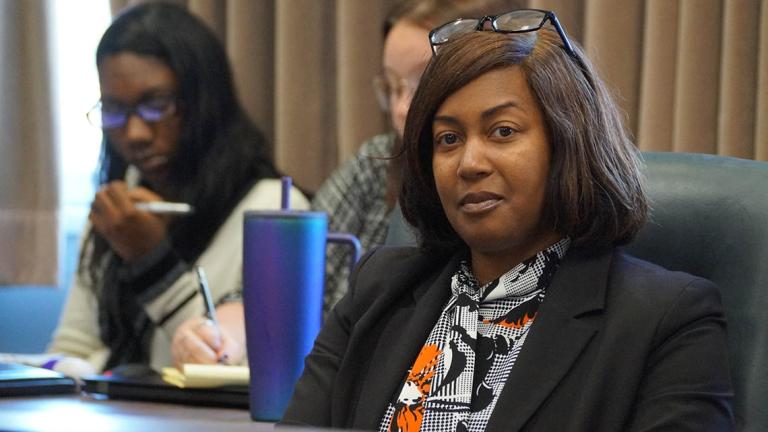
Illinois lawmakers are fed up with the state Department of Corrections after another audit found it has ignored state spending rules and failed to fix many mistakes that have languished for years.
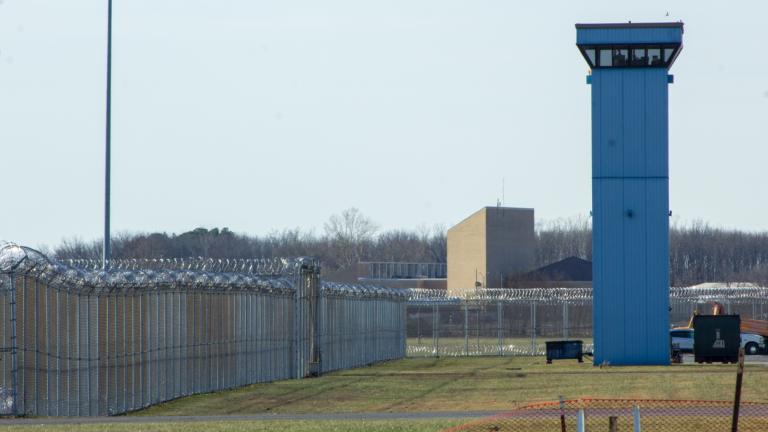
Under two different Illinois laws, people charged with sex offenses are subject to indefinite detention. Some people who’ve only been charged with a crime — never convicted or sentenced — can spend the rest of their lives at a correctional center.
Over the past five years, 59 petitions have been filed with the Illinois Department of Corrections from those incarcerated in Illinois state prisons requesting transfers all over the world. Only two people have been approved, and two more are pending.
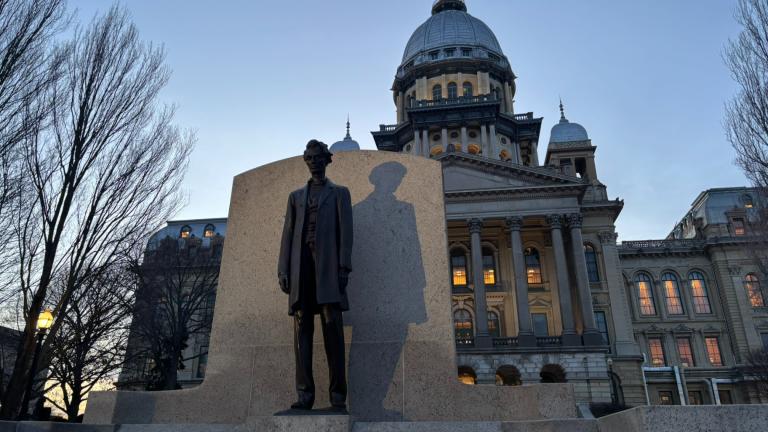
A pair of Illinois bills seeks to clarify language around sentencing credits, aiming to ensure that after program completion, judges can issue sentence credit, whether it was completed in a state prison or a county jail.
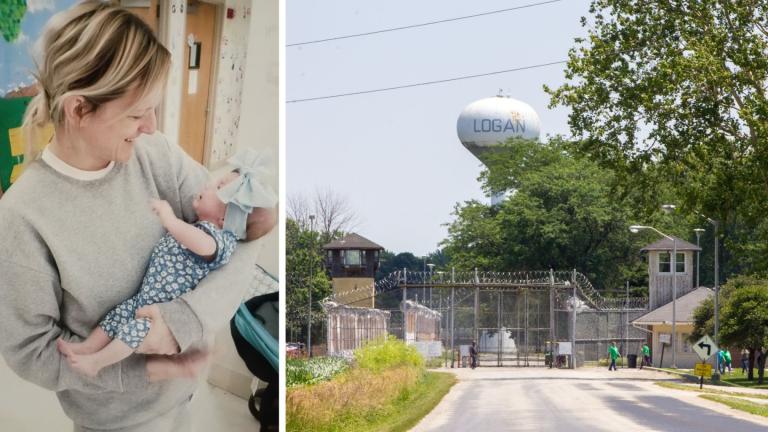
“Just because we are going through something with our criminal past does not have anything to do with our reproductive rights,” said Amy Hicks, who was previously incarcerated at Logan Correctional Center and is now suing the Illinois Department of Corrections.
Trending
Pair of Chicago Elementary Schools Named Top in Illinois in New U.S. News Rankings

Mother-Son Reunions Among Latest Milestones for Shedd’s Rescued Belugas

Migration Mass Casualty With At Least 1,000 Birds Injured or Killed This Weekend in Chicago and on Northwestern’s Campus

Early Voting for November General Election Expands in Chicago, Suburban Cook County

Giannoulias, Quigley, Wilson — But Not Johnson — Among First to File Signatures Ahead of Chicago’s February Mayoral Election

Sign up for the WTTW News newsletter