

Pension
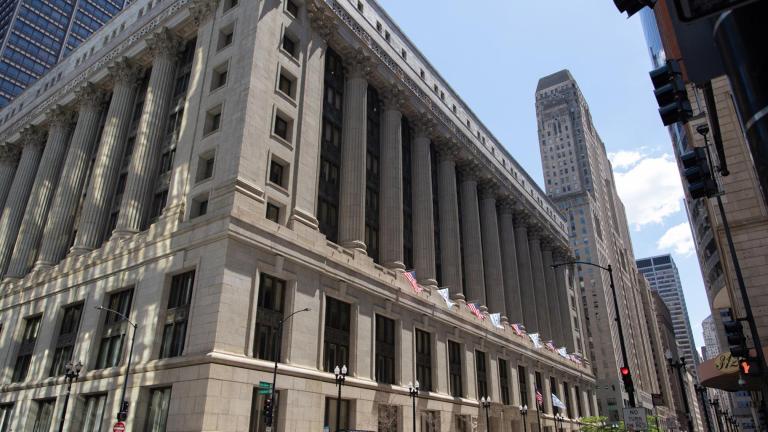
The City Council’s lopsided vote to increase the city’s pension payment opens a new hole in the city’s 2027 budget that must be closed with new spending cuts, new taxes or more borrowing.
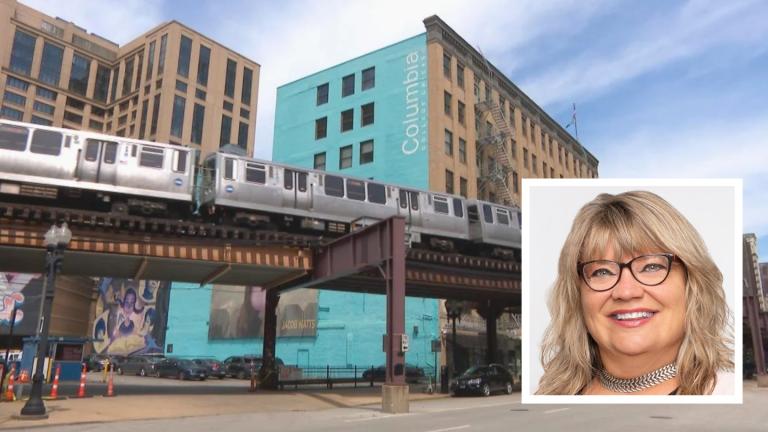
When Jamie Rhee retired in April 2025 after nearly seven years as the commissioner of the Department of Aviation, serving three mayors, she was the city of Chicago’s highest paid employee, records show.

Snelling received his first monthly pension payment of $15,744.73 on Aug. 31, and they will continue for the rest of his life, according to records obtained by WTTW News from the Policeman’s Annuity and Benefit Fund of Chicago.
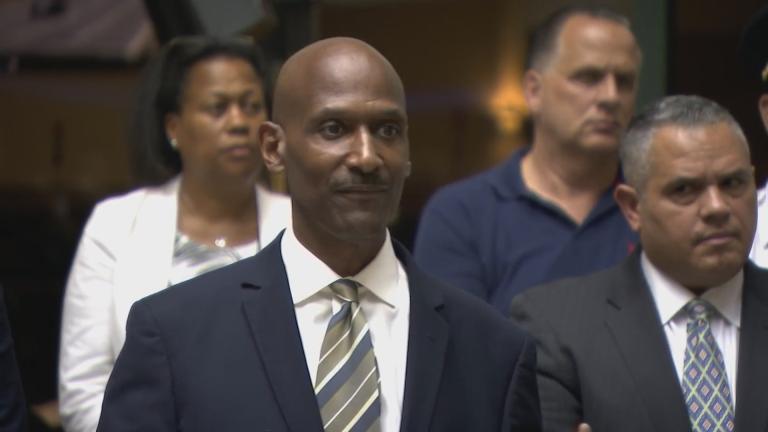
Fred Waller is expected to serve as CPD’s interim superintendent through the end of the year, as the Community Commission for Public Safety and Accountability searches for a permanent leader.
An analysis is ongoing to determine when — and how much — Chicago can afford to send to its pension funds in addition to the $2.85 billion that state law requires the city to contribute this year, officials said.

Chicago’s pension debt has grown by nearly 11% since 2020, adding approximately $3.5 billion to the city’s debt, records show.


Facing a projected $2.2 billion gap and massive uncertainty over federal funding flowing into Illinois, Gov. JB Pritzker on Wednesday proposed a $56 billion state budget plan for fiscal year 2027 beginning July 1.
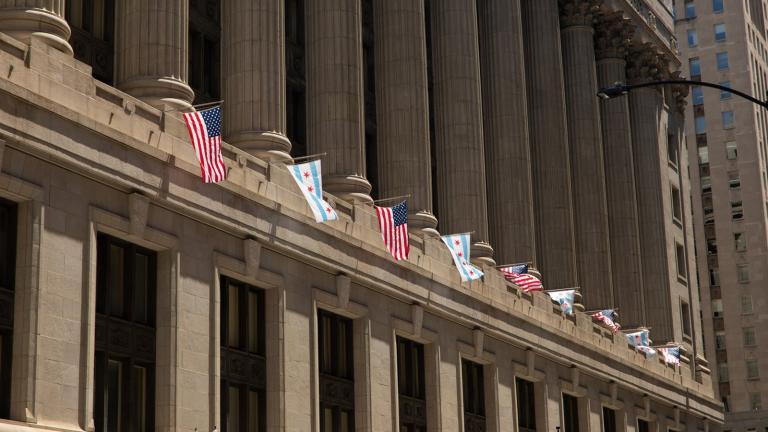
Chicago is required to pay $2.85 billion this year into its pension funds in order to comply with a state law designed to ensure the pension funds can pay benefits to employees as they retire.

Illinois’ consolidation of suburban police and fire pension funds is beginning to pay off, with records showing improved investment returns and significant cost savings for some local governments. While challenges remain, the overhaul has boosted funding levels and eased financial pressure on communities long burdened by rising pension obligations.
“Chicagoans deserve the truth about the fiscal conditions of our city,” Mayor Brandon Johnson said. “Our economy does remain resilient, but fiscal discipline is certainly required in this moment.”

The bill is designed to make sure that Chicago police officers and firefighters earn pension benefits at the same level as downstate first responders.

Burnett represented parts of the West Side and the West Loop for 30 years on the Chicago City Council. He retired July 31.

A city analysis warned the bill “would increase the city’s pension liabilities by more than $11 billion” in the two funds that pay pensions to retired police officers and firefighters.
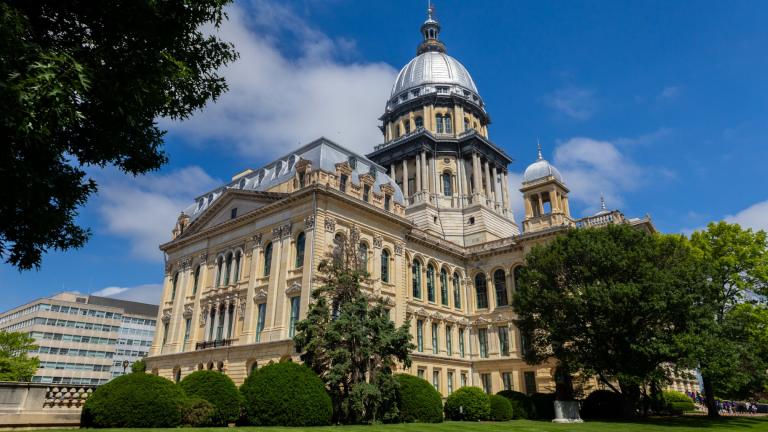
Two of the most closely followed measures aim to protect the drinking water of a wide swath of central Illinois and boost the pension benefits for first responders in Chicago.
In all, Chicago owes $35.9 billion to its four employee pension funds representing police officers, firefighters, municipal employees and laborers, according to the 2024 Annual Comprehensive Financial Report.

Lawmakers and labor unions have both expressed concern that benefits for Tier 2 employees are inadequate and that some workers in that category are in line to receive benefits out of compliance with federal law.
Trending
11 of the Chicago Area’s Most Dazzling Holiday Light Shows

Here Are the 17 Men Chicago Will Pay $260.8M After Being Convicted Following Investigations by Ex-CPD Detective Reynaldo Guevara
Cook County’s Top Prosecutor Bars Vendor From Sharing Data With ICE

CPD’s Refusal to Allow Outside Agency to Investigate Deaths Caused by Officers Violates Consent Decree, Reform Groups Say

Pritzker Appeals FEMA’s Decision to Deny Illinois Disaster Aid

Sign up for the WTTW News newsletter