

Weather

It’s been 268 days, and counting, since Chicago recorded its last measurable snow. The record of 290 days is within reach.
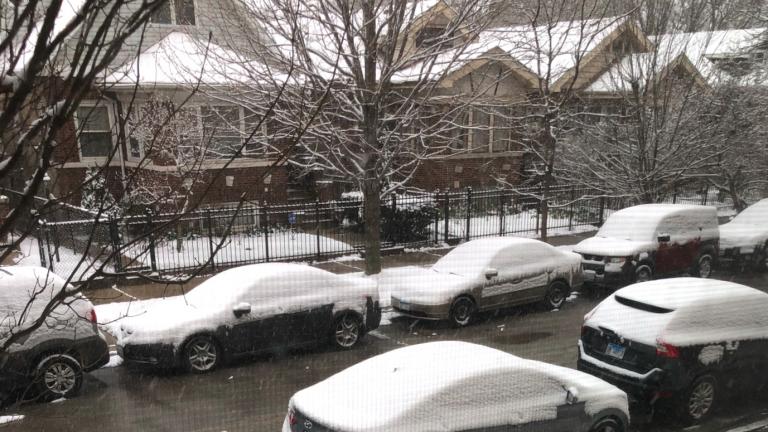
Every year, the start of the snow route ban catches hundreds of drivers unaware, forcing them to travel to the city’s auto pound — and pay at least $235 — to retrieve their cars, officials said.
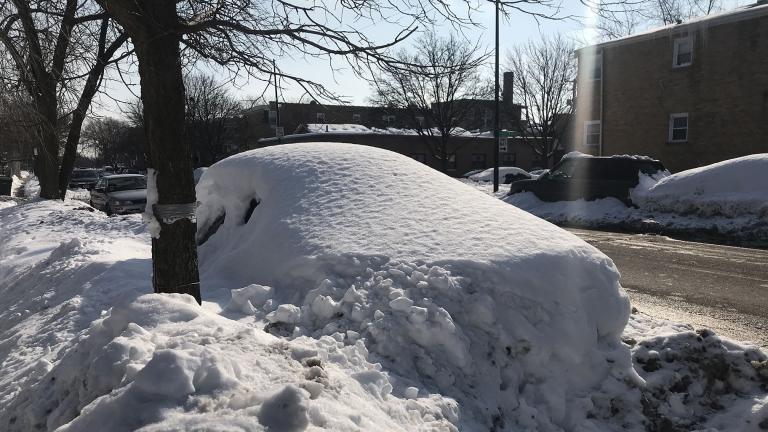

“The many challenges of COVID-19, coupled with the inconvenience of life-threatening conditions that cold weather and extreme weather brings every year, that means we’ve got to utilize every tool that we can to protect the health and well-being of our residents,” Mayor Lori Lightfoot said Monday.
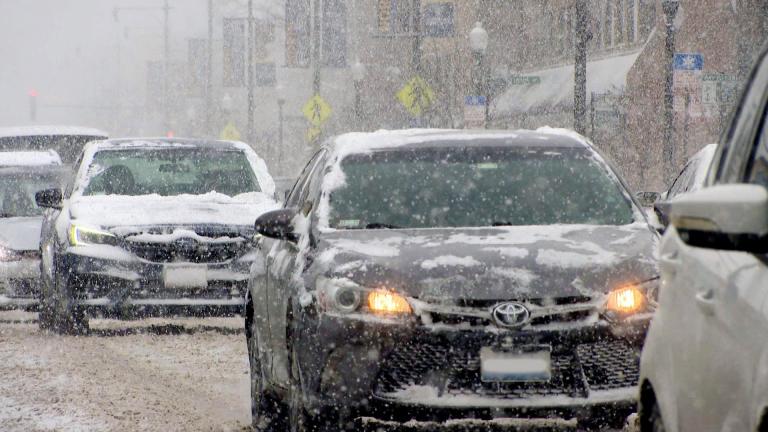
Buckle up for a bumpy ride this weekend. Friday’s forecast calls for high winds and bursts of heavy snow, more snow is possible Saturday, and Sunday’s temperatures are expected to dip into the teens, according to the National Weather Service.
The National Weather Service is encouraging folks to get out and enjoy what could be the last day to reach the mid- to upper-60s in 2021.
The first snow of the season has officially hit the ground in the Chicago region, with a trace amount recorded at Rockford on Thursday morning, according to the National Weather Service.

All those green tomatoes still on the vine are in for a shock as November kicks off with a string of overnight temperatures dipping below freezing, according to the National Weather Service.
COP26 is making global headlines as leaders from around the world meet to confront climate change. What exactly is this gathering and what makes it different from other summits?
Mother Nature is throwing the kitchen sink at Chicago, weather-wise, to kick off the work week.

A new study finds that extreme heat could threaten nearly $2 billion a year in earnings for outdoor workers in Illinois. We learn about the impact of these increasing temperatures on working conditions.
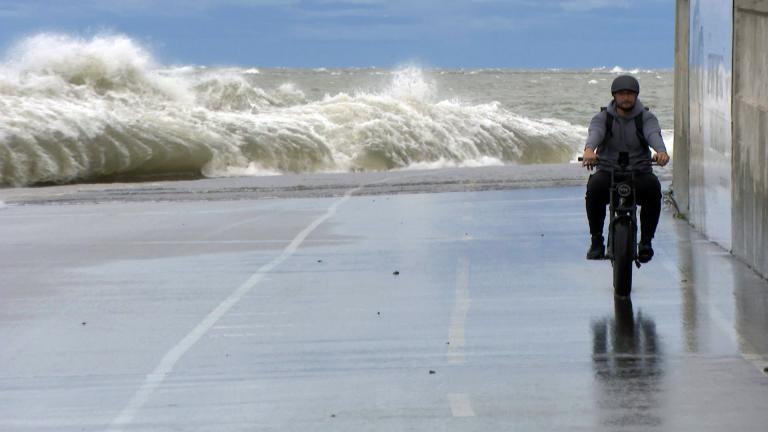
The National Weather Service is warning people to steer clear of parks, trails, piers and breakwaters Wednesday and Thursday, with waves as high as 18 feet and wind gusts up to 45 miles per hour in the forecast.
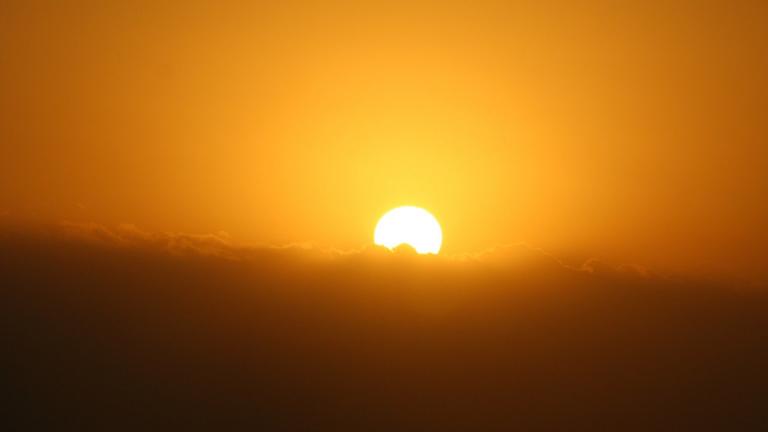
Temperatures edged out the record for the continental U.S. set back in 1936 during the “Dust Bowl” summer, according to the latest climate report from the National Oceanic and Atmospheric Administration.
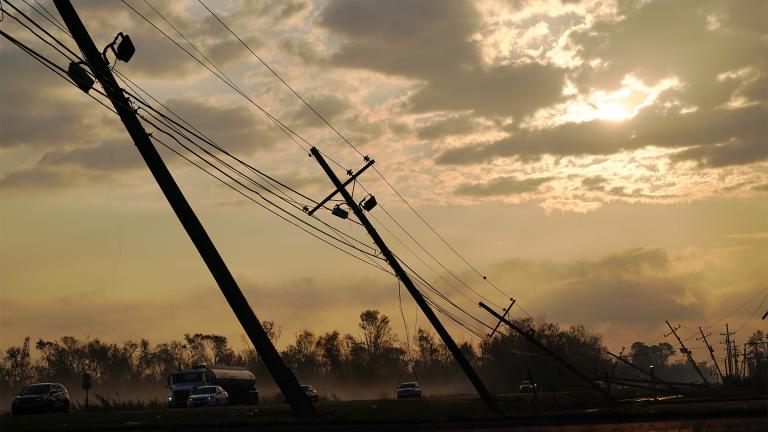
Power out, high voltage lines on the ground, weeks until electricity is restored in some places: The dismal state of power in Hurricane Ida’s wake is a distressingly familiar scenario for Entergy Corp., Louisiana’s largest electrical utility.
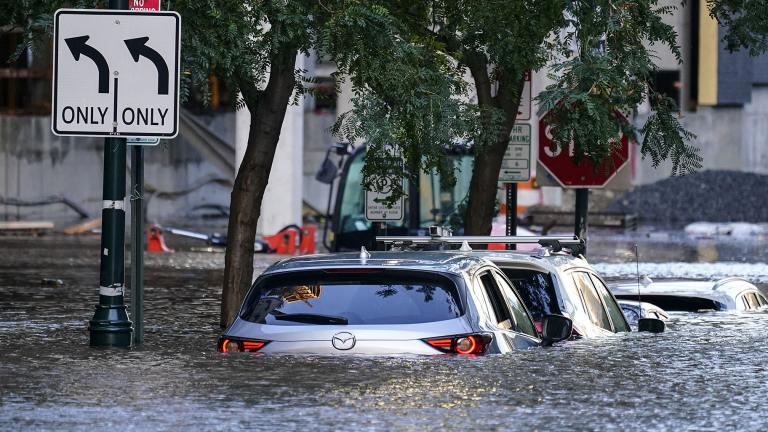
A stunned U.S. East Coast woke up Thursday to a rising death toll, surging rivers and destruction after the remnants of Hurricane Ida walloped the region with record-breaking rain, filling low-lying apartments with water and turning roads into car-swallowing canals.
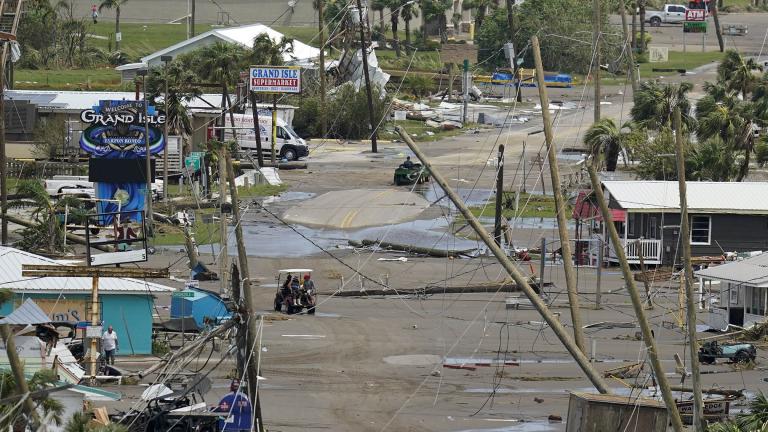
Louisiana residents still reeling from flooding and damage caused by Hurricane Ida scrambled for food, gas, water and relief from the sweltering heat as thousands of line workers toiled to restore electricity.
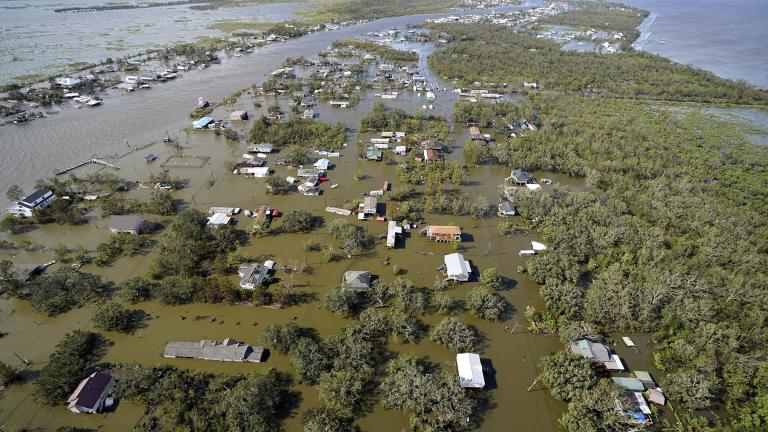
Louisiana communities beginning the huge task of clearing debris and repairing the damage inflicted by Hurricane Ida are facing the dispiriting prospect of weeks without electricity in the oppressive, late-summer heat.
Trending
Interim NITA Director Earning $350K Salary While Also Collecting $213K Annual City Pension, Records Show

Early Voting for November General Election Kicks Off in Downtown Chicago

Uptown Theatre Added to Open House Chicago, Catch a Rare Glimpse Inside Gilded Jewel

City Lawyers Propose Spending $260.8M to Settle 16 Cases Tied to Disgraced Ex-CPD Detective Guevara

Chicago Woman Accused of Social Security Fraud After Hiding Mother’s Body in Freezer for 2 Years

Sign up for the WTTW News newsletter