

Russia
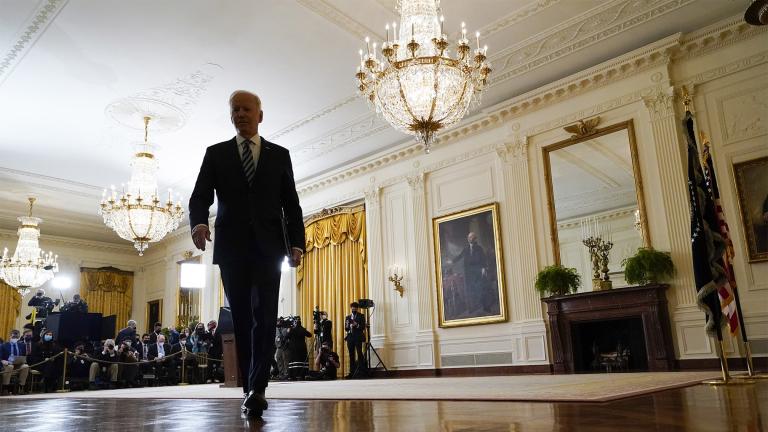

The U.S. sanctions and penalties announced so far appear to spare Putin himself from sanctions. They also forgo an option long-cited as one of the toughest possible, by holding off from banning Russia from the SWIFT financial system that moves money around the world. Biden cited concerns by European allies.
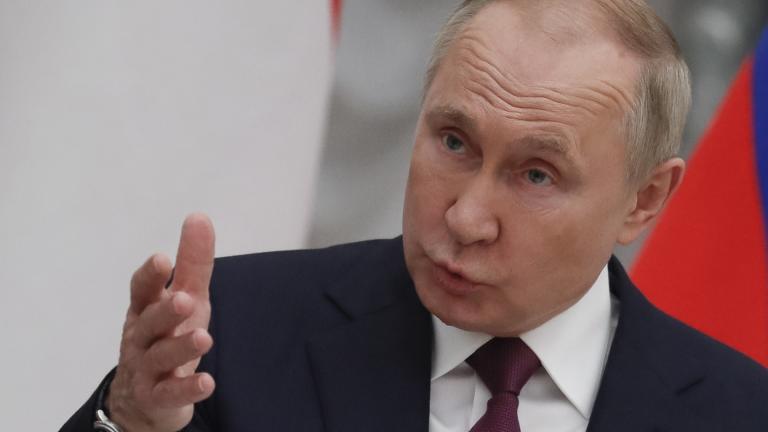
The Holocaust, World War II and Nazism have been important tools for Putin in his bid to legitimize Russia’s moves in Ukraine, but historians see their use as disinformation and a cynical ploy to further the Russian leader’s aims.
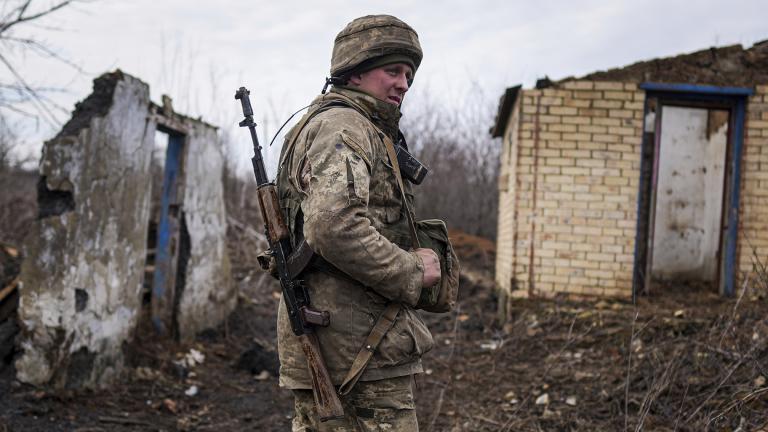
Ukrainian lawmakers approved President Volodymyr Zelenskyy’s decree that imposes the measure for 30 days starting Thursday. The state of emergency allows authorities to impose restrictions on movement, block rallies and ban political parties and organizations “in the interests of national security and public order.”
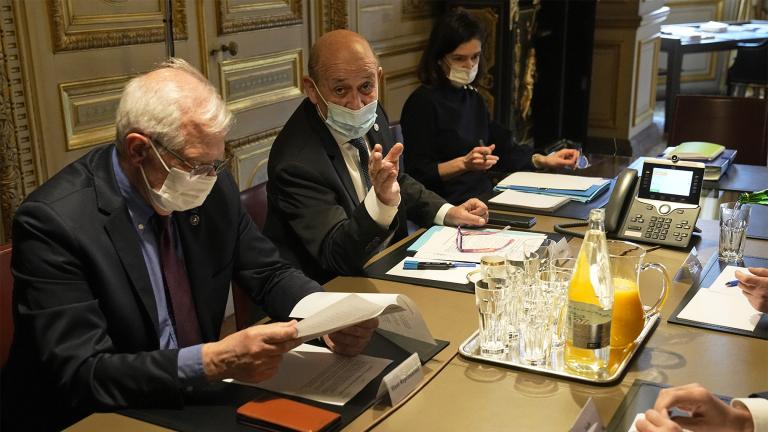
Germany made the first big move, taking steps to halt certification of the Nord Stream 2 gas pipeline from Russia — a massive, lucrative deal long sought by Moscow but criticized by the U.S. for increasing Europe’s reliance on Russian energy supplies.
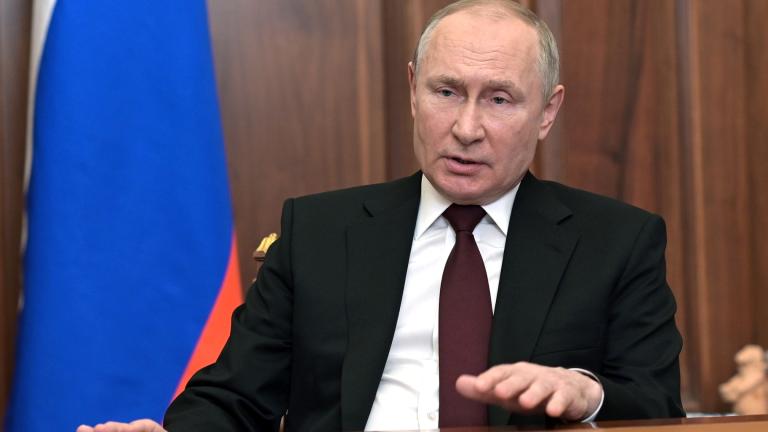
A vaguely worded decree signed by Putin did not say if troops were on the move, and it cast the order as an effort to “maintain peace.” But it appeared to dash the slim remaining hopes of averting a major conflict in Europe that could cause massive casualties, energy shortages on the continent and economic chaos around the globe.
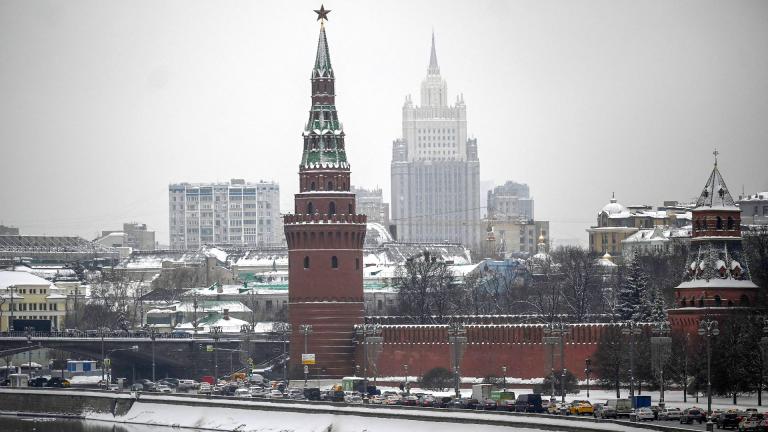
The U.S. has written to the top United Nations human rights official that it has “credible information” that Russian forces are identifying Ukrainians “to be killed or sent to camps” if it further invades Ukraine and occupies it.
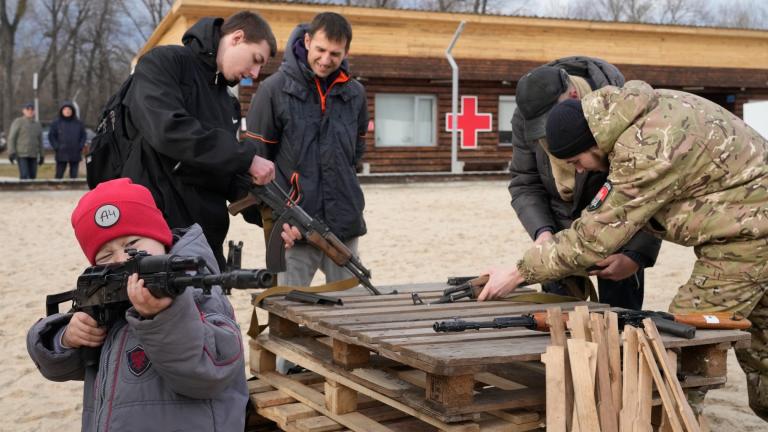
Russia extended military drills near Ukraine’s northern borders Sunday amid increased fears that two days of sustained shelling along the contact line between soldiers and Russia-backed separatists in eastern Ukraine could spark an invasion.
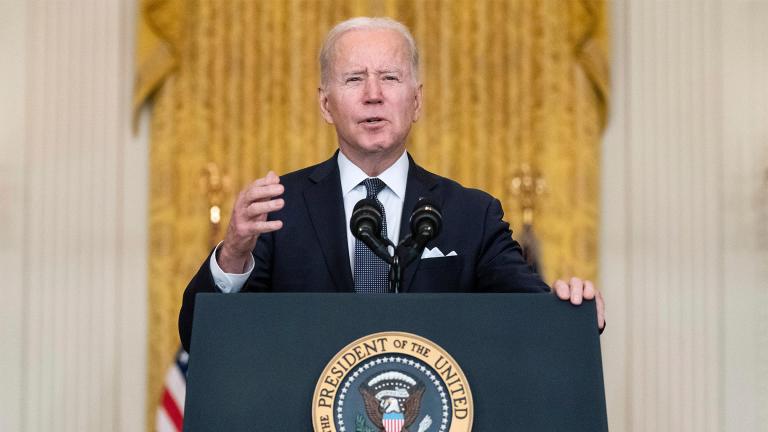
Russian misinformation is building up to a false justification for Putin to move against Ukraine, Biden said, accusing Russia of ceasefire violations in the “rapidly escalating crisis.”
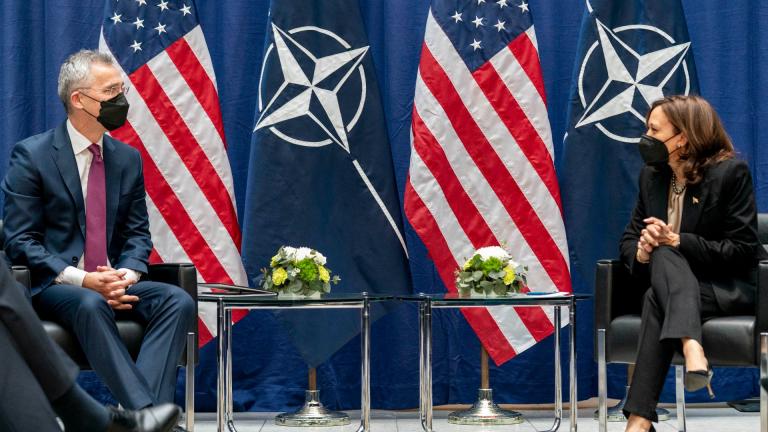
Vice President Kamala Harris on Friday heralded NATO unity during the escalating Ukraine crisis and warned Russia that the U.S. and Western allies stood ready to respond with tough sanctions if President Vladimir Putin moves forward with an invasion of Ukraine.
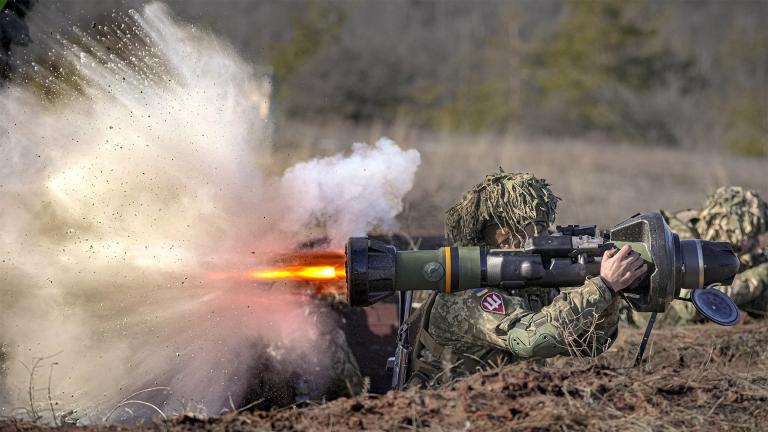
The Kremlin had signaled Monday that it was still possible for diplomacy to head off what Western officials have said could be an imminent invasion of Ukraine. But much remains unclear about Russia’s plans and how the crisis will play out.
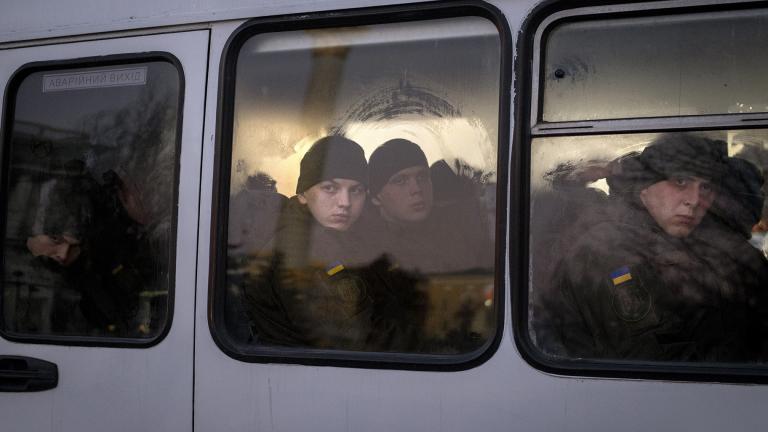
The Kremlin signaled Monday it is ready to keep talking with the West about security grievances that led to the current Ukraine crisis, offering hope that Russia might not invade its beleaguered neighbor within days.
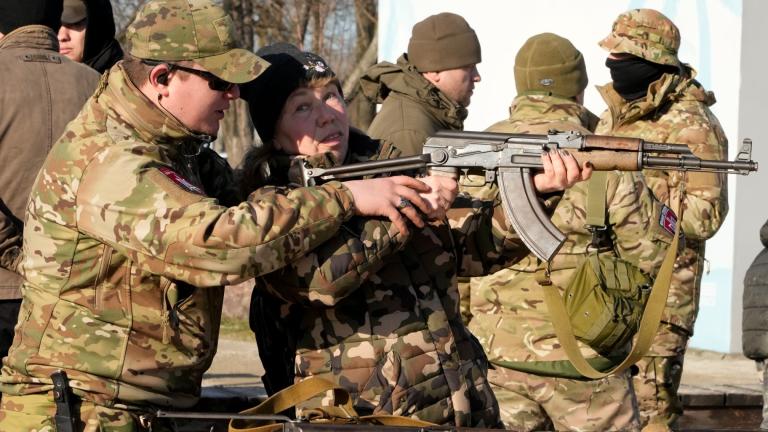
President Joe Biden spoke for about 50 minutes Sunday with Ukrainian President Volodymyr Zelenskyy and renewed promises of what the West says will be tough economic sanctions against Moscow and a NATO buildup in the event of “any further Russian aggression” against Ukraine, the White House said.
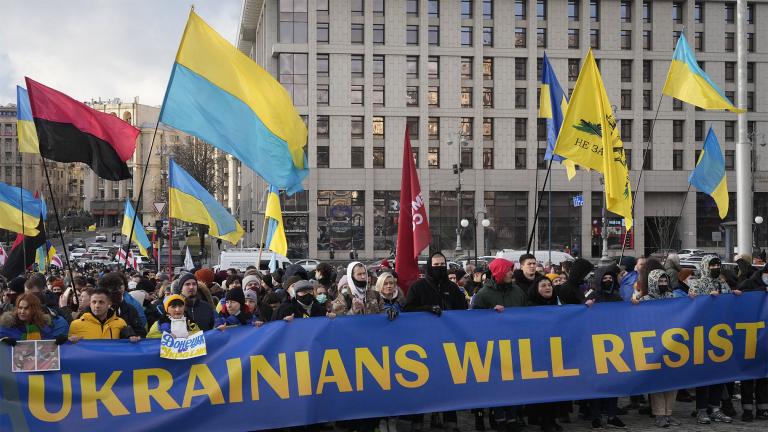
The two presidents spoke a day after Biden's national security adviser, Jake Sullivan, warned that U.S. intelligence shows that a Russian invasion could begin within days and before the Winter Olympics in Beijing end Feb. 20.

The Biden administration on Friday escalated its dire warnings about a possible Russian invasion of Ukraine, saying it could take place within days, even as diplomatic efforts to resolve the crisis continued.
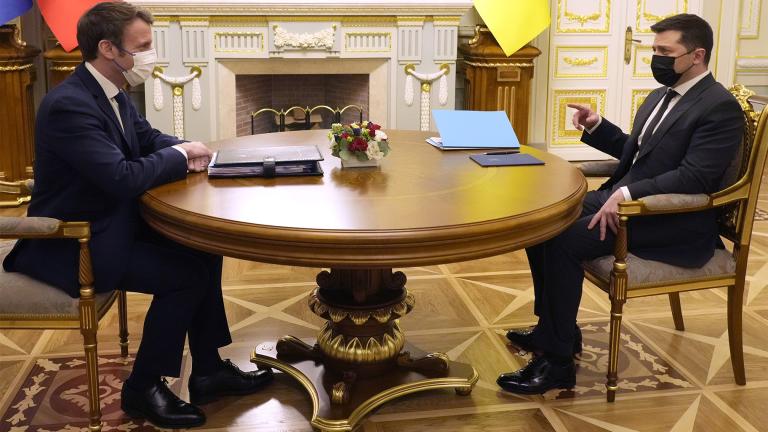
Macron met with Ukrainian President Volodymyr Zelenskyy amid mounting fears of a Russian invasion. Moscow has massed over 100,000 troops near Ukraine’s borders, but insists it has no plans to attack.
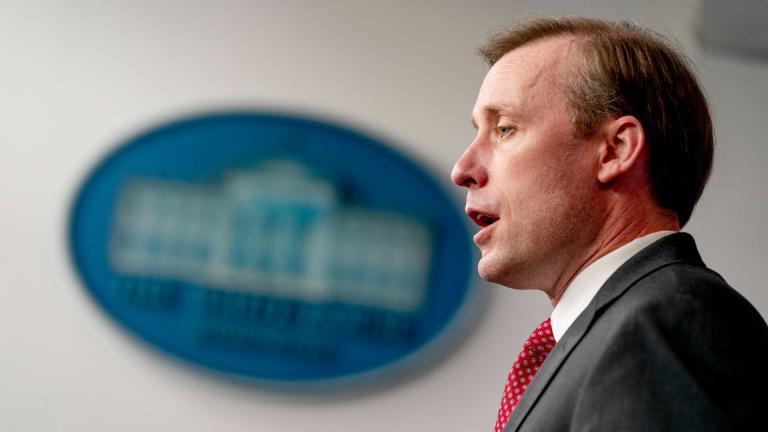
The senior adviser to President Joe Biden offered another stark warning the day after U.S. officials confirmed that Russia has assembled at least 70% of the military firepower it likely intends to have in place by mid-month to give President Vladimir Putin the option of launching a full-scale invasion of Ukraine.
Trending
Interim NITA Director Earning $350K Salary While Also Collecting $213K Annual City Pension, Records Show

Early Voting for November General Election Kicks Off in Downtown Chicago

Uptown Theatre Added to Open House Chicago, Catch a Rare Glimpse Inside Gilded Jewel

Chicago Woman Accused of Social Security Fraud After Hiding Mother’s Body in Freezer for 2 Years

City Lawyers Propose Spending $260.8M to Settle 16 Cases Tied to Disgraced Ex-CPD Detective Guevara

Sign up for the WTTW News newsletter