

Public Health
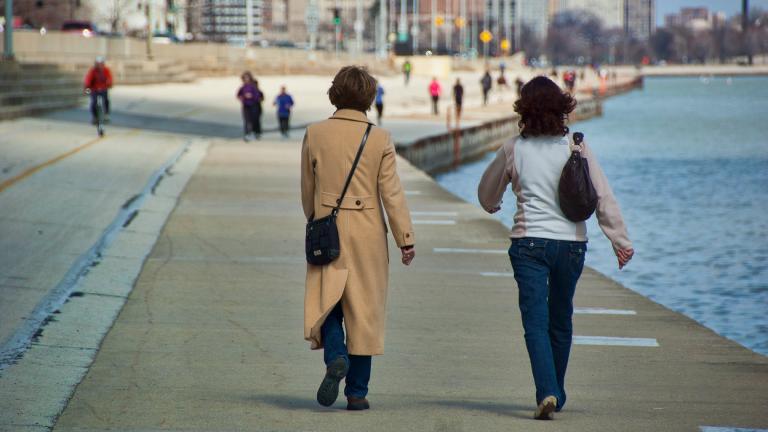
Chicago’s mayor says too many people are flouting the governor’s order to stay home and maintain social distance, particularly along the lakefront and at playgrounds. “This situation is deadly serious,” she said Wednesday.
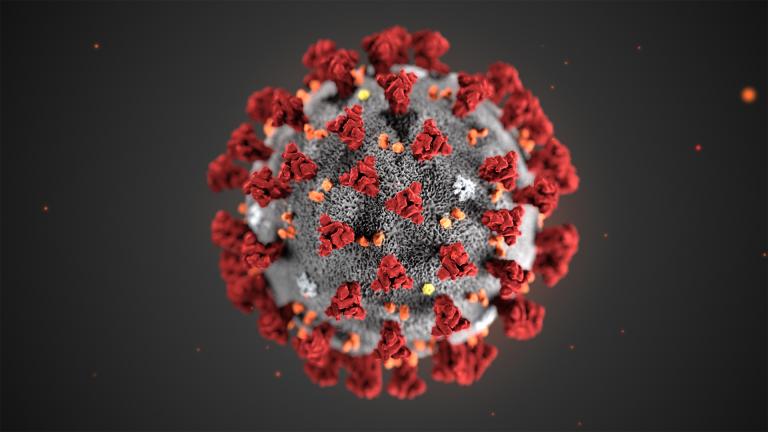

People without health insurance can receive care if they think they have the novel coronavirus, and no patient will be turned away because of inability to pay, according to the Chicago Department of Public Health.
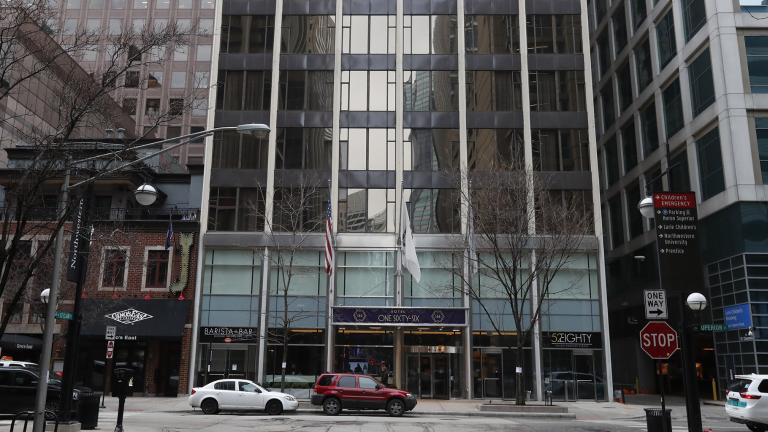
Chicago’s plan to reserve at least 1,000 hotel rooms through partnerships with five hotels is the first such sweeping strategy unveiled in the U.S. aimed at relieving the pressure on hospitals that are the only option for the seriously sick.
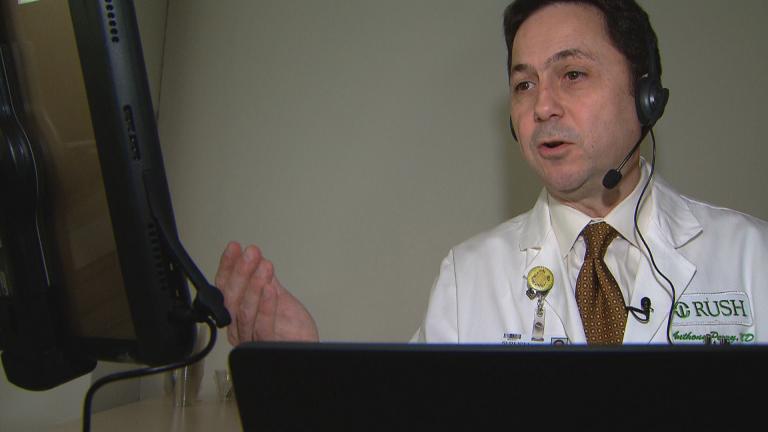
In the midst of the coronavirus pandemic, Illinois doctors are increasingly seeing their patients online, and executive actions last week by President Donald Trump and Gov. J.B. Pritzker make it easier than ever.
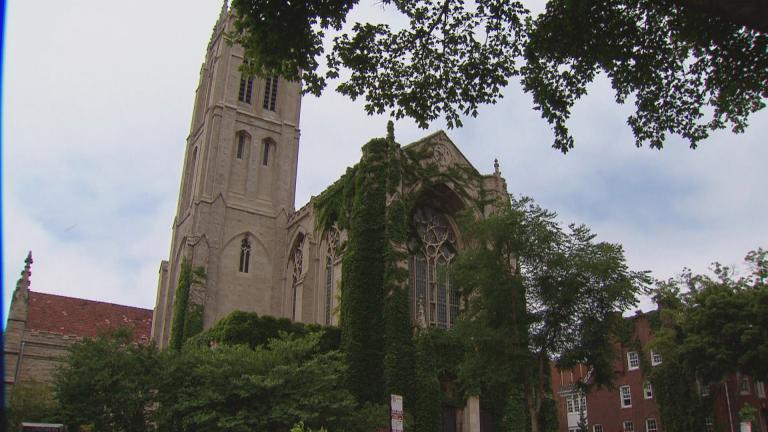
The nation’s academic institutions are shifting operations online to bring instruction to students at their homes all over the country — and even the world. We check in with some local universities.
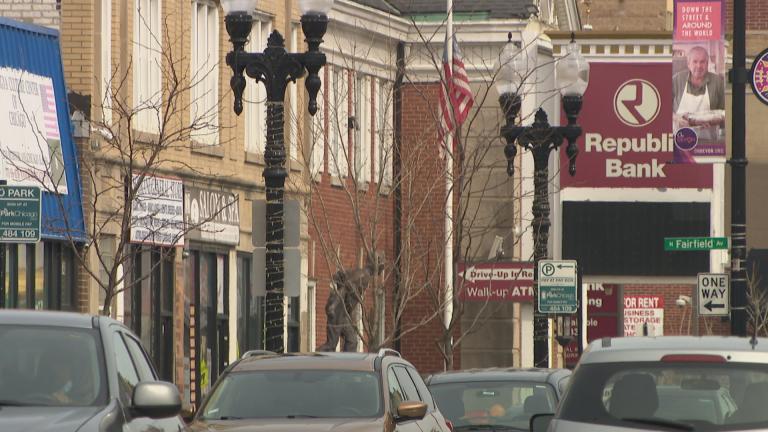
Along a 2-mile stretch of Devon Avenue in Chicago’s West Ridge community, you’ll find one of the most diverse neighborhoods in the country – and one dominated by small businesses, many of which are now closed.
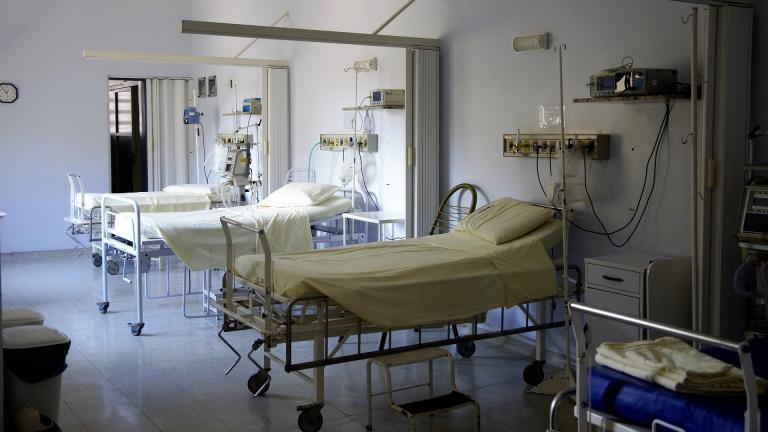
While the number of COVID-19 cases in Illinois is rising, hospitals across the state are meeting the demand for beds and ventilators. But on Tuesday, Gov. J.B. Pritzker outlined what could have happened without preventive measures to slow the spread of the virus.
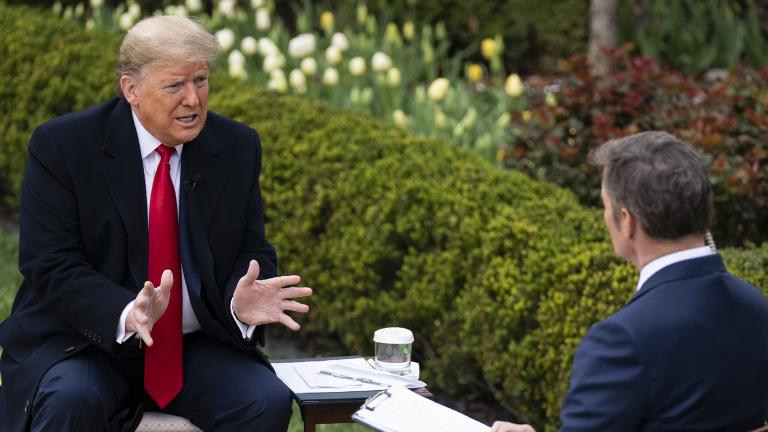
With lives and the economy hanging in the balance, President Donald Trump said Tuesday he is hoping the United States will be reopened by Easter as he weighs how to relax nationwide social-distancing guidelines.
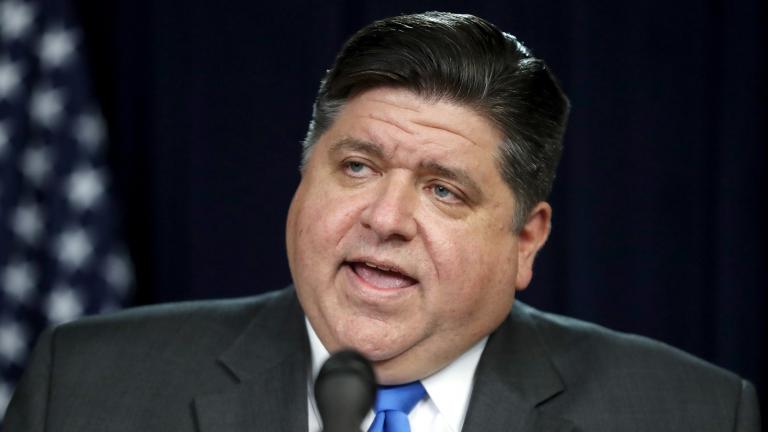
A day after a public feud on Twitter over management of the coronavirus crisis, Gov. J.B. Pritkzer said President Donald Trump “seemed like he was very responsive” when the two spoke on the phone. What they discussed.
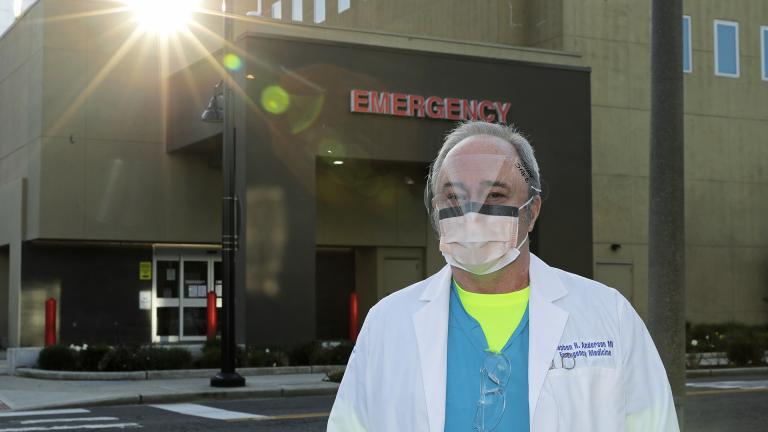
Gov. J.B. Pritzker has launched a task force to ramp up production of personal protective equipment, or PPE. Meanwhile, cases in Illinois grew Monday to a total of 1,285, with 12 deaths.
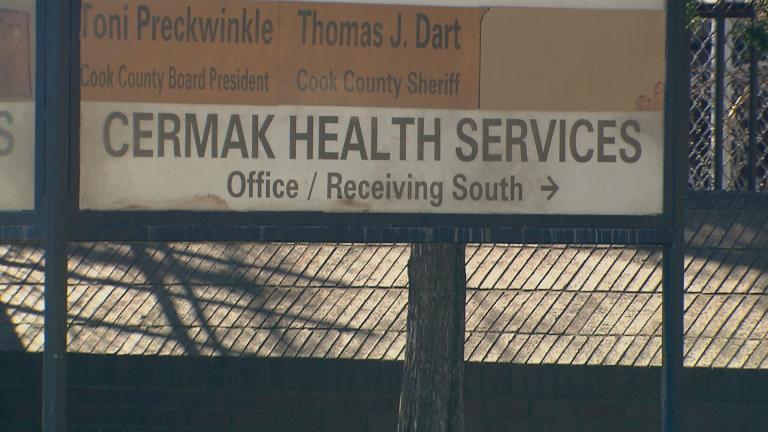
The two detainees, ages 18 and 42, each began exhibiting flu-like symptoms last Friday. They are each being held in isolation at the jail’s Cermak Hospital, officials said Monday.
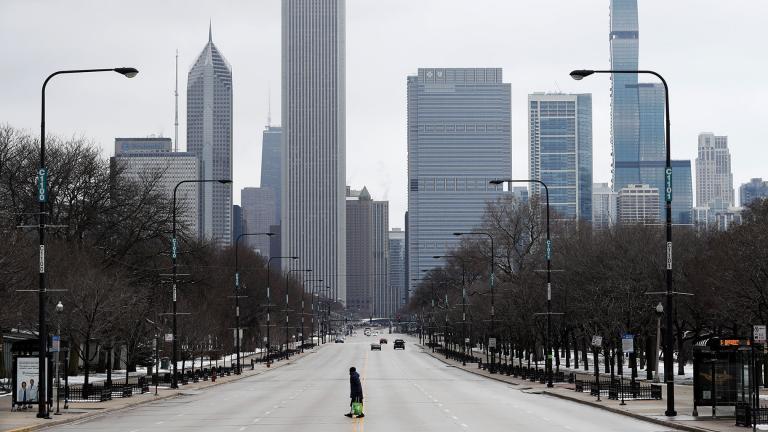
The hunt for masks, ventilators and other medical supplies consumed the U.S. and Europe, as more than 1.5 billion people — one-fifth of the world’s population — were urged or ordered to stay home Monday.
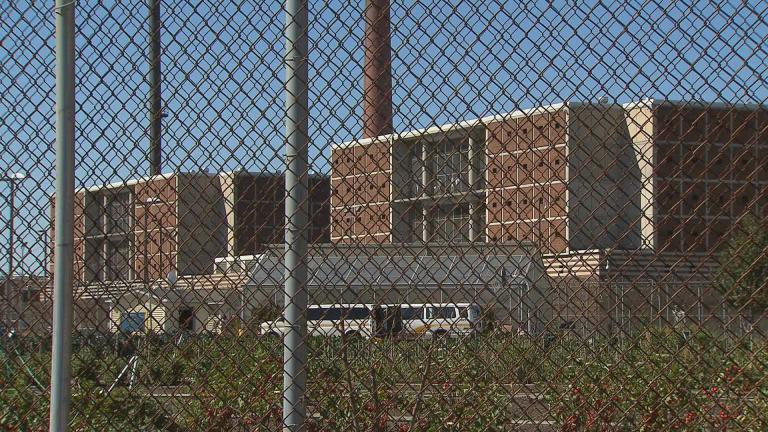
A correctional officer who works in the Cook County Jail has tested positive for COVID-19, prompting additional calls for the mass release of some detainees by activists who want to prevent an outbreak within the jail.
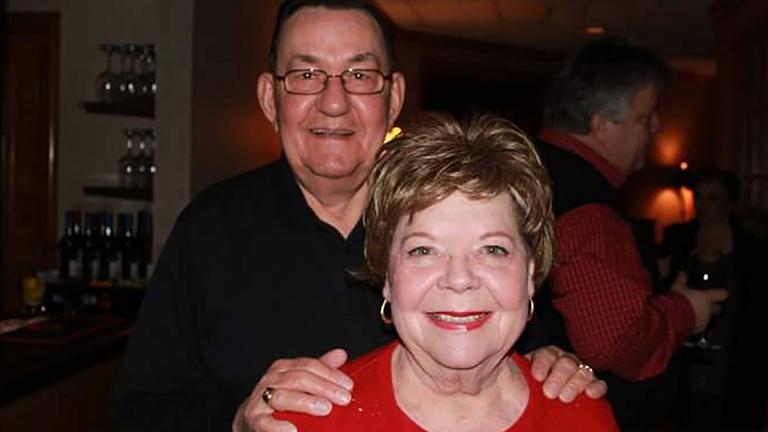
An untold number of burials around the globe go forward with nothing more than a priest, a funeral home employee and a single loved one amid the coronavirus pandemic.
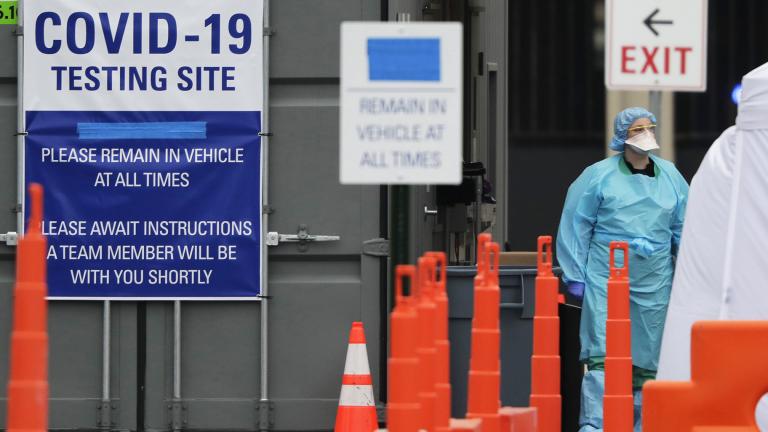
More than a week after President Donald Trump promised that states and retail stores such as Walmart and CVS would open drive-thru test centers, few sites are up and running, and they’re not yet open to the general public.
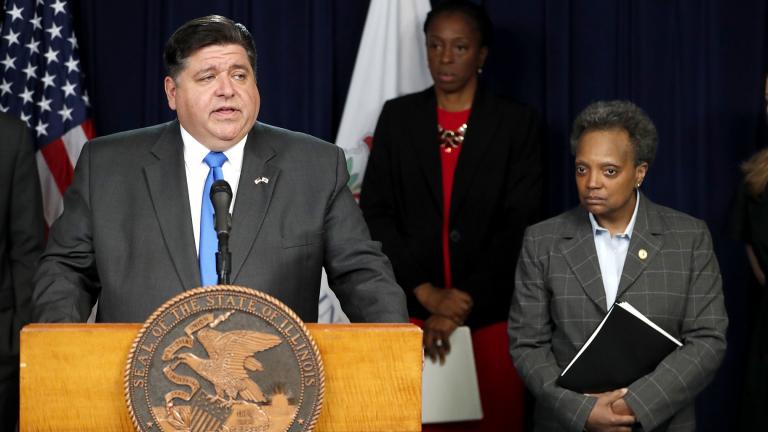
Starting Saturday evening, Illinois should feel a little quieter than usual. Our politics team has the latest on a just-announced executive order from Gov. J.B. Pritzker to curb spread of the new coronavirus.
Trending
Who Is Running, or Thinking About Running, to Become Chicago’s Next Mayor

Suspend CPD Officers, Sergeant Repeatedly Accused of Making Improper Traffic Stops for a Combined 330 Days: Police Brass

Johnson’s Debt Refinancing Plan Results in Just Half of What He Promised, Forcing Officials to Scramble to Fill Budget Gap
Hilario Dominguez, Candidate for CPS Board President, Defends Conduct as Watchdog Reopens Probe Into Inappropriate Behavior Allegations

Addiction Recovery Clinic Sees Increase of 7-OH Patients as Feds Seek to Crack Down on the Opioid-Like Drug

Sign up for the WTTW News newsletter