

Budget

“This budget magic … we’re only able to do this once,” Cook County Board President Toni Preckwinkle said. “We are sweeping the cupboards bare. Once you’ve done that, you have to look for other resources.”
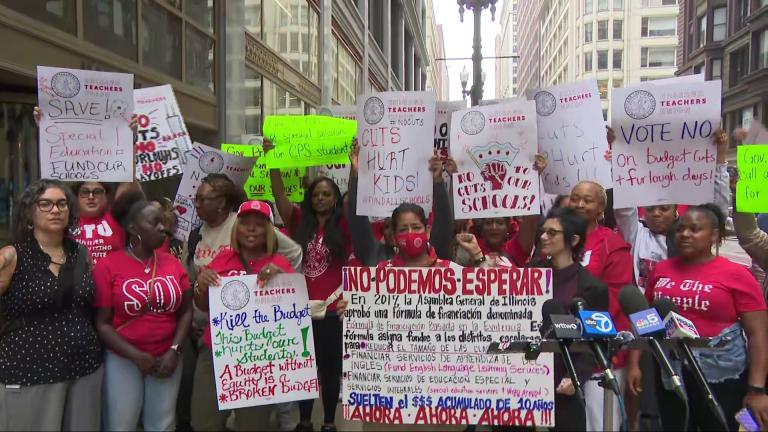
With a vote next week scheduled on Chicago Public Schools’ $9.88 billion budget plan, members of the city’s Board of Education on Monday shared concerns over proposed cuts, a lack of state funding and their voting timeline.

The longstanding program provides airlines financial assistance to operate routes to smaller communities that would not have air service because it wouldn’t be profitable for the airlines.
District officials on Wednesday outlined their $9.88 billion budget proposal for the 2027 fiscal year, as they combat “serious financial challenges” including declining enrollment and revenue and greater student need.
The projected budget gap facing the county next year is fueled by the impact of litigation related to Safe Roads Amendment, growing payroll and pension liabilities, increasing employee benefit costs and Medicaid enrollment declines due to federal policy changes, according to a budget forecast presentation.

CPS leaders are citing rising pension payments and operating costs, while arguing the district needs greater support from state and federal leaders. Some policy analysts, meanwhile, say the district is responsible for its own deteriorating finances.
Rising unemployment could limit growth in personal income taxes while rising prices are making consumers more cautious, which could lead to lower sales tax collections.
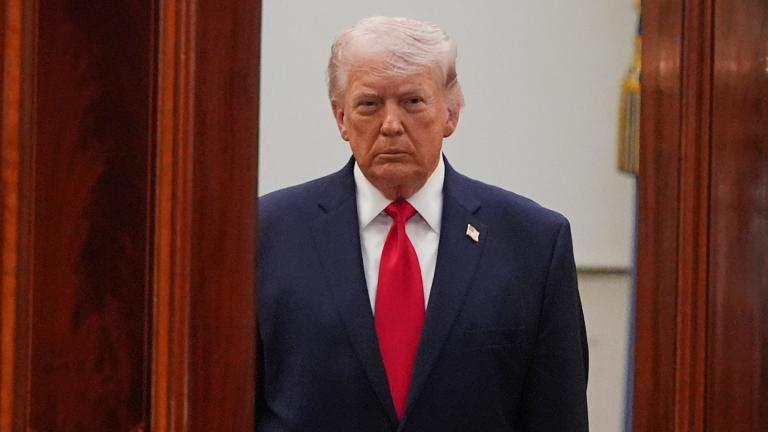
“It’s not possible for us to take care of day care, Medicaid, Medicare — all these individual things,” President Donald Trump said. “They can do it on a state basis. You can’t do it on a federal.”

Facing a projected $2.2 billion gap and massive uncertainty over federal funding flowing into Illinois, Gov. JB Pritzker on Wednesday proposed a $56 billion state budget plan for fiscal year 2027 beginning July 1.
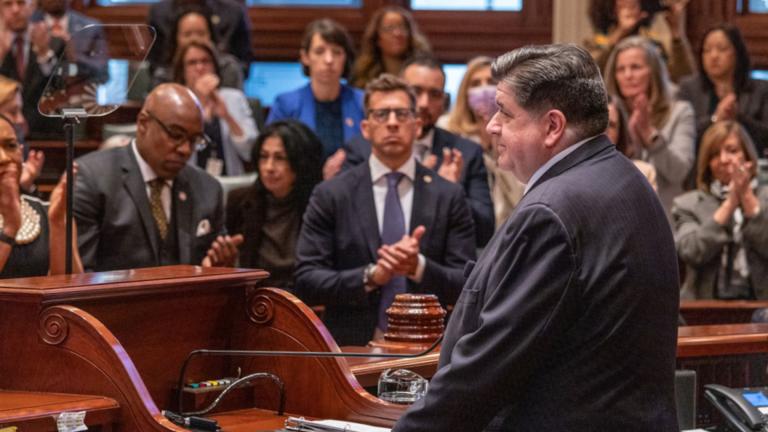
Progressive lawmakers want the governor to raise taxes on corporations and billionaires, while Republicans are hoping to keep spending flat in fiscal year 2027.
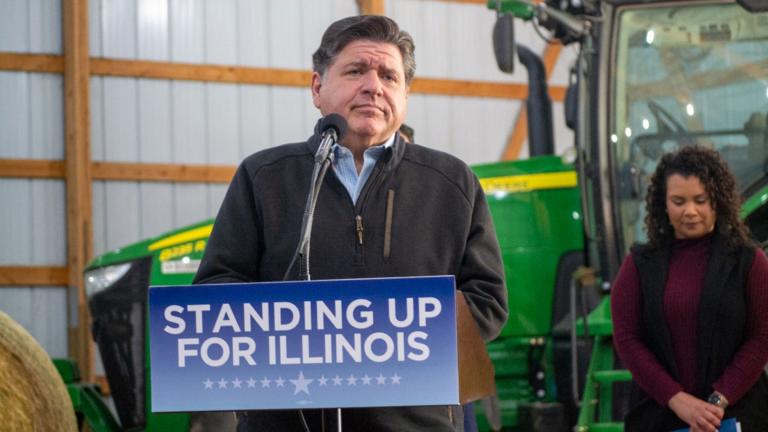
Gov. JB Pritzker had directed agencies to “identify immediate spending reductions, including efficiencies that will result in reduced spending” in a September executive order.
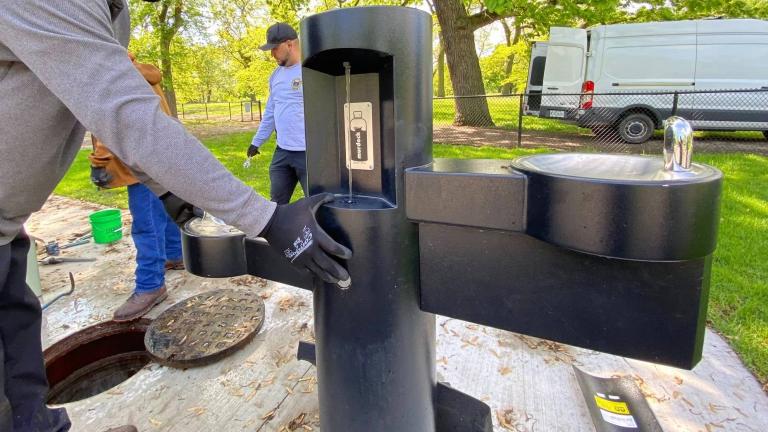
The district has set aside $500,000 for a participatory budget program in which residents will have an opportunity to submit ideas and vote on the category of projects they want prioritized.
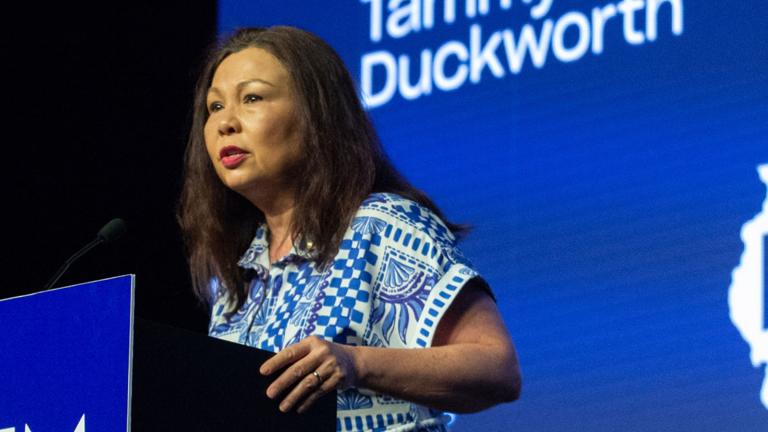
“ICE has not made any city that they’ve gotten into safer,” U.S. Sen Tammy Duckworth said. “In fact, in every city they’ve gone into, they’ve created chaos.”
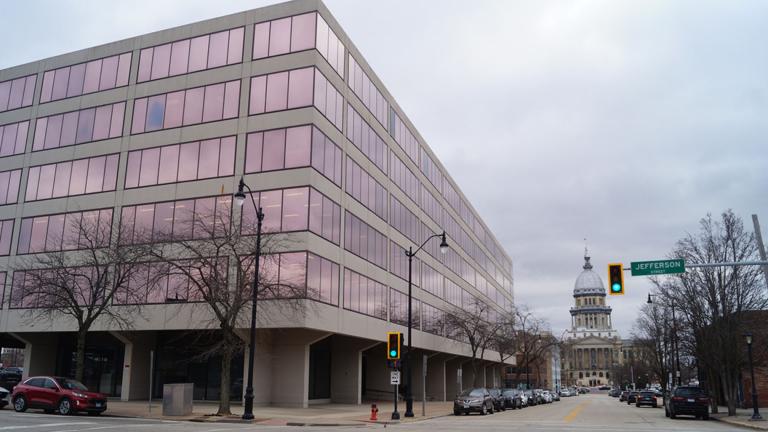
The budget request for the upcoming fiscal year calls for only a minimal increase in K-12 education spending, a reflection of the state’s tightening fiscal condition.
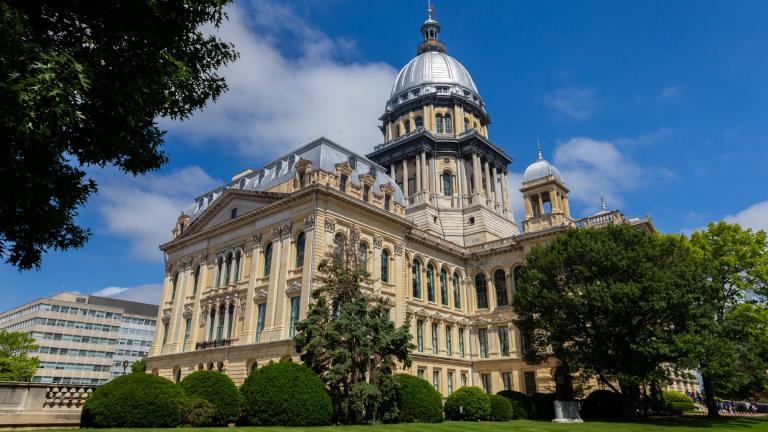
Illinois lawmakers are back in Springfield for the spring legislative session. They’re facing some tough realities: a budget gap in the billions, growing pressure to deliver affordability relief, and a widening financial rift with Washington, D.C.
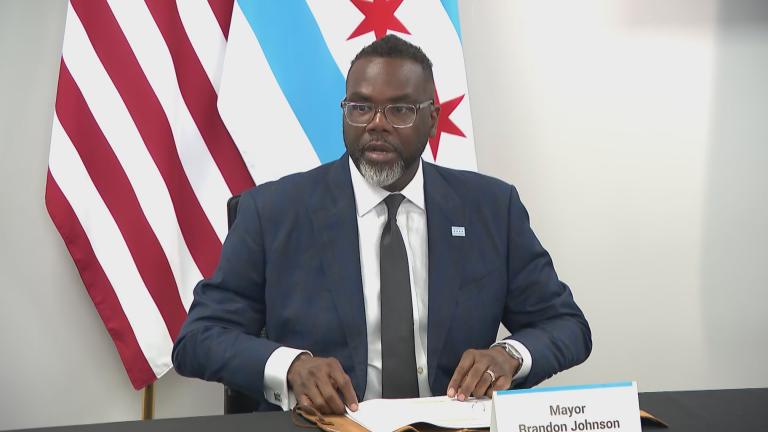
Mayor Brandon Johnson warned again on Wednesday that the Chicago City Council may have to make emergency cuts if revenue baked into the city’s 2026 spending plan fails to materialize.
Trending
A CTA Bus Driver Was Attacked on the Job. She Was Later Fired While on Leave

Top Cop Agrees to Fire Chicago Police Officer Who Repeatedly Used Racial Slurs: Records

Pritzker, Bailey Square Off in Contentious Discussion Over Taxes, Trump and Bears
After City Council Refused to Settle, Jury Rejects Lawsuit Filed by Family of Woman Killed by Driver Chased by CPD
Changes Are Coming to CTA, Metra and Pace. Hear From the Leaders of Their New Oversight Agency
Sign up for the WTTW News newsletter