Politics
Budget Gap, Affordability Top of Mind as Illinois Lawmakers Head Back to Springfield
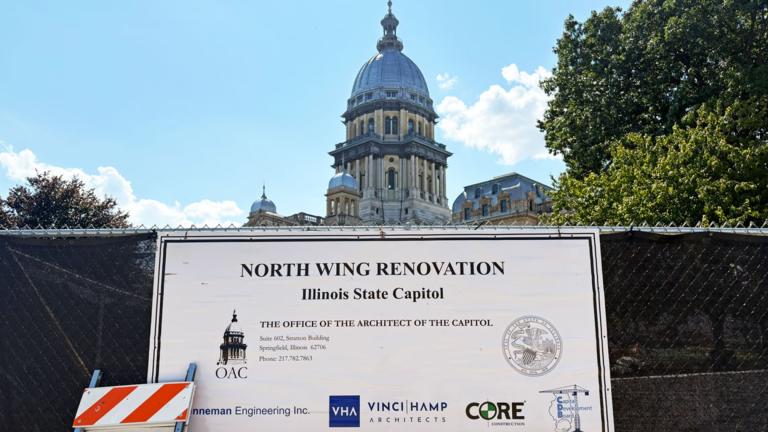
Illinois lawmakers are back in Springfield for the spring legislative session.
They’re facing some tough realities: a budget gap in the billions, growing pressure to deliver affordability relief, and a widening financial rift with Washington, D.C.
Illinois received $83 million less in federal funding in December than it did a year earlier, all while President Donald Trump’s policies force the state to pick up billions more in social safety net costs.
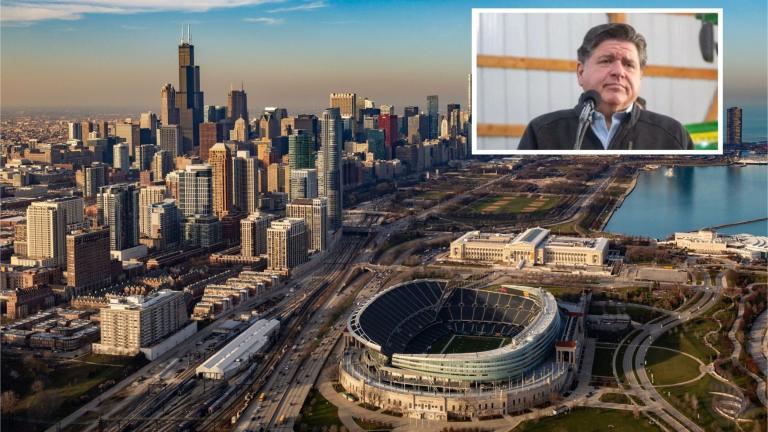
The Illinois Senate meets Tuesday for a three-day session, while the Illinois House of Representatives will convene for three days starting Jan. 20. Both chambers won’t get together until mid-February when Gov. JB Pritzker delivers his annual budget and State of the State address.
Despite a state revenue increase of 5% compared to FY2025, Illinois is still facing a $2.2 billion deficit heading into the new fiscal year.
“It’s not exactly uncommon for the state to be facing a deficit like that going into a new fiscal year,” Capitol News Illinois statehouse reporter Ben Szalinski said. “There’s going to be a proposal that is unveiled by the governor in February that is going to address that backlog. So exactly how that’s going to be done still remains to be seen.”
Illinois is also preparing to absorb costs previously handled by the federal government. Federal changes to the provider tax program will cut federal Medicaid support to Illinois by $2.8 billion annually by 2031, according to Pritzker’s budget office.
Federal food assistance is facing a similar problem as the Trump administration shifts a greater share of SNAP administrative costs — from 50% up to 75% — to the states. The governor’s office said that amounts to an estimated $80 million annual increase for Illinois.
“Those billion-dollar costs for health care are just things the state cannot make up,” Szalinski said. “Hardly any state really has the capability to raise revenue like that and continue to cover existing services while adding on a whole bunch of new people on health care. So this is going to be a huge challenge for the state to figure out really what the priorities are.”
Given that it’s a midterm election year with Illinois’ primary set for March 17, affordability is expected to be a central theme this session.
Democratic lawmakers are exploring ways to lower expenses for residents, including potential reforms to the insurance industry. Recent premium hikes, including a more than 20% increase in homeowners insurance rates by State Farm last summer, have squeezed even more out of consumers.
Energy costs are also likely to remain a focus. While the governor recently signed legislation aimed at lowering energy prices over time, lawmakers continue to grapple with growing demand from data centers and limited energy supply — factors that have contributed to rising utility costs statewide.
“I think lawmakers are really going to stay hands-off on their own legislation for the most part,” Szalinski said. “The governor is probably going to present a budget that is something that voters can stomach. There’s not going to be huge tax increases or anything, for example. I think you’re going to see a lot of quiet from Springfield for the next couple of months until that primary election passes by. I imagine that also means that there’s a lot of work to get done after that primary election and they’ve compressed their own timeline.”