

Budget
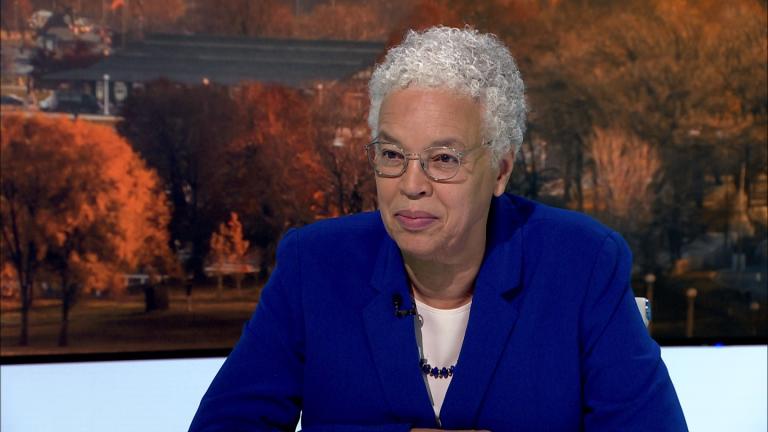
Just 43 days after Cook County Board President Toni Preckwinkle introduced the spending plan that closed a $102.6 million gap in its general fund and a $108.8 million gap in its health fund, it sailed to final approval with little drama.
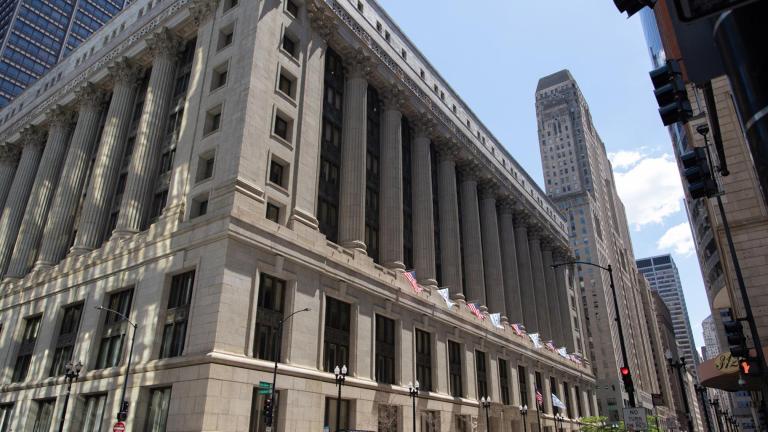

Budget negotiations between members of the Chicago City Council have accelerated following Mayor Brandon Johnson’s initial proposal, which he unveiled last week.
Cook County is putting forth a $10.1 billion budget proposal for the 2026 fiscal year. The plan includes no new taxes or fees, but officials warn of tough waters in the years ahead as potential federal funding cuts threaten to hit the county’s bottom line.
“We’re headed into pretty tough waters here, turmoil,” Cook County Board President Toni Preckwinkle said. “And I would anticipate … next year, and particularly the years after next, we’re going to be in a very difficult place as the federal government reduces its support.”
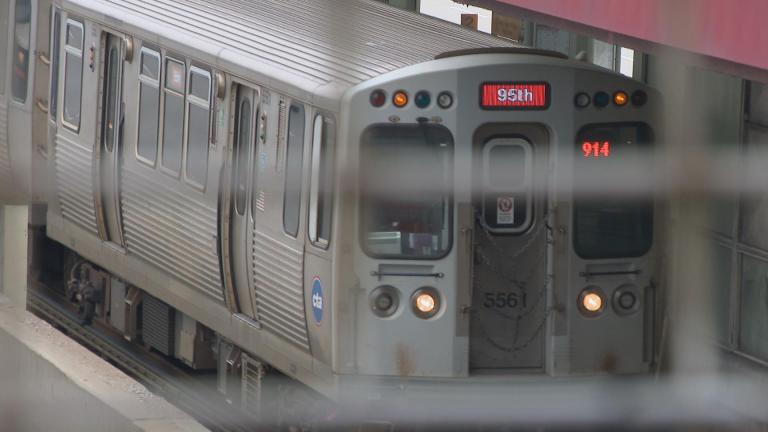
The funding freeze, which came despite a full funding agreement executed earlier this year, comes amid a broader anti-DEI push from the administration. In announcing the pause, federal officials said they’d be examining whether the Red Line Extension involves “race-based contracting” that Trump officials claim are discriminatory.
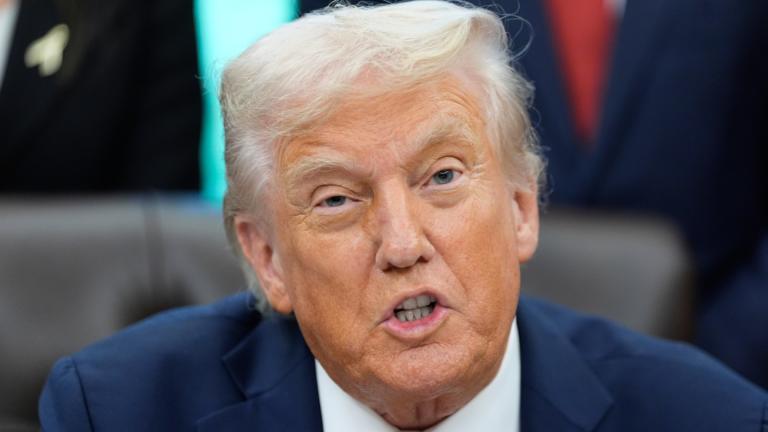
President Donald Trump has seized on the government shutdown as an opportunity to reshape the federal workforce and punish detractors, meeting with budget director Russ Vought on Thursday to talk through “temporary or permanent” spending cuts.

The latest order requires most state agencies to, within 30 days, “identify immediate spending reductions, including efficiencies that will result in reduced spending.”

“It’s on the table,” Mayor Brandon Johnson said Tuesday at a City Hall news conference. “Everything has to be on the table. Everything has to be on the table.”
The new database launched after WTTW News reported the city spent $510.9 million on employee overtime in 2024 — 1.5% less than in 2023, with more than half of the total amount used to compensate Chicago Police Department officers for working extra hours.
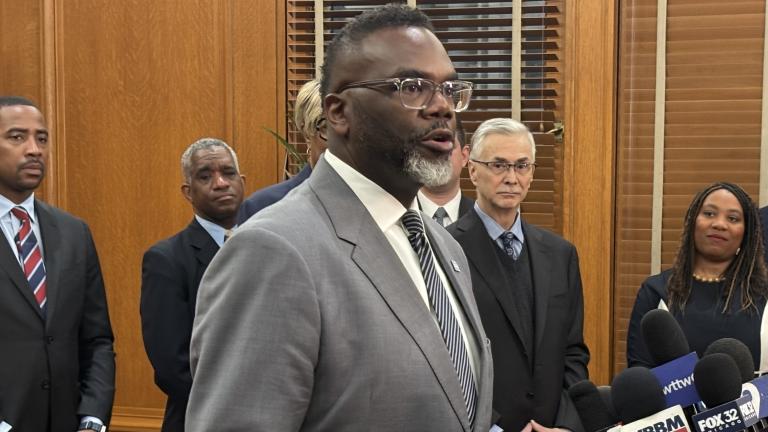
Chicago officials held the first of four “budget engagement roundtables” designed to gather feedback about the city’s 2026 budget.

Illinois state officials are interested in attracting the nascent industry because of its potential for economic growth and positioning Illinois as a high-tech leader in the coming decades.

The $55.1 billion spending plan set to take effect July 1 is the largest in state history and is supported by $55.3 billion in anticipated revenue, including more than $700 million in new taxes and more than $500 million in one-time revenues.

Kwame Raoul’s office has joined lawsuits challenging actions of the Trump administration as well as defending the state against legal actions the administration has filed against Illinois.
State lawmakers sent Gov. JB Pritzker a $55.2 billion budget on May 31 that raises $1 billion in new revenue and increases spending by more than $2 billion in fiscal year 2026 compared to the current year.
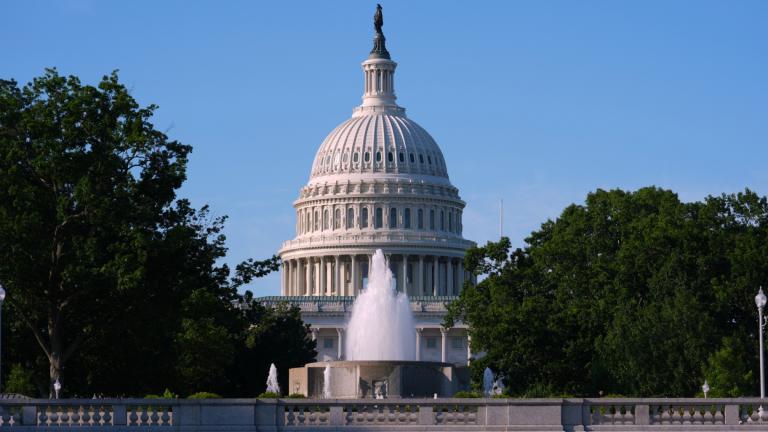
The Congressional Budget Office has projected that President Donald Trump’s “one big beautiful bill” would increase federal deficits by about $2.4 trillion over 10 years.

President Donald Trump’s big bill making its way through Congress will cut taxes by $3.75 trillion but also increase deficits by $2.4 trillion over the next decade, according to an analysis released Wednesday by the nonpartisan Congressional Budget Office.
Trending
A CTA Bus Driver Was Attacked on the Job. She Was Later Fired While on Leave

Top Cop Agrees to Fire Chicago Police Officer Who Repeatedly Used Racial Slurs: Records

Pritzker, Bailey Square Off in Contentious Discussion Over Taxes, Trump and Bears

After City Council Refused to Settle, Jury Rejects Lawsuit Filed by Family of Woman Killed by Driver Chased by CPD
Changes Are Coming to CTA, Metra and Pace. Hear From the Leaders of Their New Oversight Agency

Sign up for the WTTW News newsletter