

Alzheimer's Disease
About a million Americans a year are expected to develop dementia by 2060, roughly double today’s toll, researchers reported Monday.
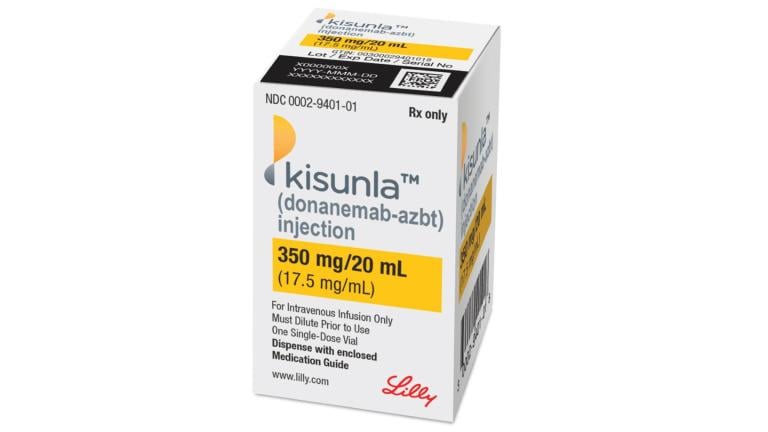
Eli Lilly’s Kisunla was approved for mild or early cases of dementia caused by Alzheimer’s. It’s only the second drug that’s been convincingly shown to delay cognitive decline in patients, following last year’s approval of a similar drug from Japanese drugmaker Eisai.
Food and Drug Administration advisers voted unanimously that the drug’s ability to slow the disease outweighs its risks, including side effects like brain swelling and bleeding that will have to be monitored.
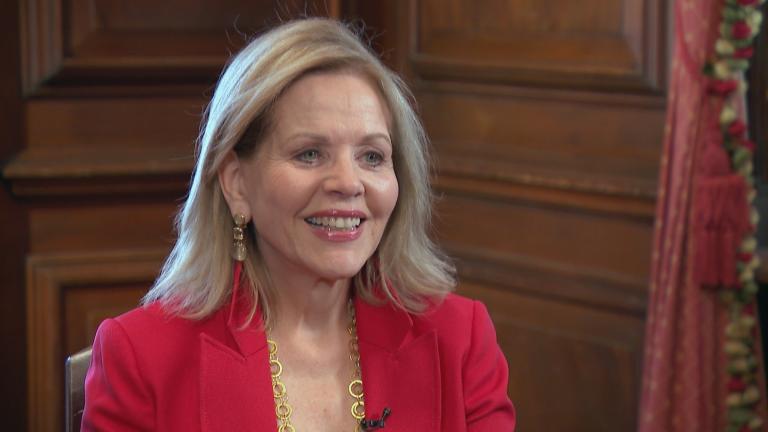

World-renowned soprano Renée Fleming has a new book called “Music and Mind” – a collection of essays curated and edited by the operatic superstar exploring the healing power of music and the arts, and what modern science is uncovering about that connection.
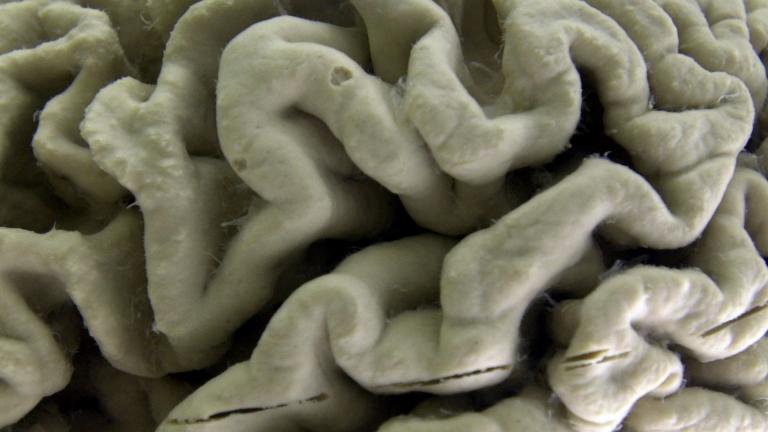
The vast majority of Alzheimer’s cases occur after age 65. But research published Monday suggests that for people who carry not one but two copies of the gene, it’s more than a risk factor, it’s an underlying cause of the mind-robbing disease.
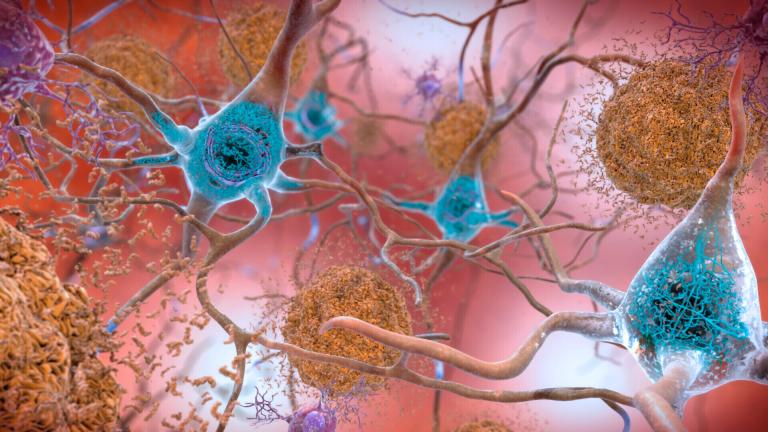
Japanese drugmaker Eisai and its U.S. partner Biogen had announced earlier this fall that the drug lecanemab appeared to work, a badly needed bright spot after repeated disappointments in the quest for better treatments of the incurable disease.

Researchers at Northwestern University Feinberg School of Medicine are studying adults in their 80s and up with high-functioning cognitive abilities.
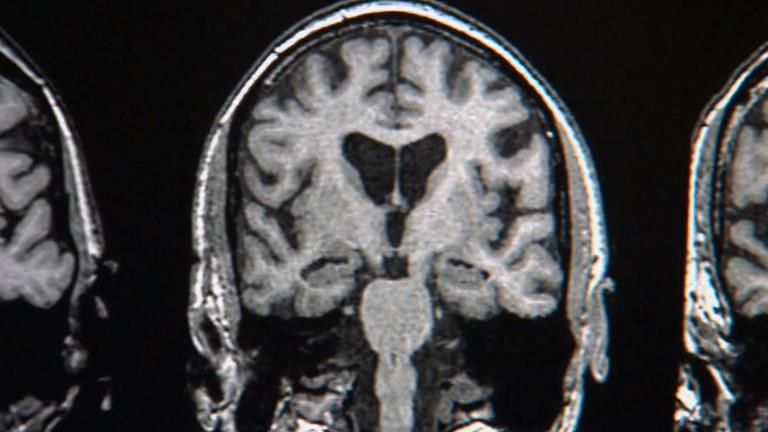
The degenerative brain disease, for which there currently is no cure, takes a terrible toll on both patients and caregivers. By the year 2060, some 3.5 million Latinos are expected to be afflicted with the disease.
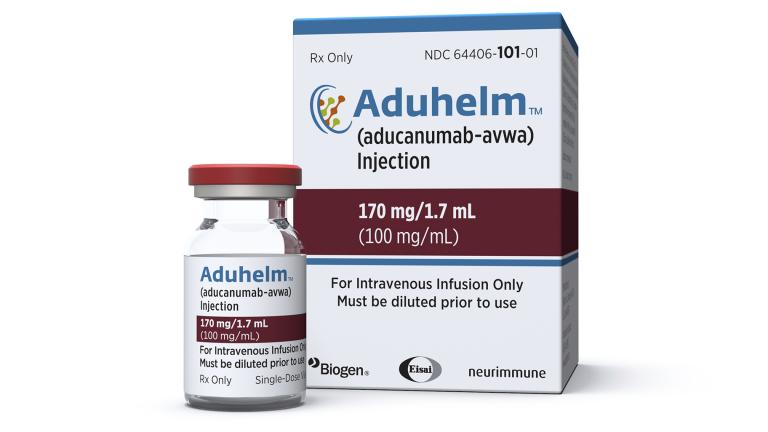
The acting head of the Food and Drug Administration on Friday called for a government investigation into highly unusual contacts between some of her agency’s drug reviewers and the maker of a controversial new Alzheimer’s drug.
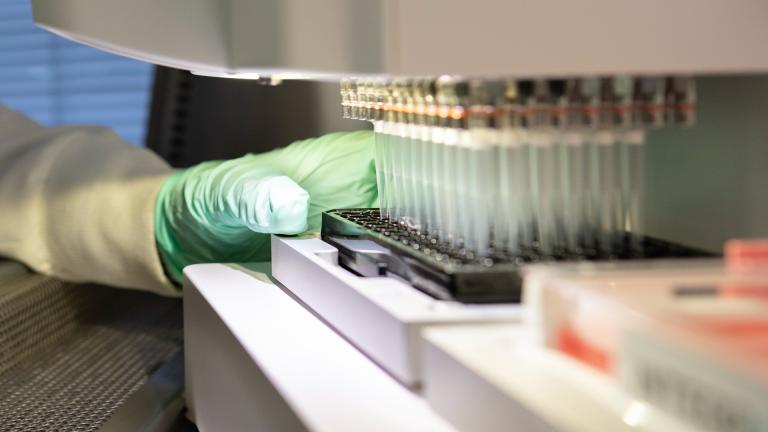
Plus: “Chicago Tonight” gets into the controversy behind the drug’s approval
The Food and Drug Administration said it granted approval to the drug from Biogen based on results that seemed “reasonably likely” to benefit Alzheimer’s patients. It’s the only drug that U.S. regulators have said can likely treat the underlying disease, rather than manage symptoms like anxiety and insomnia.

People with high genetic risk and poor health habits were about three times more likely to develop dementia versus those with low genetic risk and good habits, researchers reported Sunday.

If you want to save your brain, focus on keeping the rest of your body well with exercise and healthy habits rather than popping vitamin pills, new guidelines for preventing dementia advise.
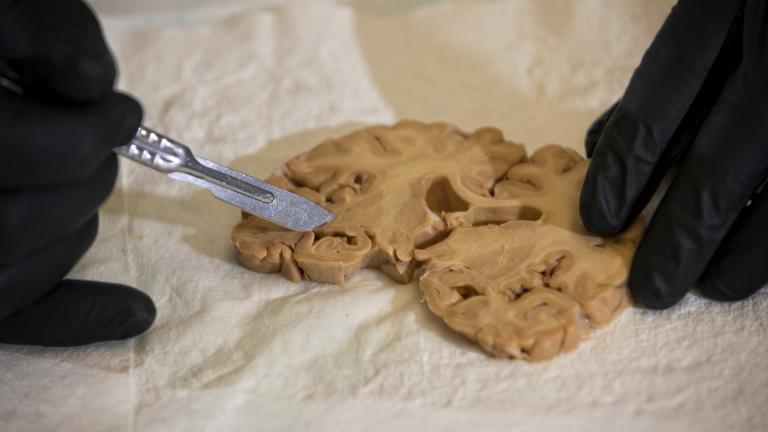
Some people told they have Alzheimer’s may instead have a newly identified mimic of the disease — and scientists say even though neither is yet curable, it’s critical to get better at telling different kinds of dementia apart.
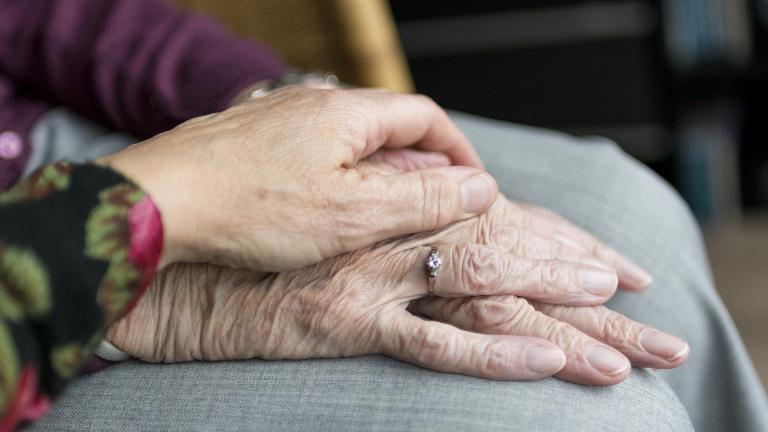
New research suggests seniors who aren’t on guard against scams also might be at risk for eventually developing Alzheimer’s disease.

Northwestern University is one of dozens of medical centers across the country studying whether the drug can protect against or slow down the progression of the disease in patients already experiencing symptoms.
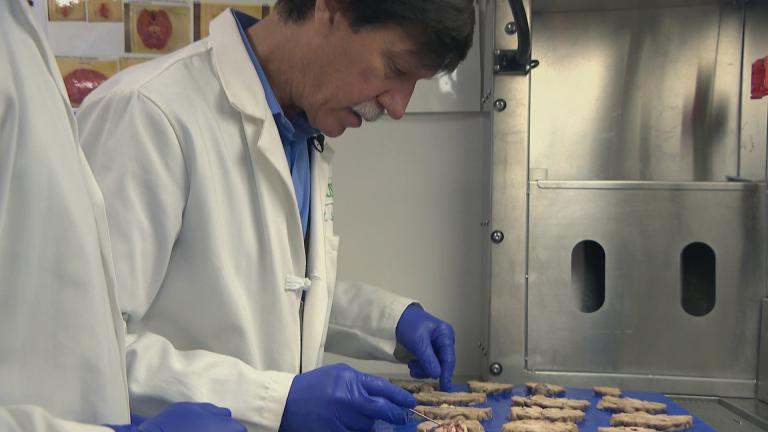
An estimated 5 million Americans are living with Alzheimer’s disease, and that number is expected to rise. We learn about one of the world’s most comprehensive studies of the disease, taking place right here in Chicago.
Trending
Pair of Chicago Elementary Schools Named Top in Illinois in New U.S. News Rankings

Mother-Son Reunions Among Latest Milestones for Shedd’s Rescued Belugas

Migration Mass Casualty With At Least 1,000 Birds Injured or Killed This Weekend in Chicago and on Northwestern’s Campus

Early Voting for November General Election Expands in Chicago, Suburban Cook County

Giannoulias, Quigley, Wilson — But Not Johnson — Among First to File Signatures Ahead of Chicago’s February Mayoral Election

Sign up for the WTTW News newsletter