

AIDS
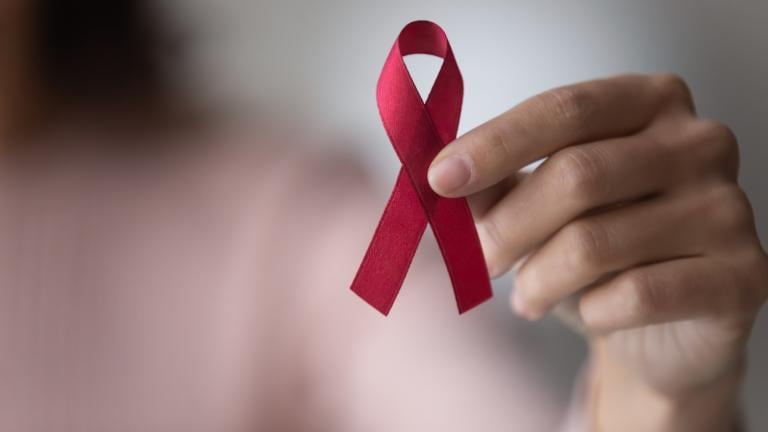

Started by the World Health Organization as a way to honor individuals who died in the epidemic, World AIDS Day raises international awareness about the ongoing public health crisis.

A study published Monday in The Lancet estimates that the USAID funding cuts could result in more than 14 million additional deaths by 2030. Nearly a third of those deaths – more than 4.5 million – are estimated to be among children younger than 5.

The health center Vivent Health+TPAN, located at 5537 N. Broadway, is providing clinical care in collaboration with Northwestern Medicine as well as wraparound social services for people living with HIV.
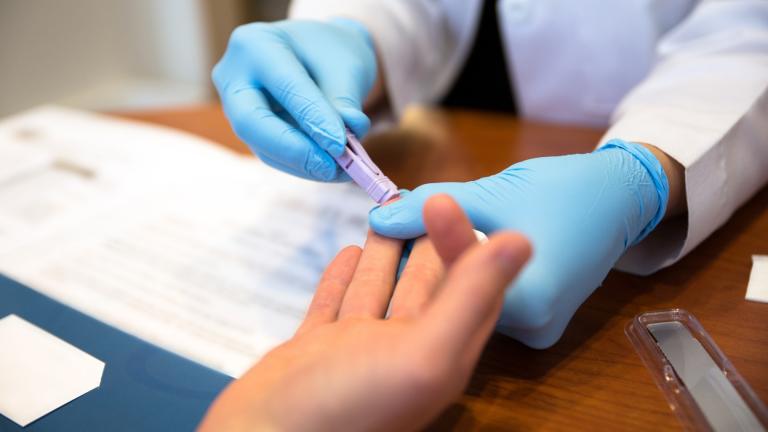
Latinos account for the largest share of new HIV diagnoses and infections among men who have sex with men — more than any other ethnic and racial demographic, according to an analysis from KFF News-Associated Press. There are over 22,000 people living with HIV in Chicago and the city saw 700 new HIV diagnoses in 2022.
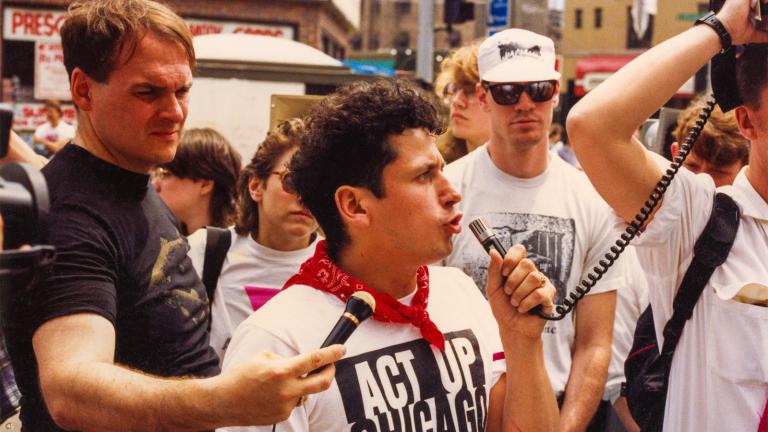
Reflecting on the impact political cartoonist and activist Danny Sotomayor had on the AIDS epidemic in Chicago during the 1980s and 1990s.

The late Chicago AIDS activist Danny Sotomayor didn’t just open doors at City Hall. He was also a political cartoonist and an organizer who used civil disobedience to wage war on city officials marginalizing the LGBTQ+ community.
A new report from the Chicago Department of Public Health says not only are fewer people being diagnosed, but more people who are already living with HIV-AIDS are reaching viral suppression.
HIV diagnoses in Chicago during 2020 were the lowest reported since 1987, according to the Chicago Department of Public Health’s latest HIV/STI data report.
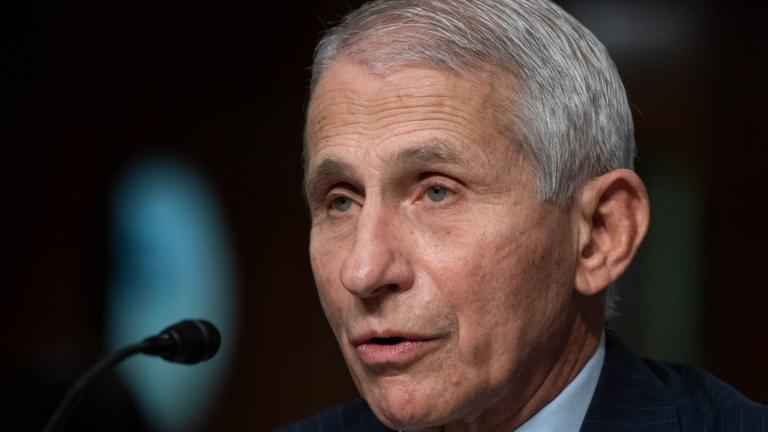
Dr. Anthony Fauci directs the National Institute of Allergy and Infectious Diseases, is chief medical adviser to President Joe Biden and also leads a lab studying the immune system. He has served in federal government for more than five decades.
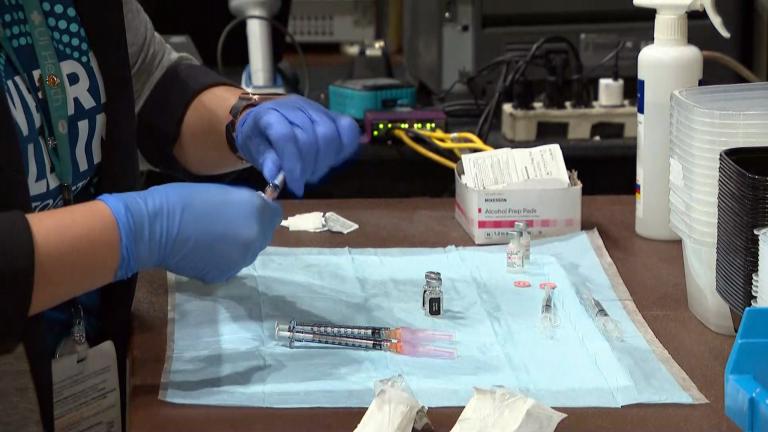
Medical advances made while fighting the COVID-19 pandemic may have valuable applications in fighting another epidemic.

The AIDS Garden Chicago, a project many years in the making, is now open to the public. Located just south of Belmont Harbor, the garden’s location has a meaningful place in the history of the city’s queer community.

It has been 40 years since the first cases of what’s now recognized as HIV/AIDS were reported. Today, the AIDS Foundation of Chicago estimates that 45,000 people are living in Illinois with HIV or AIDS, 28,000 of whom reside in Chicago.

A bill awaiting Gov. J.B. Pritzker’s signature would repeal the state’s so-called HIV criminal transmission statute, which makes it illegal for people living with HIV to have unprotected sex without disclosing their status to sexual partners.
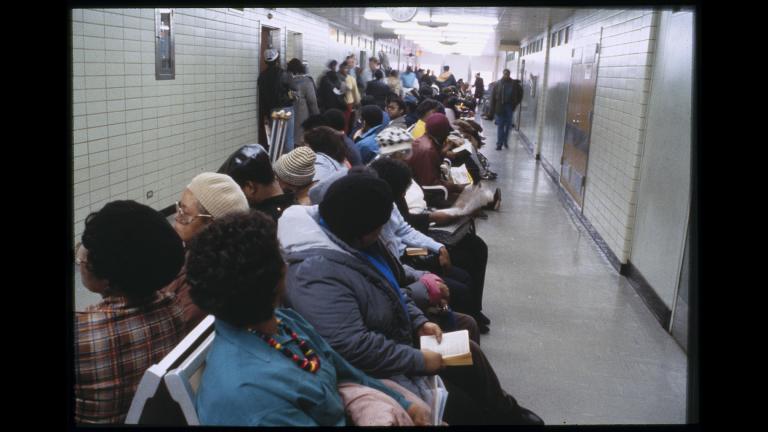
The stories of women living with HIV in Chicago and across the country take the focus of a new online exhibition organized by the History Moves project.

New HIV diagnoses have been dropping in Chicago for years, reaching a record low in 2018. Yet as HIV rates decline, city health officials say other sexually transmitted infections are reaching record highs.

For more than a decade, Northwestern University professor Celeste Watkins-Hayes documented the lives of more than 100 women living with HIV/AIDS in Chicago and beyond. Now, their stories are featured in a new book.
Trending
Pair of Chicago Elementary Schools Named Top in Illinois in New U.S. News Rankings

Mother-Son Reunions Among Latest Milestones for Shedd’s Rescued Belugas

Migration Mass Casualty With At Least 1,000 Birds Injured or Killed This Weekend in Chicago and on Northwestern’s Campus

Early Voting for November General Election Expands in Chicago, Suburban Cook County

Giannoulias, Quigley, Wilson — But Not Johnson — Among First to File Signatures Ahead of Chicago’s February Mayoral Election

Sign up for the WTTW News newsletter