

Abortion
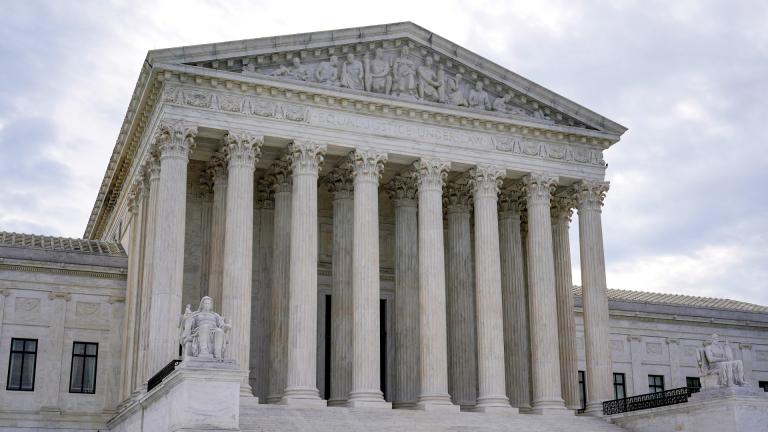
The court acted more than a month after hearing arguments over the law, which makes no exceptions for rape or incest.
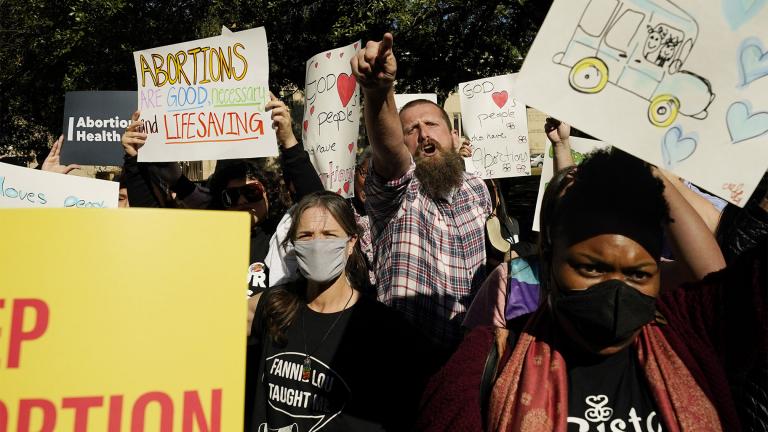

The Supreme Court has never allowed states to ban abortion before viability, the point at roughly 24 weeks when a fetus can survive outside the womb. But the court’s conservative majority may overturn a nationwide right to abortion that has existed for nearly 50 years under the court’s Roe v. Wade decision.
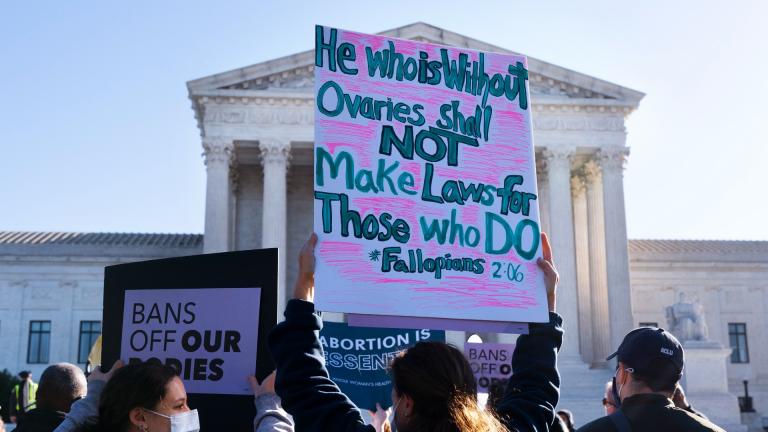
A majority of the Supreme Court signaled Monday they would allow abortion providers to pursue a court challenge to a Texas law that has virtually ended abortion in the nation’s second-largest state after six weeks of pregnancy.
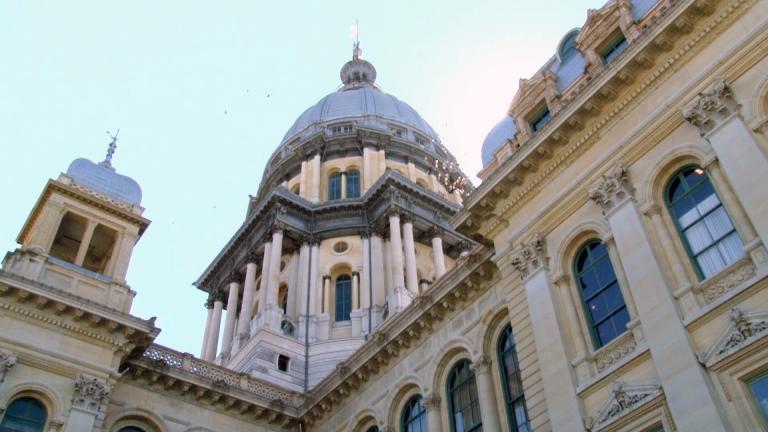
Late Wednesday, the Illinois House of Representatives approved a measure that would repeal a law requiring parents and guardians be notified before their minor child can have an abortion. The measure now heads to Gov. J.B. Pritzker.

Spurred in part by Texas’ new restrictions on abortions, Illinois legislators on Tuesday took a step toward moving in the other direction, when the Illinois Senate voted to roll back a law that requires parents and guardians be notified before their minor child can have an abortion.
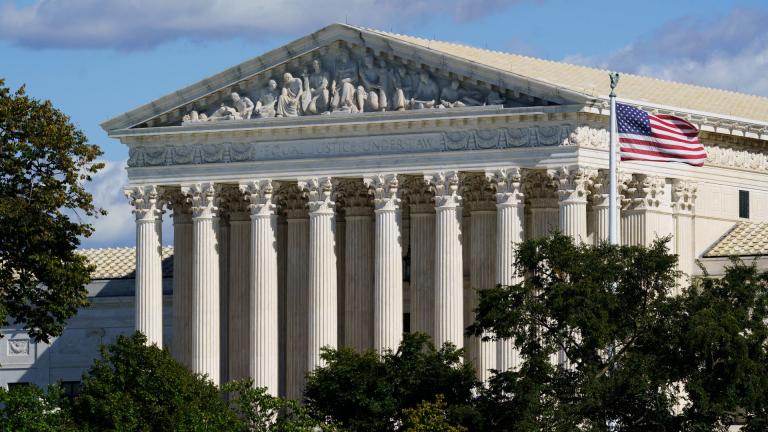
The Supreme Court is allowing the Texas law that bans most abortions to remain in place, but has agreed to hear arguments in the case in early November.
The Biden administration is asking the Supreme Court to block the Texas law banning most abortions, while the fight over the measure’s constitutionality plays out in the courts.
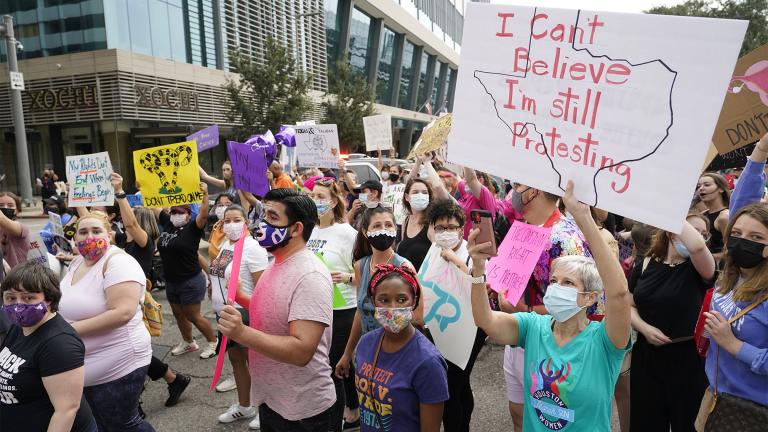
A one-page order by the 5th U.S. Circuit Court of Appeals issued late Friday reinstated the nation’s strictest abortion law, which bans abortions once cardiac activity is detected, usually around six weeks. It makes no exceptions in cases of rape or incest.
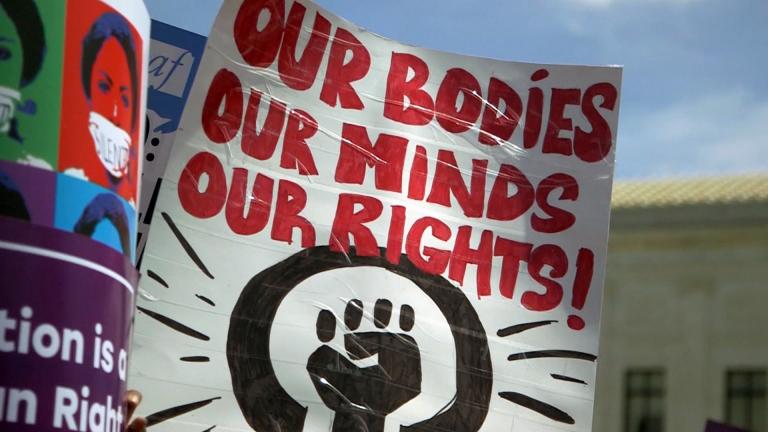
The order Wednesday by U.S. District Judge Robert Pitman is the first legal blow to the Texas law known as Senate Bill 8, which until now had withstood a wave of early challenges.
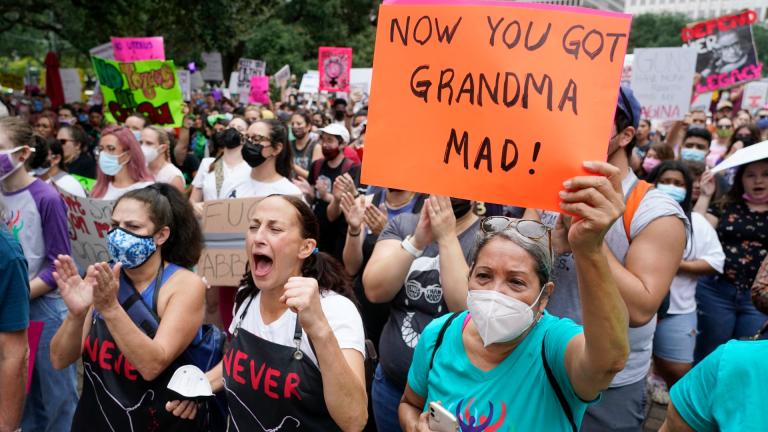
The latest legal challenge came as the Biden administration waited for a federal judge in Austin, Texas, to rule on a request to halt the law known as Senate Bill 8, which bans abortions in Texas once cardiac activity is detected, usually around six weeks.
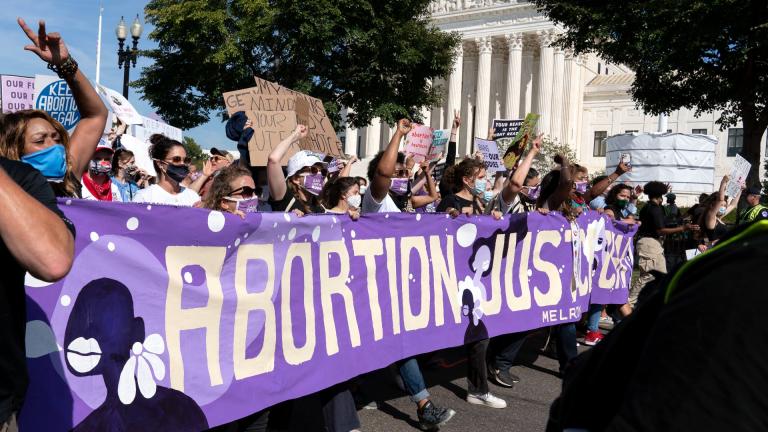
The Biden administration on Monday reversed a ban on abortion referrals by family planning clinics, lifting a Trump-era restriction as political and legal battles over abortion grow sharper from Texas to the U.S. Supreme Court.
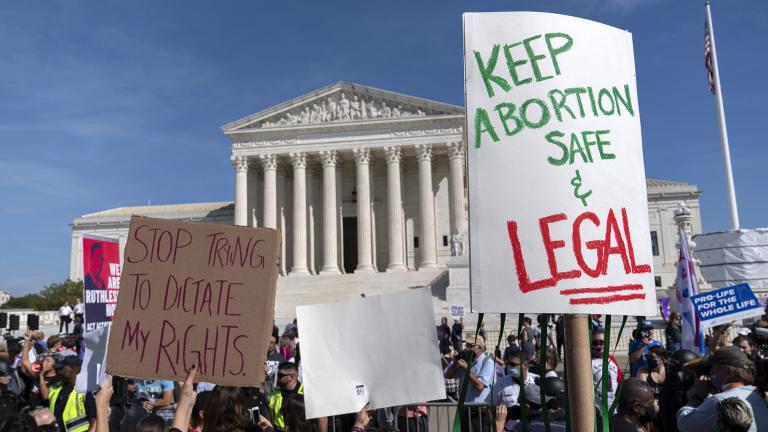
The first Women’s March of the Biden administration headed straight for the steps of the Supreme Court on Saturday, part of nationwide protests that drew thousands to Washington to demand continued access to abortion.
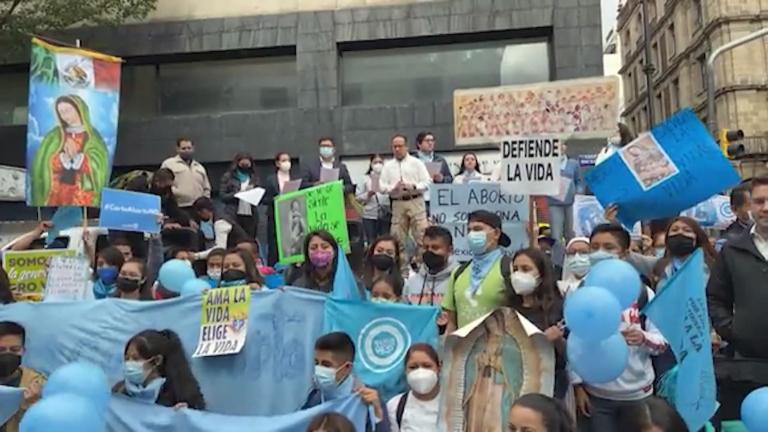
Just a few weeks after a Texas law took effect that bans most abortions in that state, Mexico’s Supreme Court has decided that women should not be criminalized for having an abortion. Both decisions have reignited protests over reproductive rights.
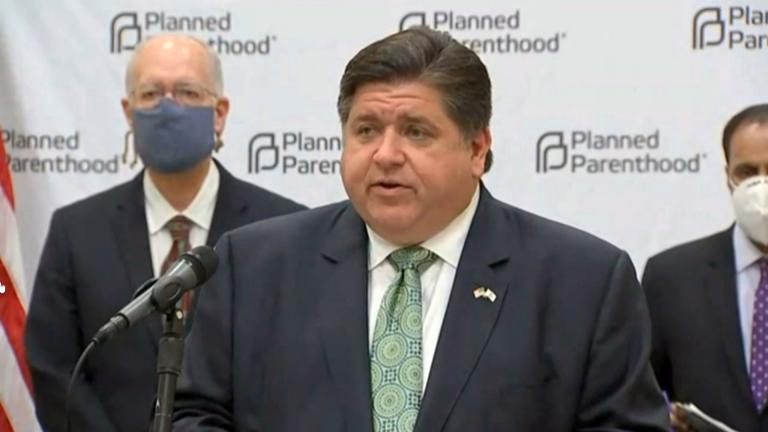
U.S. Reps. Underwood, Foster and Krishnamoorthi call for federal reproductive health law
In the wake of a new law banning nearly all abortions in Texas, Gov. J.B. Pritzker and members of Illinois’ congressional delegation vowed to protect women’s rights while calling for a federal reproductive health law. “Nobody should be forced to cross state lines to see a doctor,” Pritzker said.
Texas has taken a controversial approach to banning abortions once cardiac activity is detected, with a law that allows private citizens to sue anyone involved with the procedure. Now, activists on both sides of the abortion debate are gearing up for a legislative battle.
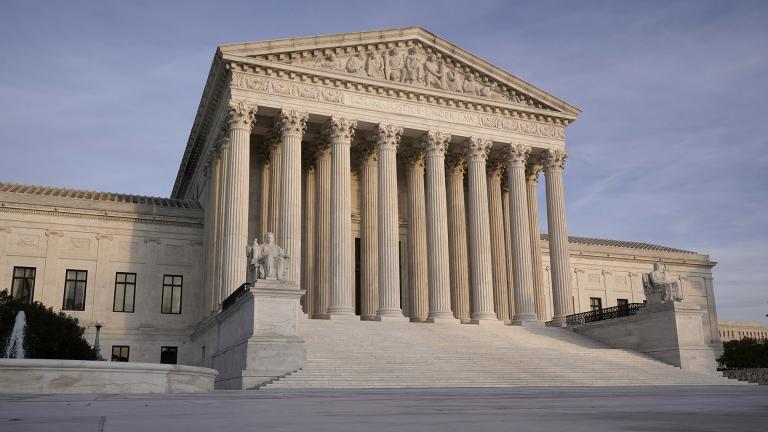
A deeply divided Supreme Court is allowing a Texas law that bans most abortions to remain in force, for now stripping most women of the right to an abortion in the nation’s second-largest state.
Trending
Car Registered to Man Accused of Planning Mass Shooting Was at Hindu Temple He Targeted, Police Say

Pair of Chicago Elementary Schools Named Top in Illinois in New U.S. News Rankings

Migration Mass Casualty With At Least 1,000 Birds Injured or Killed This Weekend in Chicago and on Northwestern’s Campus

Giannoulias, Quigley, Wilson — But Not Johnson — Among First to File Signatures Ahead of Chicago’s February Mayoral Election

'Super' El Niño Winter Weather Outlook Is Here, What Does It Mean for Chicago?

Sign up for the WTTW News newsletter