Politics
Transit Officials Outline ‘Significant Investment’ of $5B for 2027, Laying Groundwork for Major Changes
 A CTA train is pictured in a file photo. (AlbertPego / iStock)
Leaders from the Northern Illinois Transit Authority, CTA, Metra and Pace on Thursday laid out their vision for 2027 and beyond as the NITA board of directors considered its upcoming budget and took comments from the public.
The $5 billion operating budget for the region’s public transportation includes an expected $1.3 billion in additional funding approved by state lawmakers last year when they created NITA to replace the Regional Transportation Authority.
The spending plan includes funding for statutorily mandated efforts like a new transit ambassador program. The plan also aims to address concerns from surveyed riders including public safety, better connections across the system, and more frequent and reliable service, which NITA interim Executive Director Jamie Rhee called a “significant investment” in the system.
On the safety front, next year’s proposed budget includes more than $56 million for a Ride Safe incident reporting app (which is set to enter the pilot phase next week); creating an Office of Transit Safety and Experience; launching the transit ambassador program; and better coordination between law enforcement and social service providers.
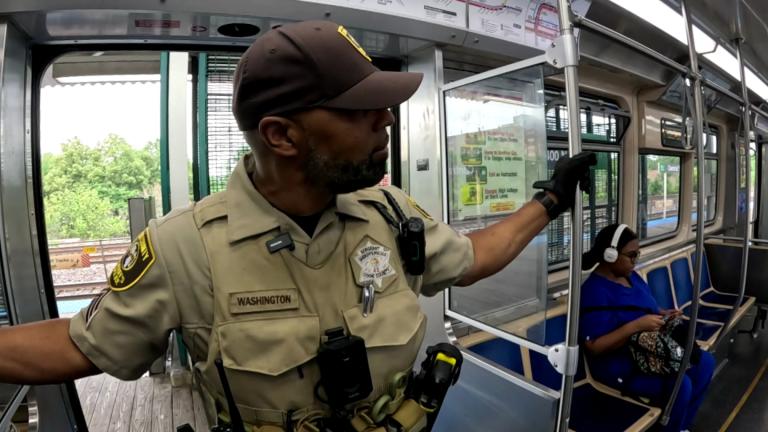
Officials on Thursday outlined the safety wins the system’s already seen, including from the Cook County Sheriff’s Police patrols that began in March. That effort has so far netted 276 arrests, including 160 felony arrests and nearly 11,000 blocked attempts to evade paying a fare. (Among the proposed capital investments in the coming year is a pilot program to install new gates that are more difficult to jump.)
When it comes to service, the CTA is set to see funding to improve slow zones on the rail system and add more routes to its 24-hour network of buses scheduled to arrive every 10 minutes or less. There are also efforts to tackle overcrowding on Metra, including an increase of 54,000 service hours. And Pace is set to see a major increase of more than 100,000 service hours, plus new Sunday service and schedule changes to improve connections.
Staff highlighted service and ridership gains that have already occurred, including ridership across the entire NITA system that is 93% higher this year than in 2021.
The proposed plan also includes additional funding for accessibility efforts and to encourage new development around bus stops, train stations and on transit-owned land. Audrey Rutter of the equitable transit-oriented development advocacy group Elevated Chicago applauded those items, saying they have the “potential to unlock thousands of units of affordable housing” — but cautioned that it’s important not to displace transit-dependent households.
Budget officials highlighted $60 million in efficiencies, far more than the $47 million required by the law that created NITA. The 2027 plan has no fare increases and expands reduced fare programs.
Officials also outlined a five-year, $9.73 billion capital budget, which includes nearly $1 billion in new state funding approved by lawmakers last year over the life of the spending plan. The plan contains investments across the system, including the Red Line Extension on Chicago’s Far South Side, track rehab work, and new or updated stations, rail cars and buses. But even with new state funding, the budget proposal calls for “sustained additional investment” from Springfield to balance needed repairs and maintenance with the new goals and requirements for the transit system mandated by the NITA Act.
Public comment is open until Dec. 4. The board is scheduled to approve a final budget at its meeting on Dec. 10.
Consultant Peter Rogoff, the former CEO of Seattle-area Sound Transit, said it’s important to demonstrate “early wins” to the public. Given the new structure of NITA much more directly overseeing CTA, Metra and Pace, he also said it’s important to ensure any funding to those agencies is tied to “very clear plans for which they are held accountable … should they not execute.”
Find the budget executive summary here and the full budget proposal here.
Contact Nick Blumberg: [email protected] | (773) 509-5434 | @ndblumberg