

Business
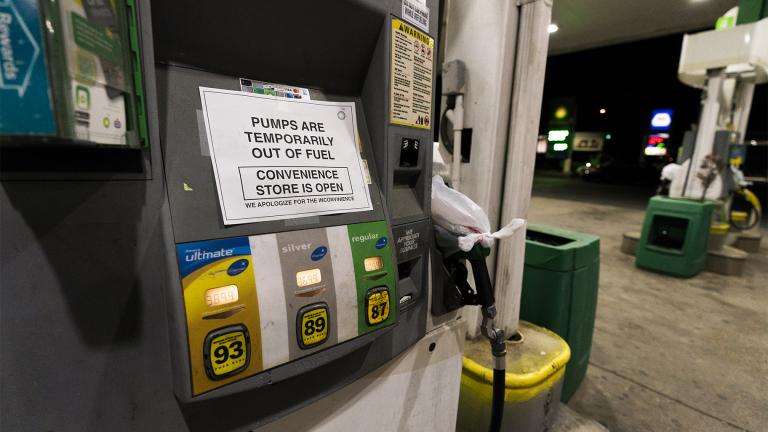
The operator of the nation’s largest gasoline pipeline — hit on May 7 by a ransomware attack — announced Saturday that it has resumed “normal operations,” delivering fuel to its markets, including a large swath of the East Coast.
McDonald’s follows other chains including Chipotle, which said Monday that it will raise workers’ pay to an average of $15 per hour by the end of June.
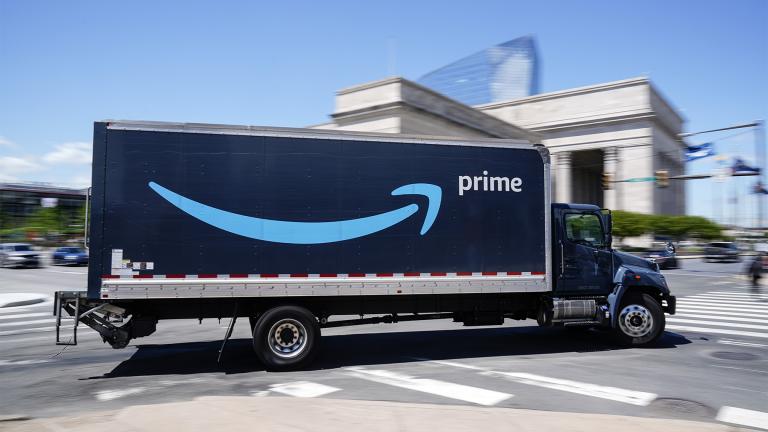
The jobs are for delivery and warehouse workers, who pack and ship online orders. Amazon, which already pays at least $15 an hour, gave out raises for some of its workers last month, and the company said Thursday that new hires will make an average of $17 an hour.
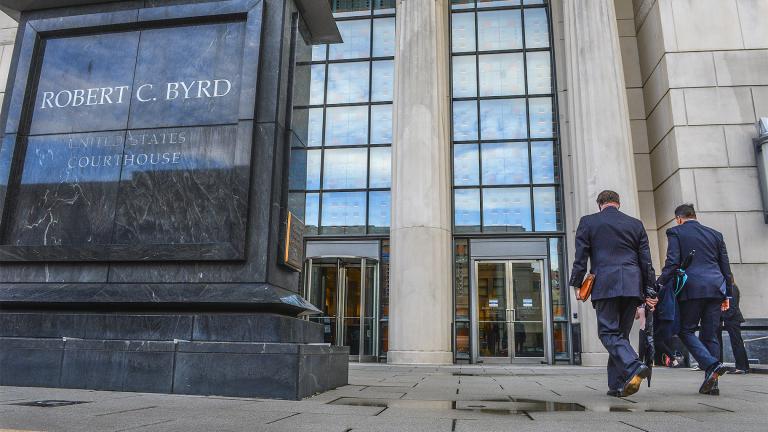
A corner of West Virginia wrenched by opioid addiction is getting the chance to argue in a courtroom that some of the corporate giants it blames for a public health crisis that left hundreds of people dead deserve to be held accountable.
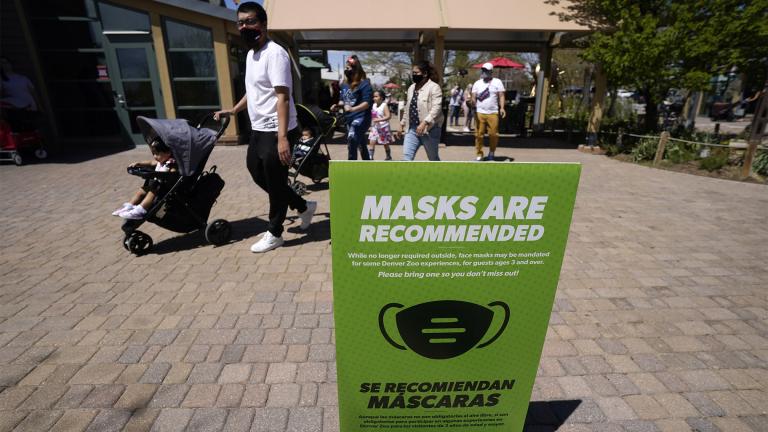
More than a dozen states quickly embraced new federal guidelines that say fully vaccinated Americans no longer need to wear masks indoors or out in most cases. But other states and cities and some major businesses hesitated amid doubts about whether the approach is safe or even workable.
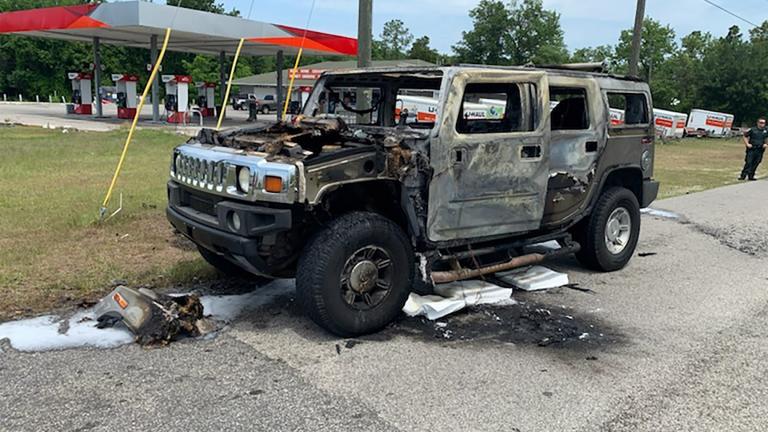
Gas shortages at the pumps have spread from the South, all but emptying stations in Washington, D.C., following a ransomware cyberattack that forced a shutdown of the nation’s largest gasoline pipeline. Though the pipeline operator paid a ransom, restoring service was taking time.

The Lawrence and Berwyn stations will fully close Sunday while track is rebuilt and new stations are constructed on a 6-mile stretch of the CTA Red Line.
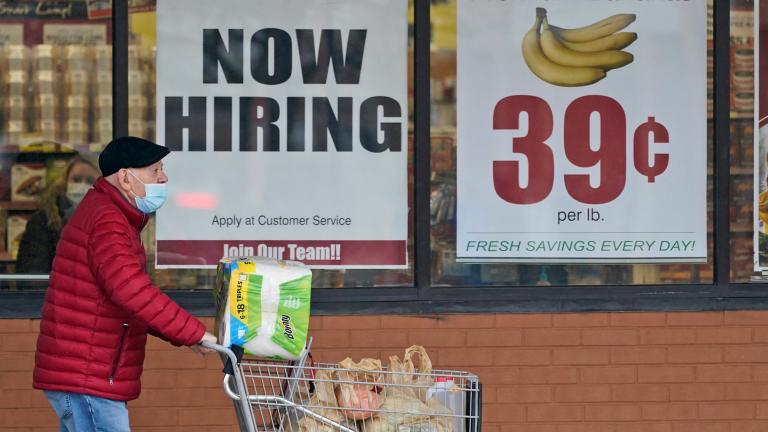
The number of Americans seeking unemployment benefits fell last week to a new pandemic low, the latest evidence that fewer employers are cutting jobs as consumers ramp up spending and more businesses reopen.
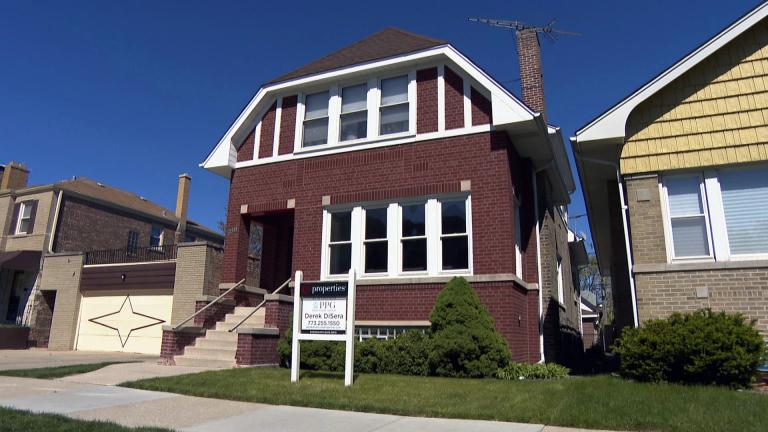

The number of local home sales has skyrocketed, driving prices in the Chicago metro area to all-time highs. That’s translated into lightning-fast turnover as people put their homes up for sale — as well as a decline in inventory.
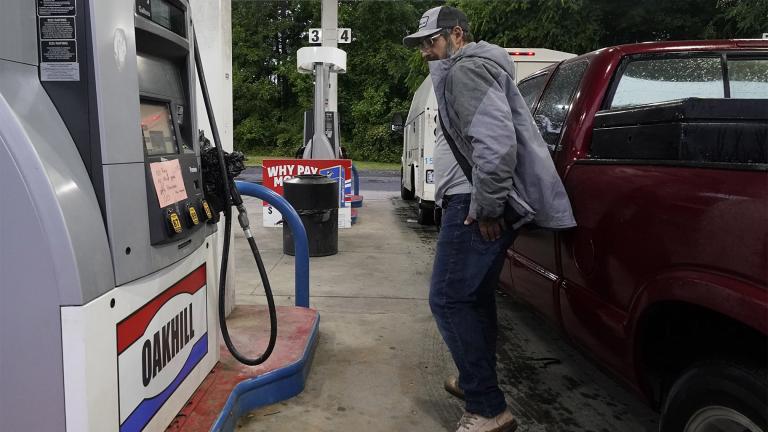
There is no gasoline shortage, according to government officials and energy analysts. But there is a problem getting the fuel from refineries on the Gulf Coast to the states that need it, and officials are scrambling to find alternate routes to deliver that fuel.
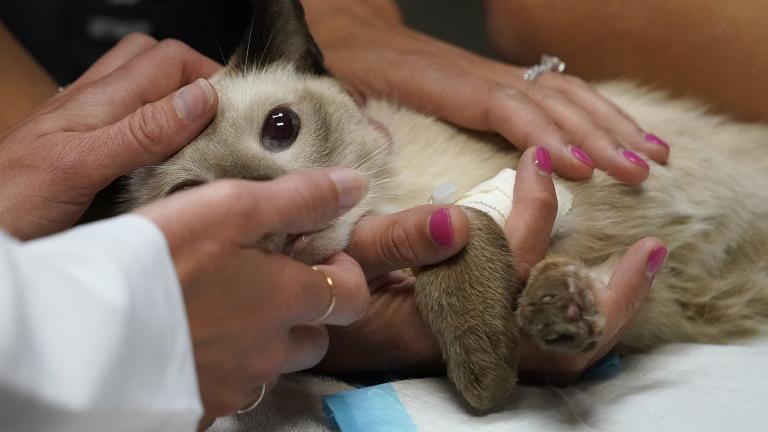
Approximately 12.6 million U.S. households got a new pet last year after the pandemic was declared in March 2020, according to a COVID-19 Pulse Study by the American Pet Products Association.

A new WBEZ series examines how Chicago’s institutions interact with its residents. Sasha-Ann Simons, the station’s new host of “Reset,” joins us.
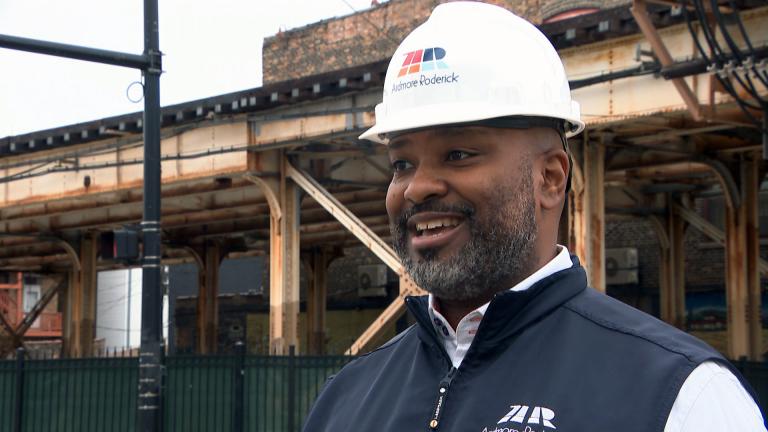
For extra help with its massive $2.1 billion modernization project, the CTA hired a joint venture made up of three firms, including a locally owned company that started in a South Side attic. Rashod Johnson tells us about his company and his love of civil engineering.
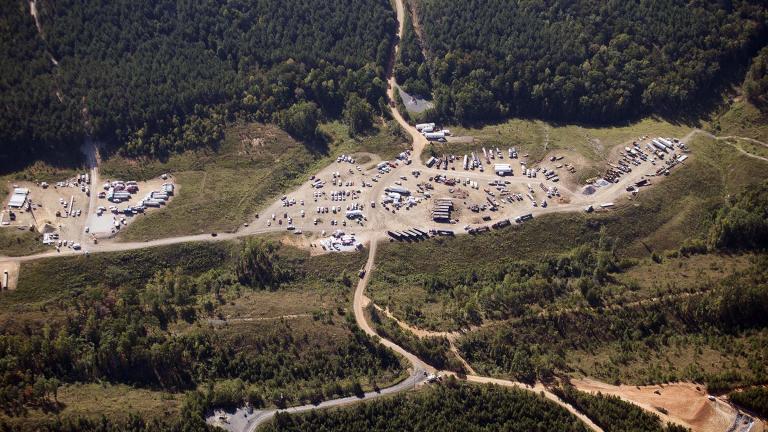
A cyberattack on a critical U.S. pipeline is sending ripple effects across the economy, highlighting cybersecurity vulnerabilities in the nation’s aging energy infrastructure.
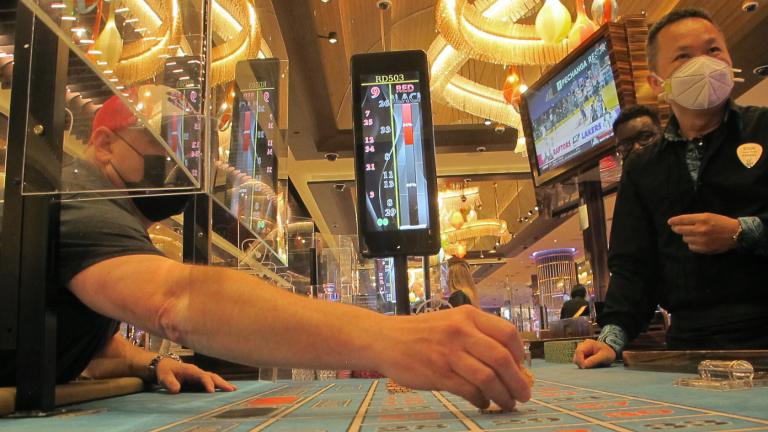
Figures released Tuesday by the American Gaming Association, the casino industry’s national trade group, show the nation’s commercial casinos took in over $11.1 billion in the first quarter of this year.
Rush University System for Health and BMO Financial Group team up to help improve health disparities in the region. Crain’s Chicago Business reporter Danny Ecker has details on that story and more.
Trending
Who Is Running to Become Chicago’s Next Mayor

Cloud of Lead Dust From Army’s Detonation of Explosives in Iowa Could Miss Illinois if Weather Holds, Officials Say
Army Says Explosives Detonation 'Tremendously Successful,' Early Monitoring Showing No Lead Dispersal

Marching Illini Set To Deliver Epic Ode to Chicago During Macy’s 100th Thanksgiving Parade: Watch Rehearsal

What to Know About the Army’s Planned Detonation of 5 Tons of Lead Explosives in Iowa

Sign up for the WTTW News newsletter