Business
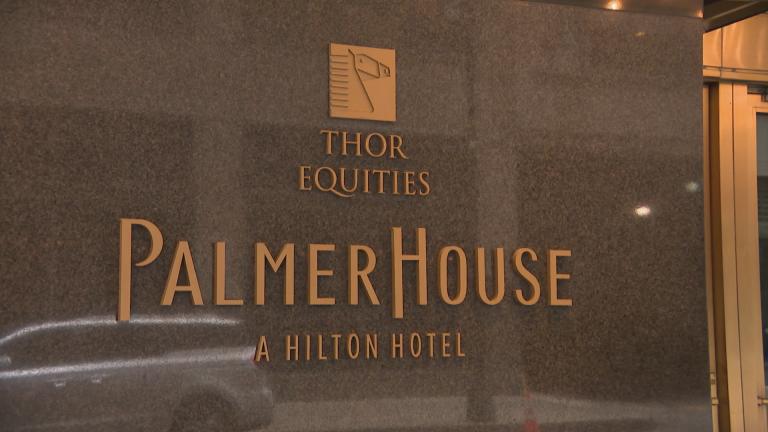

Chicago’s second-largest hotel is hit with a $338 million foreclosure lawsuit, proving it's not immune from the pandemic’s effects on the hospitality industry.
Illinois’ minimum wage increased from $9.25 to $10 in July, despite a request from business owners to delay the hike during a pandemic. But for employers whose take-home pay is largely dependent on tips, the minimum wage is $6.

A Highland Park shop specializing in ukuleles is keeping its music community alive by offering virtual lessons on how to play the “happiest instrument on the planet.”

The measure includes a ban on short-term rentals that last only one night in an effort to block huge parties that have become a regular nuisance in some neighborhoods.
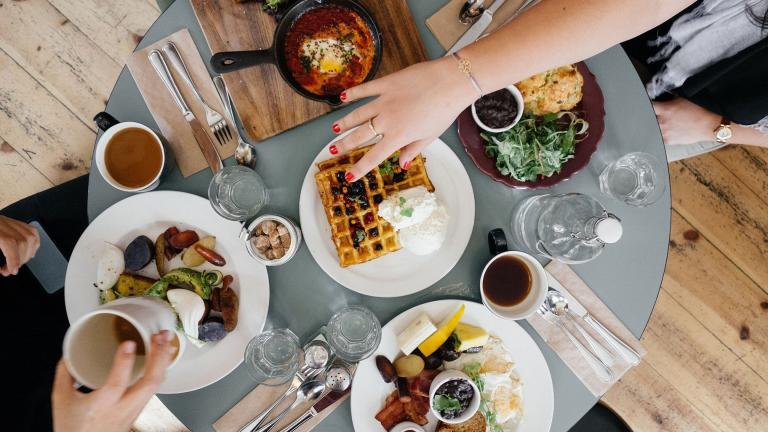
Starting Wednesday, people visiting bars and restaurants in Illinois will be required to wear face coverings during all of their interactions with staff, whether they are sitting indoors or outdoors, according to a new policy.

The city hunts for real estate developers for commercial corridors on the South and West sides, but will developers bite? Crain’s Chicago Business Editor Ann Dwyer joins us with the stories behind the headlines.
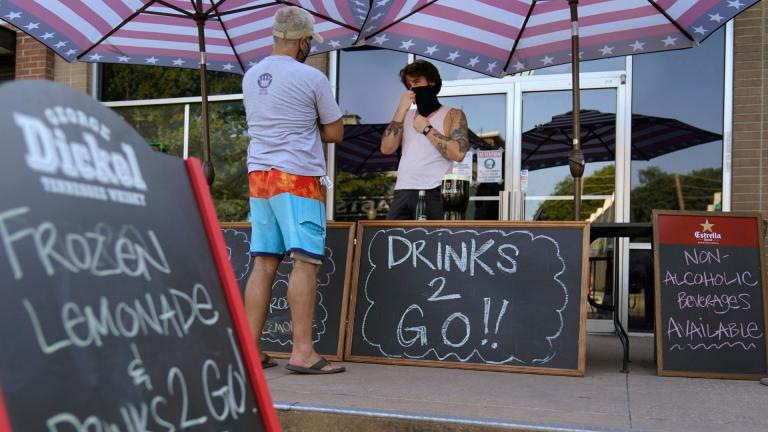
The coronavirus is shaking up America’s liquor laws. At least 33 states and the District of Columbia are temporarily allowing cocktails to go during the pandemic.

Businesses that saw their revenue drop by at least 25% during the pandemic can apply for grants of up to $4,000 to cover operating costs, city officials said.

Thursday marks the final night of the 2020 Democratic National Convention – and nominee Joe Biden is in Delaware instead of Milwaukee, which had been chosen as the party’s host city.

A new survey shows how consumer attitudes about using ride-hailing and delivery services have changed. It also highlights a wealth divide, where Americans with higher incomes are able to utilize the services to help reduce their risk of infection.
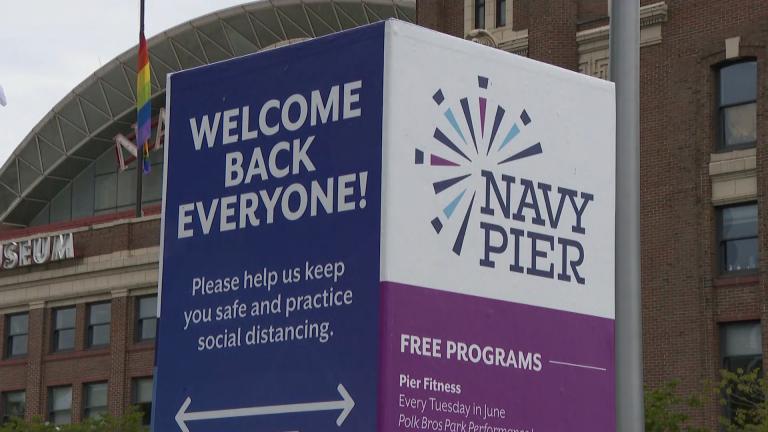
Unlike the pier’s shutdown for several months in the spring due to government orders driven by the coronavirus pandemic, directors of Navy Pier are this time choosing to close the cultural attraction for economic reasons.
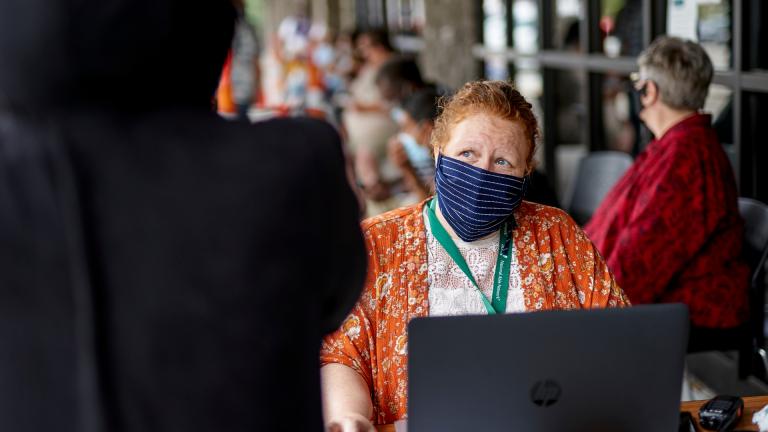
Many governors say the costs to states to receive the bigger boost offered by Trump is more than their battered budgets can bear. They also say the federal government’s guidelines on how it will work are too murky.
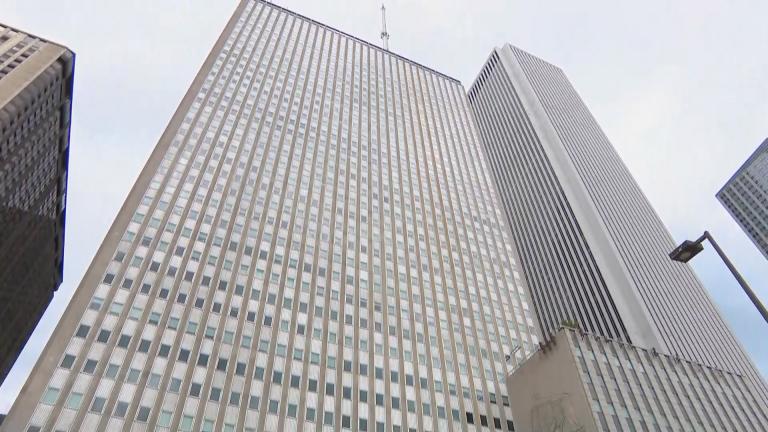
Crain’s Chicago Business Editor Ann Dwyer joins us with the stories behind the headlines.

Among the businesses shut down by officials for violating rules designed to slow the spread of the coronavirus was Barba Yianni Greek Tavern in Lincoln Square and Juanita’s Restaurant #2 in Clearing.
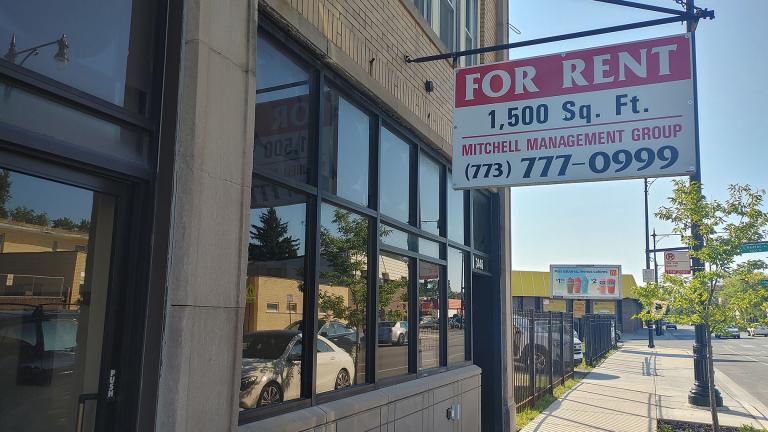
For decades, students learned to pirouette, tumble, tap and twirl at Miss Geri’s School of Dance. But last month, owner Geri Mroz Panicko decided to hang up her dance shoes and close the studio permanently because of the pandemic.

Around the U.S., office workers sent home when the coronavirus took hold in March are returning to the world of cubicles and conference rooms and facing certain adjustments, including daily questions about their health.
Trending
Chicago Police Board Votes to Fire Officer Who Tested Positive for Marijuana

2025 Chicago Holiday Events Guide

1 Killed, 1 Wounded in Shooting on CTA Train in Downtown Chicago

After City Council Rejects Effort to Crack Down on CPD Overtime, Johnson Imposes New Limits

Mayor Brandon Johnson Will Not Veto $16.6B Budget Plan Passed Over His Objections

Sign up for the WTTW News newsletter