Crime & Law
Judge Orders Chicago US Attorney Andrew Boutros to Testify on Botched ‘Broadview Six’ Prosecution
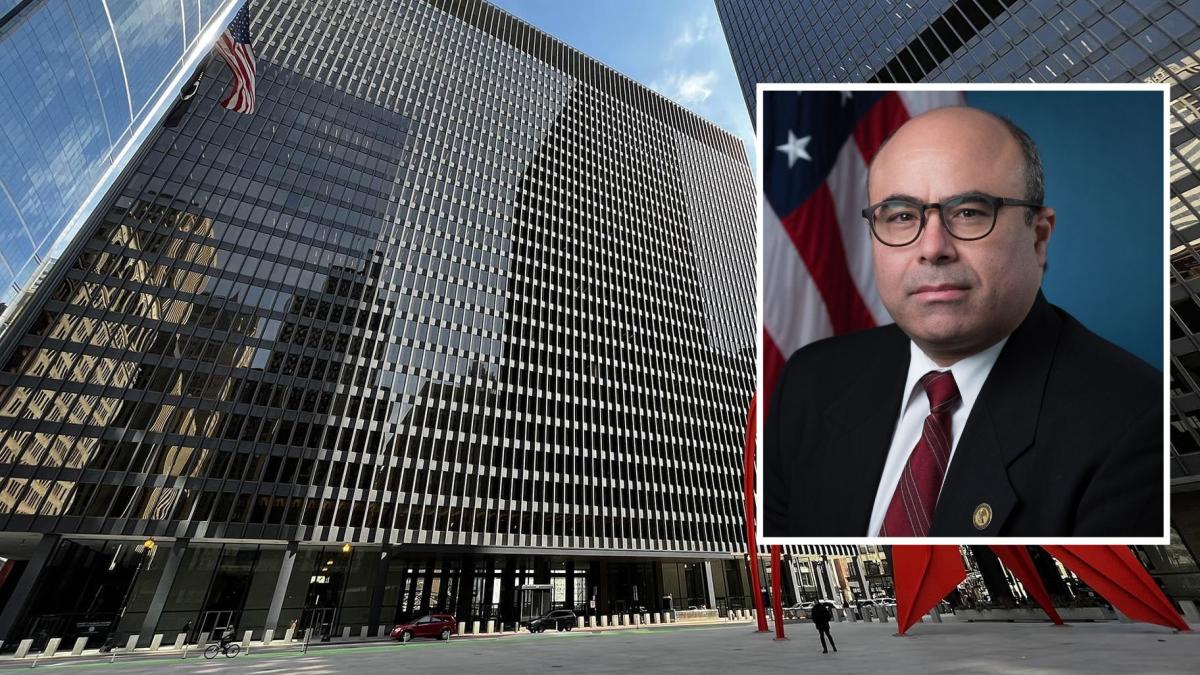 (Department of Justice, Capitol News Illinois)
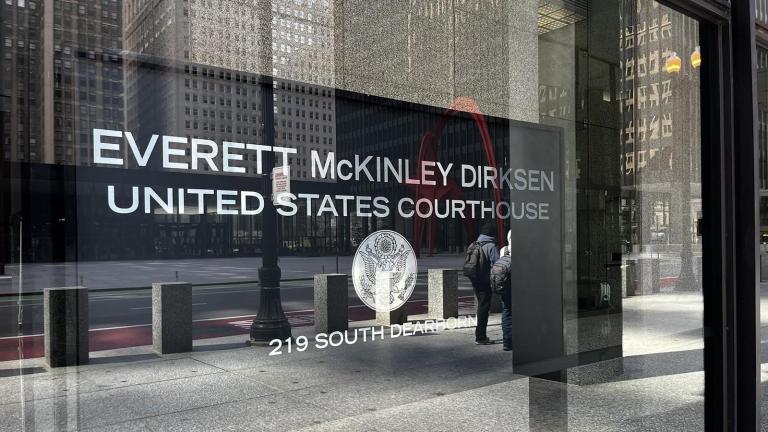
Chicago’s U.S. Attorney Andrew Boutros has been ordered to appear before a federal judge later this month to testify under oath about the collapse of the “Broadview Six” prosecution and whether his office had outside contact with the Trump administration prior to those charges being filed.
U.S. District Judge April Perry on Monday in a seven-page order demanded Boutros, as well as three assistant U.S. attorneys who were at various times assigned to the Broadview case, to appear in her court on Nov. 16 and answer questions about the alleged grand jury misconduct that tanked the case and “communications with those outside” of Boutros’ office about this case.
Perry’s order comes the same day Chicago’s former FBI chief Douglas DePodesta filed a lawsuit against Boutros, claiming he had been used as a “scapegoat” to cover for Boutros’ own malfeasance in the botched prosecution.
But the judge’s demand is unrelated to that lawsuit. Instead, she wants to know whether federal prosecutors lied to her in court after Boutros personally dismissed the charges and apologized to the court earlier this year.
The Broadview Six case fell apart in May after unsealed transcripts from the grand jury proceedings in that case last fall revealed Assistant U.S. Attorney Sheri Mecklenburg allegedly excused skeptical grand jurors, admitted speaking with grand jurors outside of the hearings and “vouched” for the merits of the allegations against the defendants.
That conduct was not revealed to Perry or the public for months, with the judge saying in May she was "incredibly shocked” and had never before seen such conduct by a prosecutor before a grand jury.
Boutros initially denied knowledge of Mecklenburg’s alleged misconduct until earlier this year. But he has since acknowledged that he received a copy of the transcripts from part of the proceedings days after the grand jury returned a “no bill,” meaning they’d refused to approve an indictment against the six demonstrators.
Boutros said he is “quite certain he did not review the transcript at that time,” a claim Perry now says is “hard to credit.”
“Grand jury ‘no bills’ are exceedingly rare. To anyone who has been a federal prosecutor, a no bill would be an immediate red flag that something has gone very wrong in the grand jury,” Perry wrote in her order, adding that following a “no bill,” Boutros would have had to personally approve returning the case to the grand jury.
“The idea that USA Boutros would have made such a significant decision without reviewing the best evidence available to him about what went wrong in the grand jury is nearly unfathomable,” Perry added.
Prosecutors alleged the Broadview defendants were part of a group that surrounded a government vehicle outside the suburban Immigration and Customs Enforcement processing center last September, “with the intent to hinder and impede” a federal agent from proceeding to the facility and “discharging the duties of his office.”
According to the initial indictment, the protesters “banged aggressively” on the vehicle’s windows and hood and broke one of its mirrors and a rear windshield wiper.
At a hearing last month, Perry said she needed further answers about the conduct of prosecutors in Boutros’ office and whether or not they sought to cover that conduct up before deciding whether criminal contempt charges could be warranted.
Perry and federal attorneys on Oct. 1 sought to wade through what appeared to be uncharted territory in Illinois’ Northern District, specifically over charting the correct path forward when it comes to who could possibly investigate potential criminal misconduct within Boutros’ office and how they could go about doing so.
Since then, U.S. Associate Attorney General Stanley Woodward filed an appearance and a subsequent response in which he said prosecutors had “not agreed to provide any information to the Court.”
Defense attorneys have repeatedly accused Boutros’ office of a cover up, and have sought any evidence that the case was politically motivated by forces outside Chicago — namely, the Trump administration.
They even filed a motion asking prosecutors to turn over any such communications earlier this year. But Perry denied that request in March after Assistant U.S. Attorney William Hogan assured her that “there are no communications of any nature from, to, or with anyone” outside Boutros office regarding any investigatory or charging decisions.
“To be crystal clear, this specifically includes anyone in the White House and all components and offices of Main Justice,” Hogan, one of the other prosecutors Perry ordered to appear for testimony this month, said during a March 30 hearing.
But Perry said Monday that since that time, “the Government has become what can only be described as cagey” about its communications with those outside Boutros’ office, later claiming Hogan’s statement was “true as it relates to precharging decisions,” while refusing to clarify what it meant by “pre-charging.”
Perry also said prosecutors have since acknowledged an unknown number of discussions between Boutros’ office and the U.S. Department of Justice in Washington regarding “case updates.”
“The Court cannot imagine what ‘discussions’ regarding ‘case updates’ would not have been responsive to the request for communications regarding investigatory or charging decisions,” Perry wrote Monday.