Crime & Law
Assistant Federal Prosecutors Say They’ll Answer Questions on Botched ‘Broadview Six’ Case
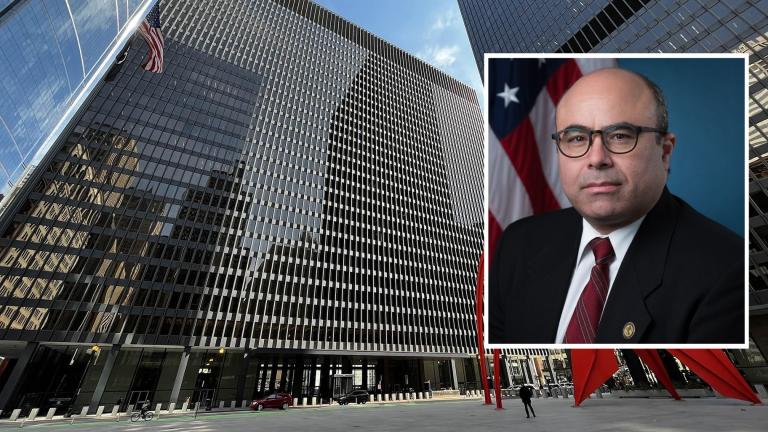
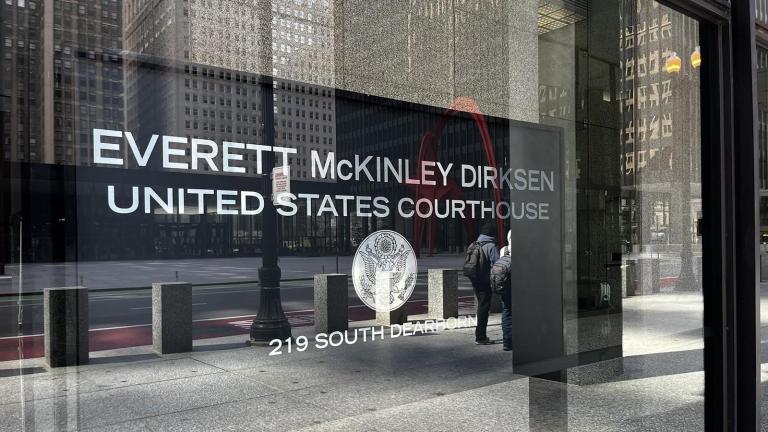
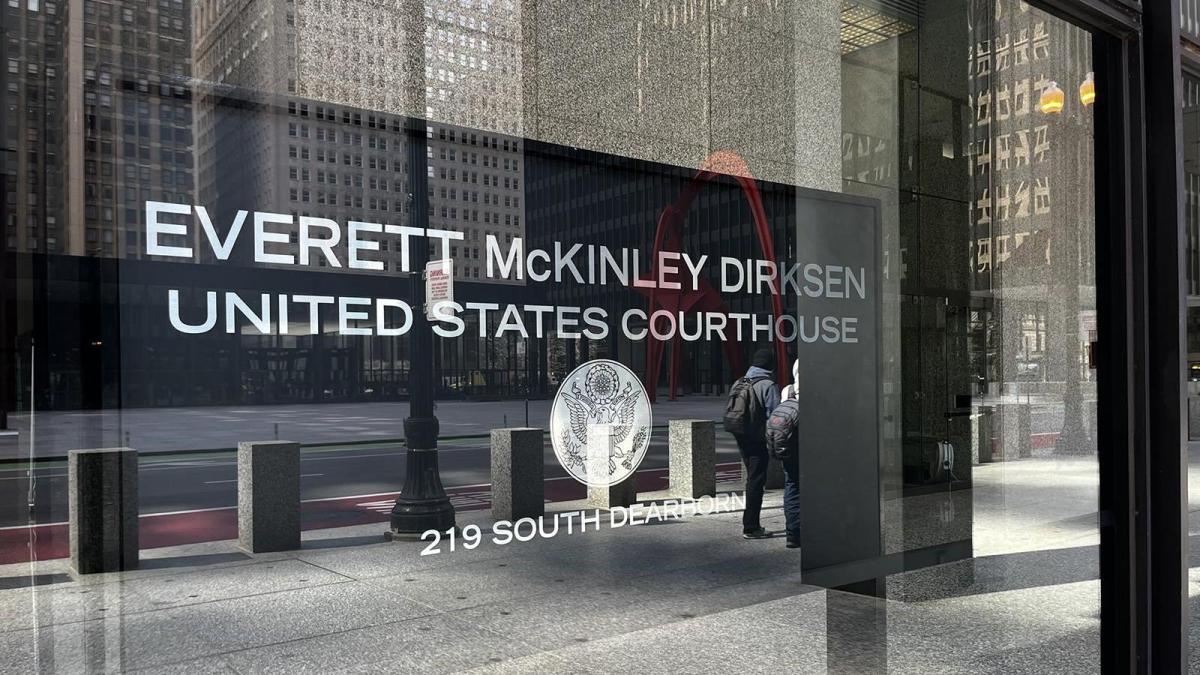 The Dirksen Courthouse is pictured in Chicago. (Capitol News Illinois)
Three federal prosecutors intend to answer questions despite being instructed by U.S. Department of Justice officials to assert “several governmental privileges” when they’re called to testify at a high-stakes hearing following the collapse of the “Broadview Six” case next month.
It’s not yet clear if Chicago’s U.S. Attorney Andrew Boutros will answer questions about the botched Broadview prosecution, but a trio of his assistants said Monday they do not plan to assert any privileges when questioned about whether they lied or concealed information from U.S. District Judge April Perry.
Perry, who ordered Boutros as well as assistant U.S. attorneys William Hogan, Matthew Skiba and Andres Almendarez, to appear before her to testify at a Dec. 2 hearing as she continues weighing the possibility of a criminal investigation into the prosecution team.
In a filing late Sunday, Associate Attorney General Stanley Woodward informed the court that each of the four prosecutors are “protected by several governmental privileges” and that they have all been “instructed to assert all of those privileges” when testifying before Perry.
But attorneys for Hogan, Skiba and Almendarez on Monday each said their clients do not intend to assert any such privileges at the Dec. 2 hearing.
Hogan’s attorney Shelly Kulwin on Monday said his client is “more than happy” to explain his thought process and the actions he took, while Skiba’s attorney Andrew Porter said that his client’s interests and those of the DOJ are “somewhat aligned, somewhat different.”
Perry rejected Woodward’s request to delay the hearing and instead instructed attorneys for the parties to submit to her under seal written versions of their planned testimony prior to the hearing so she can rule on whether any information within may be protected by privilege.
The judge on Monday said she won’t be asking about the prosecutors’ “deliberative process” leading up to the charges, but instead she said she’s “laser focused” on inquiring more about the statements prosecutors made directly to her and whether they’re truthful.
Prosecutors alleged the Broadview defendants were part of a group that surrounded a government vehicle outside the suburban Immigration and Customs Enforcement processing center last September, “with the intent to hinder and impede” a federal agent from proceeding to the facility and “discharging the duties of his office.”
But the case fell apart in May after unsealed transcripts from the grand jury proceedings last fall revealed Assistant U.S. Attorney Sheri Mecklenburg allegedly excused skeptical grand jurors, admitted to speaking with grand jurors outside of the hearings and “vouched” for the merits of the allegations against the defendants.
That conduct was not revealed to Perry or the public for months, with the judge saying in May she was “incredibly shocked” and had never seen such conduct by a prosecutor before a grand jury.
Mecklenburg has since resigned her position, saying she did so “under protest” as she claimed she was being “scapegoated” for the case by Boutros.
Boutros denied knowing of Mecklenburg’s alleged misconduct until earlier this year. But he has since acknowledged that he received a copy of the transcripts from part of the proceedings days after the grand jury returned a “no bill,” meaning they’d refused to approve an indictment against the six demonstrators.
Boutros said he is “quite certain he did not review the transcript at that time,” a claim Perry now says is “hard to credit.”