Science & Nature
4th Rescued Beluga, Caspian, Dies at Shedd Aquarium as Picture of Chronic Conditions Begins To Emerge
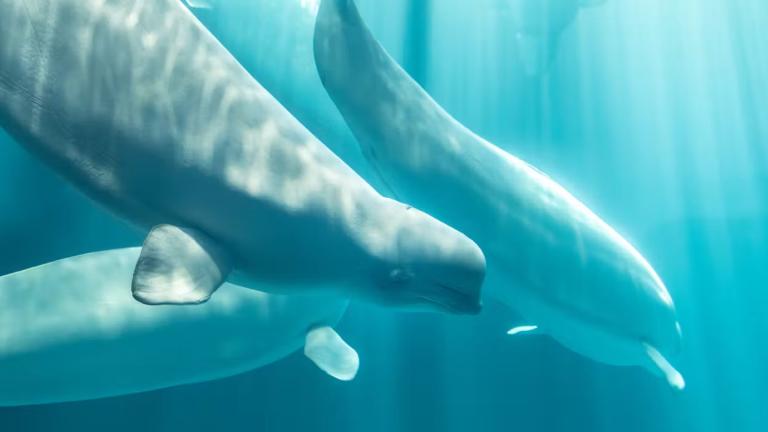
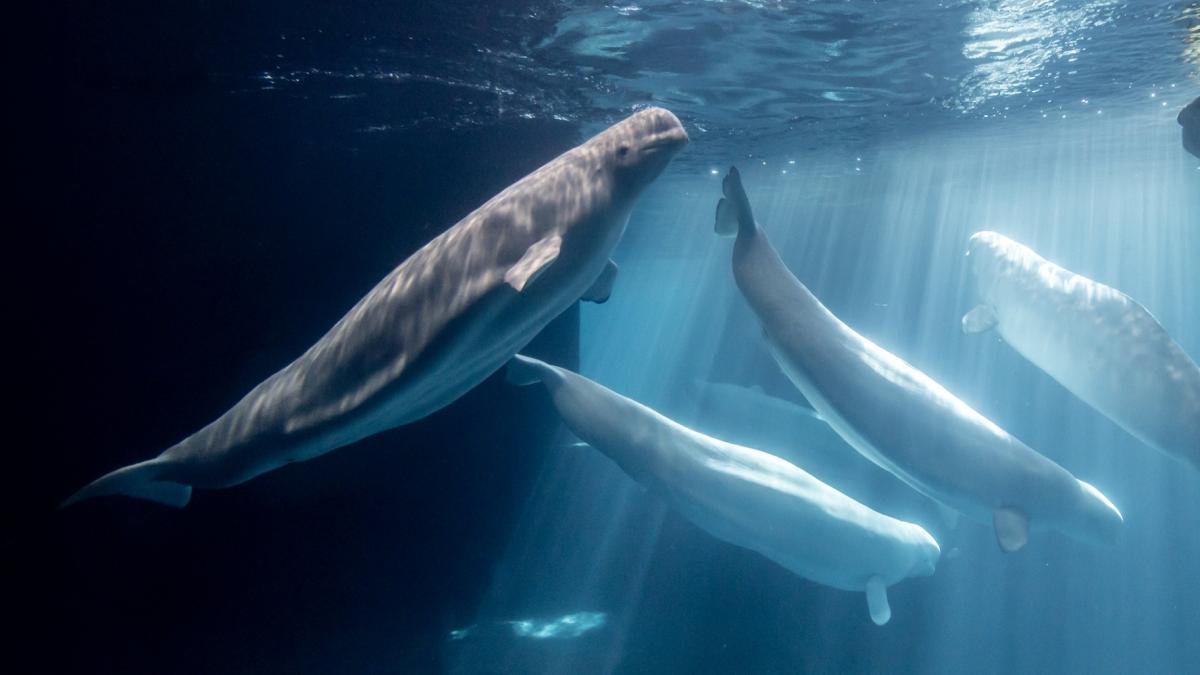 Rescued beluga whale Caspian swimming in the Abbott Oceanarium. (Courtesy of Shedd Aquarium)
Staff at Shedd Aquarium are mourning the loss of another rescued beluga whale, announcing the death of 27-year-old Caspian, who arrived at Shedd in August from the shuttered Canadian park Marineland.
Shedd’s animal care and veterinary teams had been concerned about Caspian’s health for weeks, noting that the beluga wasn’t eating well. Her condition deteriorated Wednesday and while the team sustained her on life support for nearly four hours, Caspian didn’t recover, officials said.
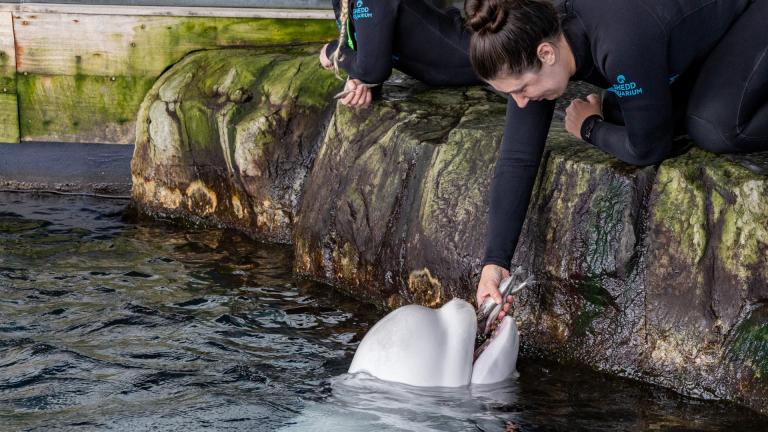
Caspian is the fourth rescued beluga to die at Shedd since the international effort began in July to transfer 30 whales and four dolphins from Marineland to accredited institutions. Shedd accepted 10 belugas altogether, and the six remaining whales continue to gain in strength, the aquarium said.
While treating Caspian, staff collected samples that revealed her blood had become dangerously acidic, which can interfere with the heart’s ability to work effectively, officials said in a statement, adding that while these findings indicated how ill the beluga had become, they don’t establish an underlying cause of death.
A complete necropsy will be conducted, during which veterinarians and external pathology experts will examine Caspian’s organs and tissues directly, including potential microscopic changes.
Caspian was part of the second group of four female belugas transferred to Shedd. Two other members of that group, Peekachu and Rain, have also died. The fourth deceased Marineland whale, Osiris, was among the first pod of four females to arrive at Shedd in July.
A fifth beluga, Beethoven, also died at Shedd in September. He was a long-time member of Shedd’s resident beluga pod.
Shedd has also shared an update on the final reports regarding Peekachu and Rain, as well as preliminary results for Osiris.
Per aquarium officials: Rain’s small intestine showed severe chronic enteritis, or longstanding inflammation; her liver showed changes and more recent areas of tissue death, called necrotizing hepatitis, suggesting inflammation had spread from her intestine into her liver. Her airways showed longstanding inflammation and evidence of a resolving fungal infection.
The report on Peekachu stated: Longstanding intestinal disease may have contributed to reduced eating and declining health. Her examination also identified age-related tissue changes, preexisting high blood pressure, and lung scarring consistent with an earlier injury or resolved pneumonia.
Osiris’ preliminary exam revealed chronic liver disease. A full report is still in progress.
“Since January and through multiple visits, our teams reviewed medical histories and worked in close cooperation with Canadian veterinary and animal care colleagues in Marineland to prepare for the whales’ care,” Shedd said in a statement. “We knew that some could have substantial, longstanding medical needs. Those assessments informed our planning but could not reveal every underlying condition or predict how each whale would respond to the transition.”
Marineland, a longstanding tourist attraction in Canada, closed to the public in 2024. Citing a lack of financial resources, Marineland had threatened to euthanize the belugas, which prompted an unprecedented international effort to find new homes for the cetaceans. Shedd is one of five institutions that received the animals.
Oceanogràfic Valencia in Spain has reported the deaths of one of its rescued belugas, Jelly Bean, and a rescued dolphin, Echo.
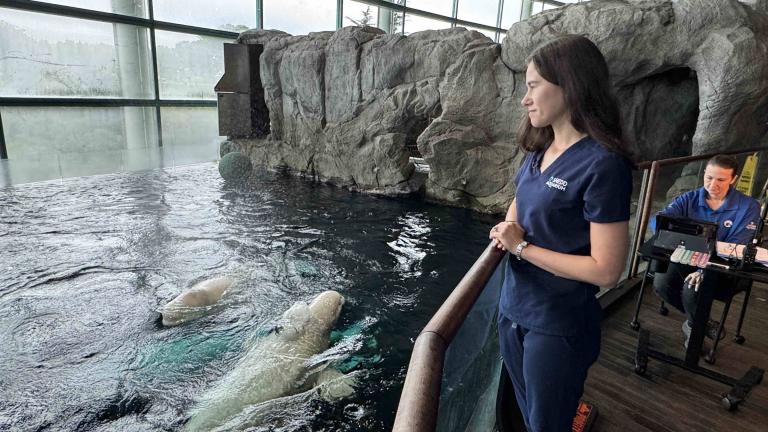
Shedd’s remaining rescued belugas include four females and two young males, all of which, the aquarium reported, are now eating their full diets.
Contact Patty Wetli: [email protected]
Related Stories