Science & Nature
Time Change Makes Roadway Crossings Deadlier for Chicago’s Wildlife, Experts Say. Here’s How Humans Can Help
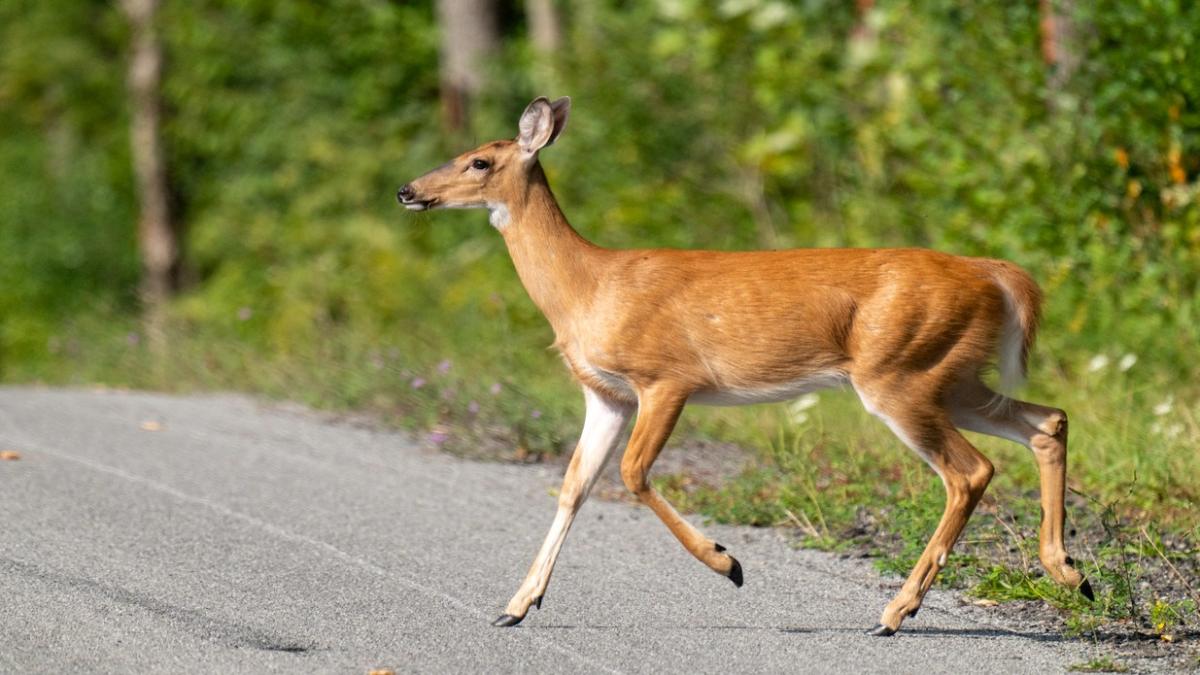 Research suggests collisions with deer can spike up to 16% in the week following the time change. (Joan D Squared / iStock)
As Chicagoans adjust to the switch back to standard time this weekend, the loss of an hour of daylight won’t just affect humans. It could be deadly for wildlife.
The time change means people will be driving more in the dark — whether it’s the evening weeknight commute or going out to eat on the weekend — which unfortunately coincides with a period when certain animals are particularly active.
Fall happens to be mating season for deer, making them far more likely to cross roads. In fact, research suggests collisions with deer can spike up to 16% in the week following the time change, said Isabella Cao, with Environment Illinois Research and Education Center.
Citing data from the Illinois Department of Transportation, Cao said there were more than 14,000 vehicle collisions with deer alone in 2025, and 40% of those collisions occurred in October, November and December.
“One of the saddest things you can see is a wounded animal that’s not going to make it,” Cao said.
While deer are perhaps the highest-profile species in danger of roadway collisions, smaller mammals, as well as amphibians and reptiles also meet their end on Illinois highways and streets, and even roads within parks and forest preserves.
The issue is the fragmented nature of the habitat many of these creatures are using for food, shelter and to reproduce, said Melissa Youngquist, a research biologist at Shedd Aquarium.
“These habitats are small islands,” Youngquist said. “Roads, urban development and agricultural monocultures make it difficult for animals to move from one place to another.”
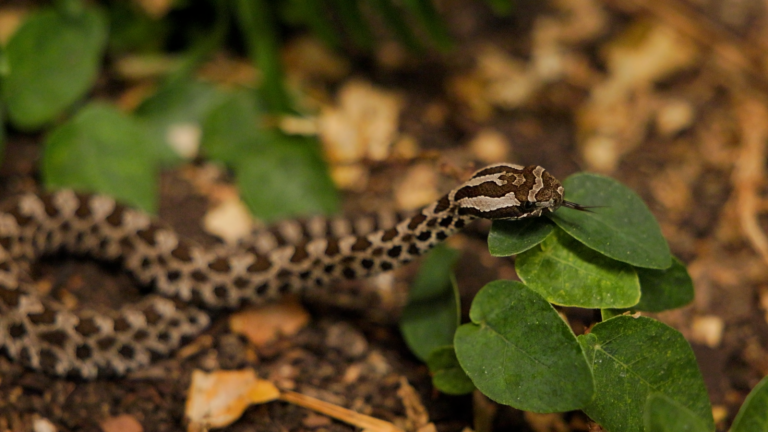
Similar to birds that migrate north and south in the spring and fall, species like snakes, frogs and turtles also migrate between their winter and summer homes to access different resources. One well documented example is Snake Road in southern Illinois’ Shawnee National Forest, where snakes cross a roadway to get from the ponds where they spend the summer to the bluffs where they hang out during the winter.
The same thing is happening in Chicago, on a micro-scale, even if people aren’t aware of it.
“I think we just don’t have a lot of people looking for it,” Youngquist said, “so it goes unnoticed.”
Youngquist has been monitoring an area within the city’s limits (she’s keeping the precise location under wraps because it’s an active research site), where a road cuts between wetland habitats and she’s been recording the tragic results.
“Just like birds hitting windows, we see the same consequences for our amphibians and reptiles in spring and fall migrations. This year alone, in just one area, we’ve documented 600 animals on the road, about 70% of which have been dead turtles,” she said. “And these particular spots I’m monitoring are not unique. Roads that fragment wetlands and other aquatic habitats are hot spots for road kill across the country.”
For small urban populations of certain species, a handful of deaths can have catastrophic repercussions. Some turtles reach reproductive maturity at a relatively late age, so killing a juvenile female effectively kills future generations as well.
What can humans do to prevent deadly collisions?
For starters, be a more attentive driver, said Seth Magle, director of Lincoln Park Zoo’s Urban Wildlife Institute.
“Keep an eye out for animals on the roadways and in your neighborhood,” Magle said. “Always remember that they are fellow Chicagoans in their natural habitat.”
Another solution is to provide animals with safe passage in the form of wildlife crossings either over or under roadways. These have been shown to reduce collisions by up to 90%, Cao said.
The Wallis Annenberg Wildlife Crossing — a vegetated bridge opening soon over 10 lanes of California’s famed 101 freeway — is one example that’s drawn considerable attention from the media. But crossings that don’t need to accommodate mountain lions and bears can be far more minimal.
“So that giant overpass over the 101 in California, that’s the luxury car example of an overpass, it’s amazing,” Magle said. “But a tiny culvert underneath a roadway … is better than nothing at all. Thinking about an array of approaches — what’s going to help some species — is going to be more effective than not looking at it at all.”
If there’s public support for wildlife crossings, Magle and Youngquist agreed that more data is needed to determine where such passages would be of greatest benefit.
Here’s where Chicagoans could lend a hand and use community science platforms such as iNaturalist to log sightings of wildlife in their neighborhood, even common critters like raccoons.
“There are large parts of our metro area where we could use more information about where animals are living,” said Magle.
And while it might seem macabre, Youngquist said it’s just as important to record incidents of dead animals.
“That will help us find the hot spots on the big interstates as well as our local roads and help us pinpoint where we need to put in the efforts to help expand culverts or build overpasses or underpasses,” she said. “That will help build a dataset that we can use.”
Contact Patty Wetli: [email protected]