Health
Illinois Reports 355 Confirmed and Probable Cases of Cyclosporiasis as Investigation Into Sources Continues
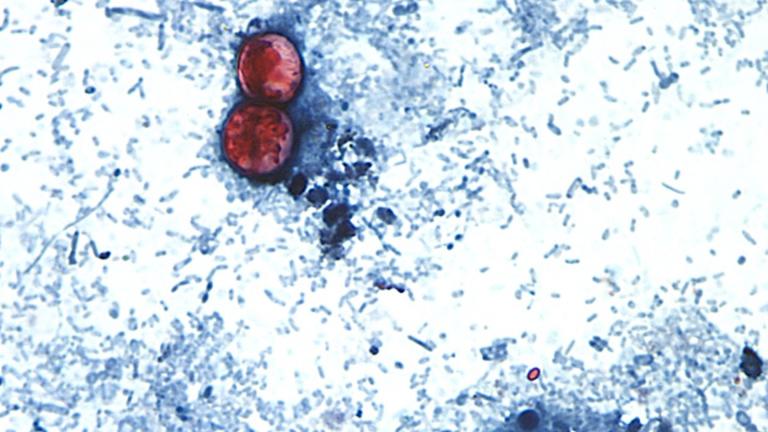
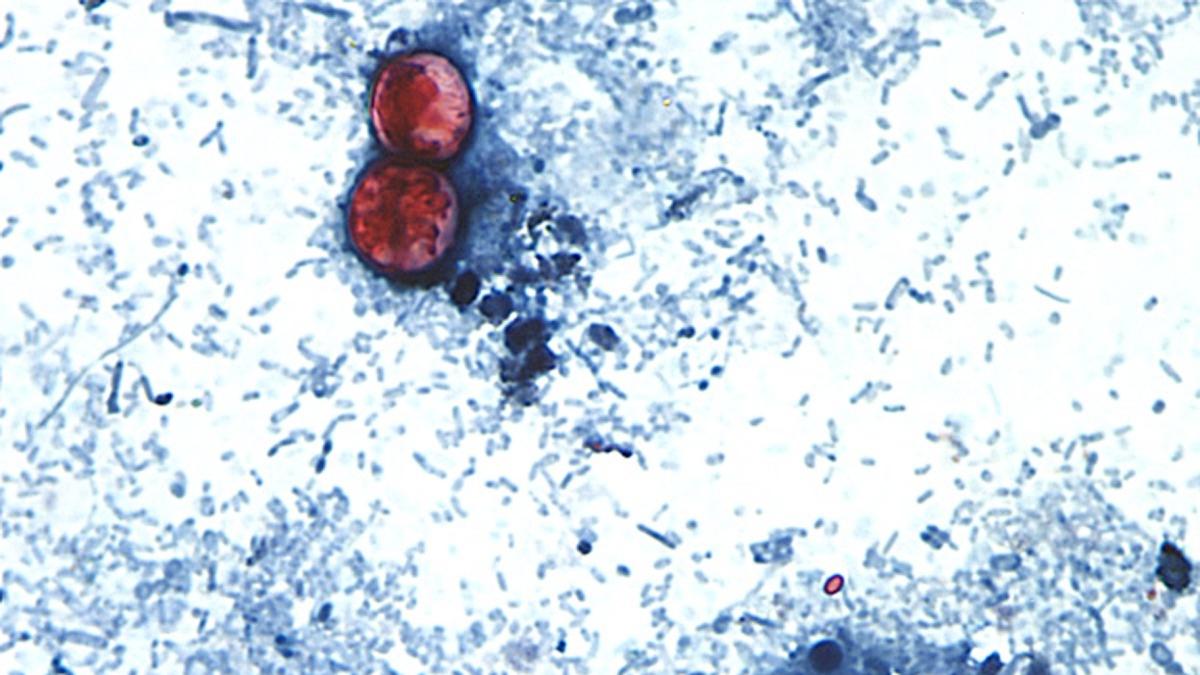 This undated photo taken through a microscope provided by the CDC shows Cyclospora cayetanensis oocysts found in a fresh stool sample which had been prepared with a formalin solution and stained with safranin. (CDC via AP)
The Illinois Department of Public Health said Monday there have been 355 confirmed and probable cases of cyclosporiasis reported in the state amid an ongoing outbreak of the diarrhea-causing infection that is impacting much of the country.
In Chicago, 76 confirmed and probable cases of cyclosporiasis were reported as of Monday, according to the Chicago Department of Public Health. An additional 12 cases are pending investigation. About half of the city’s cases had no known international travel, making it more likely the illness was acquired locally.
Illinois has reported 28 hospitalizations as a result of the illness.
Cyclosporiasis is a gastrointestinal disease caused by the parasite cyclospora, which can cause frequent and watery diarrhea. The disease is spread by consuming contaminated food or water.
Outbreaks tend to occur most often in the late spring and summer.
State and local health officials have still not identified a definitive cause or source behind the higher number of cyclosporiasis cases the state and the city is seeing compared to previous years.
The cyclosporiasis outbreak has spread to 34 states, according to the Centers for Disease Control and Prevention. Hardest-hit Michigan recently surpassed 6,000 total cases after more than 1,000 more cases were reported over the weekend, according to local news outlets.
The Food and Drug Administration announced Sunday that a laboratory result showing cyclospora contamination in a sample of shredded lettuce supplied by Taylor Farms de Mexico was a false positive, but the federal agency said it still has “very strong” evidence that the shredded iceberg lettuce supplied by Taylor Farms is a likely source, CNN reports.
Taylor Farms announced late last week it was voluntarily removing all iceberg lettuce sourced from central Mexico from the U.S. market due to potential contamination.
Public health officials recommend the following to protect yourself:
- Wash your hands with soap and water before and after handling or preparing food
- Wash all fresh produce under running water before eating, cutting or cooking
- Scrub firm fruits and vegetables with a produce brush
- Wash and sanitize utensils and surfaces before and after handling food
- Remove any damaged or bruised areas before preparing and eating
- Refrigerate cut, peeled or cooked fruits and vegetables within 2 hours
- Cook produce to 158 degrees Fahrenheit to kill cyclospora
Previous outbreaks of cyclosporiasis in the U.S. have been linked to fresh produce such as raspberries, basil, cilantro, snow peas and lettuce, according to public health departments.
“A lot of what we can do, unfortunately, is only to reduce the numbers of the parasite as opposed to eliminating it directly,” CDPH medical director Dr. Janna Kerins said in an interview last week. “It can definitely help to wash produce, so you’re trying to lessen the risk, but it is not foolproof.”
Cyclosporiasis can be treated with an antibiotic, but in most healthy people, it can go away on its own and might not require treatment, according to Kerins. Individuals who are very young, older adults, those with a weakened immune system or who have a chronic underlying disease are at higher risk for severe illness.
It typically takes between two days and two weeks for someone to develop symptoms after eating contaminated food, then several additional days to seek care, get tested and for the results to be reported to public health officials, according to a CDPH statement on Monday.
“Given this delay it’s often 2-3 weeks after someone eats food before they are reported, so cases will continue to rise,” CDPH officials said in a statement.
Contact Eunice Alpasan: [email protected]