

FEMA
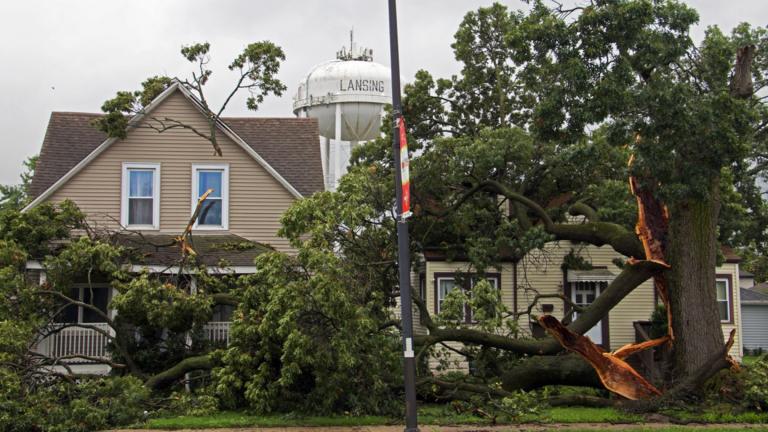
The Trump administration denied Illinois’ two most recent requests for disaster help last year.
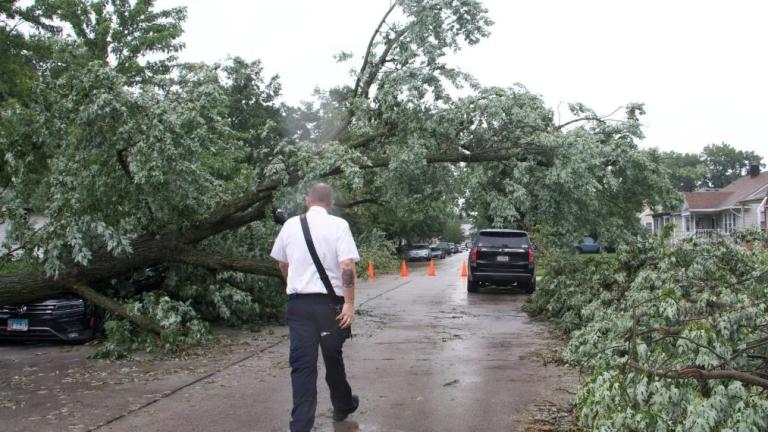
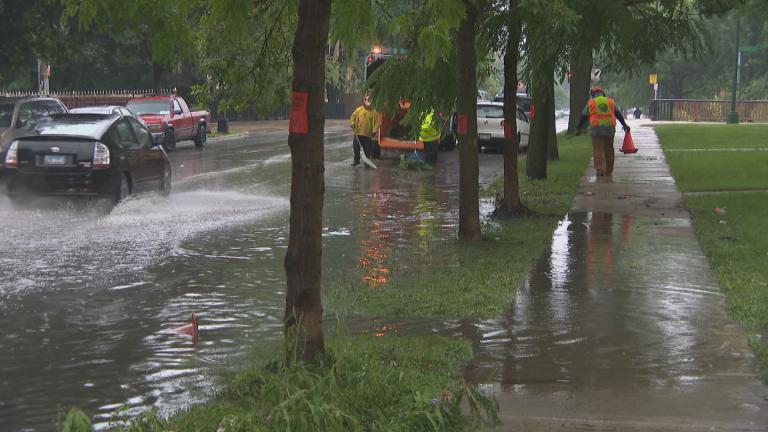
Gov. JB Pritzker issued a proclamation Tuesday to bring financial help to 15 Illinois counties pounded by severe and record-breaking storms over recent weeks.
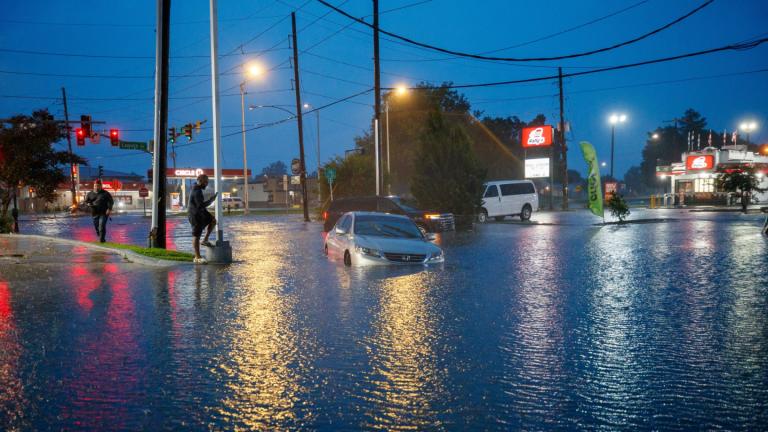
Since taking office last year, President Donald Trump has approved about 65 requests for major disaster declarations and denied more than two dozen others from states, tribes or territories seeking federal financial assistance following hurricanes, tornadoes, storms, floods and fires.


Chicagoans “suffered tremendously” during those storms and should be able to rely on the federal government for help, Mayor Brandon Johnson said Tuesday.
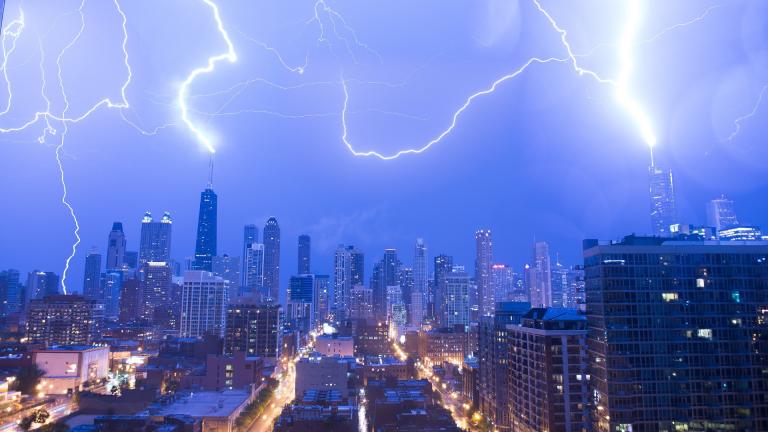
The city of Chicago, Cook County and the state of Illinois are joining forces to appeal the Trump Administration's denial of federal disaster relief funds that would have supported the recovery from a pair of severe flooding events this past summer.
A federal judge has rejected the Trump administration’s attempts to force states to comply with unlawful immigration conditions in order to obtain federal disaster relief funding, ruling such efforts are "unconstitutional” after officials from Illinois and other states sued.
The statement in it is noteworthy not only for its content but for its overall existence; a fierce approach toward critics by the Trump administration has caused many in the federal government to hesitate before locking heads with the White House.
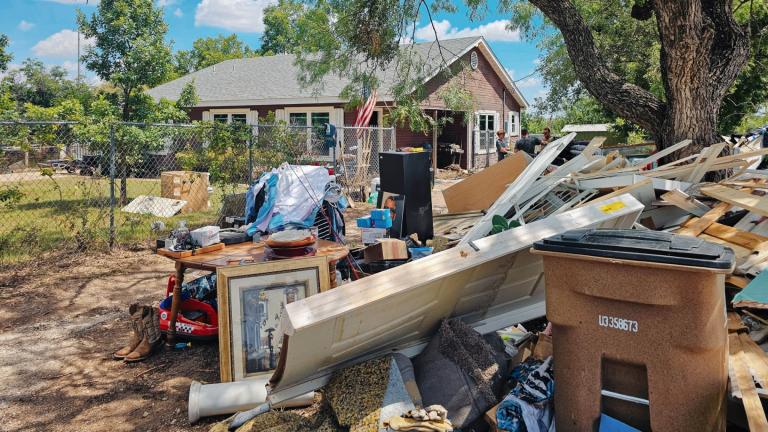
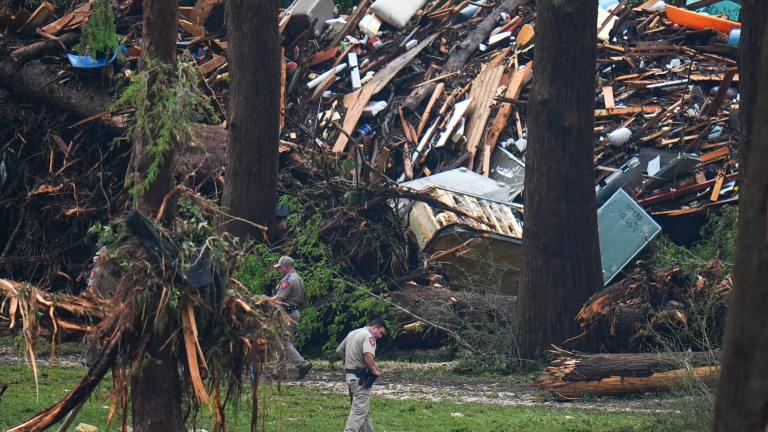
Texas and the rest of the nation are mourning as the death toll rises to 120 almost a week after catastrophic flooding devastated parts of the state over Fourth of July weekend.
The 10-year summer average of the National Oceanic and Atmospheric Administration’s climate extreme index, which tracks hurricanes, heavy rain, droughts and high and low temperatures, is 58% higher than it was in the 1980s.
The input from residents will help communities create strategies and take action to reduce the future risk of death, injuries and property damage from natural disasters, officials said.
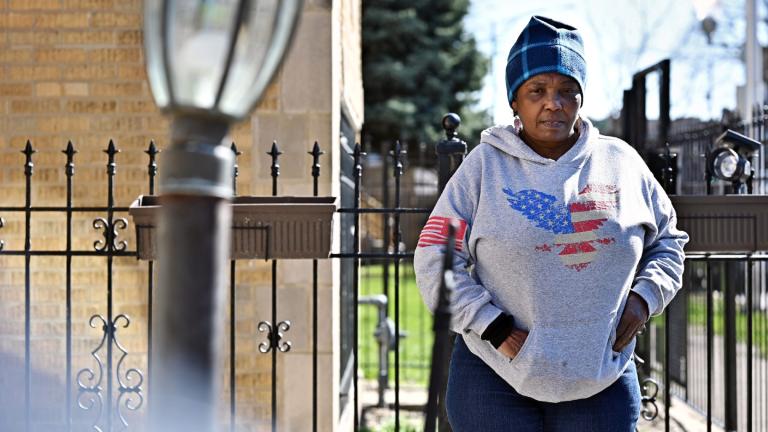
Flooding is the state’s most threatening natural disaster and touches every corner in Illinois, but communities of color and poorer areas often face the greatest risk — particularly in the city of Chicago and greater Cook County. Sewer and stormwater infrastructure can often no longer handle the onslaught of water that comes from these heavy rainfalls, experts told Illinois Answers.
According to the Federal Emergency Management Agency, renters and homeowners have until 11:59 p.m. Friday to apply for the disaster assistance, which comes more than five months after rain and flooding wreaked havoc around Cook County.
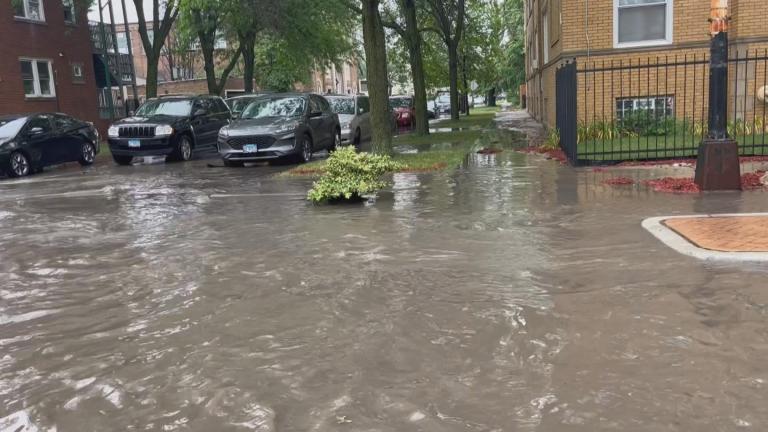
A federal disaster declaration was issued last month in Cook County for severe storms and flooding on Sept. 17 and 18, which significantly impacted the south suburbs of Chicago. The deadline to apply for FEMA assistance is on Jan. 19, 2024.
Deadline Extended to Oct. 30 for Cook County Residents Applying for Federal Help After Severe Storms
Cook County residents have until Oct. 30 to apply for assistance, including grants for temporary housing and home repairs and low-cost loans to cover uninsured property losses, officials said.

Starting at approximately 1:20 p.m. CT on Wednesday, the federal government will begin conducting a nationwide test of its Emergency Alert System and Wireless Emergency Alerts.
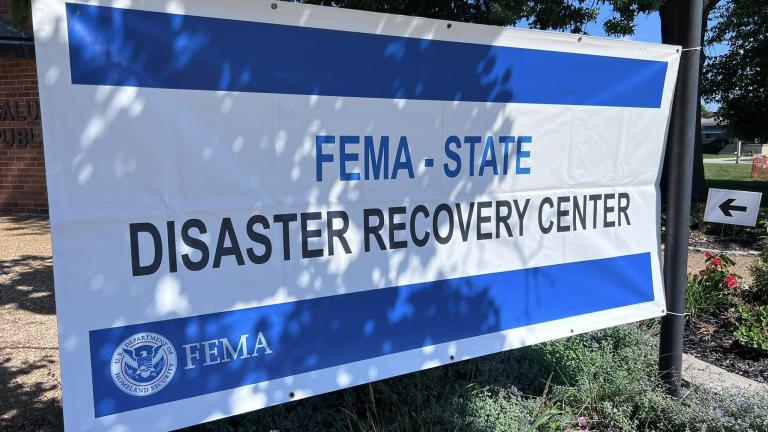
Residents of Calumet City are recovering from a second round of flooding in less than three months after more than half a foot of rain fell on the area Sunday.
Trending
Pair of Chicago Elementary Schools Named Top in Illinois in New U.S. News Rankings

Mother-Son Reunions Among Latest Milestones for Shedd’s Rescued Belugas

Migration Mass Casualty With At Least 1,000 Birds Injured or Killed This Weekend in Chicago and on Northwestern’s Campus

Republican Ohio Gov. Mike DeWine Denounces Ramaswamy Ad Featuring Democrat Amy Acton’s Estranged Mother

Giannoulias, Quigley, Wilson — But Not Johnson — Among First to File Signatures Ahead of Chicago’s February Mayoral Election

Sign up for the WTTW News newsletter