

religion
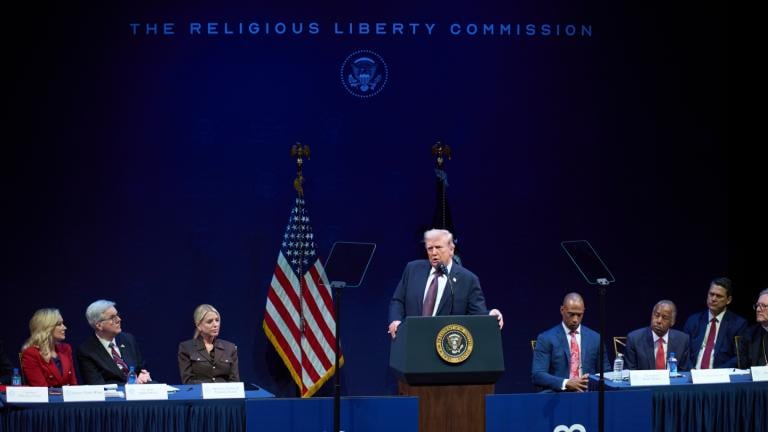

Faith Leaders React to Trump’s Religious Liberty Commission Targeting Separation of Church and State
A report from the Presidential Religious Liberty Commission calls for a clawback of the separation of church and state, a fundamental American legal principle for more than two centuries. President Donald Trump created the commission via executive order last May.
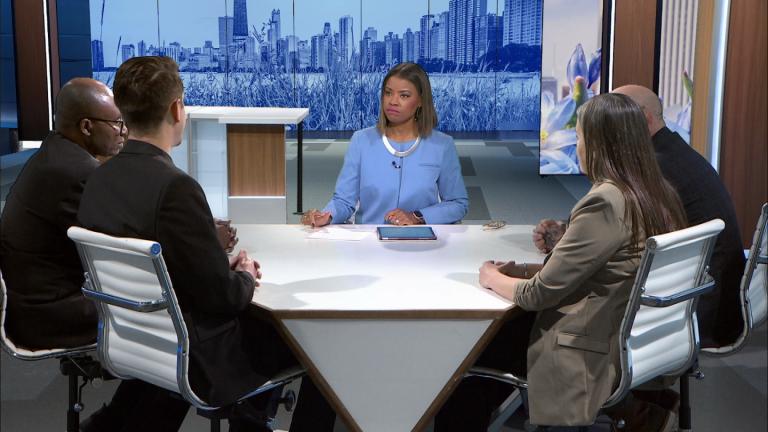
Religion is taking center stage in the Trump administration following a public dispute between President Donald Trump and Pope Leo XIV.
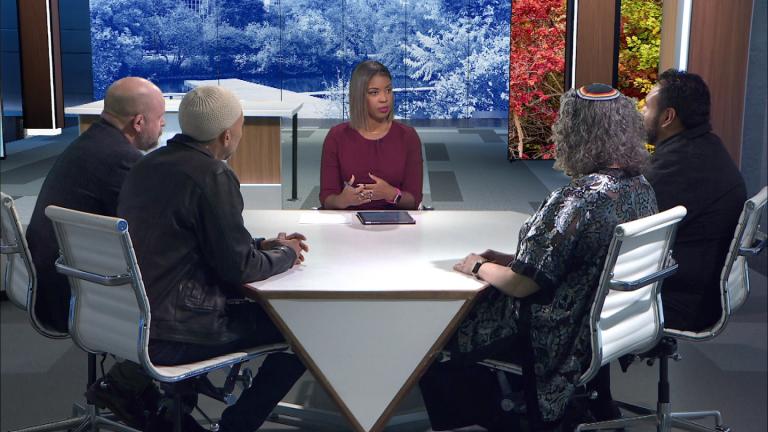
Cardinal Blase Cupich, the archbishop of Chicago, released a statement on immigration last week. “Let me be clear. The Church stands with migrants,” Cupich said. Here’s where four more of Chicago’s faith leaders stand on the issue.
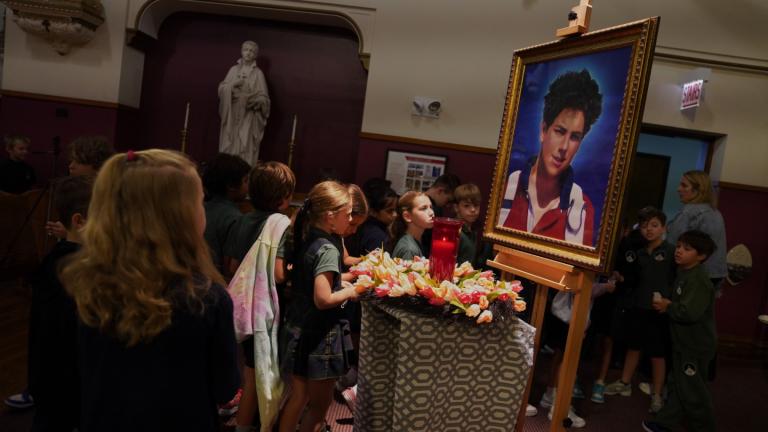
In recent years, Acutis has shot to near rock star-like fame among many young Catholics, generating a global following the likes of which the Catholic Church hasn’t seen in ages. Much of that popularity is thanks to a concerted campaign by the Vatican to give the next generation of faithful a relatable, modern-day role model.
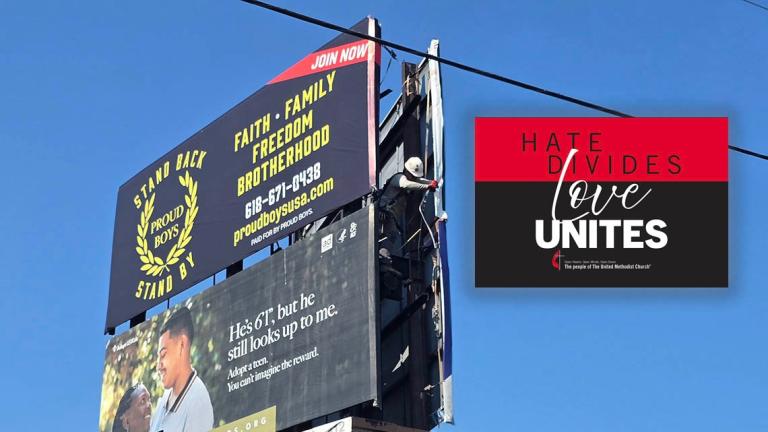
In response to the uproar over a Proud Boys message displayed on a billboard near Central Community High School, the United Methodist Church has a simple message: “Hate Divides, Love Unites.”
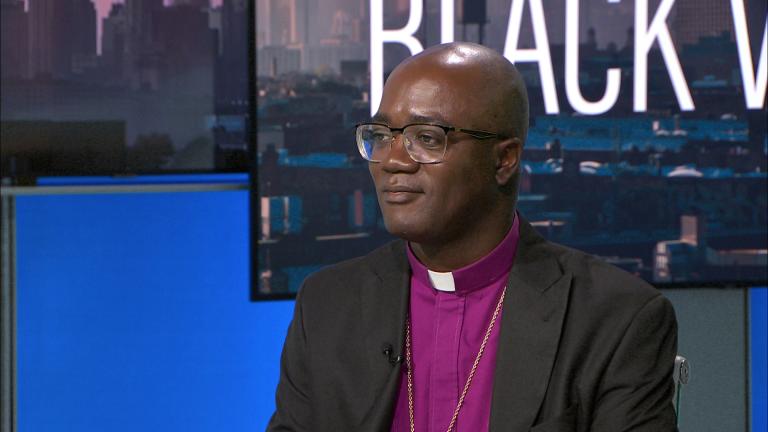
Bishop Yehiel Curry will start his new role in October. “In many ways, this is an example of the church saying, ‘We see you,’” Curry said.
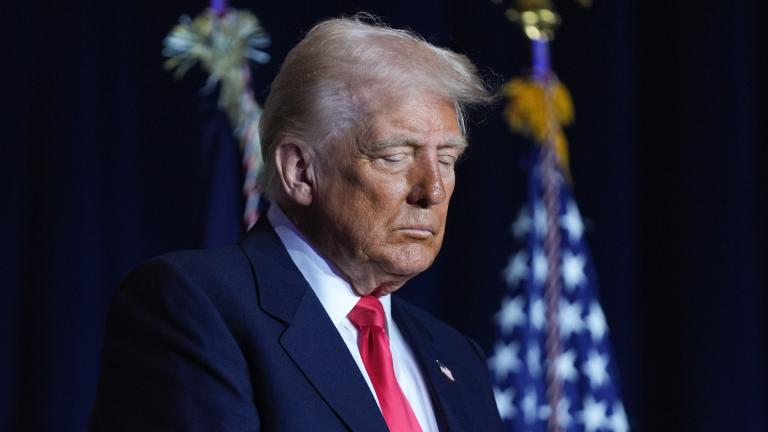
Critics see the task force initiative as unnecessary and pandering to Trump’s base. But some Christian supporters said it is overdue, claiming the Biden administration had discriminated against them through actions and inactions.
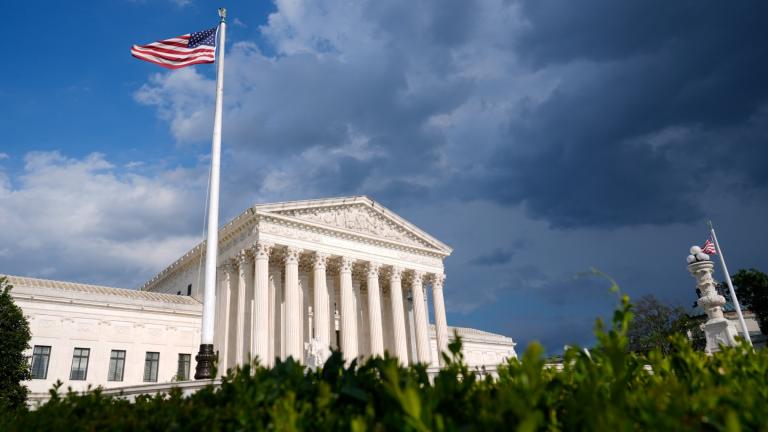
The K-12 online school had planned to start classes for its first 200 enrollees last fall, with part of its mission to evangelize its students in the Catholic faith. A group of parents, faith leaders and a public education nonprofit sued to block the school.
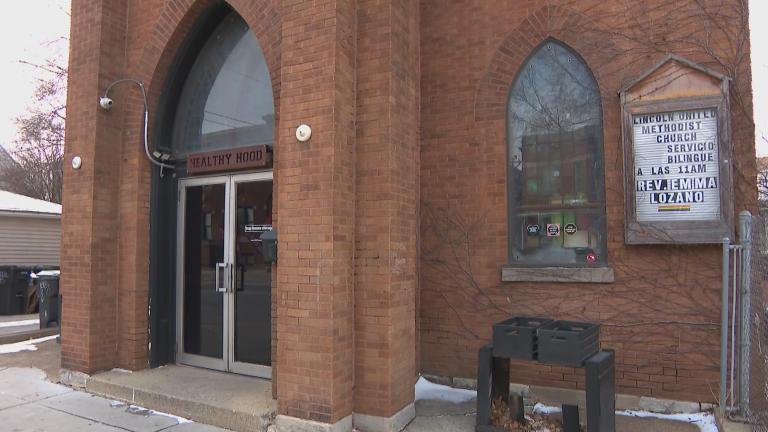
As Inauguration Day approaches, President-elect Donald Trump’s declaration to launch the “largest deportation operation in American history” is spreading fear across immigrant communities around the country.
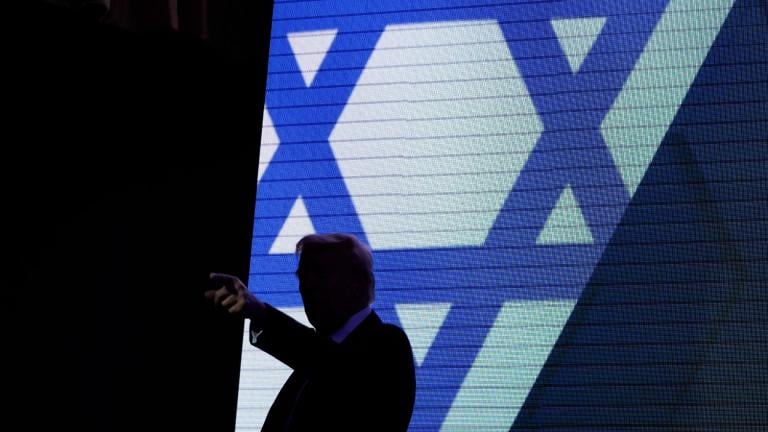
Donald Trump’s speeches for years have hewed to divisive “us” versus “them” messaging, but tying those themes to specific religious Americans who oppose him is out of line and even dangerous, according to rhetoric experts, religious leaders and academics.
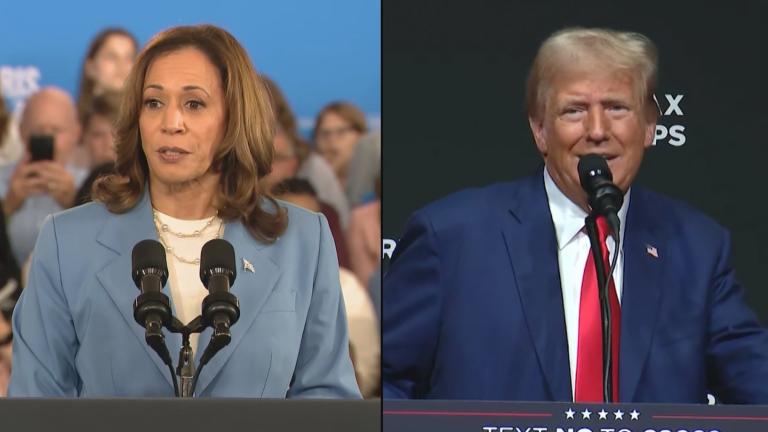
Latinos are one of the fastest growing minority groups in the country, and the demographic has become a key voting bloc to secure a candidate’s path to the White House. However, former President Donald Trump and Vice President Kamala Harris may need to court a lesser-known subgroup: Latino evangelicals.
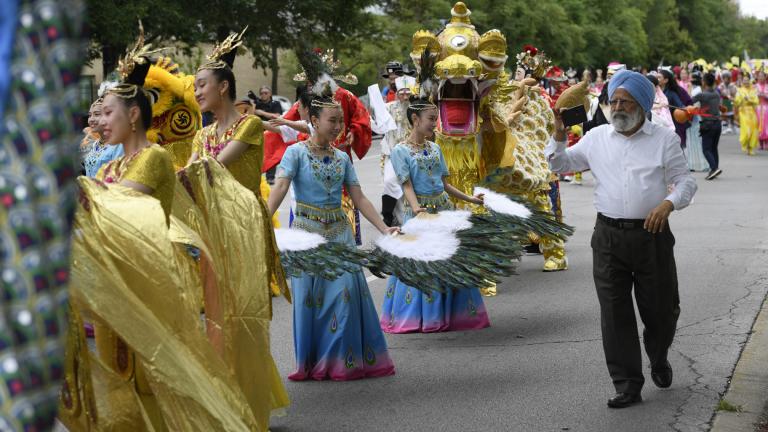
For the Parliament of the World’s Religions, the week-long event marks a return to its roots – the organization was founded in Chicago in 1893. In the past 30 years, it has convened six times, most recently in Toronto in 2018.
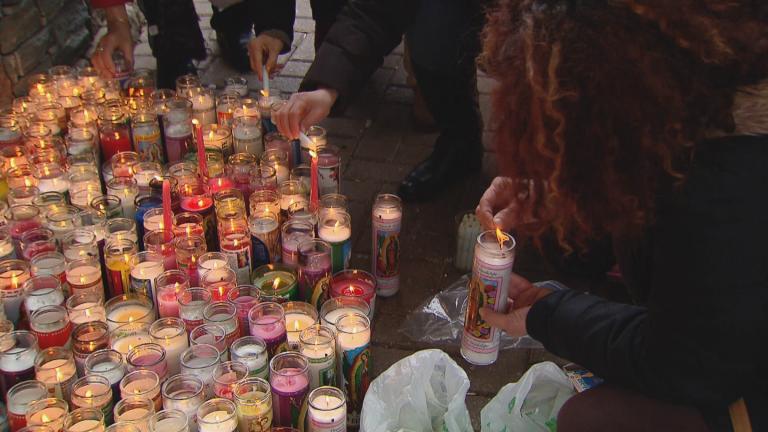
A Pew Research Center survey found 43% of Latino adults in the U.S. identified as Catholic last year, which is a drop from 2010, when 67% of Latinos identified as Catholic. The survey also found that the share of Latinos who are religiously unaffiliated continues to grow.
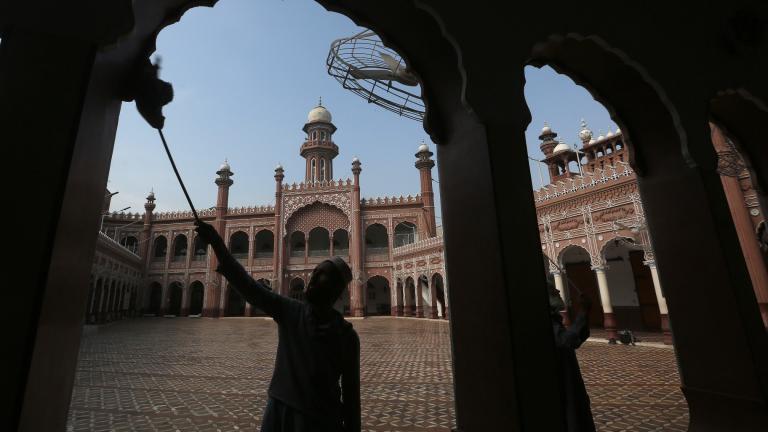
For the next 30 days, Muslims will refrain from eating or drinking anything — even the tiniest sip of water — from sunrise to sunset. Many will more strictly observe prayers, donate to charity and devote more time to reading the Quran as they seek to draw closer to God.
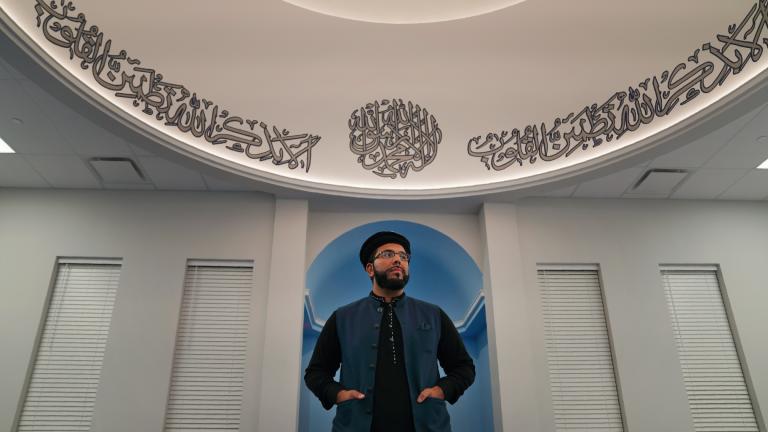
This weekend, thousands of Ahmadi Muslims from around the world have congregated in the Lake County city to celebrate what they see as a century-old miracle and a significant milestone in the life of Zion and of their faith: The building of the city’s first mosque.
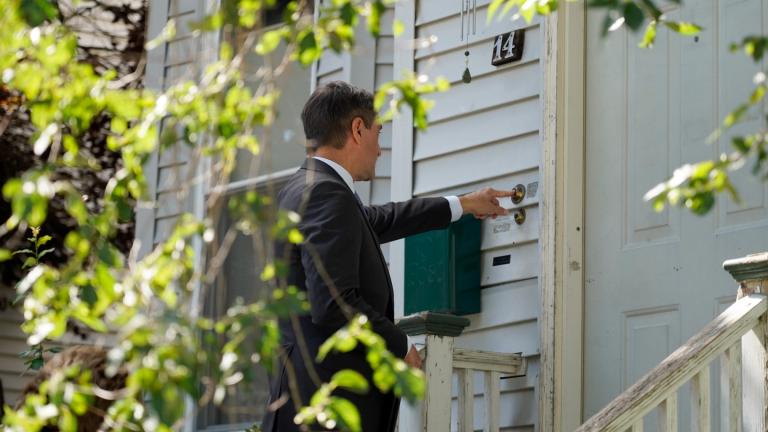
Jehovah’s Witnesses suspended door-knocking in the early days of the pandemic’s onset in the United States, just as much of the rest of society went into lockdown too.
Trending
Pair of Chicago Elementary Schools Named Top in Illinois in New U.S. News Rankings
Mother-Son Reunions Among Latest Milestones for Shedd’s Rescued Belugas

Migration Mass Casualty With At Least 1,000 Birds Injured or Killed This Weekend in Chicago and on Northwestern’s Campus

Early Voting for November General Election Expands in Chicago, Suburban Cook County
Giannoulias, Quigley, Wilson — But Not Johnson — Among First to File Signatures Ahead of Chicago’s February Mayoral Election
Sign up for the WTTW News newsletter