

Sue Rezin
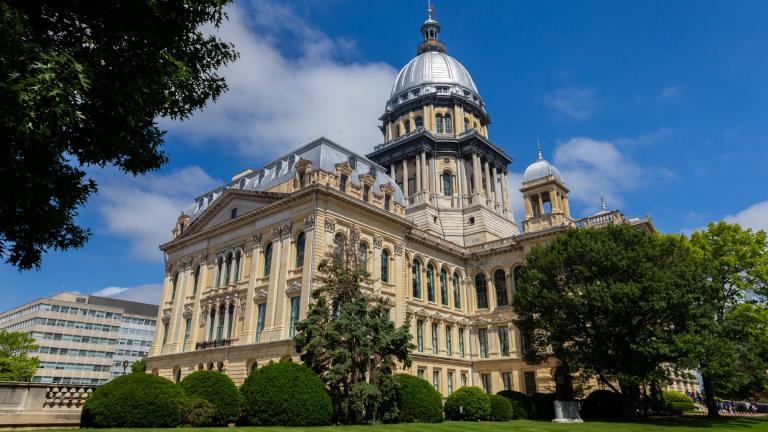

Illinois lawmakers head back to Springfield next week to finish out their fall veto session with plenty on the agenda.
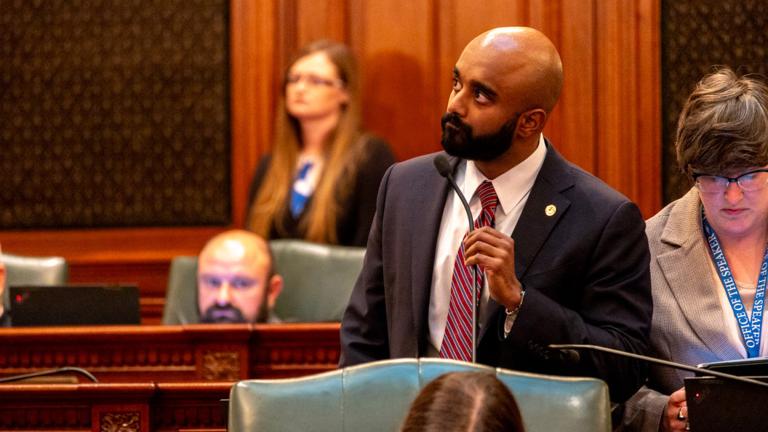
The bill repeals a requirement that those seeking a name change publish a notice in a local newspaper.
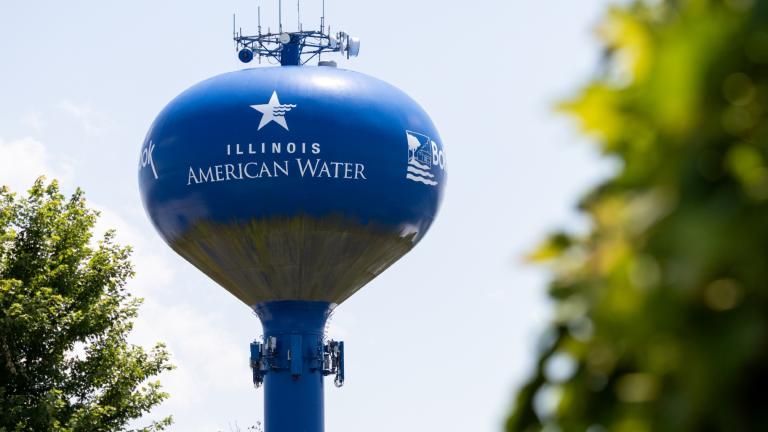
Illinois American Water, which serves 1.3 million people, is seeking a $152.4 million rate increase. Aqua Illinois, which serves 273,000 people, is seeking a $19.2 million increase. The requests must be reviewed by the Illinois Commerce Commission before the utilities are allowed to modify their rates.

Other measures regulate garbage truck littering, allow yoga in schools
Lawmakers passed more than 200 bills this week ahead of their scheduled May 24 adjournment. Many of the measures will soon head to Gov. J.B. Pritzker, including a bill that changes how damages accrue under Illinois’ first-in-the-nation biometric data privacy law.
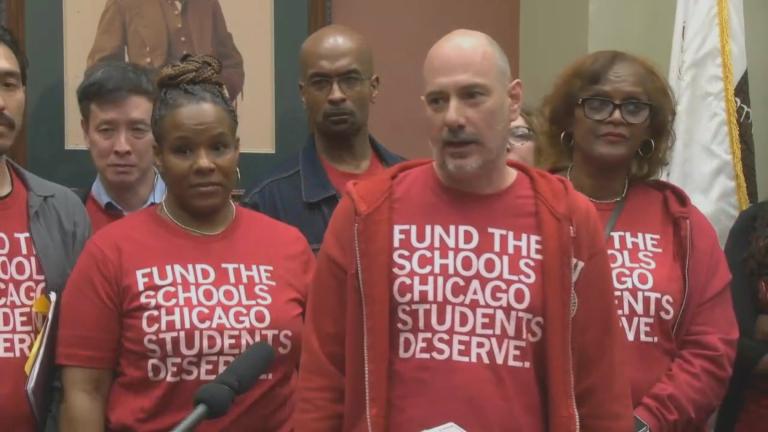
Chicago Public Schools teachers and administrators aren’t shying away from Mayor Brandon Johnson’s claim the city’s schools are “owed” $1 billion from the state. But they dramatically scaled back their immediate demands during a rare joint CPS and Chicago Teachers Union lobbying trip to the state Capitol on Wednesday.

One bill would require facilities that store electric vehicle batteries to register with the Illinois Environmental Protection Agency by 2026. The state’s Pollution Control Board would set the regulations for the proper storage of EV batteries.

Members of the Illinois legislature will reunite on Tuesday to take care of any unfinished business before the year’s end, including deciding the ultimate fate of measures rejected in whole or in part by Gov. J.B. Pritzker.

The Illinois Supreme Court heard oral arguments in a pair of class action suits brought by two suburban nurses who allege their employers violated the state’s Biometric Information Privacy Act, a landmark 2008 law that gives Illinois residents the ability to sue companies that misuse biometric data, such as fingerprints or facial scans.
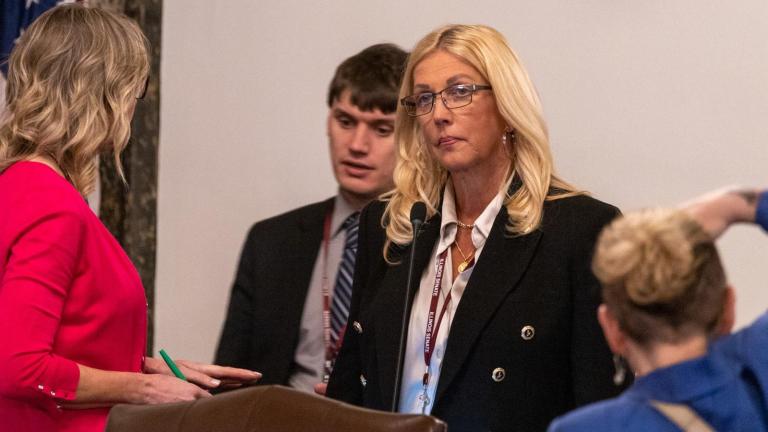
The bill earned more votes than the three-fifths majority needed to override
The passed in May with three-fifths majorities in both legislative chambers, meaning that if all of the members that voted for it also support an override of the governor’s veto, it still could become law.
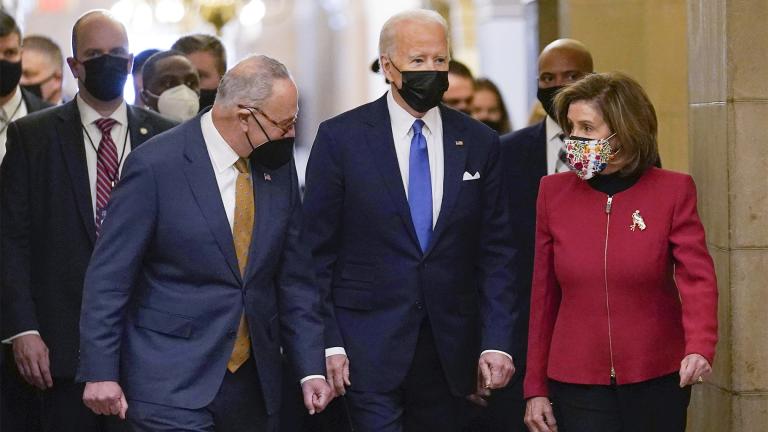
Biden’s March 1 address to Congress will play out against what Vice President Kamala Harris has called a “malaise” over the persistence of COVID and growing public impatience to get back to normal after two years of pandemic restrictions.

Spurred in part by Texas’ new restrictions on abortions, Illinois legislators on Tuesday took a step toward moving in the other direction, when the Illinois Senate voted to roll back a law that requires parents and guardians be notified before their minor child can have an abortion.

Lawmakers couldn’t clinch a deal on a comprehensive energy package before their regular session ended in May, but were called back to Springfield on Tuesday to try again. Instead, the Senate adjourned once again without taking action.

With just one day remaining before they’re scheduled to adjourn until fall, Illinois legislators have a heaping set of issues left to tackle: a state budget, ethics reform, a follow-up to the major criminal justice overhaul signed into law in February, and legislation to fix issues with Illinois’ gun licensing system.

With roughly a month before they plan to complete the weighty task of drawing new maps that will determine the lines of political power for the next decade, Illinois Democrats say they have not determined what data they’ll use. We speak with lawmakers from both sides of the aisle about that and more.
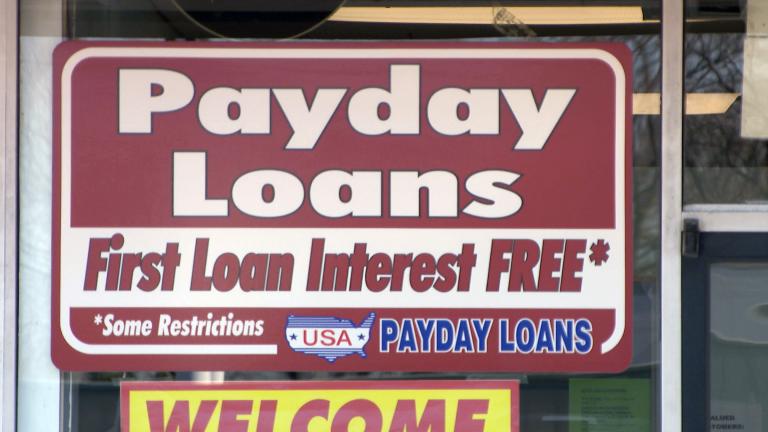
The Illinois Predatory Lending Prevention Act was recently signed into law by Gov. J.B. Pritzker. The legislation had support from organizations around the state, but critics say the law could shut down the payday lending industry in Illinois, leading to a host of bigger problems.
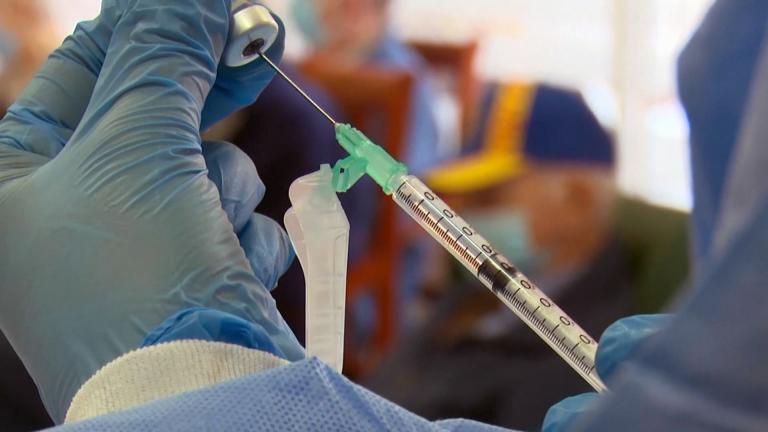
According to the latest Illinois Department of Public Health data, about 2.35% of Illinois’ population is fully vaccinated, which means millions more are still waiting for a shot — and many won’t have the opportunity for months.
Trending
Pair of Chicago Elementary Schools Named Top in Illinois in New U.S. News Rankings

Mother-Son Reunions Among Latest Milestones for Shedd’s Rescued Belugas

Migration Mass Casualty With At Least 1,000 Birds Injured or Killed This Weekend in Chicago and on Northwestern’s Campus

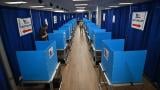
Early Voting for November General Election Expands in Chicago, Suburban Cook County
Giannoulias, Quigley, Wilson — But Not Johnson — Among First to File Signatures Ahead of Chicago’s February Mayoral Election

Sign up for the WTTW News newsletter