

housing segregation
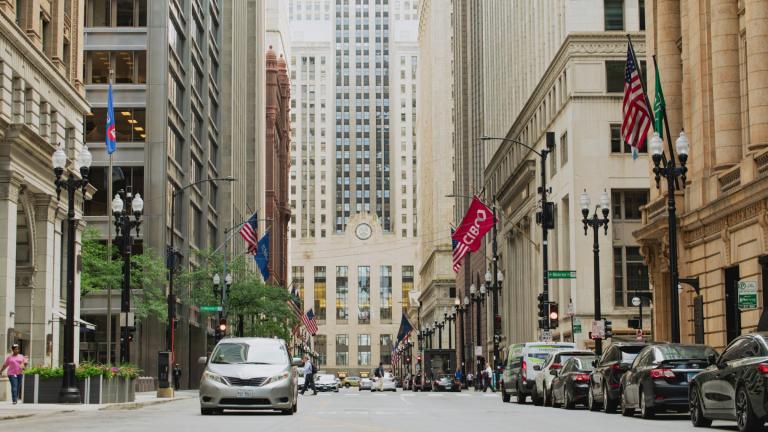
The City Council’s Finance Committee endorsed the $135 million project from Golub & Co to transform 16 floors of the 44-story tower at 30 N. LaSalle St. into 349 homes, including 105 units set aside for low- and moderate-income Chicagoans.
A final vote on both proposals, which would create 786 new homes, including 237 units of affordable housing, is set for the Sept. 25 City Council meeting.
A final vote on both proposals, which would create 104 units of affordable housing, by the full City Council is set for Wednesday.
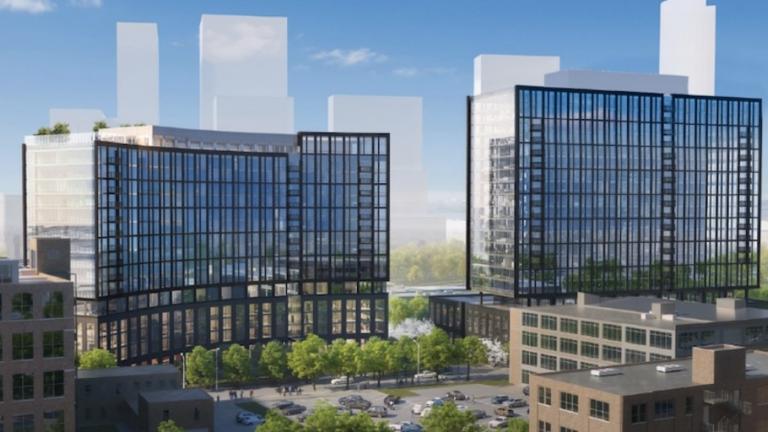
One of Chicago’s largest developers will invoke a little-known and untested provision of city law in an attempt to win approval for a 615-unit apartment complex in Lincoln Park.
The City Council’s Finance Committee unanimously endorsed the plan from R2 Co. and the Campari Group to transform the 14-story office building at 79 W. Monroe St. into an apartment building with 117 units, including 41 units set aside for low- and moderate-income Chicagoans.
“Like many cities, we are in the process of recovering from the impact of the pandemic, resulting in vacancies, particularly our storefronts and offices,” Mayor Brandon Johnson said. “We have to respond to these changes. As a city, we have to do it in a creative and collaborative way.”
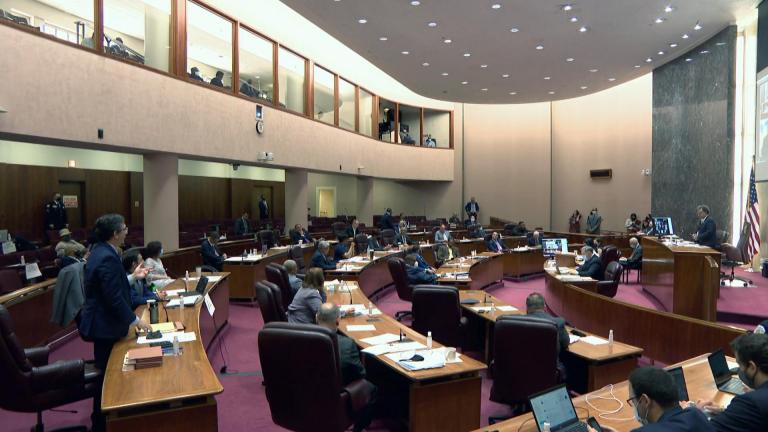

A probe by the U.S. Department of Housing and Urban Development found that aldermanic prerogative has created a hyper-segregated city rife with racism and gentrification.
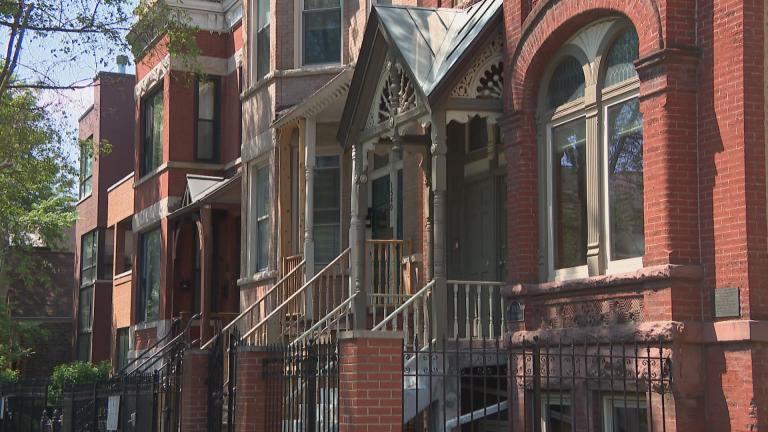
Cook County Treasurer Maria Pappas called the legislation “the most significant property tax reform legislation the General Assembly has approved in decades.”
Bill Designed to Revamp Property Tax Sale System That Fueled ‘Urban Decay’ Headed to Governor’s Desk
Cook County Treasurer Maria Pappas called the legislation “the most significant property tax reform legislation the General Assembly has approved in decades.”
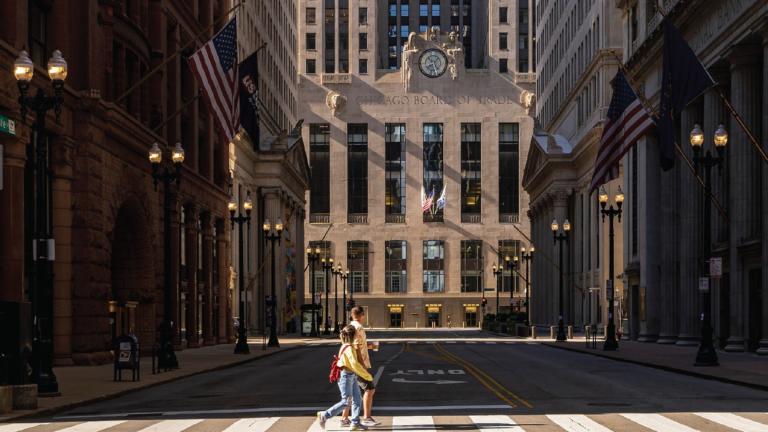
The three proposals would invest $550 million in the Loop to build 1,059 apartments in what is now mostly empty office space, including 317 units set aside for low- and moderate-income Chicagoans as part of an effort to reduce segregation in Chicago in return for $188 million in city subsidies, officials said.
Mayor Lori Lightfoot said she was determined to chart a “bright and lasting” future for LaSalle Street between Washington Street and Jackson Boulevard, an area of the city she said had been permanently altered by the shifts triggered by the COVID-19 pandemic.
Many of the barriers erected by elected officials and civic leaders beginning in the 1930s to keep Black Chicagoans, Latino Chicagoans and White Chicagoans from living, working and playing in the same neighborhoods remain unchanged nearly a century later, according to a new study.
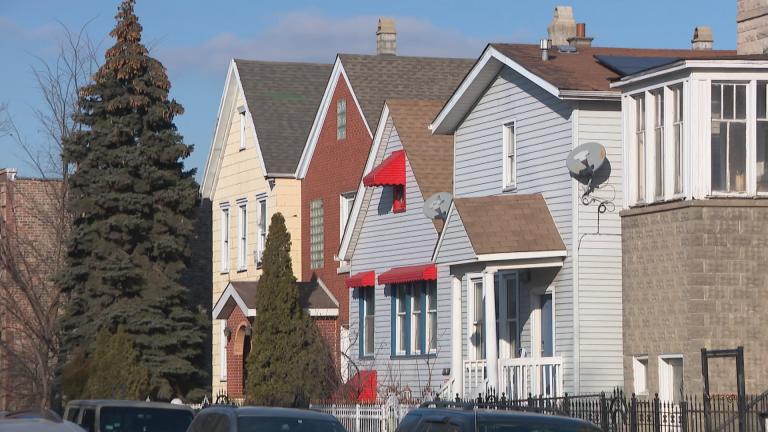
Everything about one’s experience of living in Chicago can be traced back to segregation and race, according to community leader José Rico, executive director of Truth, Racial Healing and Transformation Chicago.
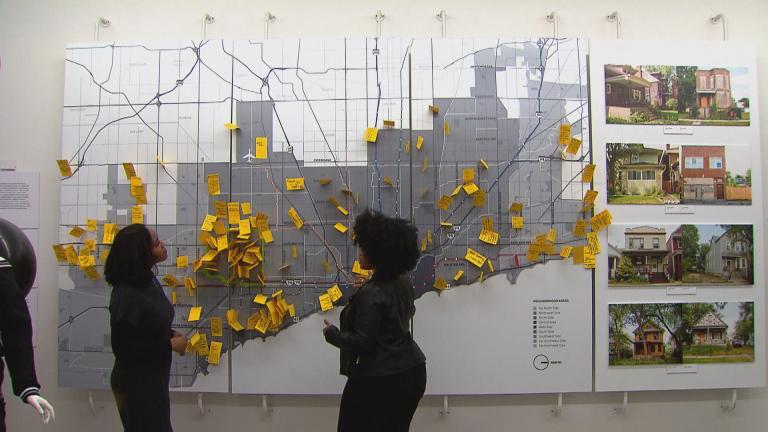
Since we first met Tonika Lewis Johnson in 2020, she has expanded the Folded Map project — adding workshops, a play and a movie.
Efforts backed by Mayor Lori Lightfoot to reduce residential segregation in Chicago have begun to show signs of progress, officials with the Chicago Department of Housing say. The centerpiece of that effort is a revamped ordinance that requires developers who get special permission from the city or a subsidy to build more units earmarked for low- and moderate-income Chicagoans and pay higher fees.
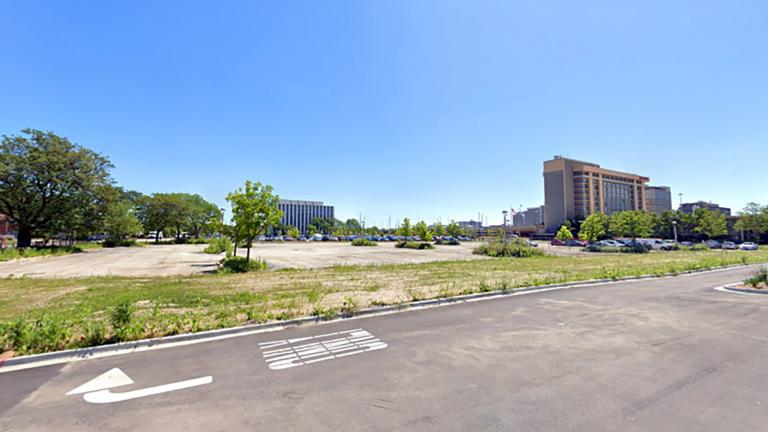
The proposal from Glenstar at 8535 W. Higgins Road will build the 41st Ward’s first affordable housing in decades amid a cluster of hotels and office mid-rises along the Kennedy Expressway near O’Hare Airport and steps away from the CTA Blue Line.
Trending
Pair of Chicago Elementary Schools Named Top in Illinois in New U.S. News Rankings
Mother-Son Reunions Among Latest Milestones for Shedd’s Rescued Belugas

Migration Mass Casualty With At Least 1,000 Birds Injured or Killed This Weekend in Chicago and on Northwestern’s Campus

Early Voting for November General Election Expands in Chicago, Suburban Cook County
Giannoulias, Quigley, Wilson — But Not Johnson — Among First to File Signatures Ahead of Chicago’s February Mayoral Election
Sign up for the WTTW News newsletter