

Supreme Court
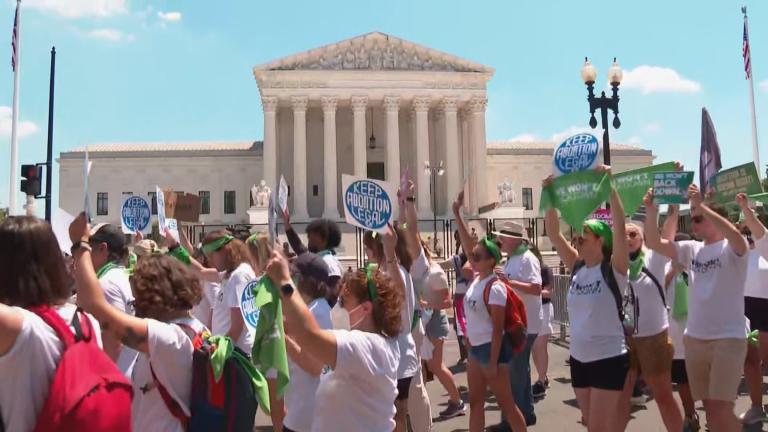

A Black Voices/Latino Voices crossover conversation on what the future holds for abortion access in the U.S. Leaders of women’s rights organizations worry about how this decision will specifically impact people of color and people with lower incomes.

By a 6-3 vote, with conservatives in the majority, the court said that the Clean Air Act does not give the Environmental Protection Agency broad authority to regulate greenhouse gas emissions from power plants that contribute to global warming.
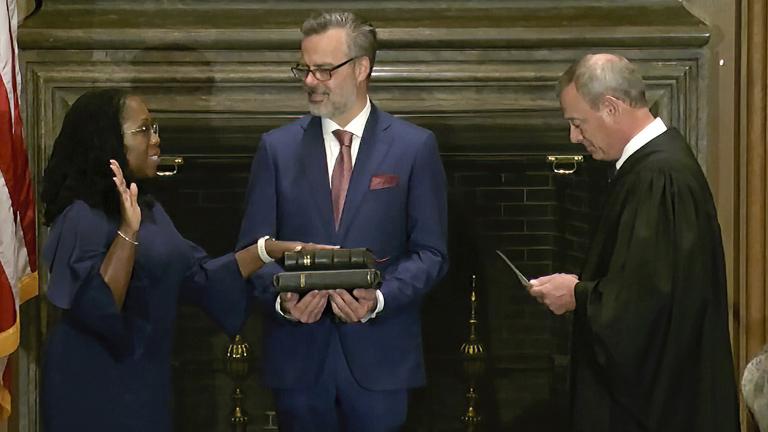
Ketanji Brown Jackson, a federal judge since 2013, is joining three other women — the first time four women will serve together on the nine-member court. President Joe Biden nominated Jackson in February, a month after Stephen Breyer, 83, announced he would retire.
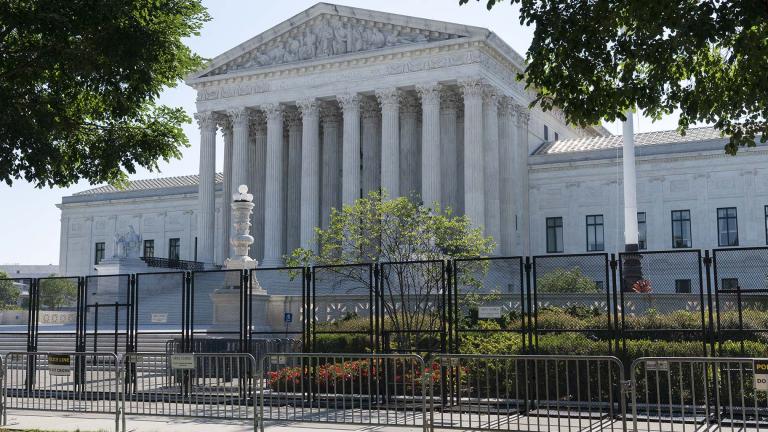
President Joe Biden suspended the program on his first day in office in January 2021. But lower courts ordered it reinstated in response to a lawsuit from Republican-led Texas and Missouri. The current administration has sent far fewer people back to Mexico than did the Trump administration.
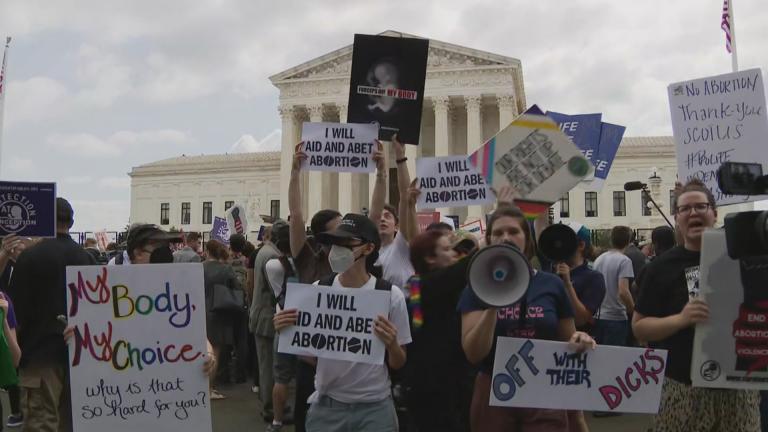
With the Supreme Court striking down Roe v. Wade, Illinois elected officials are planning a legislative response. A special session will be called in July.

The relationship between the public and the judiciary has been studied and debated by legal and political scholars. The short answer: it’s complicated. There’s evidence that the public has an indirect role in the judiciary, but that might be changing.
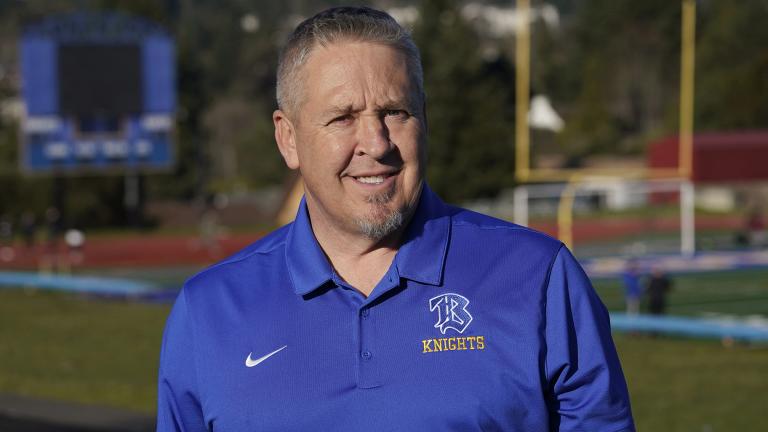
The court ruled 6-3 for the coach with the court’s conservative justices in the majority and its liberals in dissent. The case forced the justices to wrestle with how to balance the religious and free speech rights of teachers and coaches with the rights of students not to feel pressured into participating in religious practices.
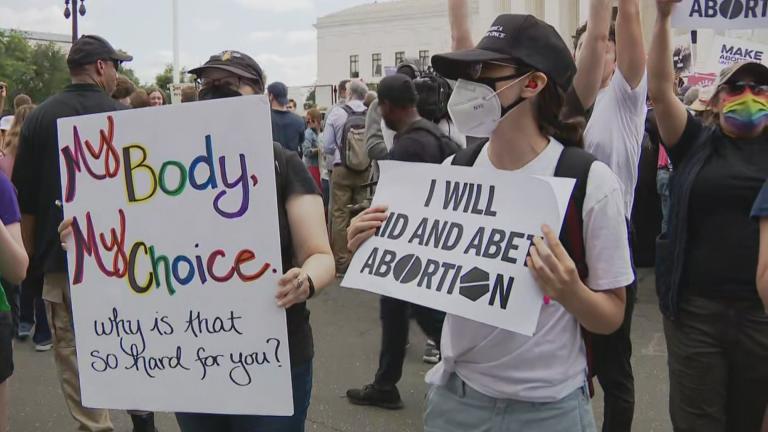
Abortion regulations are now left up to the states to decide. Anticipating the impending decision, several states have already issued abortion bans. Advocates for reproductive rights are worried about how the decision will impact those seeking access to safe abortions.
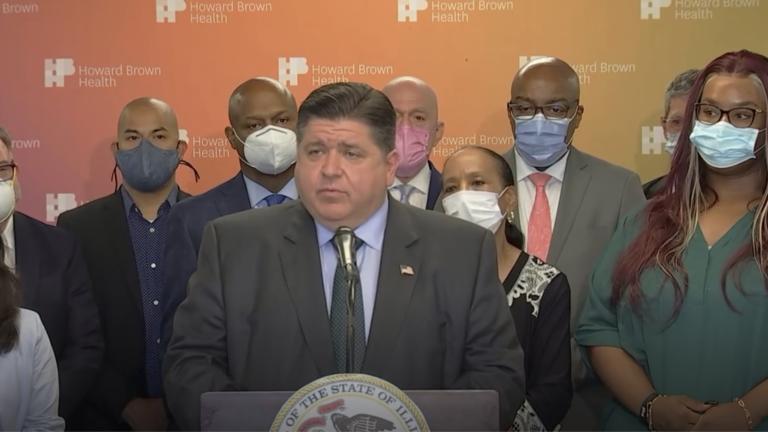
Abortion will remain legal in Illinois, thanks to a law signed by former Gov. Bruce Rauner in 2017 that rolled back a measure that would have automatically banned abortion in Illinois if Roe v. Wade, decided in 1973, was overturned.
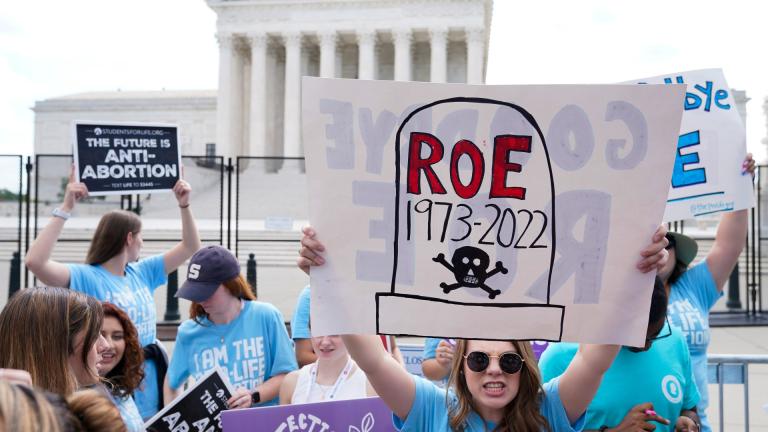
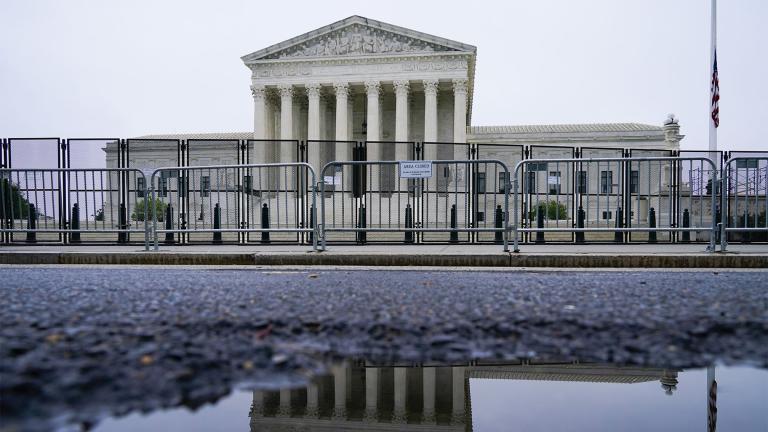
The Supreme Court has ended constitutional protections for abortion that had been in place nearly 50 years in a decision by its conservative majority to overturn Roe v. Wade.
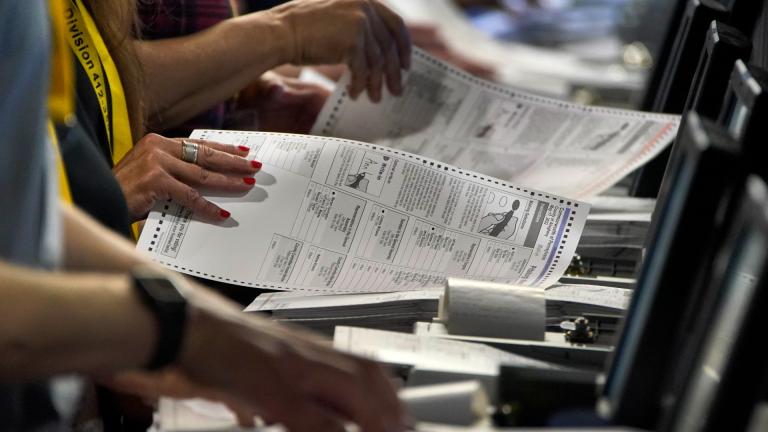
The Supreme Court seems poised to take on a new elections case being pressed by Republicans that could increase the power of state lawmakers over races for Congress and the presidency, as well as redistricting, and cut state courts out of the equation.

Could it mean the return of the Jane Collective for a new era?
If Roe v. Wade is overturned by the U.S. Supreme Court in June, states neighboring Illinois are poised to further restrict abortion access. Illinois organizations, both for and against abortion, are bracing for the influx of people who will likely turn to Illinois providers.
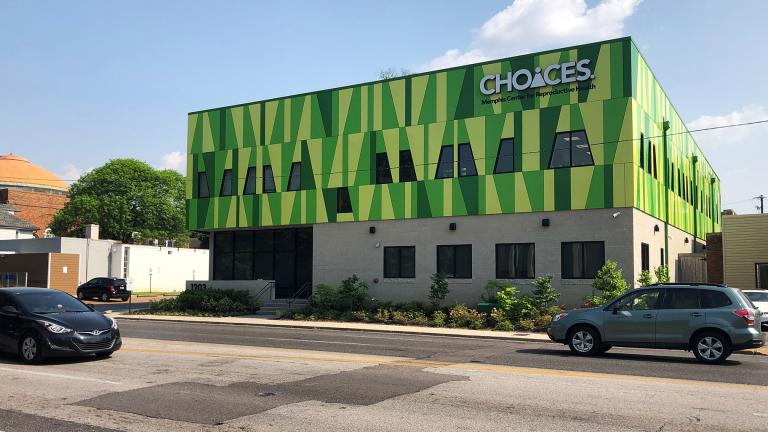
Leaders of a Tennessee abortion clinic calculated driving distances and studied passenger rail routes as they scanned the map for another place to offer services. They chose Carbondale in Illinois — a state that has easy abortion access but is surrounded by more restrictive states in the Midwest and South.
Saturday’s rallies were being held three days after the Senate failed to muster enough votes to codify Roe v. Wade. Sponsors included the Women’s March, Move On, Planned Parenthood, UltraViolet, MoveOn, SEIU and other organizations.
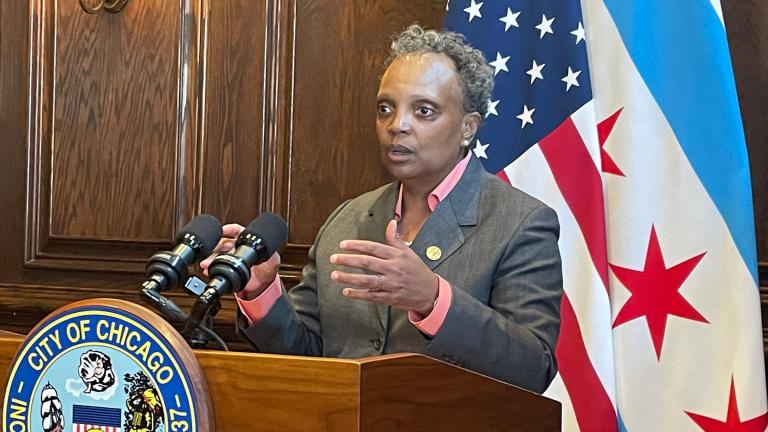
Mayor Lori Lightfoot has vowed to ensure Chicago remains a safe haven for women seeking an abortion or other reproductive health care.
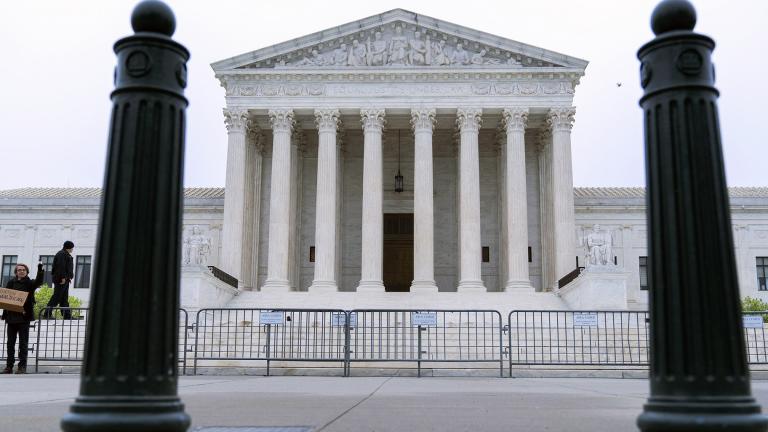
It’s not surprising that the court, which has a strong conservative majority after former President Donald Trump appointed three justices during his single term in office, would seek to curb abortion rights. However, the breadth of the draft opinion startled advocates and sent shockwaves through American politics.
Trending
Who Is Running, or Thinking About Running, to Become Chicago’s Next Mayor

Suspend CPD Officers, Sergeant Repeatedly Accused of Making Improper Traffic Stops for a Combined 330 Days: Police Brass

Johnson’s Debt Refinancing Plan Results in Just Half of What He Promised, Forcing Officials to Scramble to Fill Budget Gap
Hilario Dominguez, Candidate for CPS Board President, Defends Conduct as Watchdog Reopens Probe Into Inappropriate Behavior Allegations

No Tax Hikes or Layoffs Needed to Close Cook County’s $550M Gap Thanks to ‘Budget Magic’: Preckwinkle

Sign up for the WTTW News newsletter