

Consent Decree
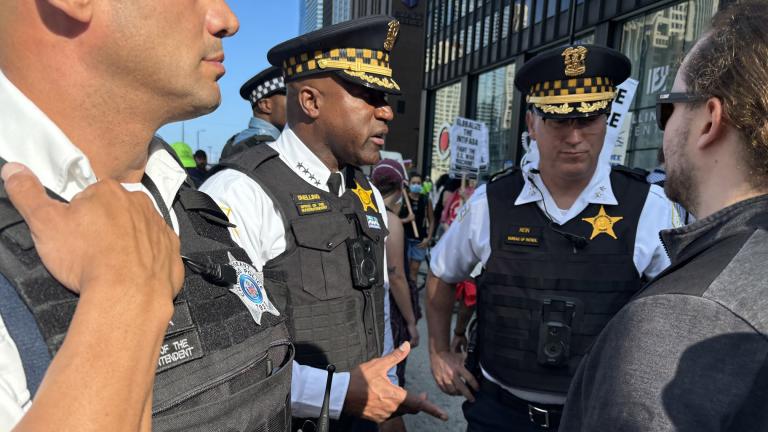
The retirement of Chicago Police Supt. Larry Snelling poses “a test for the CPD to show that its reforms are now built into how it operates,” said Maggie Hickey, the attorney who leads the monitoring team that reports to U.S. District Court Judge Rebecca Pallmeyer.

The Illinois Supreme Court could decide the case that has frozen the system Chicago officials used for 60 years to hold accountable officers accused of the most egregious misconduct before the end of the year.
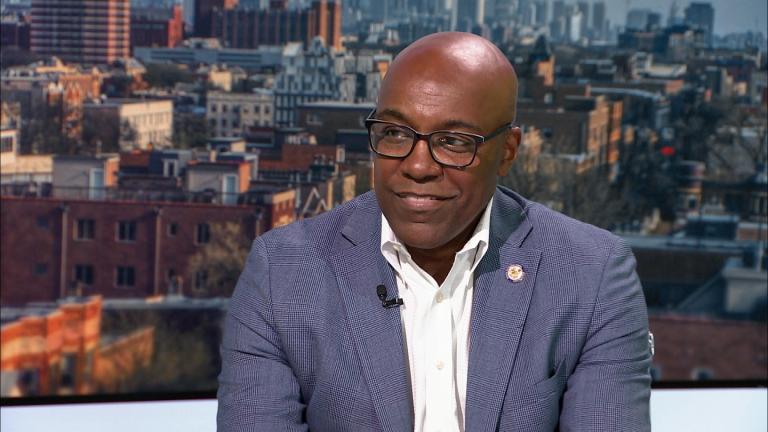

The Illinois Supreme Court will hold oral arguments Thursday amid a legal dispute between the city of Chicago and the city’s largest police union that has lasted for more than two years.
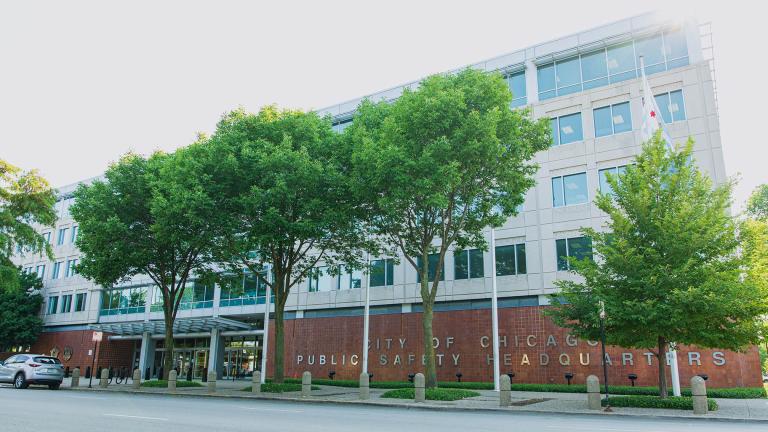
Chicago taxpayers have paid $2.7 million for a system designed to alert officials about which officers have been the subject of repeated police misconduct allegations. It is not scheduled to launch until June 2027.
Chicago police officers detained the same teen four times in less than 30 minutes in what investigators ruled was a botched raid.
That missed deadline comes as CPD officials acknowledged, again, that the number of times officers used force against members of the public “continues to trend upward,” according to the report.
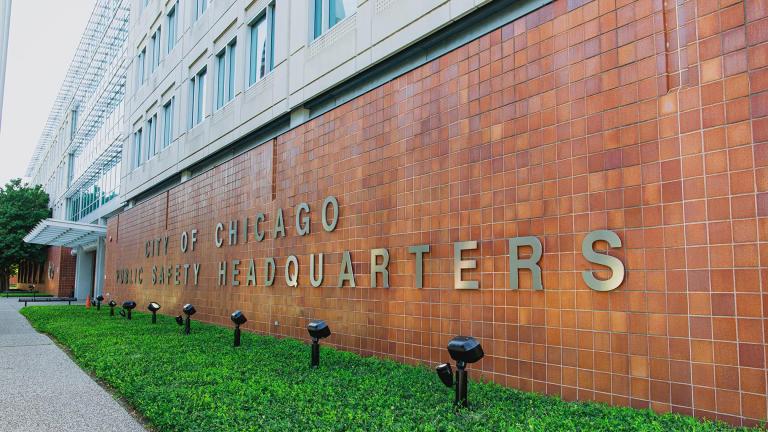
Chicago taxpayers paid three times more to resolve police misconduct lawsuits in 2025, as compared with 2024, according to the annual report detailing the cost of lawsuits filed against the Chicago Police Department.
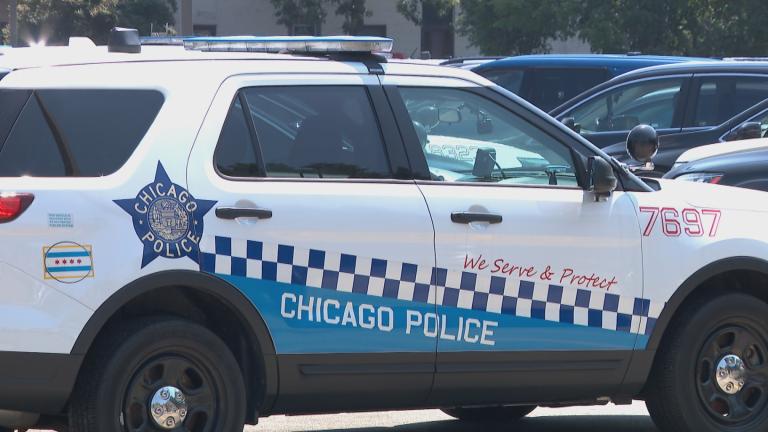
It is not clear how — or why — Benchmark Analytics was selected by officials in the Johnson administration in the fall of 2024 to create the system required by the federal court order known as the consent decree.
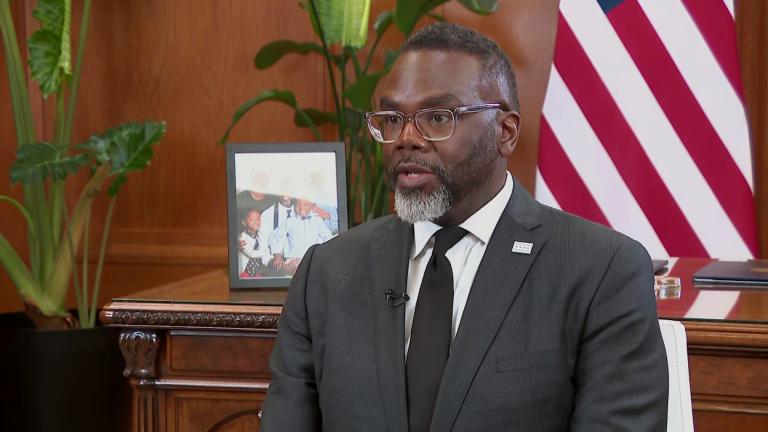
“We have endured quite a bit,” Mayor Brandon Johnson said. “It has been a barrage of just crisis after crisis that I’ve had to manage, but again, you know, I’ve made it very clear that it’s a lot more effective and easier to lead when you are leading with your values and your convictions.”
Between 2023, when Mayor Brandon Johnson and Chicago Police Supt. Larry Snelling took office, and 2025, the number of times police officers used force against a member of the public increased approximately 35.8%, according to CPD data.
The monitors praised CPD for making “significant progress” between July 1 and Dec. 31 in effort to comply with the consent decree, which has been in effect for seven years.
Chicago taxpayers paid the monitors $4.7 million in 2025, records show.
Chicago police brass did not update Mayor Brandon Johnson and three City Council committee chairs about their progress in crafting the system until days after WTTW News reported they had failed to comply with city law.
Officers made an average of 732 traffic stops every day for an entire year that were not documented as required by CPD policy and state law, according to data from the city’s Office of Emergency Management and Communications obtained through a Freedom of Information Act request.
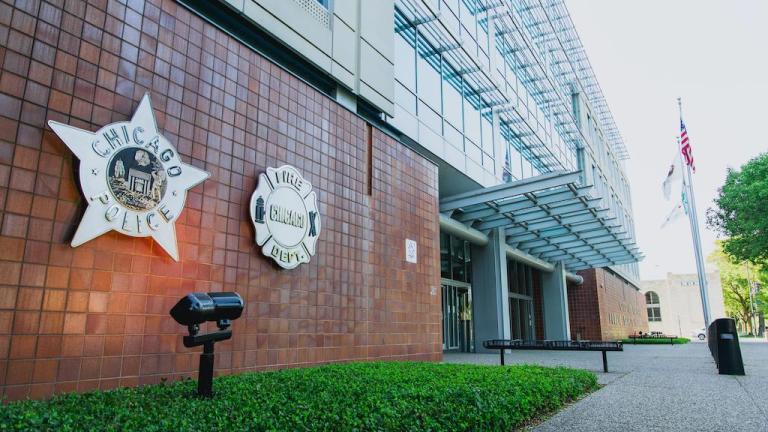
"We have seen no evidence that the Chicago Police Department has changed any policies or training or examined any operational changes they are going to make as a response to these really disturbing findings,” said Alexandra Block of the ACLU of Illinois.
CPD has been under federal court oversight for nearly seven years as part of an effort to stop officers from routinely violating Black and Latino residents’ constitutional rights by overhauling the way the department trains, supervises and disciplines officers.
Trending
Republican Ohio Gov. Mike DeWine Denounces Ramaswamy Ad Featuring Democrat Amy Acton’s Estranged Mother
CTA to Suspend Loop Elevated Train Service This Weekend for Track Maintenance

Suspend 4 CPD Officers Who Stopped, Shot Dexter Reed for Violating Rights of 4th Driver: Former Top Cop

Chicago DJ Sam Chatman, Known as the Godfather of Steppin’, Dies at 85

CPD Opens Misconduct Probe Into Members’ Use of License Plate Readers
Sign up for the WTTW News newsletter