

Guns

Chicago had the greatest number of mass shootings in the study.
Chicago had the greatest number of mass shootings during that period with 141, which led to 97 deaths and 583 injuries. According to the study, Milwaukee had the highest segregation index.

In the 30 cities examined, homicides declined 9.4% in the first half of this year compared to the first half of last year, with about 200 fewer homicides in that period.
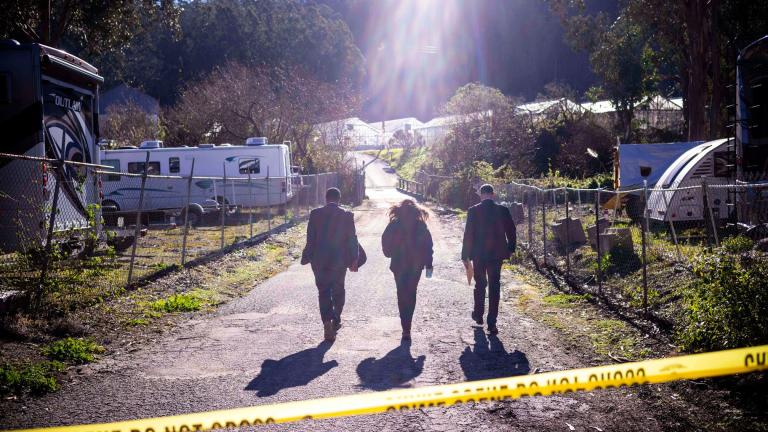
From Jan. 1 to June 30, the nation endured 28 mass killings, all but one of which involved guns. The death toll rose just about every week, a constant cycle of violence and grief. Six months. 181 days. 28 mass killings. 140 victims.
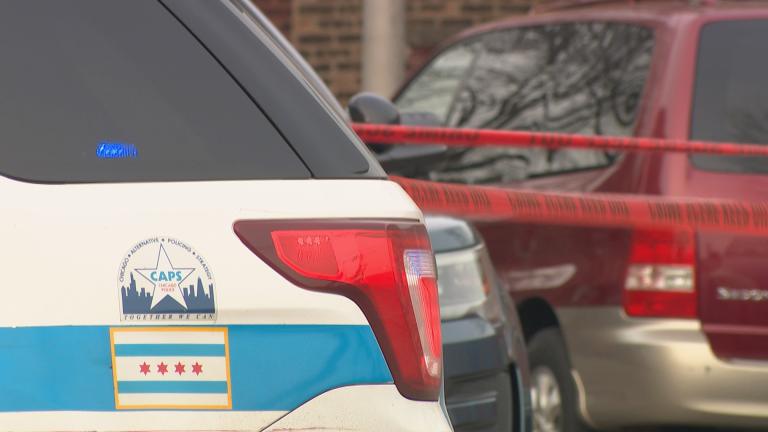

The program pushes $250 million in funds to the state’s hardest hit communities. Designed to interrupt and prevent gun violence, it’s a three-year investment that started at the end of 2021.
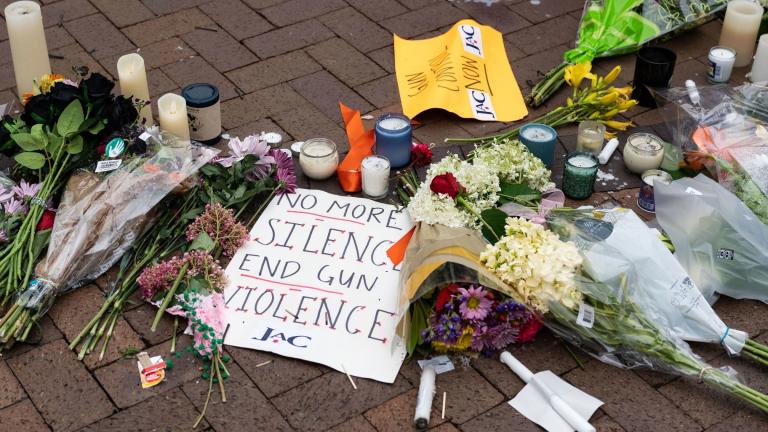
The Fourth of July holiday has accounted for the most mass shootings of any other days of the year in nearly a decade, according to a CNN analysis of the Gun Violence Archive’s mass shooting data since 2014.
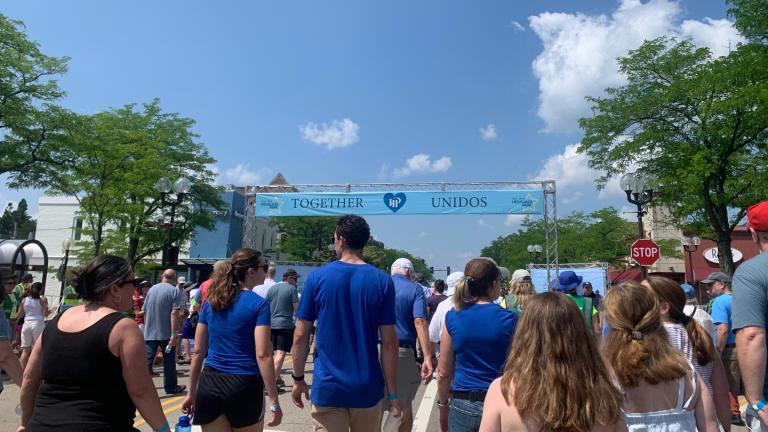
This July 4 in Highland Park, one year after seven people were killed and dozens more wounded in a mass shooting, the sounds of marching bands and cheers were replaced by a much more solemn gathering.

Since the mass shooting at last year’s Fourth of July parade in Highland Park, Illinois has moved swiftly on gun control measures. The most controversial has been the ban on so-called assault weapons.
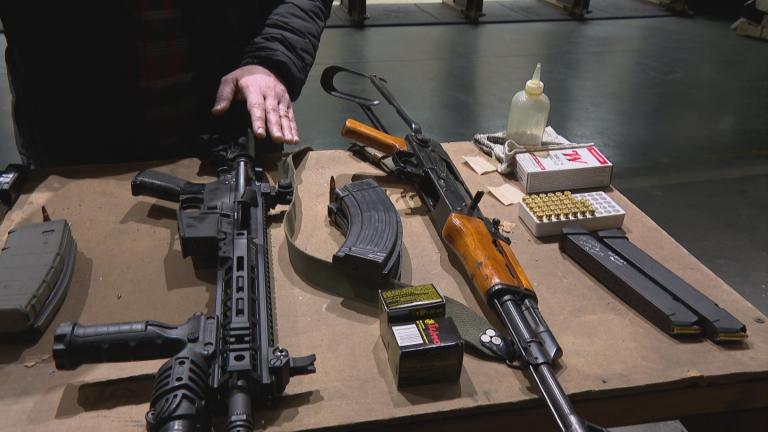
It seemingly took a hometown tragedy to make it happen, but in January the statewide assault weapons ban Illinois legislators who represent Highland Park spent almost a decade fighting for became law – one of several measures Illinois legislators took in direct connection to the shooting.
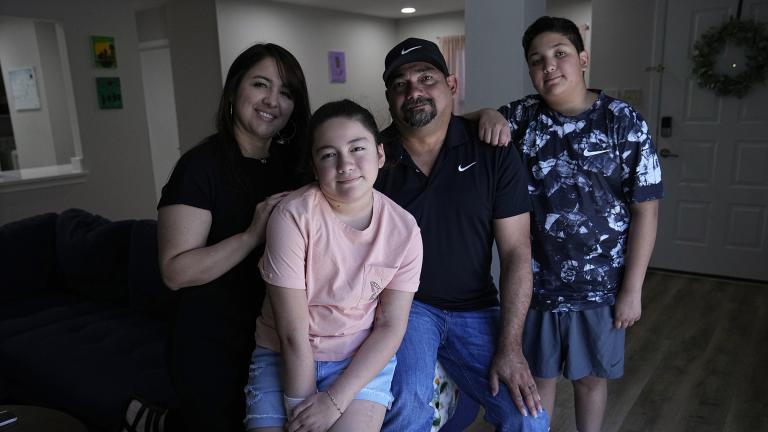
Since 2016, thousands of Americans have been wounded in mass shootings, and tens of thousands by gun violence. Beyond the colossal medical bills and the weight of trauma and grief, mass shooting survivors and family members contend with scores of other changes that upend their lives.
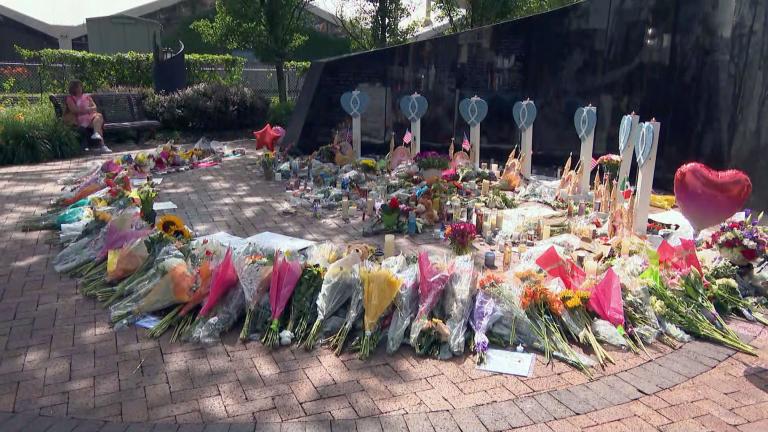
On Monday, WTTW News launches a new initiative, “A Safer City.” In an effort to help facilitate the complicated but necessary conversation around violence, we aim to explore violence in all its forms with depth and nuance.
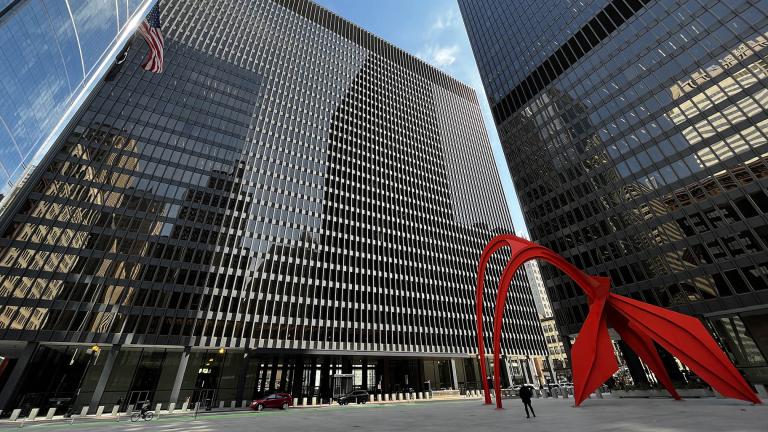
The judges on the Seventh Circuit Court of Appeals are being asked to decide whether Illinois’ recently enacted assault weapons ban violates the Second Amendment’s right to bear arms.

The court denied an emergency request from groups challenging the law, which bans so-called assault weapons. The law’s opponents had asked the high court to put the law on hold while a court challenge continues.
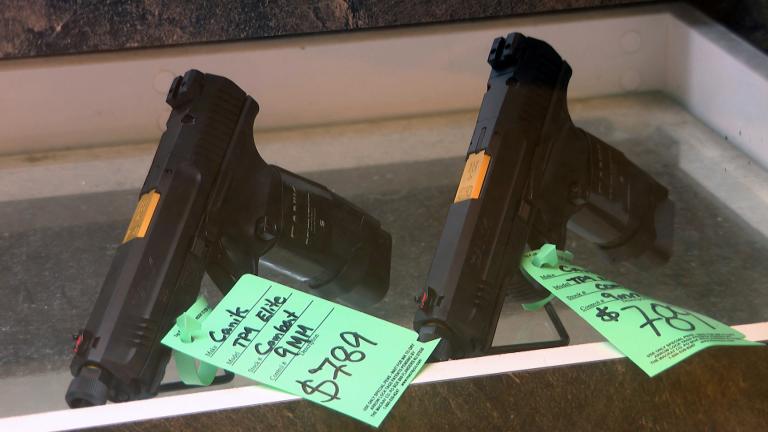
Cook County Sheriff Tom Dart on Friday said millions more dollars must be dedicated to helping police departments recover weapons from those who’ve had their FOID cards revoked.

The findings were published Tuesday in the journal JAMA Network Open and stem from a survey that followed the lives of thousands of children in Chicago since the mid-1990s.
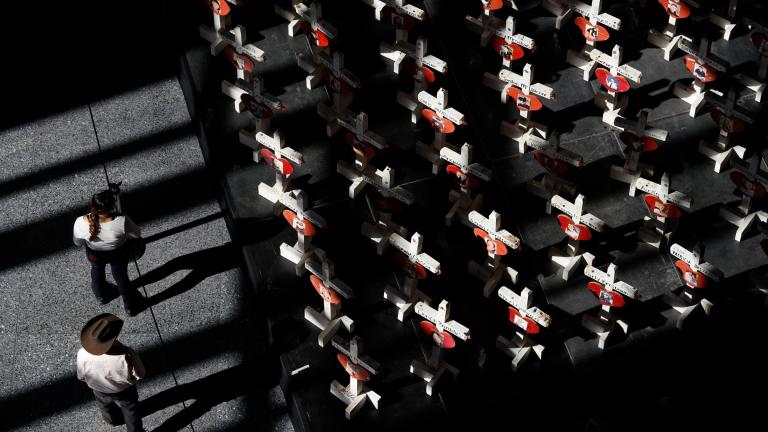
Over the first four months and six days of this year, 115 people have died in 22 mass killings — an average of one mass killing a week. That includes the bloodshed Saturday at a Dallas-area mall where eight people were fatally shot.

The gun rights advocates are challenging both a city ordinance passed last year by Naperville that bans the sale of assault rifles, and an Illinois state law enacted this year prohibiting the sale and possession of assault weapons and magazines.
Trending
2026 Chicago Festival Guide

CPD Sergeant Who Led Botched Raid at Home of Anjanette Young Now Working as a Suburban Police Detective

Woman Charged With Fatally Stabbing 7-Year-Old Girl Walking in Chicago Saturday

Key City Panel Unanimously Agrees to Pay $260.8M to Resolve 16 Lawsuits Tied to Disgraced Ex-CPD Detective Reynaldo Guevara

Marimar Martinez Hopes New Lawsuit Could Spur Criminal Charges 1 Year After Border Patrol Agent Shot Her

Sign up for the WTTW News newsletter