

Guns

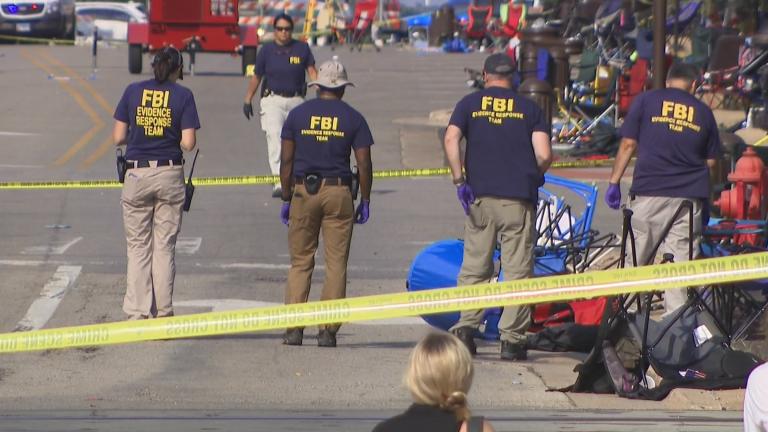
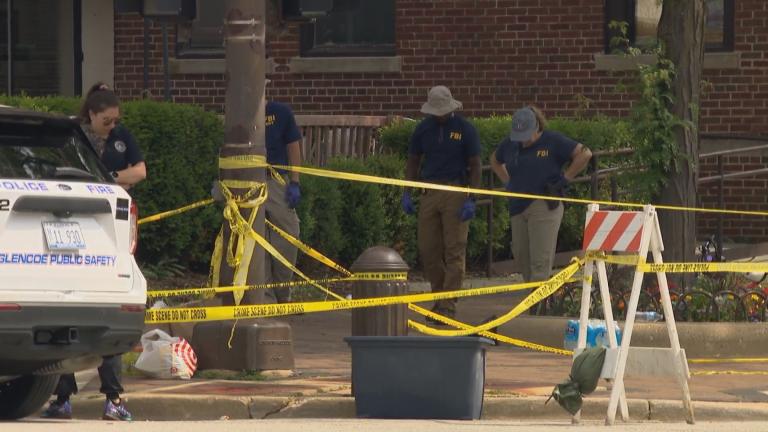
The 2-block by 3-block area consists largely of small shops and restaurants. It had been blocked off with crime scene tape, barricades and uniformed officers since Monday as the FBI and other law enforcement agencies processed evidence.
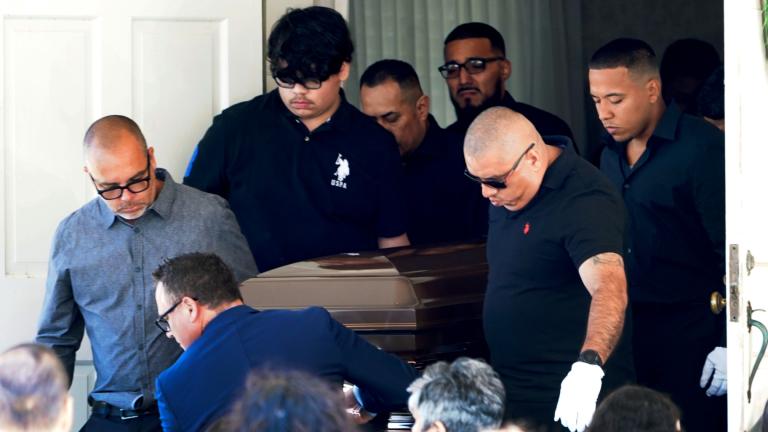
Eduardo Uvaldo, who would have turned 70 on Friday, was a native of Mexico who first moved to the United States when he was 15. In an obituary, he was remembered for his love of his large family — he was survived by his wife, Maria, four daughters, four siblings, grandchildren and great-grandchildren.

Mourners on Friday remembered 63-year-old Jacquelyn Sundheim as a woman who worked tirelessly at her synagogue, and 88-year-old Stephen Straus as a gentle man who loved art in the first formal services to be held for the seven people killed by the gunman who opened fire on a July Fourth parade.
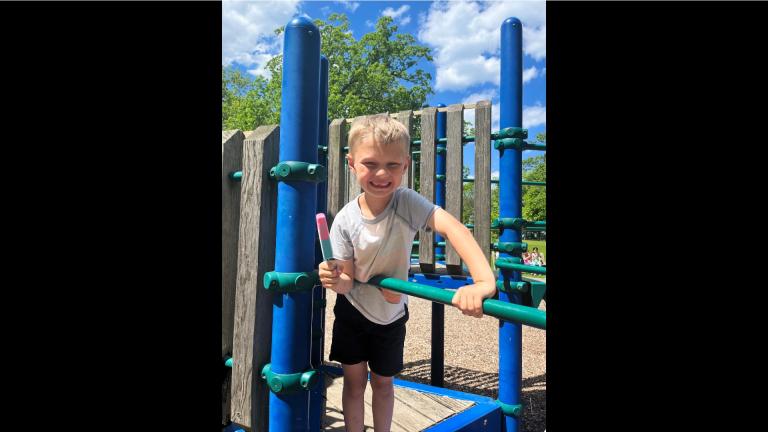
Sports-loving Cooper Roberts and his 8-year-old twin brother, Luke, loved the Fourth of July parade. But now the family is envisioning a “new normal” for Cooper who was struck in the chest in a hail of gunfire that left dozens of others wounded and seven dead when a gunman opened fire on the parade in Highland Park.


Just under a month ago, the Highland Park chapter of March for our Lives organized an anti-gun violence rally at Sunset Woods Park – the same location of a Thursday candlelight vigil – following mass shootings in Uvalde, Buffalo, and Tulsa among others. Attendees then marched through Highland Park, including right through the site of this past weekend’s shooting.
Monday’s shooting in Highland Park has sparked discussions about what Illinois can and should be doing in terms of gun control, especially given the state issued a firearm owners identification card to the alleged shooter even after police filed a “clear and present danger” report on him.

For some, it was a tradition. They were avid travelers, members of their synagogue and professionals. But in a hail of gunfire they became victims in the nation’s latest horrific mass shooting.
The man charged with killing seven people at Highland Park’s Fourth of July parade allegedly confessed his involvement to investigators, telling them he “looked down his sights, aimed and opened fire” at parade-goers, while stopping twice to reload his high-powered rifle with 30-round magazines.
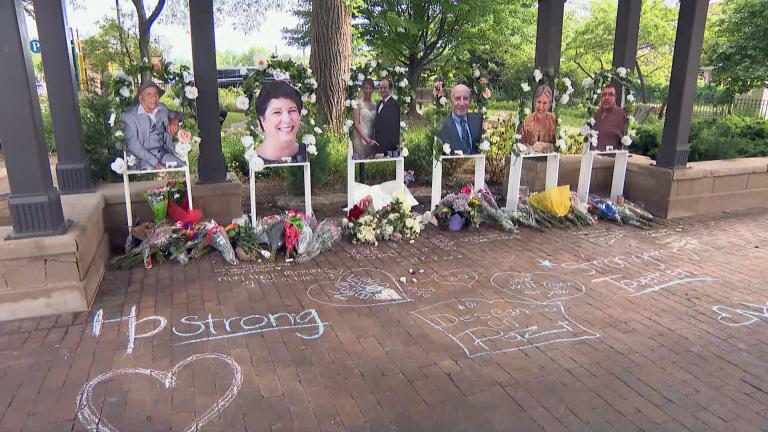
Seven people were killed and more than 30 were injured in a mass shooting at Highland Park’s Fourth of July parade on Monday. In the day since, numerous campaigns are being set up to help the victims and provide resources to affected families.
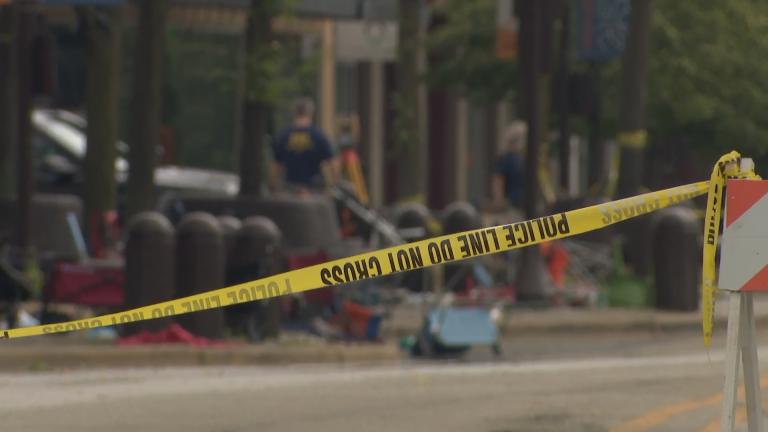
Highland Park’s Fourth of July Parade turned into a tragedy Monday. That sudden shift from a celebratory mood to one of imminent danger can make it difficult for people to process in the aftermath, according to clinicians.
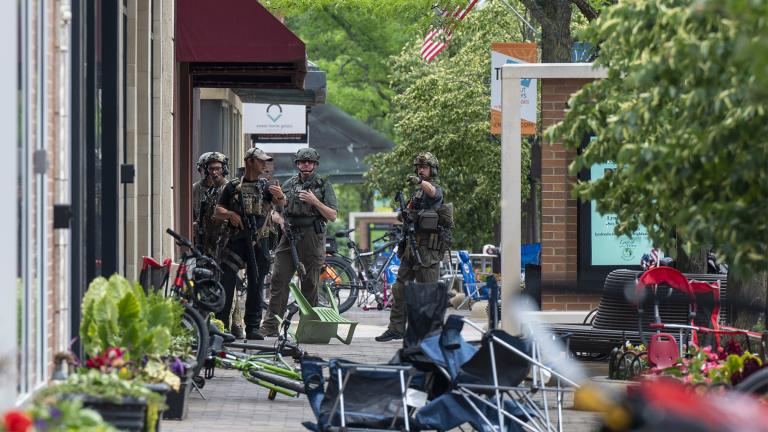
In the chaos of a July 4 parade massacre a woman, stunned and speechless, walked up to Greg Ring and handed him a 2-year-old boy, covered in blood. Ring had fled the scene in Highland Park with his family. He returned to find the boy’s parents, but realized it was still too dangerous. He and his family got to their car and took the boy to a Highland Park fire station.
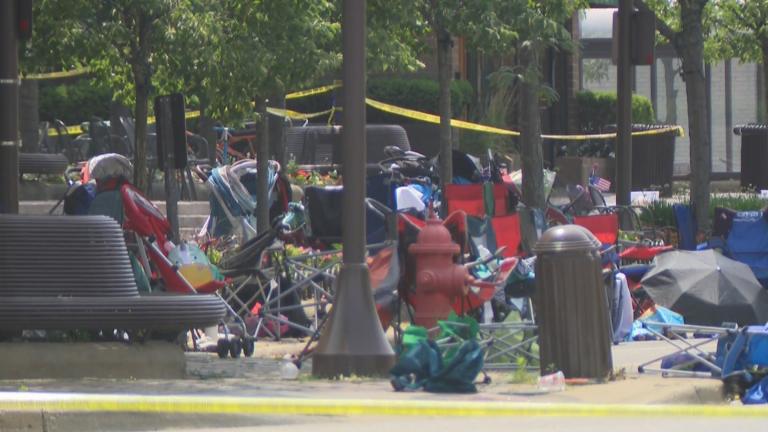
The gun law enforcement officials said was used to kill at least seven people and wound more than three dozen more during the Independence Day parade in Highland Park was purchased legally, officials said. In all, the man charged in the attack purchased five weapons, including a shotgun and a pistol, legally over the course of the past year, police said.
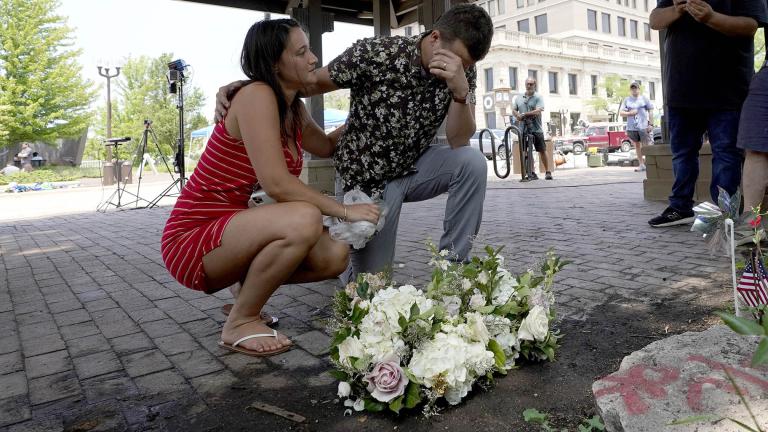
If convicted of those charges, Robert Crimo III faces life in prison without the possibility of parole, said Lake County State’s Attorney Eric Rinehart. Crimo will also face “dozens” of more charges to account for each of the 38 victims who were wounded, as well as those who were “psychologically harmed,” Rinehart said.
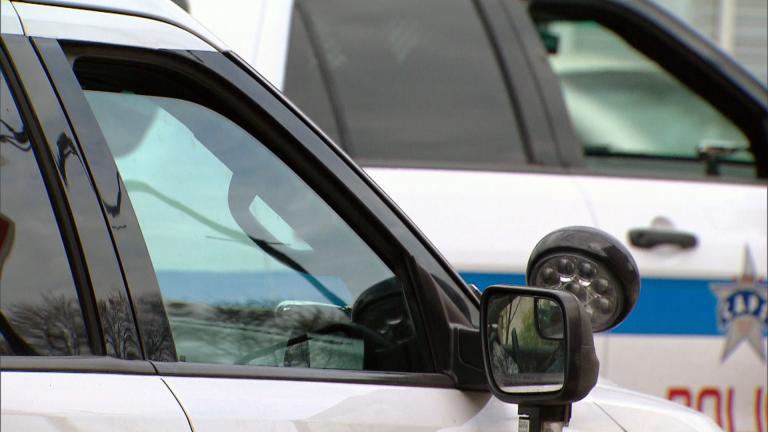
According to Chicago Police Department data, 68 people were shot in 51 separate shootings between 6 p.m. Friday and 11:59 p.m. Monday night during the holiday weekend.
The officer was shot multiple times and was rushed to Stroger Hospital, police said.
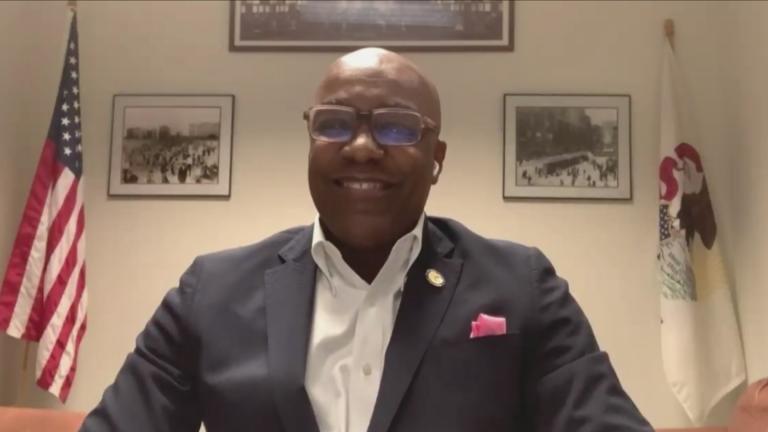
Incumbent Illinois Attorney General Kwame Raoul ran unopposed for the Democratic nomination. In November, he will face Republican Tom DeVore, an attorney who successfully fought against Gov. J.B. Pritzker’s mask mandates in public schools.
Trending
2026 Chicago Festival Guide

CPD Sergeant Who Led Botched Raid at Home of Anjanette Young Now Working as a Suburban Police Detective

Woman Charged With Fatally Stabbing 7-Year-Old Girl Walking in Chicago Saturday
Key City Panel Unanimously Agrees to Pay $260.8M to Resolve 16 Lawsuits Tied to Disgraced Ex-CPD Detective Reynaldo Guevara

Marimar Martinez Hopes New Lawsuit Could Spur Criminal Charges 1 Year After Border Patrol Agent Shot Her
Sign up for the WTTW News newsletter