

Flooding
Mayor Brandon Johnson announced the lawsuit, filed Tuesday in Cook County Circuit Court, against BP, Chevron, ConocoPhillips, Exxon Mobil, Phillips 66, Shell and their largest trade association, the American Petroleum Institute.
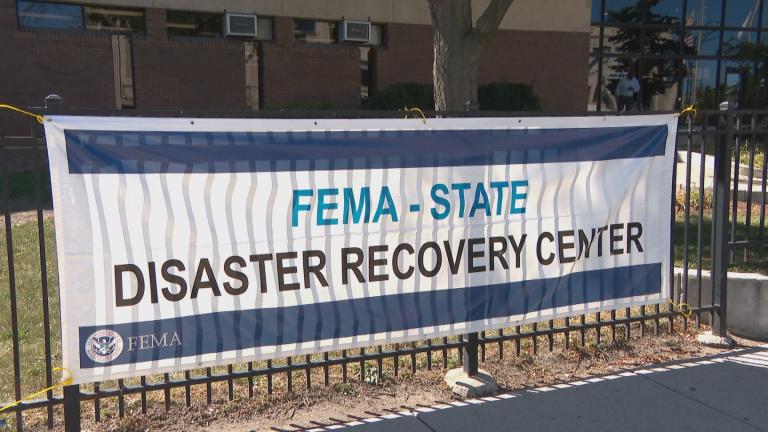
According to the Federal Emergency Management Agency, renters and homeowners have until 11:59 p.m. Friday to apply for the disaster assistance, which comes more than five months after rain and flooding wreaked havoc around Cook County.
A federal disaster declaration was issued last month in Cook County for severe storms and flooding on Sept. 17 and 18, which significantly impacted the south suburbs of Chicago. The deadline to apply for FEMA assistance is on Jan. 19, 2024.
Deadline Extended to Oct. 30 for Cook County Residents Applying for Federal Help After Severe Storms
Cook County residents have until Oct. 30 to apply for assistance, including grants for temporary housing and home repairs and low-cost loans to cover uninsured property losses, officials said.
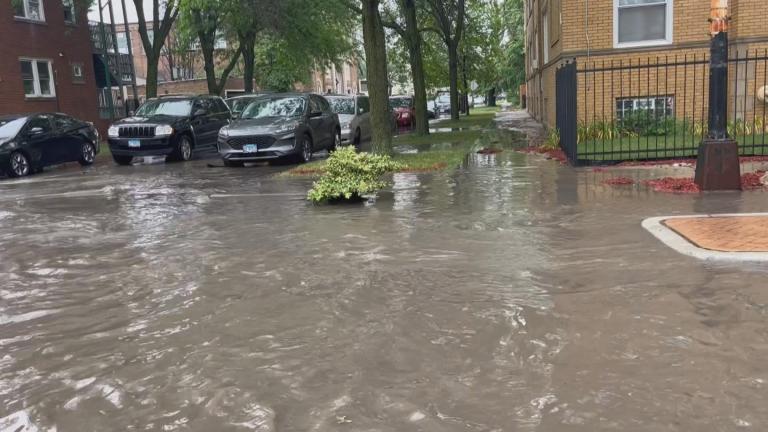
Residents of Calumet City are recovering from a second round of flooding in less than three months after more than half a foot of rain fell on the area Sunday.
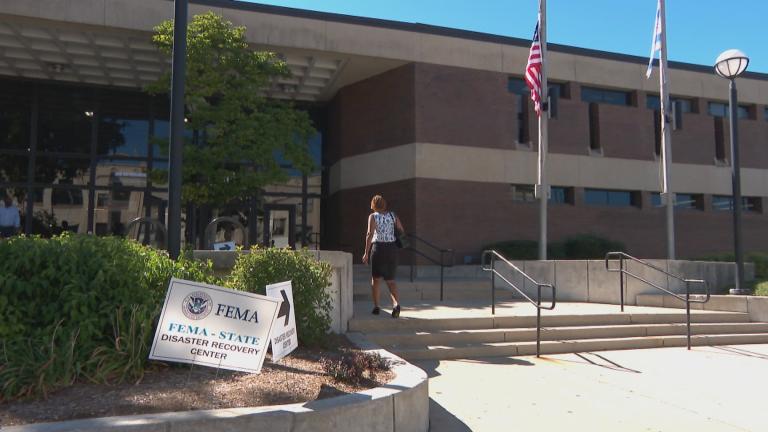
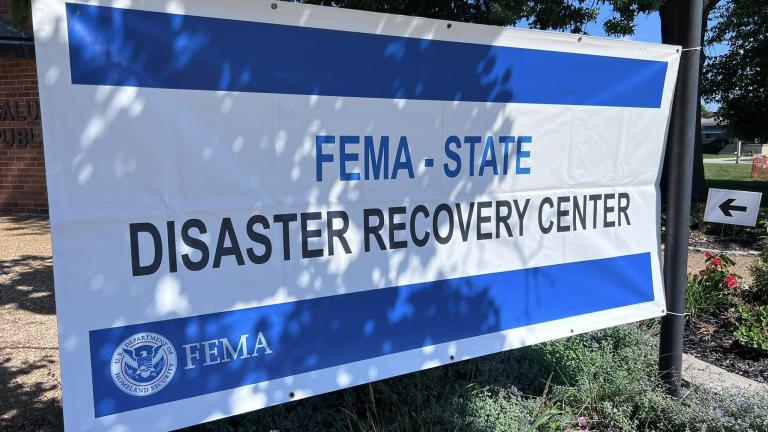
Facilities are open on the West Side and in nearby suburbs to assist residents applying for federal assistance for damage caused by severe storms that occurred between June 29 and July 2.
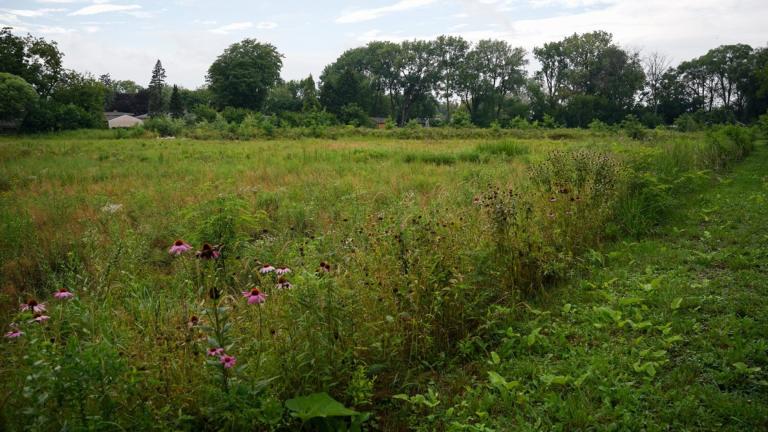

After the July 2 storm that caused catastrophic flooding across Chicago’s West Side and some western suburbs, many residents are still dealing with the damage. Now, some of those communities are exploring green infrastructure solutions that can help prevent future flooding events.
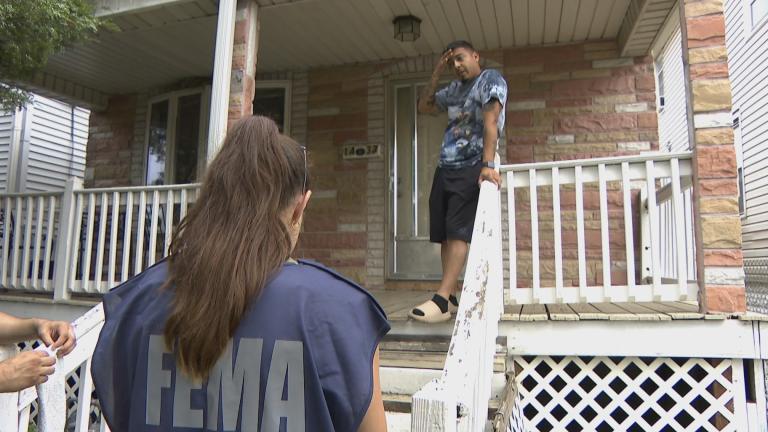
Representatives with FEMA and the SBA are in Cook County to assist people with applying for federal grants and loans as the agencies work to open a designated recovery center in the area.
Federal Assistance Available for Cook County Residents Impacted by Flood Damage. Here’s How to Apply
President Joe Biden issued a disaster declaration for Cook County. It comes more than a month after nearly 9 inches of rain flooded parts of Chicago, with the West Side hit particularly hard.
Cook County residents are now eligible for assistance, including grants for temporary housing and home repairs and low-cost loans to cover uninsured property losses, officials said.
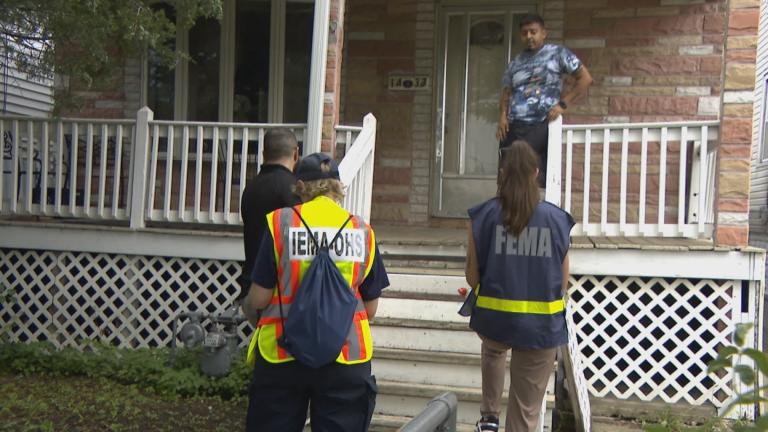
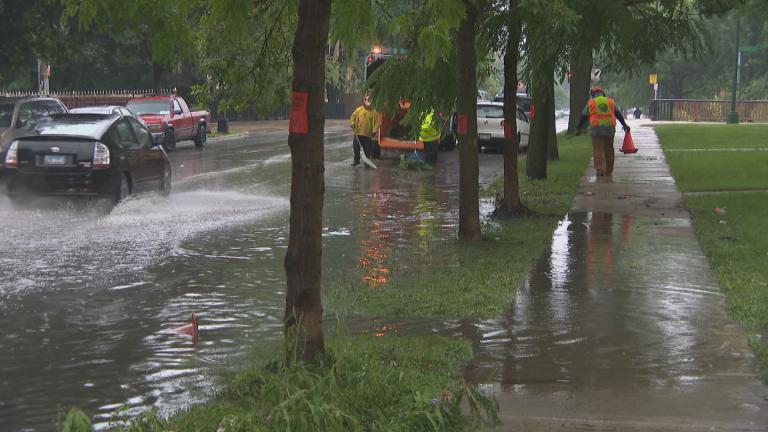
West Siders were hit particularly hard by floods nearly a month ago. More than 8 inches of rain flooded basements and ruined people's belongings.
It might come as a surprise given our proximity to Lake Michigan, but some of Chicago’s neighbors could soon be facing a water shortage. According to a new report, flooding and scarcity can “wildly alternate in the same place or transpire in proximity to each other.”
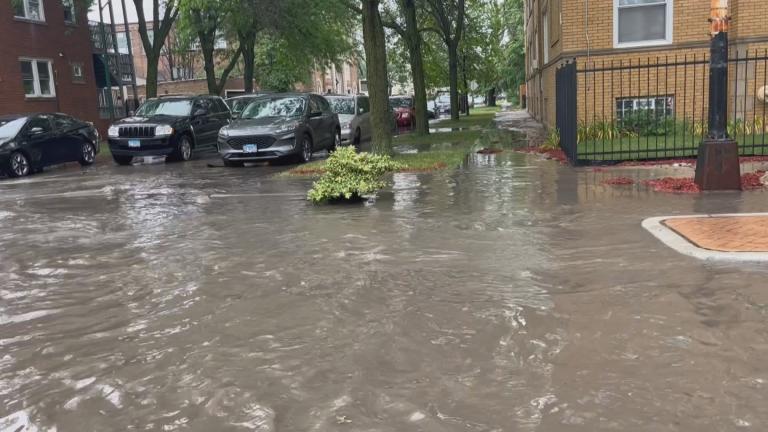
Residents on the West side of the city and its surrounding suburbs were hit particularly hard by flooding. Some areas saw as much as 8 inches of rainfall on July 2, leading to flash floods and extensive property damage.
The entire city was drenched with torrential rain earlier this week, but residents on the West Side were hit especially hard as more than 8 inches of rain fell in the Austin community and nearby suburbs.

The last time Chicago saw nearly 9 inches of rain was Aug. 13-14, 1987, according to the National Weather Service. On average, the city gets 3.7 inches of rain during all of July, according to the National Weather Service.
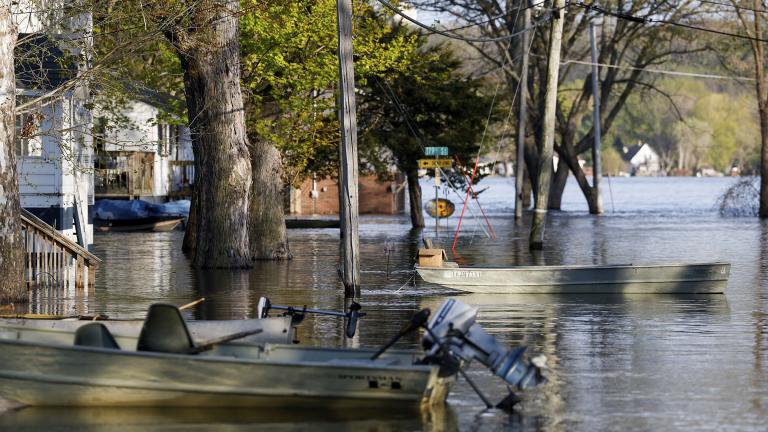
The peak water levels this spring will likely rank in the top 10 of all time in many places, but the National Weather Service said river levels will generally remain well below past records.
Trending
Who Is Running, or Thinking About Running, to Become Chicago’s Next Mayor

Suspend CPD Officers, Sergeant Repeatedly Accused of Making Improper Traffic Stops for a Combined 330 Days: Police Brass

No Tax Hikes or Layoffs Needed to Close Cook County’s $550M Gap Thanks to ‘Budget Magic’: Preckwinkle

Hilario Dominguez, Candidate for CPS Board President, Defends Conduct as Watchdog Reopens Probe Into Inappropriate Behavior Allegations

CPD Brass Inconsistently Disciplined Officers for Using Racial Slurs: Watchdog

Sign up for the WTTW News newsletter