

Family
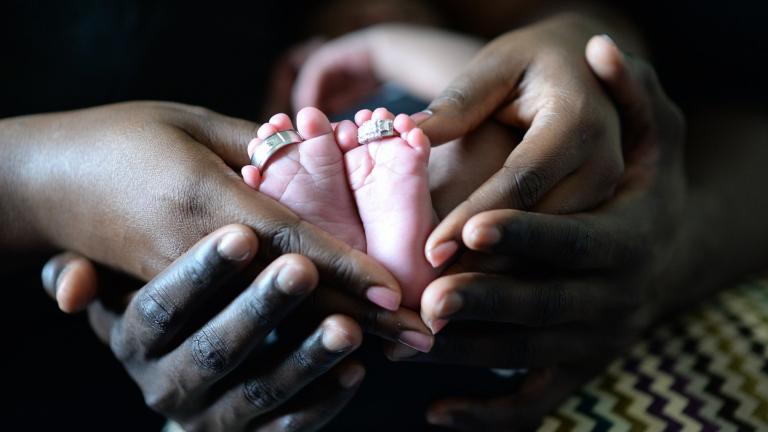

U.S. births dropped to their lowest level in more than 40 years in 2020, according to the Centers for Disease Control and Prevention. How the pandemic is impacting family planning.

Vaccine eligibility is expanding. We speak with Dr. Allison Bartlett, a pediatrician and associate professor of the pediatrics section of infectious diseases at University of Chicago Medicine, to learn more about vaccinating young people.
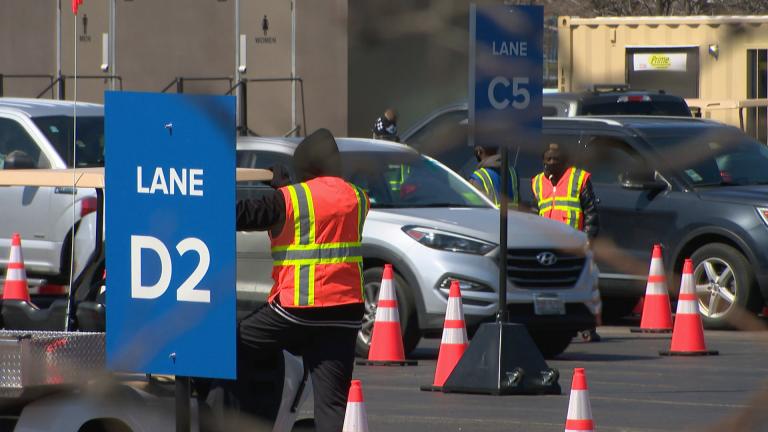
Chicago will open all city-operated COVID-19 vaccination sites to youth ages 12-15 on Thursday, officials announced Tuesday. “Current data show that the vaccine is safe and effective in children, and it not only protects our kids, but also their families and our communities,” said Dr. Alison Arwady.
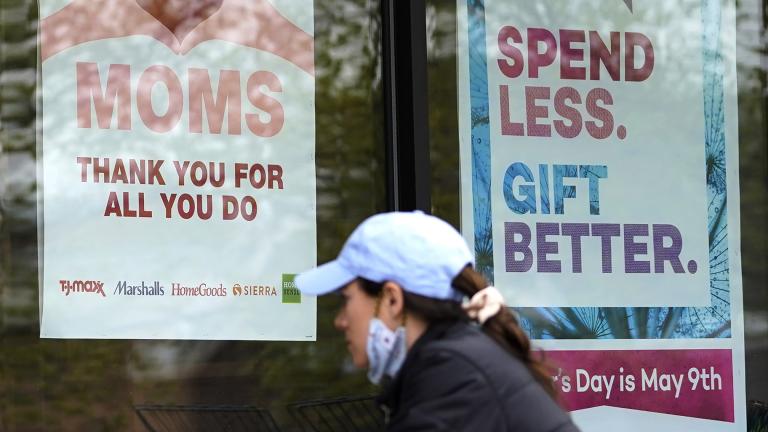
Joyous reunions among vaccinated parents and children across the country marked this year’s Mother’s Day, the second one celebrated during the coronavirus pandemic.
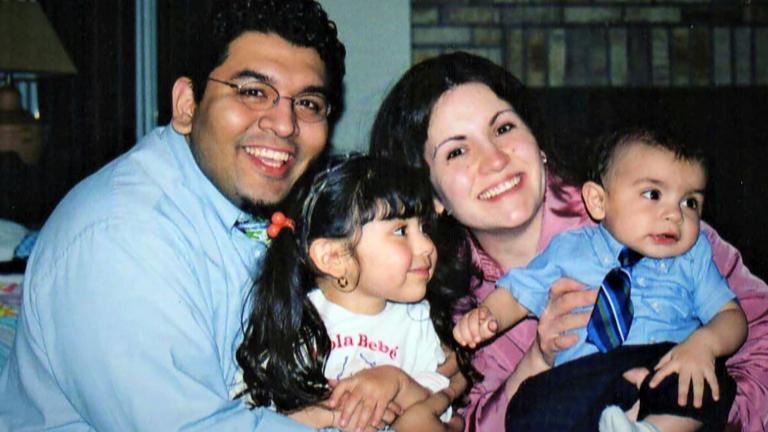
The COVID-19 pandemic has taken a toll on everyone, but one group in particular has had an especially heavy lift: mothers, who have taken on the majority of caregiving responsibilities over the last year.
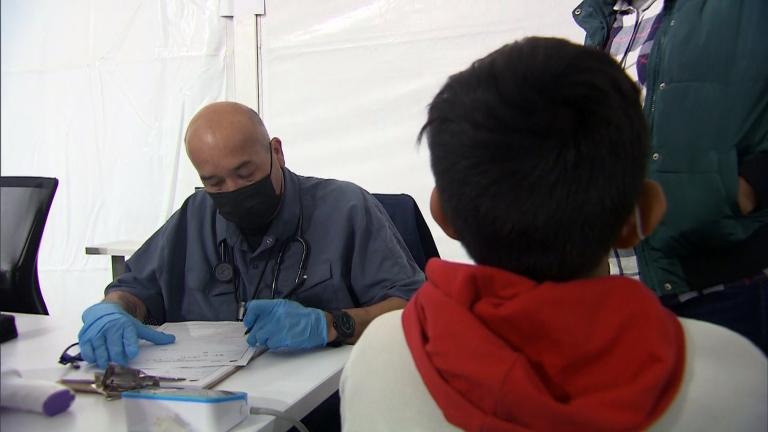
Four families separated under former President Donald Trump’s immigration policy were this week the first to be reunited by organizations working with the Biden administration’s Family Reunification Task Force.

Black women are three times more likely to die of pregnancy-related complications than their white counterparts, according to a new report. While that disparity has narrowed, officials say it’s not due to conditions improving for Black women but instead worsening conditions for white women.

Thanks to support from the Illinois Department of Public Health, Chicago theater company Collaboraction is exploring the impact of oral history, one story at a time. We learn about the group’s newest project, “Family Tree Stories,” and how it’s working to unite the city through storytelling.
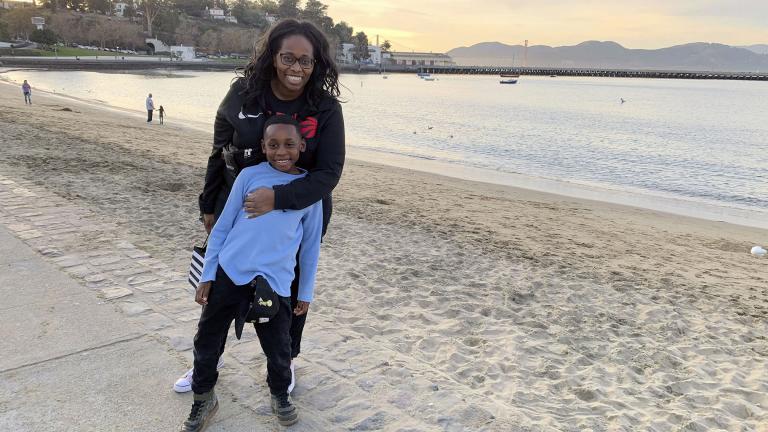
As schools reopen, Black students have been less likely than white students to enroll in in-person learning — a trend attributed to factors including concerns about the disproportionate impact of the coronavirus on communities of color. But many Black parents are finding another benefit to remote learning.
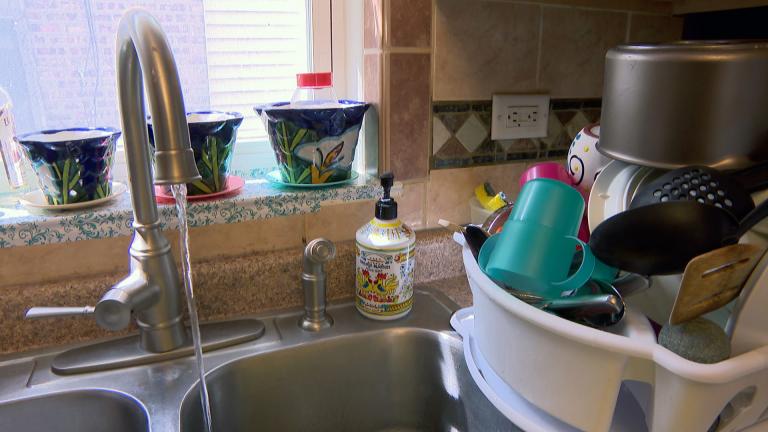
Chicago has more lead service pipes than any other U.S. city. Last year the city announced a plan to slowly replace those lines, an effort which has yet to get underway. Now, state lawmakers want to tackle the toxic problem—and they want Congress to foot the bill.
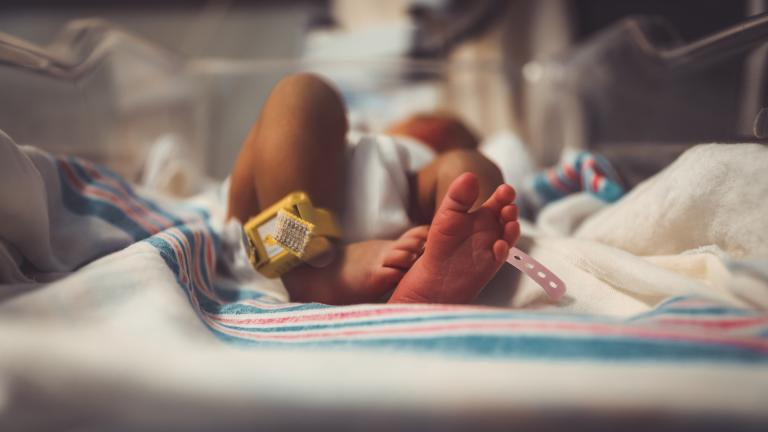
A recently passed Illinois law requiring insurance companies to cover donated breast milk and breast milk fortifiers for infants who are premature or critically ill gives them the “best possible chance” for survival, according to a legislator who sponsored the measure.

Our trip down memory lane with the WTTW program “Our People” from the late 1960s and early ‘70s brought back memories for one former Chicagoan. Here is his story.
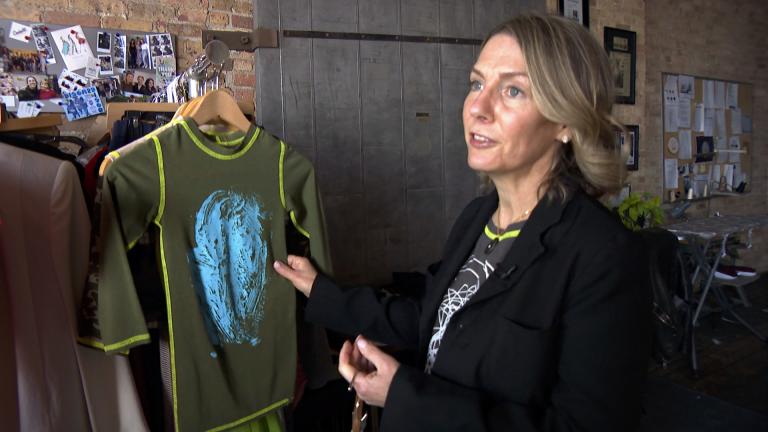
Former real estate agent Dina Lewis moved from New York City to Chicago in 2018. Soon after, she decided to pursue a professional endeavor that was personal to her: designing clothing for kids with special sensory needs. We visited the design studio of Minor Details to learn more.
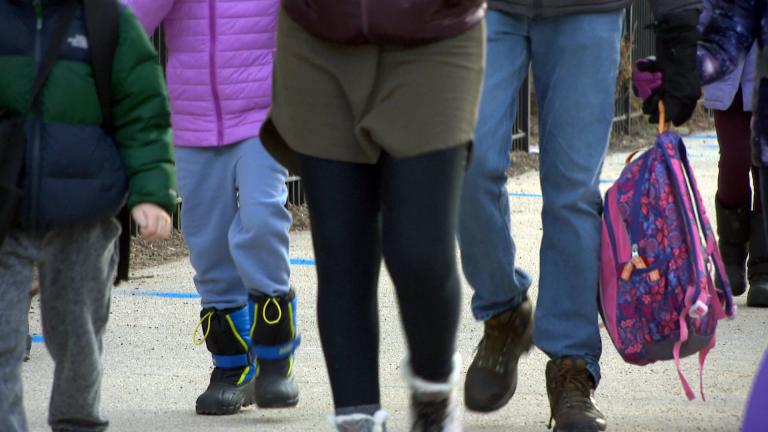
Lutheran Child and Family Services says its anti-racism approach has made a big difference in outcomes for the children they serve.
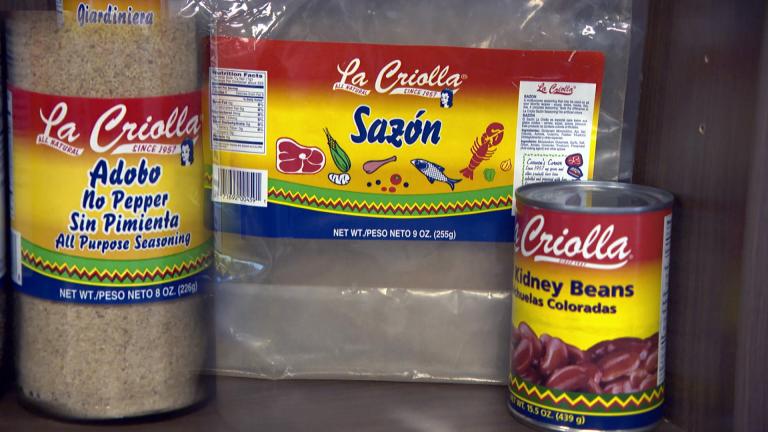
When Avelino Maldonado started his spice distribution company in Chicago, the biggest waves of Latino immigrants had yet to arrive. Sixty-four years later, Latinos comprise nearly 30% of the city’s population, and La Criolla’s new owners hope to bring their Latin flavor to another generation of cooks.
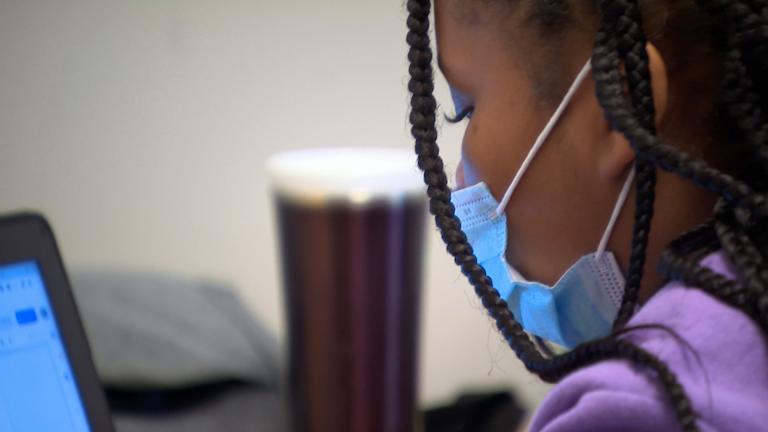
The mental and emotional health of Chicago children has been hit hard by the pandemic, according to researchers at Lurie Children’s Hospital, who surveyed more than 1,500 parents across the city—including all 77 community areas—about the impact of the pandemic on their child’s behavior.
Trending
Early Voting for November General Election Kicks Off in Downtown Chicago

Uptown Theatre Added to Open House Chicago, Catch a Rare Glimpse Inside Gilded Jewel

City Lawyers Propose Spending $260.8M to Settle 16 Cases Tied to Disgraced Ex-CPD Detective Guevara

Chicago Must Pay $10.5M to Family of Man Killed by Driver Being Chased by Police: Supreme Court Ruling

Family of Renee Good Sues Trump Administration, ICE Agents Months After Fatal Shooting in Minneapolis

Sign up for the WTTW News newsletter